Source Multirate DWDM XPonder Card for FTTH, Enterprise, and CWDM
Find and compare Multirate DWDM XPonder Card options for FTTH, enterprise, and CWDM applications. This sourcing guide covers 30 available products with varying specifications, including 25G OEO cards and XG-PON interfaces, to help you evaluate technical details and pricing.
Key considerations
Products List
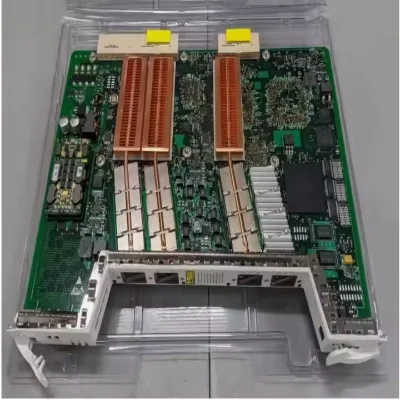
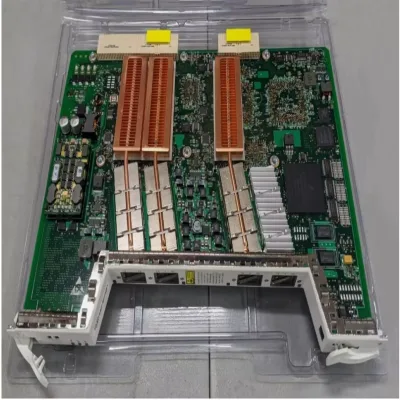
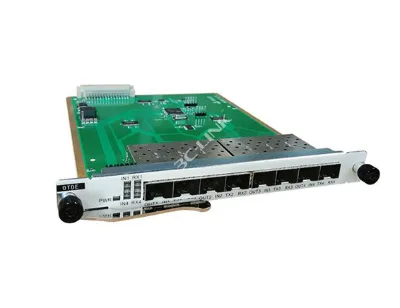


Customizable NFC Business Card with Qr Code Integration for Professionals
$0.01 - $0.99
MOQ: 50 Pieces

Modular Kvm Extender Receiver Interface Card - (1) Catx, DVI-D, USB HID, Maritime Use
$299.00 - $2999.00
MOQ: 100 Pieces

Modular Kvm Extender Transmitter Interface Card - (1) Catx, DVI-D, USB HID, Maritime Use
$299.00 - $2999.00
MOQ: 100 Pieces


03032djx Me0m0lexfb70 20-Port 10gbase LAN/Wan-SFP+ Flexible Card (BP480)
$400.00 - $1000.00
MOQ: 1 Pieces


Comprehensive Sourcing Guide
Multirate DWDM XPonder Card Sourcing Guide
Sourcing multirate DWDM xponder cards requires a disciplined approach to technical verification and supplier qualification, particularly when integrating these components into existing optical transport networks. These devices serve as critical transponders that convert client-side signals into dense wavelength-division multiplexing (DWDM) compatible optical signals, enabling efficient bandwidth utilization over long-haul and metro fiber infrastructure. Buyers must navigate a complex landscape of specifications, including transmission rates, form factors, and compatibility with existing line systems, to ensure seamless integration and optimal network performance.
The procurement process is further complicated by the diversity of product listings available in the global market, where attributes such as warranty periods, testing conditions, and physical dimensions vary significantly across suppliers. While some products may offer extensive warranties and rigorous testing protocols, others might lack detailed technical documentation or standardized certifications. Therefore, establishing a clear set of verification criteria and commercial terms is essential to mitigate risk and ensure that the selected xponder cards meet the specific operational requirements of the enterprise or service provider environment.
Product Scope and Observed Listing Signals
The observed market data reveals a wide variance in product attributes, highlighting the importance of distinguishing between different types of optical components. For instance, listings indicate products with transmission rates of 10/100Mbps, which may suggest legacy or specific edge applications rather than high-capacity DWDM transport. Conversely, other entries specify advanced capabilities such as 25G OEO cards and CWDM/DWDM platform support, indicating a broader range of modern optical networking solutions. Buyers must carefully scrutinize these listings to identify products that align with their specific bandwidth and wavelength requirements, avoiding confusion between standard Ethernet interfaces and specialized DWDM transponders.
Physical and operational specifications also show significant diversity, with single gross weights ranging from 0.0 kg to 2.000 kg and dimensions varying from compact modules to larger chassis-mounted units. Some products are listed with a "100% Tested Working" condition and a one-year warranty, while others offer five-year warranties and detailed power consumption metrics, such as static and maximum wattage ratings. These variations suggest that buyers should not assume uniform quality or performance across all listings. Instead, they should prioritize products with clear testing certifications and comprehensive warranty terms to ensure reliability and long-term support in critical network deployments.
Technical Specifications to Verify
When evaluating multirate DWDM xponder cards, buyers must verify key technical parameters such as transmission rates, fiber types, and interface configurations. The presence of specifications like 10/100/1000Mbps transfer rates and support for Single-Mode Fiber (SMF) indicates compatibility with standard fiber optic infrastructure, but buyers should confirm whether the card supports higher speeds required for modern DWDM applications. Additionally, the number of ports and communication modes, such as full-duplex and half-duplex, are critical factors that influence network design and capacity planning. Ensuring that the xponder card supports the necessary port density and duplex modes is essential for achieving the desired network throughput and redundancy.
Operating conditions and power consumption are also vital technical considerations that impact the deployment and maintenance of xponder cards. Listings may provide details on typical power consumption, heat dissipation rates, and long-term operating temperature ranges, which are crucial for ensuring stable performance in various environmental conditions. For example, some products specify a working temperature range of -40℃ to +55℃, indicating suitability for harsh environments, while others may have more limited operational ranges. Buyers should verify these specifications to ensure that the selected cards can operate reliably within the thermal constraints of their intended deployment location, avoiding potential overheating or performance degradation issues.
Compliance and Safety Documentation
Compliance with international standards and certifications is a fundamental requirement for sourcing optical networking equipment, ensuring that products meet safety, electromagnetic compatibility, and environmental regulations. Listings may indicate certifications such as FCC, which is essential for products sold in certain markets, but buyers should also verify compliance with other relevant standards depending on their geographic location and industry requirements. It is crucial to request documentation from suppliers to confirm that the xponder cards have undergone rigorous testing and meet all applicable regulatory requirements, reducing the risk of non-compliance and potential legal or operational issues.
In addition to regulatory certifications, buyers should assess the quality control processes and testing protocols employed by suppliers. Products listed with a "100% Tested Working" condition suggest a higher level of quality assurance, but buyers should inquire about the specific tests conducted, such as burn-in testing, optical performance verification, and environmental stress screening. Understanding the supplier's quality control measures provides insight into the reliability and longevity of the xponder cards, helping buyers make informed decisions that minimize the risk of field failures and reduce maintenance costs over the product's lifecycle.
Cost Drivers and Commercial Terms
The cost of multirate DWDM xponder cards is influenced by several factors, including technical specifications, warranty terms, and supplier qualifications. Products with advanced features, such as higher transmission rates, extended operating temperature ranges, and longer warranties, typically command higher prices due to the increased complexity and quality assurance involved in their manufacturing. Buyers should evaluate the total cost of ownership, considering not only the initial purchase price but also the potential costs associated with maintenance, support, and replacement over the product's lifespan. Understanding these cost drivers enables buyers to make balanced decisions that align with their budget constraints and performance requirements.
Commercial terms, such as minimum order quantities (MOQ), lead times, and payment conditions, also play a significant role in the procurement process. Listings may indicate MOQs ranging from 1 piece to 500 pieces, allowing for flexibility in order sizes depending on the buyer's needs. However, buyers should negotiate favorable terms with suppliers to ensure timely delivery and competitive pricing, particularly for large-scale deployments. Establishing clear commercial agreements that address issues such as shipping, insurance, and return policies helps mitigate risks and ensures a smooth procurement process, allowing buyers to focus on integrating the xponder cards into their network infrastructure.
Supplier Qualification and Quality Control
Selecting a reliable supplier is critical to ensuring the quality and support of multirate DWDM xponder cards. Buyers should conduct thorough due diligence on potential suppliers, assessing their reputation, experience, and track record in the optical networking industry. Suppliers with a strong presence in the market and positive customer feedback are more likely to provide high-quality products and responsive support services. Additionally, buyers should verify the supplier's manufacturing capabilities and quality management systems to ensure that they adhere to industry best practices and maintain consistent product quality across all orders.
Quality control measures implemented by suppliers are another key factor in supplier qualification. Buyers should inquire about the supplier's testing procedures, inspection protocols, and defect management processes to ensure that only fully functional and reliable xponder cards are delivered. Suppliers that provide detailed test reports and certification documents demonstrate a commitment to quality and transparency, which can help buyers build confidence in their procurement decisions. Establishing a strong relationship with a qualified supplier ensures that buyers receive the support and expertise needed to successfully deploy and maintain their optical networking infrastructure.
Long-Term Procurement Checks
Long-term procurement success depends on establishing ongoing monitoring and evaluation processes to ensure that multirate DWDM xponder cards continue to meet performance and reliability standards. Buyers should implement regular audits and performance reviews to assess the operational status of the deployed cards, identifying any potential issues or degradation in performance. By maintaining close communication with suppliers and monitoring product feedback, buyers can proactively address any concerns and ensure that the xponder cards continue to operate efficiently within their network environment.
Additionally, buyers should stay informed about technological advancements and industry trends that may impact the relevance and compatibility of their current xponder cards. As network requirements evolve, buyers may need to upgrade or replace existing equipment to support new applications and higher bandwidth demands. By maintaining a forward-looking procurement strategy and regularly reviewing their technical specifications and supplier relationships, buyers can ensure that their optical networking infrastructure remains robust, scalable, and aligned with their long-term business objectives.
FAQs
What is the warranty period for multirate dwdm xponder cards?
The warranty period varies by product, with options including 1 year or 5 years depending on the specific model. Some enterprise-grade cards offer extended coverage to ensure long-term reliability for critical network infrastructure deployments.
Which certifications are available for multirate dwdm xponder cards?
Certified products typically include FCC compliance to meet regulatory standards for electronic equipment. Buyers should verify specific certification documents for each unit to ensure they meet local safety and electromagnetic compatibility requirements.
How does the transmission rate affect Multirate DWDM XPonder Card performance?
Transmission rates range from 10/100Mbps up to 10/100/1000Mbps depending on the specific card configuration. Higher rates support faster data throughput for enterprise applications while maintaining compatibility with existing fiber optic network architectures.
Can multirate dwdm xponder cards be used for FTTH applications?
Yes, these cards are explicitly designed for FTTH, FTTB, and FTTX network applications. They support single-mode fiber connections and integrate with platforms like CWDM and DWDM for efficient long-distance data transmission.
What is the typical power consumption for multirate dwdm xponder cards?
Power consumption varies significantly, ranging from 1 Watt for smaller units to over 100 Watts for high-capacity cards. Static and maximum power ratings help engineers plan thermal management and power supply requirements accurately.
Where are multirate dwdm xponder cards manufactured?
These products are manufactured in China, with specific origins noted in Zhejiang province. Buyers can expect consistent production standards and availability from established factories in this region for bulk procurement needs.
What is the minimum order quantity for multirate dwdm xponder cards?
Minimum order quantities can start as low as 1 piece for single item sales. Larger orders may have different thresholds, but flexible MOQs allow buyers to test products before committing to bulk purchases.