Source NACS TPC Charging Cable for EVs, Fleets, and Stations
Compare 30 verified listings for NACS TPC Charging Cable designed for electric vehicles, commercial fleets, and public charging stations. Buyers can evaluate specifications like IP54 protection, TPU materials, and compliance with IEC 62916 standards to find suitable suppliers.
Key considerations
Products List


40A~80A Nacs Charging Car Charger Cable Station Plug EV Charging Cable
$50.00 - $230.00
MOQ: 50 Pieces


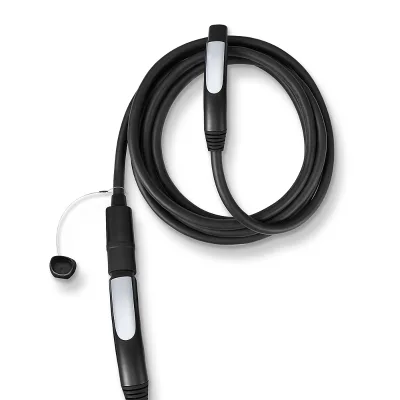


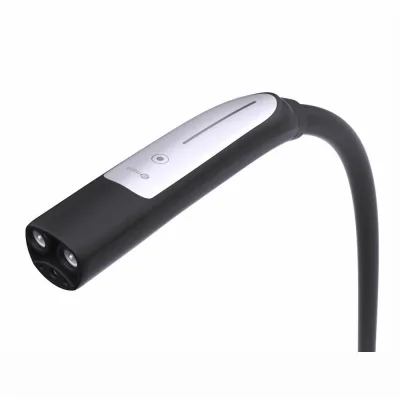
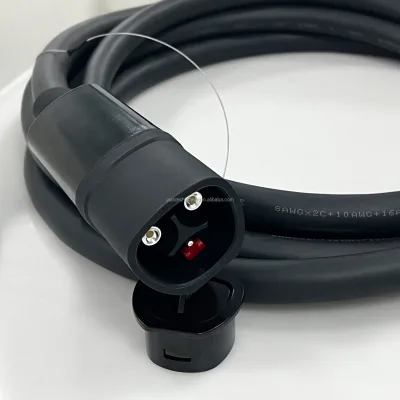


UL Certificate 300A 350A Nacs Charging Plug Tesla Connector Nacs Charger Cable
$1200.00 - $1600.00
MOQ: 1 Pieces


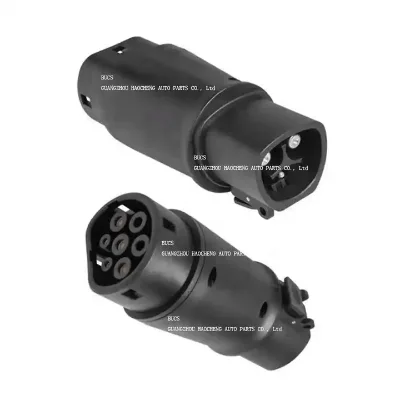

Comprehensive Sourcing Guide
NACS TPC Charging Cable Sourcing Guide
Sourcing NACS TPC charging cables requires a nuanced understanding of the intersection between North American charging standards and specialized cable construction materials. The term "NACS" refers to the North American Charging Standard, which has become the dominant connector interface for electric vehicles in North America, while "TPC" in this context often relates to specific cable constructions or proprietary connector assemblies used in high-performance charging applications. Buyers must distinguish between standard EV charging cables and specialized data or power transmission cables that may share similar physical connectors but serve different functional purposes. The procurement landscape for these components is fragmented, with suppliers offering everything from simple power transfer cables to complex assemblies with integrated data transmission capabilities.
The observed market signals indicate a wide variance in product definitions, ranging from dedicated EV charging cables to Type-C FPC USB3.1 GEN2 data cables. This diversity necessitates rigorous clarification during the sourcing process to ensure that the purchased components align with the intended application, whether it be vehicle charging, industrial power distribution, or high-speed data transfer. Procurement teams must verify if the "NACS" designation refers to the physical connector shape or if it implies compliance with specific SAE J3400 performance standards. Similarly, the presence of "TPC" or "Type-C" in product titles may indicate USB-C based data lines rather than high-power EV charging solutions, requiring careful technical validation before placing orders.
Product Scope and Observed Listing Signals
The current market listings reveal a broad spectrum of products associated with the core keyword, including NACS to NACS cables, Type-C FPC cables, and general EV charging cables with varying power ratings. Observed specifications include power standards such as 3.7kW, 7kW, 11kW, and 22kW, indicating that many suppliers offer solutions for Level 2 AC charging applications. Additionally, there are listings for cables with specific material compositions like TPU and copper, which are critical for durability and conductivity in high-current applications. Buyers should note that some products are described with interface types such as USB or Type-C, which may suggest data transmission functions rather than pure power delivery, highlighting the need for precise specification matching.
Pricing and minimum order quantities (MOQ) vary significantly across the observed listings, with prices ranging from $0.50 to $1600 and MOQs from 1 to 1000 units. This wide range reflects the difference between simple data cables and complex, certified EV charging assemblies. Some products are listed with specific packaging details, such as carton boxes or paper boxes, and single gross weights around 7.000kg, which are important factors for logistics and freight cost calculations. The presence of customization options, including branded solutions and customized lengths, suggests that many suppliers are flexible but may require higher volumes or specific technical agreements to accommodate unique requirements.
Technical Specifications to Verify
When evaluating NACS TPC charging cables, buyers must prioritize the verification of electrical and physical specifications to ensure compatibility and safety. Key parameters to confirm include the operating voltage, which may range from 120V to 250V or up to 480V for three-phase applications, and the current capacity, which determines the charging speed. The cable construction should be verified for insulation materials such as XLPE or PVC, and sheath materials like TPU, which offer superior resistance to abrasion, oils, and extreme temperatures. It is essential to confirm the wire core material, typically bare copper wire, and the cross-sectional area to ensure it can handle the intended load without excessive voltage drop or heat generation.
Connector integrity and environmental protection are equally critical technical aspects. Buyers should verify the IP grade of the connectors, with IP54 being a common baseline for dust and water resistance, though higher ratings may be required for outdoor or industrial use. The contact resistance should be checked to ensure it remains below 0.5m Ohm, and the terminal temperature rise should be less than 50K under rated load to prevent overheating. Additionally, the withstand voltage capability, often specified as 2000V, and the insulation resistance, which should be more than 500mohm at DC500V, are vital for ensuring long-term reliability and safety in high-voltage environments.
Compliance and Safety Documentation
Compliance with international and regional standards is non-negotiable for EV charging cables, particularly when operating in regulated markets. Buyers must verify that products carry relevant certifications such as TUV, CE, and UKCA, which indicate conformity with European and UK safety directives. The IEC 62916 standard is a key reference for EV conductive charging systems, and products claiming compliance should be backed by valid test reports from accredited laboratories. Additionally, flammability ratings such as UL 94V0 are important for ensuring that the cable materials do not contribute to fire spread in the event of an electrical fault.
Beyond product-level certifications, buyers should inquire about the manufacturer's quality management systems, with ISO certification being a common indicator of robust production processes. It is crucial to ensure that the documentation provided matches the specific model and batch of the product, as certifications can be product-specific and may not cover all variations in a supplier's catalog. Buyers should also verify if the cables meet specific regional requirements, such as SAE J3400 for NACS connectors in North America, although this standard may not be explicitly listed in all general product descriptions.
Cost Drivers and Commercial Terms
The cost of NACS TPC charging cables is influenced by several factors, including the material composition, connector complexity, and certification requirements. Copper prices, which constitute a significant portion of the cable cost, can fluctuate, affecting the final price. Cables with higher power ratings, such as 22kW, typically require thicker conductors and more robust insulation, leading to higher material costs. Additionally, the inclusion of data transmission functions, such as USB3.1 GEN2 capabilities, may add to the complexity and cost of the assembly due to the need for shielded data lines and integrated IC chips.
Commercial terms, including MOQ and lead times, play a significant role in the total cost of ownership. Suppliers may offer lower prices for larger volumes, but buyers must balance this with inventory holding costs and demand variability. The observed MOQ range of 1 to 1000 units suggests flexibility, but buyers should negotiate terms that align with their production schedules. Packaging details, such as carton or paper box options, can also impact shipping costs and handling efficiency, so these should be considered in the overall procurement strategy.
Supplier Qualification and Quality Control
Supplier qualification is a critical step in ensuring the reliability of NACS TPC charging cables. Buyers should assess the supplier's manufacturing capabilities, including their experience with EV charging components and their ability to produce customized solutions. The origin of the products, often listed as China or specific cities like Suzhou, should be verified for quality control practices and supply chain transparency. Suppliers with a history of producing certified products for reputable brands are generally more reliable, but buyers should still conduct their own due diligence.
Quality control measures should be clearly defined in the purchase agreement, including incoming material inspections, in-process testing, and final product verification. Buyers should request sample testing to verify key specifications such as contact resistance, insulation resistance, and temperature rise. Additionally, establishing a clear process for handling non-conforming products and requesting detailed test reports for each batch can help mitigate risks. Regular audits or third-party inspections may be necessary for high-volume procurement to ensure consistent quality.
Long-Term Procurement Checks
Long-term procurement success depends on establishing a robust relationship with suppliers and implementing continuous improvement processes. Buyers should monitor supplier performance metrics, such as on-time delivery rates, defect rates, and responsiveness to technical queries. Regular reviews of product performance in the field can provide valuable feedback for future procurement decisions and help identify potential issues before they become widespread. Maintaining open communication with suppliers regarding market trends, regulatory changes, and technological advancements can also help buyers stay ahead of industry developments.
It is also important to diversify the supplier base to mitigate risks associated with single-source dependencies. Buyers should identify alternative suppliers who can meet the same technical and compliance requirements, ensuring business continuity in case of supply chain disruptions. Additionally, staying informed about changes in standards, such as updates to SAE J3400 or IEC 62916, is crucial for ensuring that procured cables remain compliant and compatible with evolving EV infrastructure. By proactively managing these aspects, buyers can secure a reliable supply of high-quality NACS TPC charging cables for their operations.
FAQs
What certifications do nacs tpc charging cables have?
These cables carry TUV CE, Ukca, and RoHS certifications. They also comply with ISO and IEC 62916 standards to ensure safety and quality for electric vehicle applications.
Can I customize the NACS TPC Charging Cable specifications?
Yes, customization is available for this product. Buyers can request specific power ratings like 3.7kW or 22kW, and choose cable lengths such as 5 meters or other custom dimensions.
Which materials are used for the NACS TPC Charging Cable?
The cable uses TPU and copper for the conductor and sheath. Insulation is made from XLPE, while the case material is thermoplastic to ensure durability and safety.
How is the NACS TPC Charging Cable packaged for shipping?
Packaging options include cartons, paper boxes, or bags depending on the specific model. Single package sizes are typically around 40x35x8cm with a gross weight of 7kg.
What is the operating voltage range for this cable?
The operating voltage ranges from 120V to 250V for single-phase applications. Some models support up to 250V or 480V for broader electrical compatibility in various regions.
Where are these nacs tpc charging cables manufactured?
These cables are manufactured in China, specifically in Suzhou. The origin is confirmed as Made in China, ensuring consistent production standards for global export.
What is the minimum order quantity for nacs tpc charging cables?
The minimum order quantity ranges from 1 to 1000 units depending on the supplier. Buyers can negotiate based on their specific needs and the customization level required.