Source Nano Ceramic Privacy Window Film for Cars Homes Offices
Explore 30 listings of Nano Ceramic Privacy Window Film featuring heat rejection up to 99% and customizable VLT options. Buyers can compare specifications like UV protection, anti-scratch properties, and adhesive types across various models.
Key considerations
Products List


Privacy Protection 99% UV Blocking Nano Ceramic Window Film for Car Window
$257.00 - $277.00
MOQ: 1 Rolls


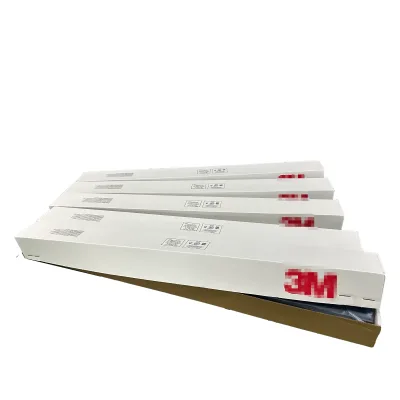
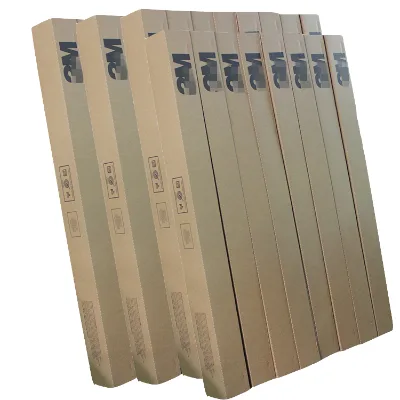


Comprehensive Sourcing Guide
Sourcing Strategy for Nano Ceramic Privacy Window Film
The global demand for high-performance window films has surged, driven by the need for energy efficiency, enhanced privacy, and UV protection in both automotive and architectural sectors. Among the various technologies available, nano ceramic window film has emerged as a premium solution, offering superior heat rejection without the signal interference associated with metallic films. For procurement professionals, sourcing this specific category requires a disciplined approach that distinguishes between marketing terminology and verifiable product attributes. This guide outlines the critical technical, commercial, and quality assurance factors necessary to navigate the market effectively, relying strictly on observed product data and established industry standards.
Technical Specifications and Material Composition
The foundation of a successful procurement strategy lies in a precise understanding of the product's physical and optical properties. The core material for the observed product range is Polyethylene Terephthalate (PET), which serves as the durable substrate for the nano ceramic coating. This material choice is standard for high-end films due to its tensile strength and resistance to environmental degradation. Buyers must verify the thickness of the film, as the data indicates a standard thickness of 2mil. This dimension is critical for determining the film's durability against scratches and its ability to provide explosion-proof protection, a feature explicitly listed in the product attributes.
Optical performance is the primary differentiator for nano ceramic films. The Visible Light Transmission (VLT) varies significantly across the product spectrum, with observed ranges spanning from 5% to 80%. Specific models demonstrate VLT values such as 5%, 20%, 35%, 50%, 70%, 75%, and 80%, allowing for customization based on the desired level of privacy and light intake. For applications requiring maximum privacy, models with a VLT of 5% or 6% are available. Conversely, for applications where light retention is paramount, options up to 80% or 80% V80% exist. The Infrared Rejection (IRR) is another vital metric, with observed figures reaching as high as 91% and 99% in specific configurations. This high IRR capability, often paired with 99% UV rejection, confirms the film's ability to block solar heat effectively.
The physical dimensions of the rolls are equally important for logistics and installation planning. Standard widths are consistently observed at 1.52 meters (60 inches). The length of the rolls varies, with common standards including 15 meters (50 feet) and 30 meters (100 feet). Some suppliers offer customized lengths, but the 1.52m width remains a constant industry standard for these products. The weight of a standard roll is approximately 12kg, a factor that influences shipping costs and handling requirements. When evaluating specifications, buyers should ensure that the VLT and IRR values are matched to the specific application needs, as a single roll does not possess a uniform VLT across all models.
Functional Capabilities and Performance Attributes
Beyond basic optical metrics, the functional attributes of nano ceramic film define its utility in diverse environments. The product data highlights a robust suite of functions, including UV proofing, heat insulation, and privacy protection. The UV rejection rate is consistently reported at 99%, ensuring that interior spaces and occupants are shielded from harmful ultraviolet radiation. This is a non-negotiable feature for any film claiming to be "nano ceramic" or "high performance."
Heat rejection is a complex metric that depends on the specific VLT selected. The observed data indicates heat rejection capabilities ranging from 90% to 99%. It is crucial for buyers to understand that higher heat rejection does not always correlate with lower VLT; the nano ceramic technology allows for high heat rejection even in lighter tints. In addition to thermal management, the film offers self-healing properties, which allow minor scratches to disappear over time when exposed to heat. This feature, combined with a confirmed "Anti Scratch" rating, ensures long-term clarity and aesthetic appeal.
Privacy protection is another key function, with specific models offering "High Good Privacy" or "High Privacy" ratings. The color options observed include Black, Blue, and Transparent, allowing for customization to match vehicle or building aesthetics. Some products also feature color-changing capabilities, adding a dynamic element to the film's performance. The adhesive used is described as a strong, removable glue, which facilitates installation and removal without damaging the underlying glass. This is particularly important for automotive applications where films may need to be replaced or removed for resale.
Compliance, Certification, and Safety Standards
In the realm of window film procurement, compliance and safety standards are paramount. While the product data mentions a low-confidence background regarding ROHS certification, buyers must treat this as a verification point rather than a guaranteed attribute. Procurement teams should explicitly request current, valid certification documents from suppliers to confirm compliance with RoHS (Restriction of Hazardous Substances) and other relevant environmental standards. The absence of a specific certification number in the general product description necessitates a proactive verification process.
Safety standards are also evident in the "Explosion-Proof" and "Sand Proof" attributes. These claims imply that the film meets specific impact resistance standards, holding glass together in the event of an accident or impact. However, without specific test data or standardized certification numbers (such as ASTM or ISO standards) provided in the general listing, buyers must request third-party test reports to validate these safety claims. The standard product dimensions of 1.52m15m or 1.52m30m suggest a manufacturing process that adheres to consistent quality control, but the specific safety certifications must be confirmed on a per-shipment basis.
Cost Drivers and Pricing Dynamics
The pricing for nano ceramic window film is influenced by several factors, including the level of heat rejection, the specific VLT, and the quantity ordered. The observed price range is extensive, spanning from $1.99 to $620. This wide variance reflects differences in product tiers, from basic tinted films to high-performance nano ceramic variants with advanced features like self-healing and color-changing capabilities. The minimum order quantity (MOQ) also plays a significant role in cost structure, with observed ranges from 1 roll to 600 rolls.
For small-scale buyers, the ability to order single rolls (MOQ of 1) provides flexibility but may result in a higher unit cost. Conversely, bulk purchasing can significantly reduce the per-unit price, making it a viable strategy for large construction projects or automotive fleet operations. The packaging method, typically carton-based with 6 boxes per carton, affects shipping efficiency and cost. Buyers should calculate the total landed cost, including freight, by considering the weight of 12kg per roll and the packing dimensions of 1591821cm. It is essential to negotiate based on the specific model required, as a film with 99% heat rejection will command a premium over one with 90% rejection, even if the VLT is similar.
Supplier Evaluation and Verification Protocols
Selecting the right supplier requires a rigorous evaluation process that goes beyond the initial product listing. The origin of the products is consistently listed as China, which is a major manufacturing hub for window films. However, the "Chat Me Get It" and "Logo" packing options suggest a high degree of customization and private labeling potential. Buyers should verify the supplier's capacity to deliver consistent quality across different batches, especially when customizing logos or packing requirements.
When evaluating suppliers, procurement teams should request samples to test the claimed attributes firsthand. Key verification steps include checking the adhesive strength, the clarity of the film after installation, and the actual heat rejection performance using a solar meter. The presence of specific model numbers like CS05, S75100, AIR-35, and HT08 indicates a structured product line, which is a positive sign of a mature manufacturing operation. Buyers should also inquire about the supplier's lead times and their ability to handle custom orders, as some products offer customized lengths and widths.
Quality Control and Long-Term Procurement Considerations
Ensuring long-term satisfaction with nano ceramic window film requires a focus on quality control and durability. The "Anti Scratch" and "Self Healing" attributes are critical for maintaining the film's appearance over time. Buyers should establish a quality control protocol that includes visual inspections for defects, adhesion testing, and verification of the VLT and IRR values upon receipt. The use of strong, removable glue is a positive indicator, but it must be verified to ensure it does not leave residue upon removal.
Long-term procurement considerations also involve the stability of the supply chain. Given the wide range of MOQs and the potential for customization, buyers should secure agreements that guarantee consistent availability of specific models. The standard packing of 1 roll per box and 6 boxes per carton should be confirmed to prevent damage during transit. Additionally, buyers should monitor the market for changes in material costs, as fluctuations in PET resin prices can impact the final cost of the film. By maintaining a close relationship with suppliers and conducting regular quality audits, buyers can ensure a steady supply of high-performance nano ceramic window film that meets their specific operational needs.
Typical Applications and Market Segmentation
The versatility of nano ceramic window film makes it suitable for a wide range of applications. In the automotive sector, the film is used for sunshades, privacy protection, and heat reduction, with specific models like the Black Tint Window Film being popular choices. The high VLT options are ideal for front windshields where visibility is critical, while lower VLT options are preferred for side and rear windows for privacy. In the architectural sector, the film is applied to commercial and residential buildings to reduce cooling costs and protect interior furnishings from UV damage.
The "Window Shield Stickers" and "Use: Window Shield Stickers" attributes highlight the film's adaptability for various glass surfaces. The ability to customize the film with logos suggests its use in corporate branding and fleet management. The high heat rejection and UV protection make it particularly valuable in regions with intense sunlight, where energy efficiency is a priority. By understanding the specific needs of each application, buyers can select the appropriate VLT, color, and functional attributes to maximize the value of their investment.
Conclusion
Sourcing Nano Ceramic Privacy Window Film requires a balanced approach that combines technical knowledge with rigorous supplier evaluation. By focusing on verified attributes such as PET material, 2mil thickness, and specific VLT and IRR ranges, buyers can make informed decisions that align with their operational requirements. The wide price range and MOQ flexibility offer opportunities for both small and large-scale procurement, provided that quality control and compliance checks are prioritized. As the market continues to evolve, maintaining a disciplined sourcing strategy will ensure access to high-performance products that deliver on their promises of heat rejection, privacy, and durability.
FAQs
What is the standard width and thickness of the film?
The standard width is 1.52 meters with a thickness of 2mil. Rolls are available in lengths of 15 meters or 30 meters, and some suppliers offer customized lengths upon request.
How much heat rejection does the nano ceramic film provide?
Heat rejection capabilities range from 90% to 99% depending on the specific model selected. This high performance is achieved through nano ceramic technology without signal interference.
Can I order a single roll for testing purposes?
Yes, the minimum order quantity is one roll for most models. This allows buyers to test quality before committing to larger bulk orders ranging up to 600 rolls.
What visible light transmission options are available?
Visible light transmission varies from 5% to 80% across different models. Specific options include 5%, 20%, 35%, 50%, 70%, 75%, and 80% to suit various privacy needs.
Does the film offer self-healing and anti-scratch properties?
Yes, the film features self-healing capabilities and is explicitly rated as anti-scratch. These attributes ensure long-term clarity and durability against minor surface damage.
What is the UV rejection rate for this product?
The UV rejection rate is consistently reported at 99% for the observed products. This ensures effective protection against harmful ultraviolet radiation for both automotive and architectural applications.
Is customization available for logos and packaging?
Customization is available for logos and specific packing requirements. Buyers can request private labeling and tailored carton configurations to meet their branding and logistical needs.