Source Unisex Kungfu Suit for Training, Competition, and Daily Practice
Source Unisex Kungfu Suit options from 30 verified listings. Compare materials like polyester, cotton, and blends, along with OEM services and size ranges, to find the right gear for martial arts training, competition, and daily practice.
Key considerations
Products List
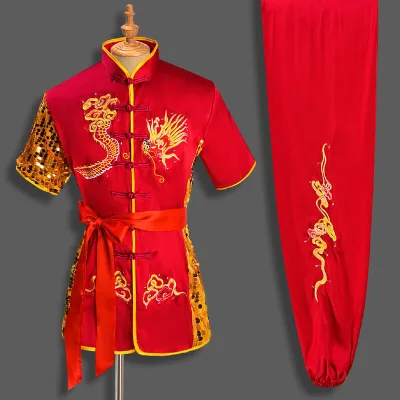
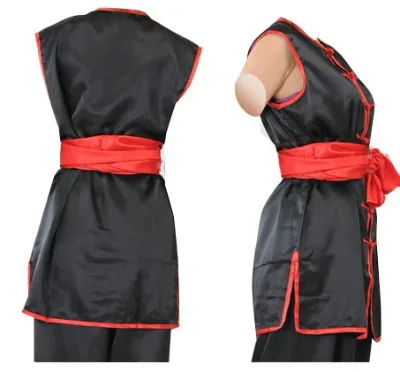
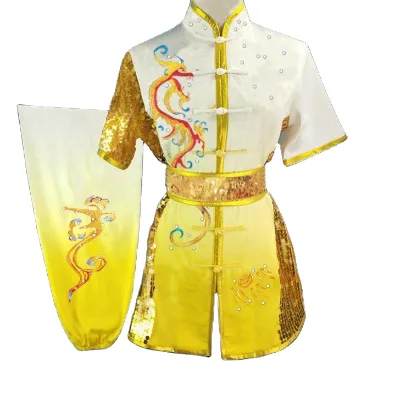
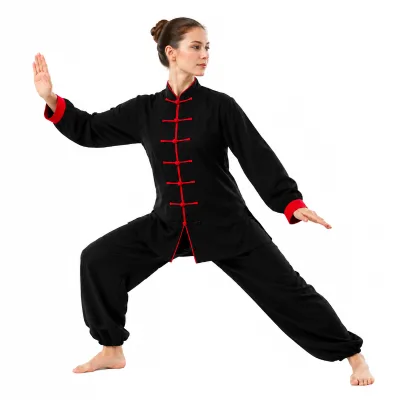
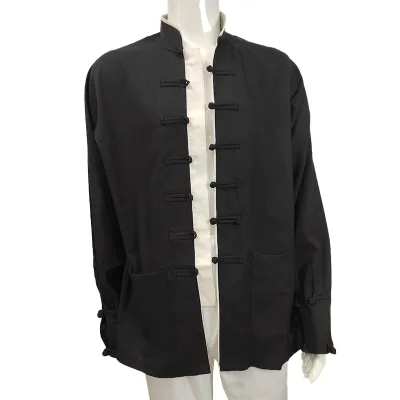
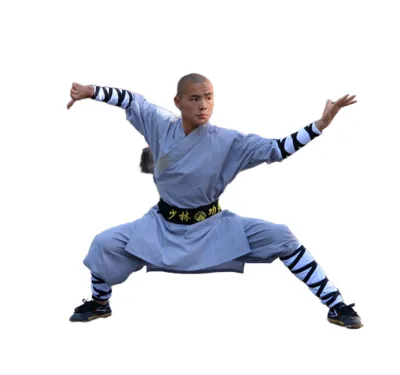
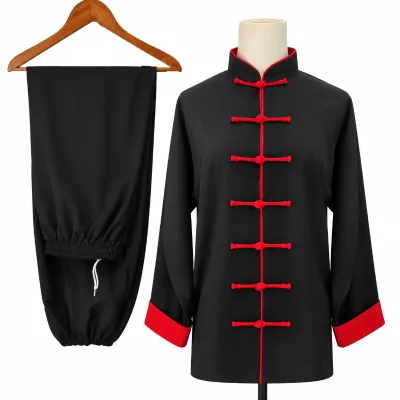
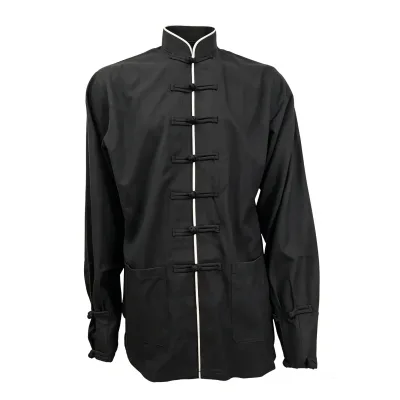
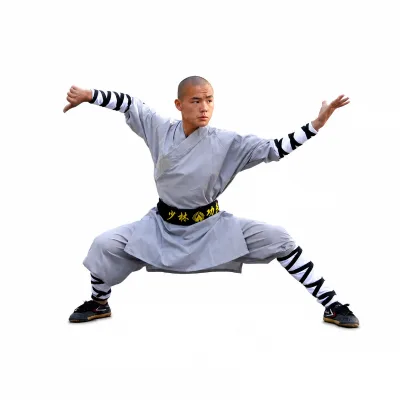


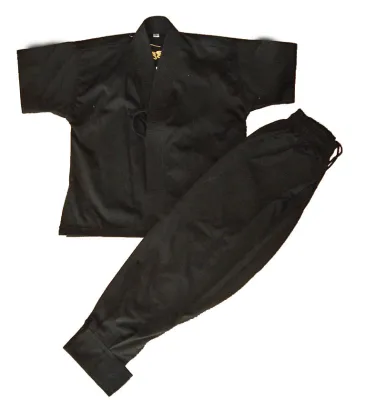
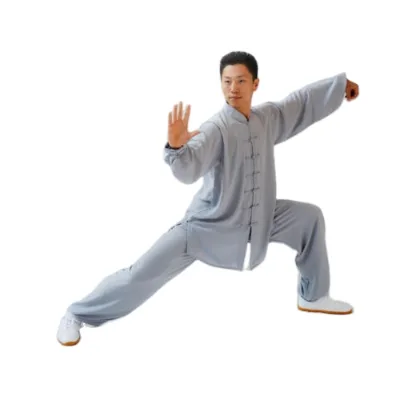
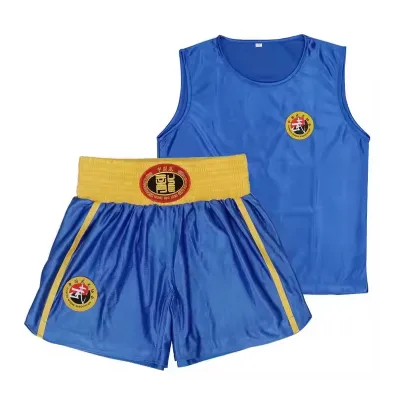
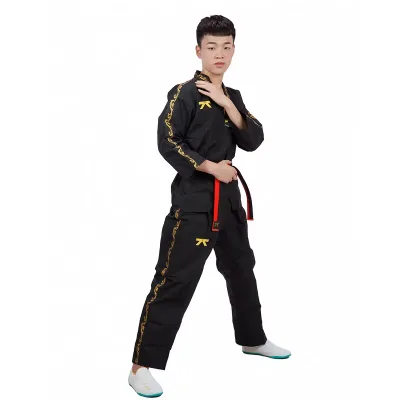
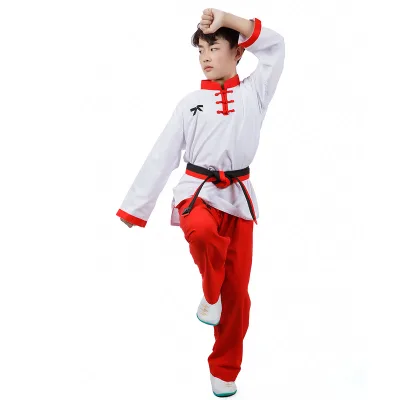
Comprehensive Sourcing Guide
Unisex Kungfu Suit Sourcing Guide
Sourcing a Unisex Kungfu Suit requires navigating a market where specific material blends and regional manufacturing capabilities define the final product's performance. The available data indicates a diverse range of options, from traditional cotton and linen blends to modern synthetic mixes like polyester, cotton, and spandex. Buyers must recognize that the "unisex" designation often implies a standardized sizing approach, yet the actual fit can vary significantly based on whether the garment is designed for high-mobility training or traditional ceremonial wear. Understanding these material distinctions is the first step in aligning procurement with the intended use case, whether it is for rigorous martial arts training or general wushu practice.
Commercial terms and supply chain logistics are equally critical, as the observed market shows a wide variance in minimum order quantities and lead times. While some suppliers support sample orders with a seven-day turnaround, others do not, and minimum order quantities can range from as low as 10 pieces to 200. This disparity necessitates a clear strategy for initial sampling versus bulk production. Buyers should prioritize suppliers who offer flexible sample policies to validate quality before committing to larger volumes, ensuring that the transition from prototype to mass production is seamless and cost-effective.
Product Scope and Observed Listing Signals
The product scope for unisex kungfu suits in the current market is defined by a mix of traditional aesthetics and modern functional requirements. Listings frequently highlight specific martial arts styles such as Kung Fu and Wushu, with materials ranging from natural fibers like cotton and linen to synthetic blends including polyester, spandex, and CVC. The observed color palettes are diverse, featuring solid options like black, white, blue, and red, as well as multi-color and yellow variations. This variety suggests that buyers can source suits tailored to specific school traditions or personal preferences, provided they verify the exact material composition against their durability and comfort needs.
Listing signals also reveal significant differences in packaging and branding capabilities, which are essential for B2B buyers looking to establish a private label or maintain brand consistency. Some suppliers offer OEM services with logo placement on the front, while others provide custom packing solutions ranging from cartons to wooden cases. The single package sizes vary from compact 20x10x5 cm units to larger 45x30x15 cm boxes, reflecting differences in garment weight and folding methods. Buyers must scrutinize these details to ensure that the packaging aligns with their shipping constraints and retail presentation standards, as these factors directly impact the final landed cost and customer experience.
Technical Specifications to Verify
Material composition is the primary technical specification that dictates the performance and longevity of a Unisex Kungfu Suit. The market offers distinct options, including a polyester and cotton blend, a spandex and polyester mix, and a traditional cotton and linen combination. Each material offers different benefits; for instance, spandex blends provide stretch and flexibility, which is crucial for dynamic movements, while cotton and linen offer breathability and a traditional feel. Buyers must verify the exact ratio of these materials to ensure the suit meets the specific physical demands of their training regimen, as a mismatch in material properties can lead to premature wear or discomfort during use.
Sizing and dimensional consistency are equally critical technical factors that require careful verification. While many listings offer a standard size range from XXS to XXXL, some suppliers provide customized sizing options to accommodate specific body types or uniform standards. The single gross weight of the products varies between 0.8 kg and 1.0 kg, which can influence shipping costs and the perceived quality of the fabric. Additionally, the single package dimensions differ based on the model, ranging from 20x20x5 cm to 45x30x15 cm. Buyers should request detailed size charts and weight specifications for each model to ensure that the ordered inventory will fit their target demographic and fit within their logistical parameters.
Compliance and Safety Documentation
Safety and compliance in the manufacturing of martial arts uniforms often involve specific quality control measures that go beyond standard textile production. One notable observation in the market is the presence of needle detection protocols, with some suppliers explicitly stating "Yes" for this safety feature. This is a critical verification point for buyers, as it ensures that no metal fragments remain in the finished garments, which could pose a safety hazard during intense physical activity. Buyers should explicitly request confirmation of needle detection processes and ask for documentation or certificates proving that this safety step is integrated into the production line for every batch.
Beyond physical safety, the supply chain's transparency regarding origin and production standards is vital for risk management. The observed products originate from various regions in China, including Guangdong, Guangxi, and Hebei, each potentially having different local regulatory environments and labor standards. While specific certification names are not provided in the current data, buyers should verify that the supplier adheres to international labor standards and environmental regulations relevant to their target market. Understanding the specific place of origin helps in assessing the reliability of the supply chain and the likelihood of consistent quality control across different production runs.
Cost Drivers and Commercial Terms
The cost structure for unisex kungfu suits is heavily influenced by the complexity of the material blend and the level of customization required. Suppliers offering OEM services with custom logos and specific color combinations may command higher prices than those selling standard stock items. The observed price range of $0.45 to $39 USD reflects this spectrum, where lower prices likely correspond to basic polyester or cotton blends with minimal customization, while higher prices may indicate premium materials like high-quality linen or complex multi-color designs. Buyers must balance their budget constraints with the desired quality and branding features to determine the optimal price point for their specific procurement needs.
Commercial terms, particularly Minimum Order Quantity (MOQ) and lead times, are significant cost drivers that affect cash flow and inventory planning. The market shows a wide MOQ range from 10 pieces to 200 pieces, allowing for flexibility in initial orders but potentially increasing the unit cost for smaller batches. Lead times also vary, with some suppliers supporting sample orders in seven days while others do not, and bulk production lead times are not explicitly defined in the provided data. Buyers should negotiate clear terms regarding sample availability, bulk production timelines, and payment schedules to avoid delays and ensure that the supply chain can meet their demand cycles without incurring unexpected expedited shipping costs.
Supplier Qualification and Quality Control
Supplier qualification should begin with a thorough assessment of their production capacity and supply ability. The data indicates that some suppliers have a supply ability of 10,000 tons per month, suggesting a robust capacity for large-scale orders, while others may operate on a smaller scale. Buyers must verify that the supplier's capacity aligns with their projected demand to avoid bottlenecks during peak seasons. Additionally, the presence of specific model numbers like WSF566, KF66, and WSF679 indicates a structured product line, which can be a positive sign of an organized manufacturing process. Buyers should request production capacity reports to ensure the supplier can handle their volume requirements without compromising quality.
Quality control processes must be rigorously evaluated to ensure consistency across all units. The observation of needle detection as a standard feature in some listings highlights the importance of in-line quality checks. Buyers should inquire about the supplier's full quality control protocol, including fabric inspection, stitching integrity, and color fastness testing. The availability of samples is another key indicator of a supplier's confidence in their product; those offering samples allow buyers to physically inspect the material, fit, and finish before committing to a bulk order. Establishing a clear quality assurance framework with the supplier is essential to maintain the brand's reputation and ensure customer satisfaction.
Long-Term Procurement Checks
Long-term procurement success depends on the supplier's ability to maintain consistency in product specifications and delivery schedules over time. Buyers should establish a system for periodic quality audits and performance reviews to ensure that the supplier continues to meet the agreed-upon standards. The variation in place of origin, such as Guangdong, Guangxi, and Hebei, suggests that buyers may need to monitor different production facilities to ensure that quality remains uniform regardless of where the goods are manufactured. Regular communication and site visits can help identify potential issues early and foster a collaborative relationship that supports continuous improvement.
Finally, buyers must plan for scalability and adaptability in their supply chain to respond to market changes. The diverse range of materials and styles available indicates that consumer preferences may shift, requiring the ability to source different product variations quickly. Suppliers who offer customized sizes and flexible packaging options are better positioned to adapt to these changes. Buyers should develop a strategic partnership with suppliers who demonstrate flexibility in their production processes and a willingness to innovate. This approach ensures that the procurement strategy remains resilient and capable of supporting the long-term growth of the business in the competitive martial arts apparel market.
FAQs
What materials are used for unisex kungfu suits?
Unisex kungfu suits are typically crafted from durable blends such as polyester and cotton, spandex and polyester, or cotton and linen. Some variants utilize CVC fabric for specific performance needs. These materials ensure comfort and flexibility during martial arts training, accommodating various climate conditions and movement requirements for adult practitioners.
Can I get a sample order for unisex kungfu suits?
Sample availability depends on the specific model and supplier. Some manufacturers support 7-day sample order lead times, while others do not support samples at all. It is essential to verify the sample policy for each model, such as WSF566 or WS002, before placing a bulk order to ensure the product meets your quality expectations.
What sizes are available for unisex kungfu uniforms?
Standard sizes typically include XS, XXS, S, M, L, XL, XXL, and XXXL. Some suppliers also offer customized sizing options to fit specific body measurements. The unisex design ensures versatility for both male and female adults, allowing for a consistent fit across different body types while maintaining the traditional aesthetic of martial arts attire.
What is the minimum order quantity for kungfu suits?
The minimum order quantity generally starts at 10 pieces for many suppliers. However, some vendors may require up to 200 pieces depending on the customization level and production capacity. Buyers should confirm the specific MOQ with the manufacturer, as it varies by model and whether the order involves standard or custom branding and packaging.
Where are unisex kungfu suits manufactured?
These suits are primarily manufactured in China, with production facilities located in provinces such as Guangdong, Guangxi, and Hebei. The supply type often includes OEM services, allowing buyers to customize logos and designs. The place of origin indicates the manufacturing hub, ensuring access to established textile and garment production infrastructure for martial arts apparel.
What colors are available for unisex kungfu uniforms?
Common color options include black, white, blue, red, green, yellow, and multi-color variants. Specific models may offer limited palettes, such as black, yellow, and blue, or white, blue, red, and green. Buyers can often select colors based on team requirements or personal preference, with some suppliers providing custom color matching for bulk orders.