Source Aquaculture Aquatic Animal Probiotic for Shrimp, Fish, and Water Quality
Find and compare 27 Aquaculture Aquatic Animal Probiotic products from global suppliers. Evaluate options based on bacterial strains, packaging, and origin to support healthy growth and water management in shrimp and other aquatic organisms.
Key considerations
Products List


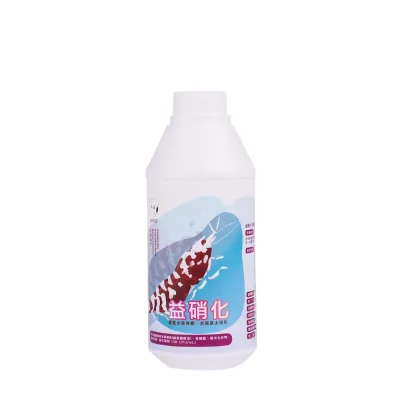
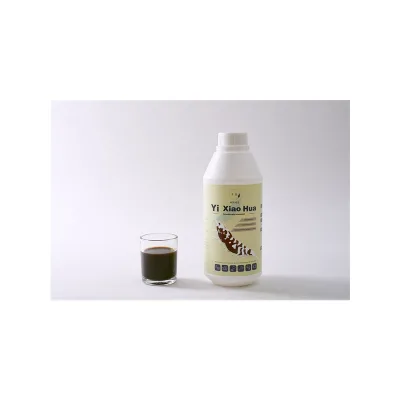
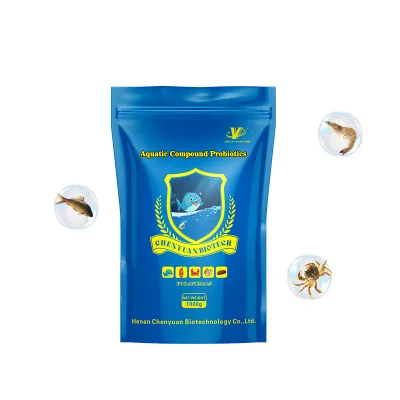
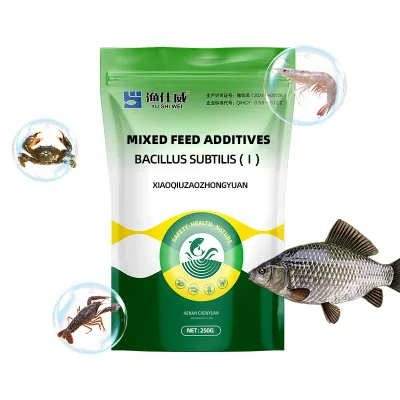


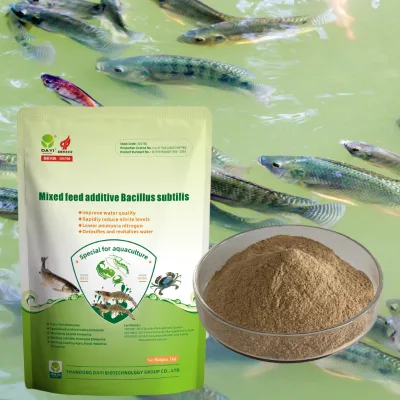
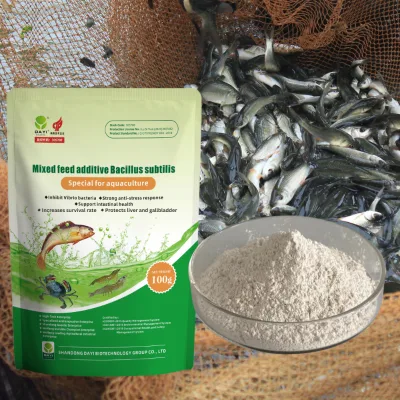
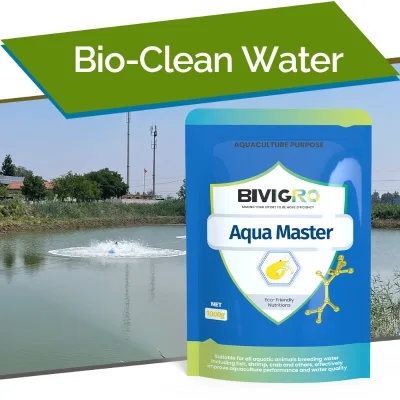

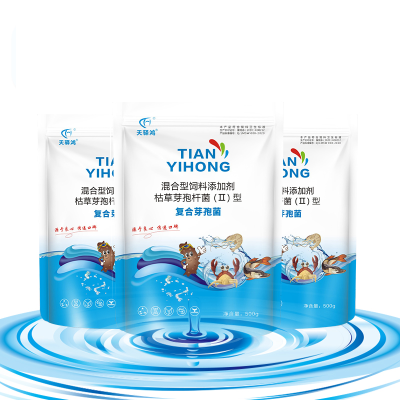


Comprehensive Sourcing Guide
Aquaculture Aquatic Animal Probiotic Sourcing Guide
Sourcing high-quality probiotics for aquaculture requires a nuanced understanding of microbial strains, formulation stability, and supply chain reliability. The market for aquatic animal probiotics is diverse, ranging from single-strain powders to complex blends designed to enhance water quality and boost the immune systems of shrimp, fish, and other aquatic organisms. Buyers must navigate a landscape where product efficacy is heavily dependent on the viability of the bacteria at the time of application, making the verification of shelf life, storage conditions, and packaging integrity critical decision points. This guide provides a structured approach to evaluating suppliers, interpreting technical specifications, and ensuring that the selected probiotic products align with both operational needs and regulatory compliance standards.
The procurement process for these biological products differs significantly from traditional chemical inputs due to the living nature of the active ingredients. Buyers must prioritize suppliers who demonstrate robust quality control measures, including consistent batch testing and clear documentation of strain identification. Furthermore, the global nature of the aquaculture supply chain means that origin, logistics, and storage capabilities are just as important as the biological specifications. This guide focuses on helping procurement professionals make informed decisions by breaking down the key areas of product scope, technical verification, compliance, cost structures, supplier qualification, and long-term management strategies.
Product Scope and Observed Listing Signals
The current market for aquaculture probiotics exhibits a wide range of product types, primarily categorized by their microbial composition and intended application. Observed listings indicate a strong presence of products containing Bacillus species, Clostridium species, and Lactobacillus species, which are commonly used to improve gut health and water quality. Additionally, there are specialized formulations featuring nitrifying bacteria, which play a crucial role in the nitrogen cycle within aquaculture systems by converting toxic ammonia into less harmful nitrites and nitrates. Some products are also marketed with health features such as immunity boosting and nutritional promotion, targeting specific life stages of aquatic animals, from larvae to adult shrimp and fish.
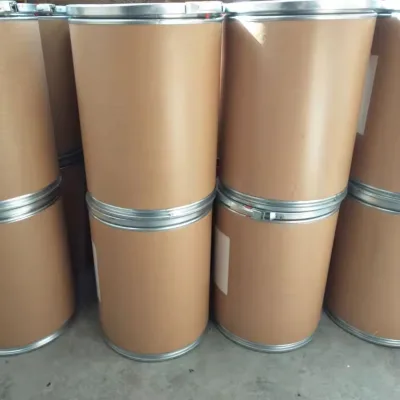
Pricing and minimum order quantities (MOQs) vary significantly based on the concentration of viable bacteria, the complexity of the formulation, and the packaging format. The observed price range spans from approximately $0.85 to $800 per unit, reflecting the difference between bulk industrial-grade powders and smaller, specialized retail or pilot-scale packages. MOQs typically range from 1 to 500 units, offering flexibility for both small-scale hatcheries and large commercial farms. Buyers should note that products are often packaged in bags or drums, with standard weights of 1kg or 25kgs, and single package sizes varying from small boxes to larger cartons, which impacts shipping costs and storage requirements.
Technical Specifications to Verify
When evaluating technical specifications, the first priority is to verify the bacterial count and strain specificity. High-quality probiotics should clearly state their colony-forming units (CFU) per gram, with observed listings indicating counts ranging from 20 to 300 billion CFU/g. Buyers must ensure that the product label accurately reflects the active ingredients, such as Bacillus sp., Clostridium sp., or Lactobacillus sp., and that these strains are known to be effective for the specific aquatic species being farmed. Additionally, the form of the product, whether it is a powder, liquid, or granule, should be compatible with the intended application method, such as water splashing or feed mixing, to ensure optimal dispersion and survival of the bacteria.
Shelf life and storage conditions are critical technical factors that directly impact product efficacy. Probiotics are sensitive to heat and moisture, so buyers must verify that the supplier guarantees a shelf life of at least 12 months to 3 years, depending on the formulation and packaging. The observed data indicates that many products require storage in cool, dry places to maintain viability. Buyers should also check the single gross weight and package dimensions to calculate accurate freight costs and storage space requirements. It is essential to confirm that the product grade is suitable for animal feed or direct water treatment, as indicated by labels such as "Animal Feed Grade," to ensure safety and regulatory compliance.
Compliance and Safety Documentation
Compliance with international and local regulations is a non-negotiable aspect of sourcing aquaculture probiotics. Buyers must request documentation that verifies the product meets relevant safety standards, including ISO certification where applicable, which indicates a standardized quality management system. It is crucial to obtain certificates of analysis (COA) for each batch, which should detail the microbial count, purity, and absence of harmful contaminants such as heavy metals, pathogens, or antibiotics. These documents serve as proof that the product is safe for use in aquatic environments and does not pose a risk to the farmed animals or the surrounding ecosystem.
In addition to product-specific certifications, buyers should verify the supplier’s adherence to good manufacturing practices (GMP) and other relevant industry standards. This includes checking for proper labeling that includes the product name, brand, main ingredients, CAS numbers, and usage instructions. For products originating from specific regions, such as Taiwan or Henan, China, buyers should be aware of any regional regulatory requirements that may apply to imports or exports. Ensuring that the supplier provides clear and accurate documentation helps mitigate legal risks and ensures that the products can be smoothly integrated into the buyer’s supply chain without regulatory hurdles.
Cost Drivers and Commercial Terms
The cost of aquaculture probiotics is influenced by several factors, including the concentration of active bacteria, the complexity of the formulation, and the packaging materials used. High-CFU products and those with specialized strain combinations typically command higher prices due to the increased production and quality control costs involved. Buyers should also consider the impact of packaging on overall costs; for instance, products packaged in drums may offer better value for large-scale operations, while smaller bags may be more suitable for trial orders or smaller farms. Additionally, the origin of the product can affect pricing due to differences in labor costs, raw material availability, and transportation expenses.
Commercial terms, such as payment methods, shipping terms, and lead times, play a significant role in the total cost of ownership. Buyers should negotiate clear terms regarding MOQs, discounts for bulk purchases, and penalties for delays or quality issues. It is important to clarify whether the quoted price includes shipping and insurance, or if these costs are additional. Understanding the supplier’s production capacity and lead times is also crucial for planning inventory levels and avoiding stockouts. Buyers should seek suppliers who offer flexible payment options and transparent pricing structures to facilitate smoother transactions and better cash flow management.
Supplier Qualification and Quality Control
Supplier qualification is a critical step in ensuring the reliability and consistency of the probiotic supply. Buyers should conduct thorough due diligence on potential suppliers, including verifying their business licenses, production facilities, and quality control systems. It is advisable to request samples for testing before placing large orders to assess the product’s viability and effectiveness. Buyers should also evaluate the supplier’s ability to provide consistent quality across batches, which can be indicated by their adherence to standardized production processes and regular internal audits.
Quality control measures should extend beyond the initial product testing to include ongoing monitoring and feedback mechanisms. Buyers should establish clear communication channels with suppliers to report any issues and request corrective actions if necessary. It is also important to verify the supplier’s ability to handle logistics and storage properly, as improper handling can compromise the viability of the probiotics. Buyers should look for suppliers who offer technical support and guidance on product usage, as this can help optimize the effectiveness of the probiotics and address any operational challenges.
Long-Term Procurement Checks
Long-term procurement success depends on continuous monitoring and evaluation of supplier performance and product efficacy. Buyers should establish key performance indicators (KPIs) to track metrics such as delivery times, product quality, and customer satisfaction. Regular reviews of these metrics can help identify potential issues early and allow for proactive adjustments to the procurement strategy. Additionally, buyers should stay informed about industry trends and technological advancements in probiotic formulations to ensure that they are sourcing the most effective and efficient products available.
Building strong relationships with suppliers is also essential for long-term success. Buyers should engage in open and transparent communication with their suppliers, sharing feedback and collaborating on improvements. This can lead to better product development, more favorable pricing, and improved service levels. Furthermore, buyers should diversify their supplier base to mitigate risks associated with supply chain disruptions. By maintaining a robust and flexible procurement strategy, buyers can ensure a steady supply of high-quality aquaculture probiotics that support the health and productivity of their aquatic animals.
FAQs
What are the main ingredients in these probiotics?
The main ingredients include Nitrifying bacteria, Bacillus sp., Clostridium sp., and Lactobacillus sp. These formulations are designed to support aquatic organisms and shrimp. The products are available in various forms such as green powder or liquid solutions. They serve as nutritional supplements to promote healthy growth and improve nutrition absorption in aquatic environments.
Can these probiotics be customized for specific needs?
Yes, customization is available for these probiotic products. Buyers can request specific modifications to meet unique aquaculture requirements. The products are suitable for all countries and the world market. This flexibility allows for tailored solutions that address specific health features and bacterial counts required for different aquatic life stages.
What certifications do these products hold?
These products hold ISO certification, ensuring quality and safety standards are met. This certification applies to the manufacturing processes and product consistency. It provides assurance for buyers in the global market who require verified quality controls. The ISO standard helps maintain reliability in the supply chain for aquatic animal probiotics used in various applications.
How are the products packaged and shipped?
Products are packaged in bags or drums, with standard sizes of 1kg or 25kgs. Single package sizes vary, such as 30x27x16 cm or 48x33x22 cm. The port of dispatch includes Taichung and Kaohsiung Port for Taiwan origins, and Weifang for other origins. This ensures secure handling and efficient logistics for international buyers requiring specific packaging formats.
What is the shelf life of these probiotics?
The shelf life varies, with some products lasting up to 3 years and others 12 months. Proper storage in a cool, dry place is recommended to maintain efficacy. The bacterial count ranges from 20 to 300 billion CFU/g. Buyers should check specific product specifications for exact shelf life details to ensure optimal performance when used in aquaculture settings.
Which aquatic animals can these probiotics be used for?
These probiotics are applicable for shrimp and other aquatic organisms. They are designed to support various life stages, including all stages of growth. The health features focus on promoting healthy growth and nutrition. This versatility makes them suitable for diverse aquaculture applications, helping to maintain water quality and support the immune systems of different aquatic species.