Source Aquaculture Probiotics for Shrimp, Poultry, and Livestock
Find 22 Aquaculture Probiotics options for shrimp, poultry, and livestock applications. Compare specifications including bacterial counts, certifications, and packaging to select suitable nutrition enhancers and growth promoters for your farming needs.
Key considerations
Products List


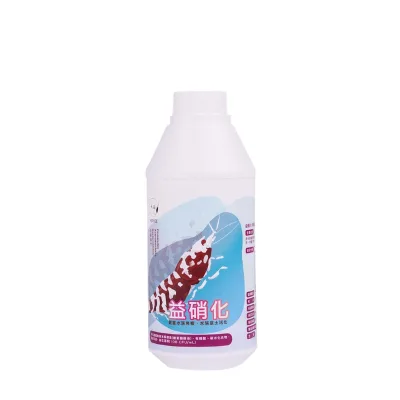


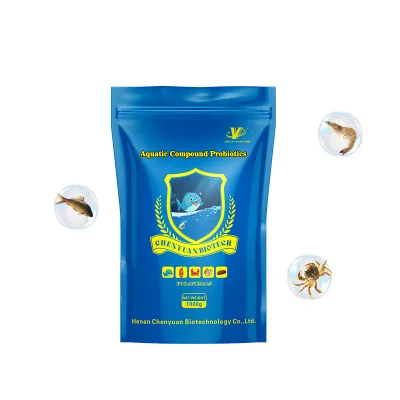



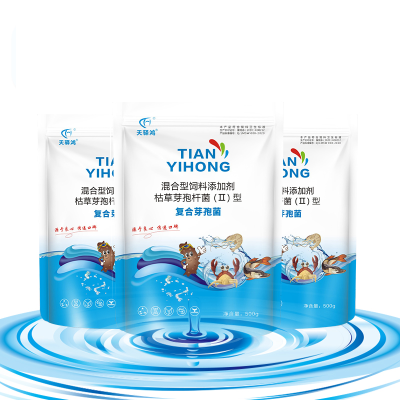


Comprehensive Sourcing Guide
Aquaculture Probiotics Sourcing Guide
Navigating the global market for Aquaculture Probiotics requires a disciplined approach to distinguishing between general health supplements and targeted biological agents designed for specific aquatic environments. The supply chain for these products is fragmented, ranging from small-batch manufacturers in China to specialized producers in Taiwan, each offering distinct formulations such as nitrifying bacteria, coenzymes, and broad-spectrum growth promoters. Buyers must recognize that while the core keyword implies a singular product category, the actual market listings reveal a diverse array of shapes, including powders and liquids, and varying bacterial counts that directly impact efficacy in shrimp farming and other aquatic applications.
Successful procurement begins with understanding that product attributes like "Power" or "Powder" shape and specific bacterial counts, such as the observed 20–300 billion CFU/g, are not universal standards but specific observations of listed items. A buyer must verify whether a supplier's "Coenzyme" classification or "Natural Antibacterial" type aligns with their specific water quality management goals, as the market includes options ranging from simple nutrition enhancers to complex algae control agents. This distinction is critical because the functional claim of "Keeping Health and Promoting Growth" must be backed by the specific strain and concentration listed in the product specifications to ensure the intended biological outcome in the target breed size.
Product Scope and Observed Listing Signals
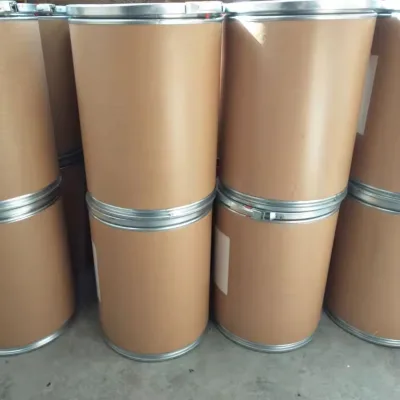
The observed product scope in the current market demonstrates a wide variance in packaging and physical form, which directly influences logistics and storage requirements for the buyer. Listings indicate that products are available in flexible packages, bags, drums, and cartons, with standard weights ranging from 1kg to 25kgs, though some specific items are packaged as 500g/bag or 5-liter bottles. This variability necessitates a clear definition of the required unit size before engaging with suppliers, as the "Single package size" of 48x33x22 cm and "Single gross weight" of 0.520 kg suggest that some SKUs are optimized for individual retail or small-scale distribution rather than bulk industrial application.
Buyers must also scrutinize the origin and market designation signals, as products are listed with origins in Weifang, China, Henan, China, and Taiwan, with dispatch ports including Taichung and Kaohsiung. The "Market" attribute is frequently listed as "All The Countries" or "World," yet the specific "Place Of Origin" dictates the regulatory environment and potential import restrictions for the buyer's region. Furthermore, the "Life stage" is noted as "Other" in some listings, while others specify "Shrimp" as the applicable pet or breed size, requiring the procurement team to match the biological target of the probiotic with the specific life cycle stage of their aquatic stock to avoid ineffective treatment.
Technical Specifications to Verify
Technical verification must focus on the precise model numbers and standard definitions provided in the product data, as these identifiers often correlate with specific bacterial strains and concentrations. Buyers should cross-reference model codes such as "AB," "YXOW-AP," "AP," "Algae Control," "Nutri Feed," and "BS-GA28" against the supplier's technical datasheets to confirm the active ingredient, which may be nitrifying bacteria or a coenzyme formulation. The "Standard" field varies significantly between 1kg, 25kgs, 500g/bag, and 1000 gram/pack, and these specifications must be aligned with the buyer's inventory capacity and application rate to ensure the correct dosage is delivered per unit of water volume.
Critical technical parameters include the "Bacteria Count," which in observed listings ranges from 20 to 300 billion CFU/g, and the "Storage Method," which is listed as either "Frozen" or requiring a "Cool and Dry Place, Avoid Sunlight." These storage requirements are non-negotiable for maintaining viability, as the "Shelf Life" is stated as greater than 12 months only under specific conditions. Additionally, the "Shape" of the product, whether "Powder" or liquid, affects the ease of mixing and distribution in aquaculture systems, and the "Main Ingredient" must be confirmed as the specific bacterial type required for the intended water treatment or feed enhancement application.
Compliance and Safety Documentation
Compliance verification in the aquaculture sector requires a rigorous review of certification status, as the market listings show a mix of ISO and GMP certifications, with some products explicitly stating "No" for allergens. Buyers must request the "Certificate of Analysis" for every batch, as this document is listed as "Available" for certain products but is essential for validating the actual bacterial count and purity against the claimed specifications. The presence of "Environmental Protection: Yes" as an attribute suggests a potential regulatory advantage, but this claim must be substantiated by third-party testing results to ensure the product does not introduce harmful residues into the aquatic ecosystem.
Safety documentation must also address the "Antibacterial Type" and "Growth Promoting Type," which are listed as "Natural Antibacterial" and "Broad-spectrum Antibiotics" respectively in some contexts. This distinction is vital for regulatory compliance, as the use of antibiotics in aquaculture is heavily restricted in many jurisdictions, and a product claiming to be a "Natural Antibacterial" must be verified to ensure it does not contain prohibited chemical compounds. The "Function" of the product, whether described as "Keeping Health and Promoting Growth" or "Nutrition Enhancer," must be supported by safety data sheets that confirm the product is safe for the specific "Applicable Pet" or aquatic animal being treated.
Cost Drivers and Commercial Terms
Cost drivers in the Aquaculture Probiotics market are heavily influenced by the complexity of the formulation, the bacterial concentration, and the specific packaging requirements. The observed price range of 0.85 to 800 USD reflects the disparity between bulk raw materials and specialized, high-concentration formulations, while the "MOQ" range of 1 to 500 units indicates that suppliers cater to both small-scale trials and large-scale commercial operations. Buyers should analyze the cost per unit of active bacteria rather than the total package price, as a lower price per bag may result in a higher cost per billion CFU if the concentration is lower than a competitor's offering.
Commercial terms must be carefully negotiated regarding the "Port of dispatch," which varies between Chinese ports and Taiwanese ports like Taichung and Kaohsiung, affecting shipping costs and lead times. The "Selling Units" are listed as "Single item" in some cases, which may imply a retail-ready format, while others are likely sold in bulk drums or bags. Buyers should clarify whether the quoted price includes the "Standard" packaging weight or if additional fees apply for specialized "Flexible Package" or "Carton" options, and ensure that the "Lead Time" is defined clearly to prevent delays in restocking critical biological agents for their aquaculture operations.
Supplier Qualification and Quality Control
Supplier qualification should prioritize manufacturers with verifiable origins in regions known for aquaculture feed production, such as Weifang, Henan, or Taiwan, and those who can demonstrate consistent adherence to ISO and GMP standards. The "Brand Name" "heryee" is observed in the listings, but buyers should not rely on brand recognition alone; instead, they must audit the supplier's production facilities to ensure they maintain the "Storage Method" and environmental controls necessary to preserve bacterial viability. Quality control protocols must include regular testing of the "Bacteria Count" and "Main Ingredient" to ensure that the product delivered matches the "Specification" of the ordered model, such as "Bacillus Subtilis powder."
Quality control also extends to the "Product Packing" integrity, as the "Standard" of 1kg or 25kgs must be maintained throughout the supply chain to prevent contamination or moisture ingress. Buyers should require a "Certificate of Analysis" for every shipment to verify that the "Allergens" are absent and that the "Function" claims are supported by the actual composition of the batch. The "Shape" of the product, whether powder or liquid, must be consistent with the supplier's quality assurance records, and any deviation from the expected physical characteristics should trigger an immediate rejection or investigation to prevent the introduction of compromised biological agents into the farm.
Long-Term Procurement Checks
Long-term procurement success depends on establishing a continuous verification loop for product performance and supplier reliability, particularly given the "Shelf Life" of greater than 12 months which requires careful inventory management. Buyers should implement a system to track the "Storage" conditions of their stock, ensuring that products stored in "Cool and Dry Places" or "Frozen" environments maintain their viability over time, as degradation can render even high-count probiotics ineffective. Regular re-testing of retained samples against the original "Certificate of Analysis" is essential to confirm that the "Bacteria Count" has not dropped below the minimum threshold required for effective treatment.
Sustainability and regulatory compliance must be monitored continuously, as the "Environmental Protection" status and "Antibacterial Type" may be subject to changing international regulations. Buyers should maintain open communication with suppliers to stay informed about updates to the "Standard" or "Classification" of their products, ensuring that the "Applied animal classification" remains valid for their specific "Breed Size" and "Life stage." Finally, the "Market" reach of the supplier, whether "All The Countries" or specific regions, should be evaluated to ensure they can support the buyer's long-term expansion plans without facing supply chain disruptions or export restrictions.
FAQs
What certifications do Aquaculture Probiotics typically have?
Aquaculture Probiotics often carry ISO and GMP certifications to ensure quality and safety standards are met. These credentials indicate that the manufacturing processes adhere to strict regulatory requirements. Buyers should verify specific certificates of analysis to confirm product purity and efficacy before placing orders.
How is Aquaculture Probiotics packaging handled?
Packaging options include bags, drums, flexible packages, and cartons depending on the supplier. Standard weights often range from 1kg to 25kgs, with some products offered in 500g bags or 5-liter bottles. Proper storage in cool, dry places away from sunlight is recommended to maintain bacterial viability and product shelf life.
Can Aquaculture Probiotics be customized for specific needs?
Yes, customization is available for many aquaculture probiotic products to suit specific application requirements. Manufacturers may offer tailored specifications such as bacterial counts ranging from 20 to 300 billion CFU per gram. Buyers should communicate their specific health features or functional needs to suppliers to ensure the product meets their operational goals.
What is the typical MOQ for Aquaculture Probiotics?
The minimum order quantity for Aquaculture Probiotics generally ranges from 1 to 500 units. This flexibility allows buyers to test products with smaller initial orders before committing to larger volumes. Specific MOQs may vary based on packaging type, such as single items or bulk drums, so confirming with the supplier is essential.
Where are Aquaculture Probiotics typically sourced from?
Aquaculture Probiotics are commonly sourced from regions like China, Taiwan, and Weifang. Suppliers in these locations offer various models including AB, YXOW-AP, and AP types. Buyers can dispatch orders from ports such as Taichung or Kaohsiung, ensuring efficient logistics for international trade and timely delivery to global markets.
What functions do Aquaculture Probiotics serve?
These products primarily function to keep health and promote growth in aquatic animals. They act as nutrition enhancers and contain main ingredients like nitrifying bacteria. Applications extend to poultry, livestock, and aquatic animals, with specific models designed for algae control or as broad-spectrum antibacterial agents to support overall farm productivity.