Source Natural Haematococcus Pluvialis Astaxanthin Powder for Medicine, Health Care Products, Food
Find 30 listings for Natural Haematococcus Pluvialis Astaxanthin Powder with varying concentrations and certifications. Buyers can compare specifications, packaging options, and assay methods to select suitable suppliers for Medicine, Health Care Products, and Food applications.
Key considerations
Products List


Wellgreen Supply Natural Haematococcus Pluvialis Extract Astaxanthin Powder
$115.00 - $155.00
MOQ: 1 kg


High Quality Natural Haematococcus Pluvialis Extract Food Grade Astaxanthin
$115.00 - $175.00
MOQ: 1 kg




Comprehensive Sourcing Guide
Strategic Sourcing Guide for Natural Haematococcus Pluvialis Astaxanthin Powder
Understanding Product Specifications and Variants
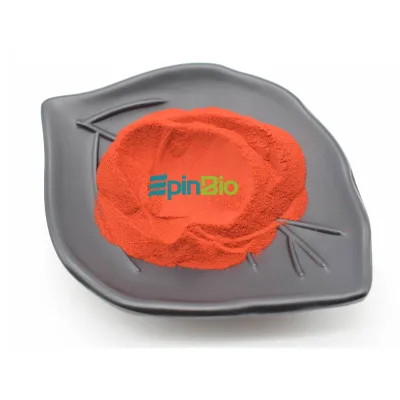
The procurement of Natural Haematococcus Pluvialis Astaxanthin Powder requires a precise understanding of the diverse specifications available in the market. Unlike synthetic alternatives, natural astaxanthin is derived specifically from the microalgae Haematococcus Pluvialis, a fact that is central to its market value and regulatory classification. Buyers must recognize that the raw material exists in various forms, primarily distinguished by concentration, physical state, and extraction methodology. The observed product attributes indicate that the material is typically supplied as a powder, though oil-based formulations are also present in the supply chain. The physical appearance is frequently described as a dark red or fuchsia powder, a visual indicator of the pigment's concentration and purity.
Concentration levels vary significantly across different product listings, ranging from low percentages such as 1% up to highly concentrated forms like 96% powder or oil. Standard specifications often include a spectrum of concentrations including 1%, 1.5%, 2%, 2.5%, 3%, 3.5%, 5%, and 10%. Some suppliers offer specialized grades where the standard is defined as 0.5% to 10%, or specifically 96% powder/oil. This variance necessitates that buyers clearly define their required potency before initiating a search. The extraction type is predominantly solvent extraction, which is a standard industry method for isolating the carotenoid from the algal biomass. The part of the plant used is consistently identified as the Haematococcus Pluvialis itself, ensuring the natural origin of the compound.
| Specification Attribute | Observed Market Range | Verification Requirement |
|---|---|---|
| Concentration (Standard) | 1% to 10%, 96% Powder/Oil | Confirm specific % required for application |
| Physical State | Powder, Oil | Verify form matches processing needs |
| Color Appearance | Dark Red, Fuchsia | Visual inspection of sample |
| CAS Number | 472-61-7 | Mandatory for chemical identification |
| Extraction Type | Solvent Extraction | Confirm method aligns with clean-label goals |
Buyers should note that the product model identifiers, such as xl091904 or xl4102212, serve as internal tracking codes for specific batches or formulations. While these codes are useful for inventory management, they do not replace the need for verifying the actual chemical composition and assay results. The nutrient composition is often categorized under vitamins or natural resources, reinforcing its classification as a dietary supplement ingredient.
Compliance, Certification, and Regulatory Alignment
Navigating the regulatory landscape is critical when sourcing natural astaxanthin for medicine, health care products, or food applications. The supply chain for this ingredient is subject to rigorous quality assurance protocols, and the presence of specific certifications is a primary indicator of a supplier's reliability. Based on observed market data, high-confidence certifications include HACCP, ISO, BRC, and FDA. These certifications are not merely marketing terms but represent adherence to specific management systems for food safety and quality control.
The combination of certifications varies by supplier. Some listings indicate a triad of HACCP, FDA, and ISO, while others may list HACCP and BRC. The presence of FDA certification is particularly relevant for suppliers targeting the North American market, as it suggests compliance with U.S. Food and Drug Administration regulations. Similarly, ISO certification implies adherence to international standards for quality management, while BRC (British Retail Consortium) is a globally recognized standard for food safety. Buyers must verify that the specific certification listed applies to the facility producing the astaxanthin and covers the specific product form being purchased.
For applications in medicine and health care products, the regulatory bar is higher than for general food ingredients. The product standard often references assay methods such as UV (Ultraviolet) and HPLC (High-Performance Liquid Chromatography). These are the industry-standard analytical techniques used to quantify the astaxanthin content and verify the absence of contaminants. A supplier claiming a 10% concentration must be able to provide a Certificate of Analysis (CoA) generated via HPLC to substantiate this claim. The absence of these specific assay methods in a supplier's documentation should be treated as a red flag, regardless of the price point.
Cost Drivers and Minimum Order Quantities
The pricing structure for Natural Haematococcus Pluvialis Astaxanthin Powder is influenced by concentration, purity, and the scale of the order. The observed price range in the market spans from $1 to $699 USD, a wide variance that reflects the difference between low-concentration samples and high-purity bulk ingredients. It is important to understand that the unit price is rarely linear; a 96% pure powder will command a significantly higher price per kilogram than a 1% powder, even if the latter requires more material to achieve the same active ingredient dosage.
Minimum Order Quantities (MOQs) are another significant cost driver. The market exhibits a broad range of MOQs, from as low as 1 gram for sample testing up to 100 kilograms for bulk industrial orders. Specific listings show MOQs of 1g, 100g, 1kg, and 100g. This flexibility allows small businesses to test the market with minimal financial risk, while large manufacturers can secure bulk rates. However, buyers should be aware that ordering below the standard MOQ often incurs a premium or may not be available for certain high-concentration grades.
The production capacity of the supplier also plays a role in cost stability. One observed metric indicates a capacity of 5000kg per month. Suppliers with higher capacity are generally better positioned to handle large orders without significant lead time delays, which can indirectly affect the total cost of ownership. Buyers should assess whether the supplier's capacity aligns with their projected demand to avoid supply chain disruptions. Additionally, the packaging format, such as 25kg drums or foil bags, impacts shipping costs and storage requirements, which must be factored into the total landed cost.
Typical Applications and Formulation Considerations
The versatility of natural astaxanthin powder makes it suitable for a wide array of applications, primarily in the medicine, health care products, and food sectors. The application form is a critical consideration for buyers, as the physical properties of the powder dictate how it can be incorporated into final products. Observed application forms include capsules, tablets, and lotions. This indicates that the powder is versatile enough to be used in oral supplements as well as topical skincare formulations.
For oral supplements, the powder is typically encapsulated or compressed into tablets. The presence of "Capsule" and "Tablet" as listed application forms suggests that the powder has good flow properties and stability suitable for these manufacturing processes. In the case of lotions, the powder must be compatible with emulsion systems, which may require specific dispersion techniques or the use of oil-based carriers. The storage requirements, specified as a "Dry and Cool Place" or "Cool and Dry Place," are essential to maintain the stability of the astaxanthin, which is sensitive to light, heat, and oxygen.
The shelf life of the product is another key factor in application planning. A typical shelf life of 2 years under proper storage conditions is observed. This duration allows for a reasonable lead time from procurement to final product manufacturing and distribution. However, buyers must ensure that their own storage facilities meet the specified conditions to prevent degradation. The resource classification as "Natural" is a significant selling point for consumers seeking clean-label products, and this attribute should be leveraged in marketing strategies for the final product.
Supplier Evaluation and Quality Control Protocols
Evaluating a supplier for natural astaxanthin requires a multi-faceted approach that goes beyond price and certification. The origin of the product is a critical factor, with observed origins including Shaanxi, China, and generally China. While the region provides context, the specific manufacturing facility's track record is more important. Buyers should request detailed information about the extraction process, specifically confirming the use of solvent extraction and ensuring that the solvents used are food-grade and fully removed in the final product.
Quality control is paramount, and the assay method is the primary tool for verification. The use of HPLC and UV methods for assay is standard, and buyers should insist on CoAs that detail the results of these tests. The standard specifications, such as 1%-10% or 96% powder/oil, must be matched against the actual test results provided. Discrepancies between the stated standard and the assay results can indicate quality control issues or mislabeling. Furthermore, the part used must be verified as Haematococcus Pluvialis to ensure the natural origin of the astaxanthin.
Customization is a key attribute available in the market, allowing buyers to tailor the product to their specific needs. This may include customizing the concentration, packaging, or even the extraction method. The availability of customization suggests that the supplier has the flexibility to accommodate unique requirements, which is valuable for specialized applications. However, buyers should clarify the lead times and additional costs associated with custom orders. The sample availability, ranging from 10g to 20g, provides an opportunity for buyers to conduct their own quality checks before committing to a larger order.
Long-Term Procurement and Supply Chain Stability
Sourcing natural astaxanthin powder is not just a transactional activity but a strategic partnership that requires long-term planning. The stability of the supply chain is influenced by the supplier's capacity, which has been observed at 5000kg per month for some entities. This capacity level suggests that the supplier can support medium to large-scale operations, but buyers should verify if this capacity is consistent or if it fluctuates based on seasonal harvest cycles of the algae.
Storage and handling are critical for maintaining product integrity over the long term. The requirement for a "Dry and Cool Place" or "Cool and Dry Place" must be strictly adhered to by both the supplier and the buyer. Failure to maintain these conditions can lead to the degradation of the astaxanthin, resulting in reduced potency and potential safety issues. The packaging, which includes options like 25kg drums, foil bags, or cartons, plays a vital role in protecting the product from environmental factors. Buyers should evaluate the durability of the packaging and its suitability for their specific logistics and storage infrastructure.
Finally, the keyword "Haematococcus Pluvialis Extract" and "Astaxanthin Powder" are often used interchangeably, but buyers should ensure they are purchasing the exact form required for their application. The distinction between powder and oil, as well as the concentration levels, can significantly impact the formulation process. By maintaining a clear understanding of these specifications and verifying them through rigorous quality control, buyers can ensure a stable and reliable supply of high-quality natural astaxanthin for their products.
FAQs
What certifications are available for Natural Haematococcus Pluvialis Astaxanthin Powder?
High-confidence certifications include HACCP, ISO, BRC, and FDA. These standards indicate adherence to food safety and quality management systems required for medicine and health care applications.
Which concentration levels are standard for Natural Haematococcus Pluvialis Astaxanthin Powder?
Standard concentrations range from 1% to 10%, with specialized grades reaching 96% powder or oil. Specific assay methods like HPLC verify these potency levels against the stated product standards.
Can Natural Haematococcus Pluvialis Astaxanthin Powder be customized for specific needs?
Yes, customization is available for concentration, packaging, and extraction methods. Buyers can tailor the product to match specific application forms like capsules, tablets, or lotions.
How is Natural Haematococcus Pluvialis Astaxanthin Powder typically packaged?
Common packaging includes 25kg drums, foil bags, or cartons. Smaller quantities are often available in 1kg bags or less, depending on the order size and supplier capabilities.
What is the minimum order quantity for Natural Haematococcus Pluvialis Astaxanthin Powder?
Minimum order quantities vary from 1 gram for samples up to 100 kilograms for bulk orders. Specific listings show MOQs of 1g, 100g, or 1kg depending on the supplier.
Where is Natural Haematococcus Pluvialis Astaxanthin Powder typically sourced from?
The product origin is primarily Shaanxi, China. Suppliers in this region often have monthly capacities up to 5000kg to support medium to large-scale operations.
How should Natural Haematococcus Pluvialis Astaxanthin Powder be stored?
Store in a dry and cool place to maintain stability. Proper storage conditions are essential to preserve the 2-year shelf life and prevent degradation of the pigment.