Source Natural He Shou Wu Extract for food, health care, and supplements
Compare 30 listings for Natural He Shou Wu Extract from verified Chinese manufacturers. Buyers can review assay methods, packaging options, and certifications like HACCP and FDA to find suitable suppliers for food and health care applications; compare the available evidence and request quotations based on your requirements.
Updated
Key considerations
Products List


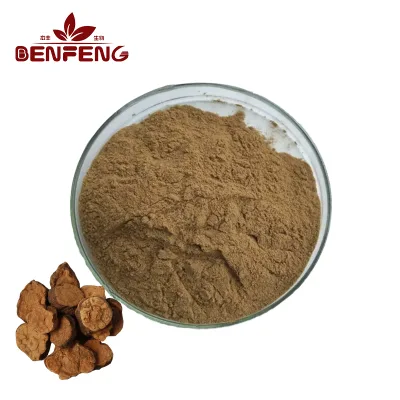
Pure Natural He Shou Wu Root Extract Health Care Polygonum Multiflorum Extract
$10.2125 - $15.3173
MOQ: 1 Minimum


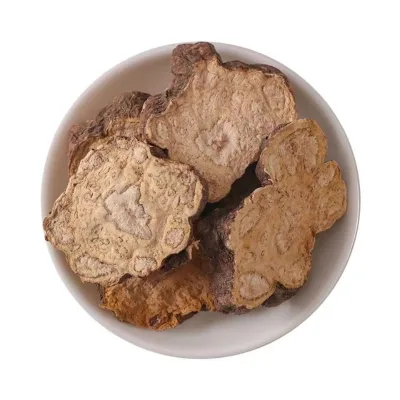
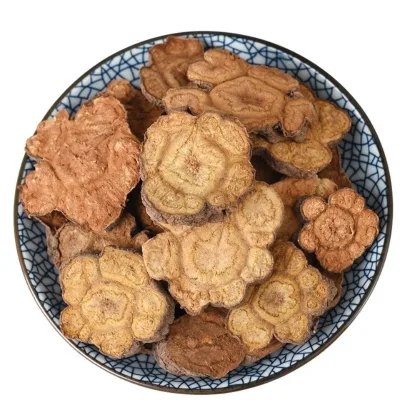
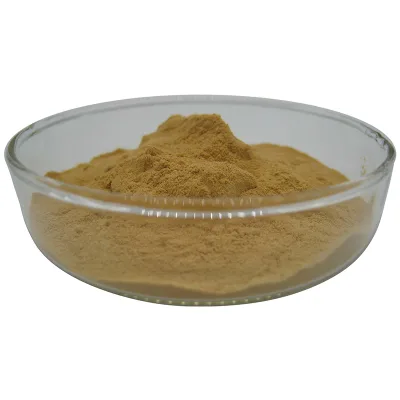


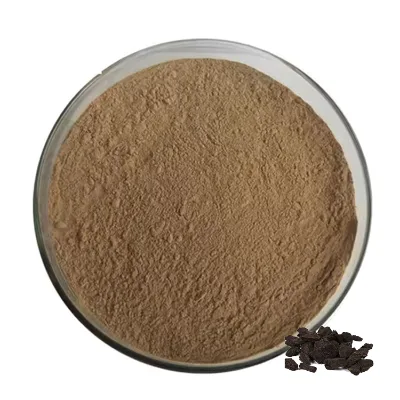
Polygonum Multiflorum Extract He Shou Wu Extract Powder for Hair Blacking
$8.2769 - $12.4161
MOQ: 1 Minimum


Comprehensive Sourcing Guide
Natural He Shou Wu Extract Sourcing Guide
Procuring Natural He Shou Wu Extract requires careful attention to botanical identity and processing methods, as the market offers diverse forms ranging from raw sliced herbs to concentrated powders. Buyers must distinguish between simple dried botanicals and standardized extracts, noting that observed listings include products labeled as "He Shou Wu Extract Powder" alongside raw sliced varieties. The botanical name Polygonum Multiflorum Thunb. is a critical identifier to ensure authenticity, while variations in processing—such as raw, dried, or specific extract models like YT0086 or Heshouwu series—directly impact potency and application suitability.
Sourcing decisions should also account for the physical state and packaging of the material, as observed data indicates a prevalence of powder forms with specific particle size requirements, such as not less than 95% passing an 80-mesh sieve. Packaging options typically include 1kg bags or 25kg drums, which influence handling and storage logistics. Additionally, the availability of customization and free samples, such as 20g free samples, allows buyers to verify quality before committing to larger orders, ensuring that the selected product meets specific formulation needs for health care or food applications.
Product Scope and Observed Listing Signals
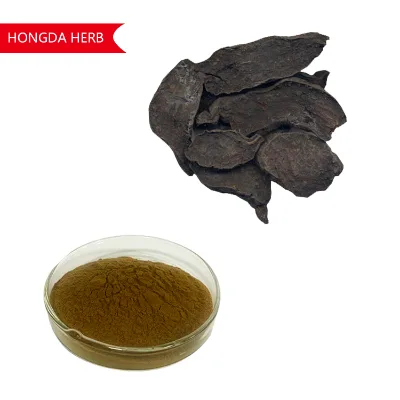
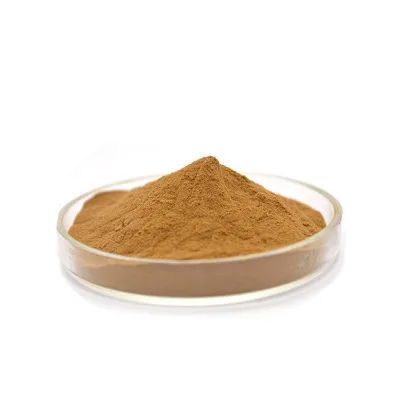
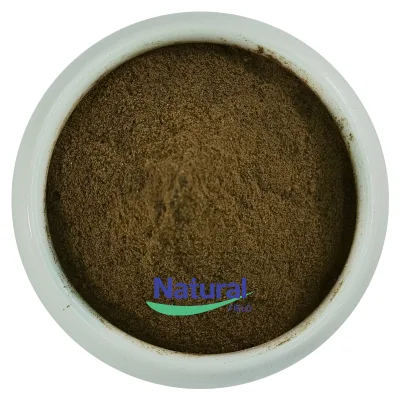
The product scope for Natural He Shou Wu Extract spans multiple categories, including health care products, food ingredients, and health foods, reflecting its versatile utility in the wellness industry. Observed listings highlight applications in both food and health sectors, with some products explicitly marketed for consumption. The color of the extract varies, with observations noting yellow-brown powders and black sliced forms, indicating different processing stages or botanical parts used. Buyers should align their procurement with the intended end-use, as the grade and form must match regulatory and formulation requirements for the specific market segment.
Listing signals also reveal significant variation in product models and standards, with observed standards ranging from 99% purity to 40% concentration, depending on the specific extract model. Products are often identified by specific codes such as Heshouwu-1 through Heshouwu-4, suggesting a range of potency or processing intensities. The presence of "Others" as a color option and the mention of single herbs and spices categories further indicate a fragmented market. Buyers must carefully review these signals to ensure they are sourcing the correct concentration and form, avoiding confusion between raw botanicals and standardized extracts.
Technical Specifications to Verify
Technical verification begins with the assay method, as observed data indicates the use of both HPLC and UV methods for quality control. Buyers should confirm which method is employed for the specific batch, as HPLC generally offers higher precision for active compound quantification. The particle size specification, noted as not less than 95% passing an 80-mesh sieve, is crucial for ensuring proper dispersion in formulations. Additionally, the shelf life of 18 months to 2 years must be verified against the production date to guarantee potency upon receipt, especially given the sensitivity of botanical extracts to degradation.
Storage conditions are another critical technical parameter, with recommendations ranging from cool, dry places to room temperature. Buyers must ensure that their storage infrastructure aligns with these requirements to prevent moisture absorption or thermal degradation. The state of the product, consistently observed as powder, requires attention to hygroscopic properties. Furthermore, the botanical origin, primarily from Jiangsu and Anhui provinces in China, should be verified to ensure consistency in raw material sourcing, as regional variations can affect the chemical profile of the extract.
Compliance and Safety Documentation
Compliance documentation is essential for importing Natural He Shou Wu Extract, with observed certifications including HACCP, FDA, and ISO standards. Buyers must verify that the supplier holds valid certificates for the specific product line, as certification status can vary between facilities. The presence of FDA and HACCP certifications suggests adherence to food safety management systems, which is critical for products intended for human consumption. However, buyers should request current copies of these certificates and confirm their scope covers the specific extract models being purchased.
Quality standards observed in listings, such as 99% and 40% purity levels, must be supported by detailed Certificates of Analysis (CoA). Buyers should ensure that the CoA includes assay results for key active compounds, heavy metal testing, and microbial limits. The grade of the product, observed as food grade, must be explicitly stated in documentation to ensure regulatory compliance in the destination market. Additionally, any claims regarding health benefits must be scrutinized against local advertising regulations, as the product is often marketed for health food applications.
Cost Drivers and Commercial Terms
Cost drivers for Natural He Shou Wu Extract include the concentration level, assay method, and packaging format. Observed price ranges vary significantly, reflecting differences in purity and processing intensity. The MOQ of 1kg allows for flexible purchasing, particularly for small-scale manufacturers or R&D purposes. Buyers should consider the total landed cost, including shipping via carriers like FedEx, DHL, or EMS, which can vary based on weight and destination. The availability of in-stock items may also influence pricing, as immediate availability often commands a premium.
Commercial terms should be clearly defined, including payment methods, return policies, and liability for damaged goods. The observed packing options of 1kg bags or 25kg drums impact handling costs and storage requirements. Buyers should negotiate terms that allow for sample verification before bulk orders, leveraging the observed availability of free samples. Additionally, the customization options available from suppliers can affect pricing, as tailored specifications may require additional processing or quality control steps. Clear communication of these terms helps avoid unexpected costs and ensures a smooth procurement process.
Supplier Qualification and Quality Control
Supplier qualification involves verifying the manufacturer's capabilities and quality control systems. Observed data indicates that some suppliers are direct factories, which can offer better control over production quality and pricing. Buyers should assess the supplier's address, such as Bozhou, a known hub for herbal medicine, to gauge their expertise in the field. The ability to provide customization and free samples is a positive indicator of supplier confidence and customer service orientation.
Quality control processes should be transparent, with suppliers willing to share details about their testing protocols. Buyers should inquire about the frequency of batch testing and the criteria for product release. The observed shelf life of 18 months to 2 years suggests stable products, but buyers should verify storage conditions during transit to prevent degradation. Additionally, suppliers should provide traceability information, linking the final product back to the raw botanical source, ensuring authenticity and consistency in supply.
Long-Term Procurement Checks
Long-term procurement requires regular audits of supplier performance and product quality. Buyers should monitor batch-to-batch consistency, particularly for assay results and physical characteristics like color and particle size. Establishing a relationship with a reliable supplier ensures continuity of supply and consistent quality, which is critical for maintaining product standards in the end market. Regular communication with the supplier can help address any emerging issues promptly, such as changes in raw material availability or regulatory updates.
Continuous improvement in procurement processes involves staying informed about market trends and regulatory changes affecting Natural He Shou Wu Extract. Buyers should periodically review their supplier's certifications and compliance status to ensure ongoing adherence to safety standards. Additionally, exploring new product models or variations, such as different extract concentrations, can provide opportunities for product innovation. By maintaining a proactive approach to supplier management, buyers can mitigate risks and secure a stable supply of high-quality Natural He Shou Wu Extract.
FAQs
What is the standard assay method for Natural He Shou Wu Extract?
The standard assay method for Natural He Shou Wu Extract is HPLC. Some products also utilize UV analysis for quality verification. These methods ensure accurate measurement of active ingredients. Buyers should verify the specific assay method listed for each product batch to confirm compliance with their internal quality control standards and regulatory requirements.
Can I request customization for Natural He Shou Wu Extract orders?
Yes, customization is available for Natural He Shou Wu Extract orders. Manufacturers offer tailored solutions to meet specific buyer requirements. This flexibility allows for adjustments in packaging, concentration, or processing methods. Buyers should contact suppliers directly to discuss their unique needs and confirm the feasibility of custom specifications before placing a bulk order.
What certifications are typically provided for Natural He Shou Wu Extract?
Typical certifications for Natural He Shou Wu Extract include HACCP, FDA, and ISO. These documents verify that the product meets international safety and quality standards. Buyers should request valid certification copies from suppliers to ensure regulatory compliance. Always verify that the certifications are current and applicable to the specific product grade and intended market destination.
What is the minimum order quantity for Natural He Shou Wu Extract?
The minimum order quantity for Natural He Shou Wu Extract is typically 1kg. This low MOQ allows buyers to test product quality before committing to larger purchases. Suppliers often offer free samples, such as 20g, for evaluation. Buyers can start with small quantities to assess suitability for their specific applications in food or health care products.
How should Natural He Shou Wu Extract be stored to maintain quality?
Natural He Shou Wu Extract should be stored in a cool, dry place. Some products may require room temperature storage, while others benefit from cold storage. Proper storage prevents degradation of active ingredients and maintains potency. Buyers must follow the specific storage instructions provided by the supplier to ensure the product remains effective throughout its shelf life.
What packaging options are available for Natural He Shou Wu Extract?
Common packaging options for Natural He Shou Wu Extract include 1kg bags and 25kg drums. These formats cater to both small-scale testing and large-scale industrial production. Suppliers may offer customized packaging solutions upon request. Buyers should select packaging that aligns with their storage capabilities and distribution requirements to ensure product integrity during transit and storage.