Source natural l-citrulline malate powder for sports, food, and supplements
Compare 30 listings of natural l-citrulline malate powder from verified Chinese manufacturers. Buyers can evaluate purity, mesh size, packaging options, and MOQs for sports nutrition, food additives, and dietary supplements.
Key considerations
Products List
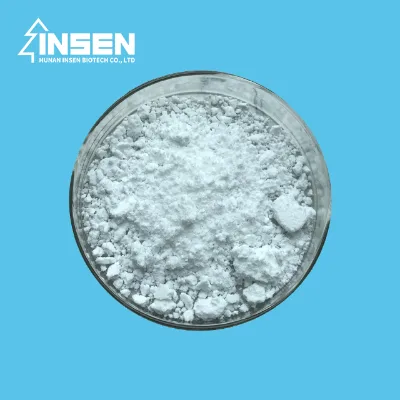


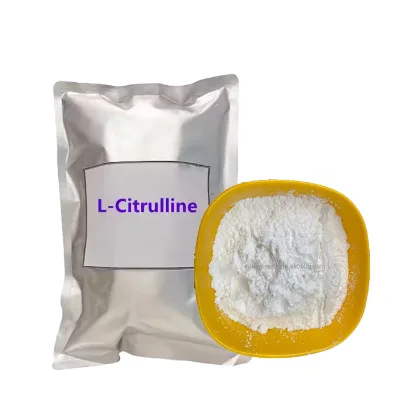


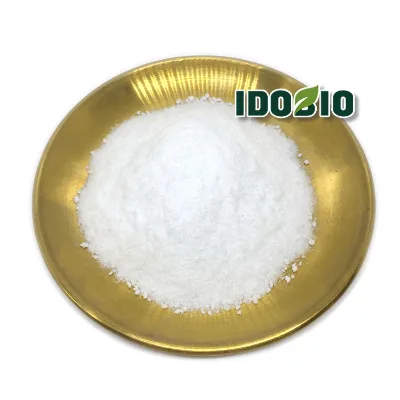


Health Supplements Food Grade Amino Acid L-Citrulline Dl-Malate 2: 1 CAS 54940-97-5
$25.00 - $55.00
MOQ: 1 kilograms


Comprehensive Sourcing Guide
Strategic Sourcing Guide for Natural L-Citrulline Malate Powder
Understanding Product Specifications and Technical Attributes
When sourcing natural L-citrulline malate powder, buyers must first establish a precise understanding of the technical specifications that define product quality and functionality. The core product is an amino acid supplement, specifically identified as L-Citrulline DL-Malate. This compound is often available in specific molar ratios, such as 1:1 or 2:1, which directly influences the bioavailability and efficacy of the final supplement. The physical appearance of the material is consistently described as a white powder, a standard characteristic for high-purity amino acid derivatives.
The mesh size is a critical physical parameter for processing and formulation. Observed specifications indicate a mesh size range of 40 to 80 mesh, which ensures appropriate flowability and solubility for various manufacturing processes. Water solubility is another essential attribute; the product is noted to be soluble in water, a prerequisite for instant powder formulations and liquid supplements. The dosage form is typically instant powder, allowing for rapid dissolution without the need for extensive mixing or heating.
Purity is a primary concern in the procurement of amino acids. While some listings reference a specification of 99%, others indicate standards of 98% or even 50% depending on the specific grade or intended application. Buyers must verify the exact purity percentage required for their application, as this significantly impacts the cost and the final product's potency. The nutrient composition is fundamentally an amino acid, though some product descriptions may also list vitamin content, suggesting potential blend formulations. The resource type is generally cited as natural, implying the source material is derived from biological processes rather than purely synthetic routes.
Compliance, Certification, and Regulatory Standards
Navigating the regulatory landscape is paramount when importing food additives and supplements. The supply chain for L-citrulline malate often involves products originating from specific regions in China, such as Hunan and Shaanxi provinces. These locations are known for their chemical and pharmaceutical manufacturing capabilities. However, the origin alone does not guarantee compliance; buyers must rigorously verify the certifications held by the supplier.
High-confidence data indicates that reputable suppliers in this sector may hold ISO and Kosher certifications. These certifications are vital for accessing global markets, particularly in North America and Europe, where Kosher certification is a standard requirement for many dietary supplements. ISO certification demonstrates adherence to international quality management standards, ensuring consistent production processes.
Regulatory identifiers such as the CAS number (372-75-8) and EINECS number (206-759-6) are essential for customs clearance and regulatory compliance. These numbers uniquely identify the chemical substance, ensuring that the product being shipped matches the legal definition of L-Citrulline. The test method used to verify purity and identity is typically High-Performance Liquid Chromatography (HPLC). Buyers should request recent HPLC test reports to confirm that the product meets the stated purity specifications, such as the 98% or 99% thresholds observed in the market.
Storage requirements also play a role in compliance. The product must be stored in a cool and dry place, often at room temperature, to maintain stability over its shelf life. The observed shelf life ranges from 24 months to over 12 months, depending on the specific packaging and storage conditions. Ensuring that the supplier's logistics chain maintains these temperature and humidity controls is critical to preventing degradation before the product reaches the buyer.
Cost Drivers and Pricing Dynamics
The pricing of L-citrulline malate powder is influenced by several variables, including purity, packaging, and order volume. The observed price range in the market spans from approximately $1.30 to $61.70 USD. This wide variance suggests that factors beyond the raw material cost are at play. The primary cost driver is the purity level; products with 99% purity will command a higher price point compared to those with 98% or lower specifications.
Packaging is another significant factor. The product is available in various packaging formats, ranging from 1kg bags to 25kg drums. Some suppliers offer double food plastic bags inside cartons, while others use aluminum foil bags for smaller quantities. The choice of packaging affects the unit cost; smaller, more protective packaging like aluminum foil bags may increase the per-kilogram cost compared to bulk drums. Additionally, the single gross weight of the product, often around 1.300 kg for smaller packages, influences shipping costs, which are a substantial component of the total landed cost.
Minimum Order Quantity (MOQ) also impacts the effective price. The observed MOQ range is between 1 and 100 units, with some specific listings noting an MOQ of 1kg. Buyers seeking to minimize initial capital outlay can find suppliers with low MOQs, but they may face higher per-unit costs. Conversely, larger orders typically benefit from economies of scale, reducing the cost per kilogram. However, buyers must balance this with storage capacity and shelf-life constraints, as the product has a finite shelf life of 24 months.
Typical Applications and Formulation Considerations
L-Citrulline Malate is primarily utilized in the food additive and supplement industries. Its application is broad, ranging from sports nutrition to general health supplements. The product is classified as a supplement and is specifically targeted at adults. It is important to note that the product is not applicable for pregnant women, newborns, or children, a restriction that must be clearly communicated in product labeling and marketing materials.
The flavor of the powder is often customizable, allowing manufacturers to tailor the taste profile to their specific product lines. This flexibility is crucial for creating palatable beverages, capsules, or chewable supplements. The nutrient composition, being an amino acid, makes it suitable for formulations aimed at improving blood flow, reducing fatigue, and supporting muscle recovery. The 1:1 or 2:1 ratio of Citrulline to Malate is a key selling point, as the malate component aids in the Krebs cycle, potentially enhancing energy production.
When formulating with this ingredient, the water solubility and mesh size are critical. The 40-80 mesh size ensures that the powder mixes well without clumping, while its solubility allows for easy incorporation into liquid bases. The dosage form is typically instant powder, which simplifies the manufacturing process for liquid supplements and ready-to-drink beverages. Buyers should ensure that their formulation partners are aware of the specific ratio (1:1 or 2:1) to achieve the desired therapeutic effects.
Supplier Evaluation and Quality Control Protocols
Evaluating a supplier for L-Citrulline Malate requires a multi-faceted approach that goes beyond price comparison. Buyers should verify the supplier's address and place of origin, as these details can impact logistics and regulatory compliance. For instance, suppliers in Hunan or Shaanxi, China, have established reputations in the chemical and pharmaceutical sectors, but individual company performance varies.
Quality control is the cornerstone of a successful procurement relationship. Buyers must insist on seeing test results, specifically HPLC data, to verify the purity and identity of the product. The presence of a "Sample Available" attribute is a positive indicator, suggesting that the supplier is willing to provide product for testing before committing to a large order. This allows the buyer to verify the physical appearance, solubility, and purity of the powder firsthand.
The brand name is another factor to consider. While some products are sold under specific brand names like "Insen" or "Inter-Healthcare," others may be generic. Buyers should assess whether the brand name carries a reputation for quality in their specific market. Additionally, the instruction for use, often found on the packaging, should be clear and compliant with local regulations.
A robust quality control protocol should include a review of the supplier's production standards. The observed standards of 98% or 99% purity must be backed by consistent testing. Buyers should also verify the packaging integrity, ensuring that the double food plastic bags or aluminum foil bags are sealed correctly to prevent moisture ingress, which could compromise the product's shelf life.
Long-Term Procurement and Supply Chain Stability
Sourcing L-Citrulline Malate powder is not just a one-time transaction but a long-term partnership that requires careful planning. The shelf life of the product, typically 24 months, necessitates a procurement strategy that balances inventory levels with product freshness. Overstocking can lead to waste if the product expires, while understocking can disrupt production schedules.
Lead times and delivery reliability are critical components of supply chain stability. While specific lead times are not explicitly detailed in the provided facts, the availability of samples and the standard packaging sizes suggest a mature supply chain. Buyers should establish clear communication channels with suppliers to monitor production schedules and potential delays. The ability to source samples quickly is a positive sign of a responsive supplier.
Sustainability and resource availability are also long-term considerations. The product is described as having a natural resource base, which aligns with growing consumer demand for natural ingredients. Buyers should inquire about the sustainability of the sourcing methods and the environmental impact of the manufacturing process.
Finally, the evolving regulatory landscape requires buyers to stay informed about changes in food additive and supplement regulations. The CAS and EINECS numbers provide a stable reference point, but local regulations may change. Maintaining a relationship with a supplier who can provide updated documentation and certifications is essential for long-term success. By focusing on these strategic elements, buyers can secure a reliable supply of high-quality L-Citrulline Malate powder that meets their specific needs and regulatory requirements.
Comparative Analysis of Product Variants
To assist buyers in making informed decisions, the following table compares key attributes of different L-Citrulline Malate variants based on observed market data. This comparison highlights the variations in specifications, packaging, and certifications that buyers should consider.
| Attribute | Variant A (Standard Grade) | Variant B (High Purity) | Variant C (Bulk Industrial) |
|---|---|---|---|
| Purity Specification | 98% | 99% | 50% |
| Mesh Size | 40~80 mesh | 40~80 mesh | 40~80 mesh |
| Packaging | 1kg/bag or 25kg/drum | 1.1kg Aluminum Foil Bag | 25 Kg/Carton with Double Bags |
| Certifications | ISO, Kosher | ISO, Kosher | ISO |
| Shelf Life | 24 months | 24 months | >12 Months |
| Origin | Hunan, China | Shaanxi, China | China |
| CAS No. | 372-75-8 | 372-75-8 | 372-75-8 |
| Sample Availability | Available | Available | Available |
This table illustrates that while the core chemical identity remains constant, the purity, packaging, and certification levels vary significantly. Buyers must align their selection with their specific application requirements, whether for high-end supplements requiring 99% purity or industrial applications where 50% purity may suffice. The consistent mesh size and CAS number across variants ensure that the physical and chemical properties remain compatible with standard processing equipment, regardless of the purity grade selected.
FAQs
What is the purity specification for natural l-citrulline malate powder?
The product typically meets a purity specification of 99% or 98%. Some listings may indicate lower standards like 50% depending on the specific grade intended for industrial applications.
Which certifications do suppliers of this powder usually hold?
Reputable suppliers often hold ISO and Kosher certifications. These credentials are essential for verifying quality management standards and ensuring compliance for dietary supplement markets.
How is the powder packaged for shipping and storage?
Packaging options include 1kg bags or 25kg drums with double food plastic bags inside cartons. Smaller units may use aluminum foil bags to ensure moisture protection during transit.
Can buyers obtain samples before placing a large order?
Yes, samples are available for most listings. This allows buyers to verify the white powder appearance, solubility, and purity before committing to bulk procurement volumes.
What is the shelf life of natural l-citrulline malate powder?
The shelf life is generally 24 months or over 12 months depending on storage conditions. Proper storage in a cool and dry place at room temperature is required to maintain stability.
Which mesh size range is standard for this amino acid powder?
The standard mesh size ranges from 40 to 80 mesh. This particle size ensures appropriate flowability and water solubility for instant powder formulations and liquid supplements.