Source Natural L-Carnitine Powder for Weight Loss, Energy, and Health Care
Find 30 verified listings for natural l-carnitine powder suitable for weight loss, energy support, and health care products. Compare specifications, certifications, and prices from global suppliers offering white powder forms with purity levels up to 99%.
Key considerations
Products List


L Carnitine Tartrate Bulk L Carnitine Powder Raw Material Price L-Carnitine
$16.00 - $26.00
MOQ: 1000 kg


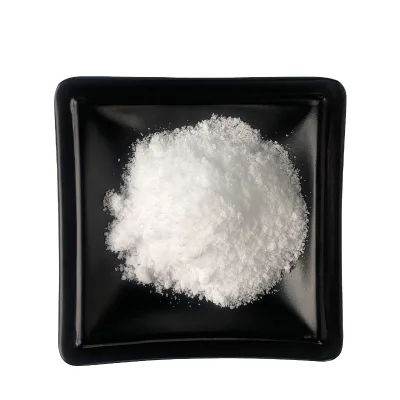
Comprehensive Sourcing Guide
Natural L-Carnitine Powder Sourcing Guide
Sourcing natural L-carnitine powder requires a nuanced understanding of both the chemical distinctions between carnitine variants and the specific quality markers that define a premium raw material. Buyers must navigate a market where products are often labeled broadly, yet the functional differences between L-Carnitine, Acetyl L-Carnitine, and Frazer-L Carnitine are significant for end-product formulation. The core keyword "natural l-carnitine powder" suggests a preference for ingredients derived from biological sources rather than purely synthetic pathways, a distinction that impacts both the cost structure and the regulatory narrative of the final health care product. Understanding these baseline definitions is the first step in ensuring that the procurement strategy aligns with the intended market positioning and efficacy claims.
This guide provides a structured approach to evaluating suppliers, verifying technical specifications, and managing commercial risks associated with L-carnitine procurement. By focusing on observable listing signals, rigorous technical verification, and robust compliance documentation, buyers can mitigate the risks of receiving substandard materials. The following sections detail the critical decision points in the sourcing process, from interpreting purity claims and certification requirements to negotiating commercial terms and establishing long-term quality control protocols. This framework is designed to support informed decision-making without relying on unverified supplier promises or speculative market data.
Product Scope and Observed Listing Signals
The current market landscape for L-carnitine powder reveals a diverse range of product models and appearances that buyers must carefully distinguish. Observed listings indicate a variety of forms, including white powder, white crystalline powder, and white fine powder, with specific product models such as Frazer-L Carnitine Powder, Frazer-Acetyl L-Carnitine, and WG-LC01 appearing frequently. These variations are not merely cosmetic; they often reflect differences in particle size, solubility, and intended application within health care products. For instance, the presence of Acetyl L-Carnitine variants suggests a focus on bioavailability and cognitive support applications, while standard L-Carnitine powders may be targeted toward general weight management and metabolic support. Buyers should treat these model numbers and appearance descriptions as initial filters rather than definitive quality indicators.
Further analysis of listing signals highlights significant variations in resource origin and production methods, which are critical for defining "natural" status. Some products are explicitly labeled as having a "Natural" resource, while others are identified as "Chemosynthesis," indicating a synthetic origin. This distinction is paramount for buyers targeting clean-label or natural-certified markets, as the source material directly influences consumer perception and regulatory compliance in certain jurisdictions. Additionally, observed attributes such as "Suitable for: Adult, Children, Elderly" suggest broad applicability, but buyers must verify that the specific batch and certification cover these demographic segments. The presence of sample sizes ranging from 10g to 20g indicates that many suppliers offer trial units, which should be utilized to assess physical properties before committing to larger orders.
Technical Specifications to Verify
Purity and active substance content are the most critical technical parameters for L-carnitine powder, yet observed data shows a wide range of claims that require rigorous verification. Listings mention purity levels such as ">99%" and "99%" as a standard, while other entries cite "The content of active substances: >90%". This discrepancy highlights the necessity for buyers to specify the exact assay requirement in their purchase orders and to demand independent laboratory analysis for every batch. The test method is also a key verification point, with HPLC (High-Performance Liquid Chromatography) cited as a common analytical technique. Buyers should ensure that the supplier uses validated HPLC methods to quantify the L-carnitine content, as this method provides the accuracy needed to distinguish between pure L-carnitine and its isomers or degradation products.
Physical and chemical stability attributes, including shelf life and storage conditions, must be explicitly defined to prevent product degradation during transit and storage. Observed specifications indicate a shelf life of "2 Years" for some products and ">12 Months" for others, with storage instructions varying between "Store in a Well-Closed Container Away From Moistur," "Store Cool Dry Place," and "Cool and Dry Place." These variations suggest that different manufacturers may use different stabilizers or packaging technologies, which directly impact the product's longevity. Buyers must align their storage infrastructure with the supplier's recommendations and verify that the packaging material, such as "Foil Bag" or "1kg/Alu-Foil Bag, 25kgs/Drum," provides adequate moisture and light protection. The capacity of suppliers, observed at "5000kg/Month," should also be considered to ensure that the supplier can meet volume requirements without compromising quality control processes.
Compliance and Safety Documentation
Certification status is a primary indicator of a supplier's commitment to quality and regulatory compliance, but the specific certifications required depend on the target market and end-use. Observed listings include a wide array of certifications, such as BP, USP, ISO HSE, GMP, ISO, HACCP, Halal, Kosher, Fssc22000, C-GMP, and ISO9001. Buyers must map these certifications to their specific regulatory needs; for example, export to the United States may require USP or FDA compliance, while European markets may prioritize GMP and ISO standards. The presence of multiple certifications, such as Halal and Kosher, is particularly valuable for suppliers targeting diverse global markets, as it reduces the need for separate audits for different religious dietary laws. However, buyers should verify the validity and scope of these certificates, as they may not cover all product lines or manufacturing sites.
Nutrient composition and type classification also play a role in compliance, with L-carnitine often categorized under "Amino Acid" or "Vitamins" depending on the regulatory framework. This classification affects how the product is labeled and regulated in different jurisdictions, so buyers must ensure that the supplier's documentation aligns with the intended classification in the destination market. Additionally, the "Quality Requirement: Strictly Quality Control" attribute suggests a robust internal QC process, but buyers should request detailed quality control protocols, including specifications for heavy metals, residual solvents, and microbial limits. The "Market: Worldwide" attribute indicates broad distribution, but buyers should confirm that the supplier has experience exporting to their specific region and can provide necessary documentation, such as Certificates of Analysis (CoA) and Material Safety Data Sheets (MSDS), in the required languages and formats.
Cost Drivers and Commercial Terms
Pricing and minimum order quantities (MOQ) are significant commercial factors that influence the overall cost of procurement. Observed price ranges vary from $10 to $160 USD, and MOQs range from 1 to 1000 units, reflecting the diversity of suppliers and product grades. These wide ranges suggest that price is heavily influenced by factors such as purity level, certification status, packaging size, and order volume. Buyers should not rely solely on the listed price but should request detailed quotations that break down costs for raw material, processing, packaging, and logistics. The availability of customization, as indicated by "Customization: Available" and "Customized," may also impact pricing, as tailored packaging or specific labeling requirements can incur additional fees.
Delivery terms and lead times are critical for supply chain planning and inventory management. Observed delivery options include "Express 5-7 Days Arrive" and "Delivery Time: 7-10days," indicating that suppliers offer varying levels of shipping speed and reliability. Buyers should clarify whether these lead times are from the date of order confirmation or from the date of payment, and whether they include customs clearance time. The "Service: Welcome to Visit Us" attribute suggests that some suppliers are open to facility audits, which can be a valuable step in verifying production capabilities and quality control practices. Buyers should also consider the total landed cost, including shipping, insurance, and duties, when evaluating commercial terms, as these factors can significantly impact the final cost of the product.
Supplier Qualification and Quality Control
Supplier qualification involves a thorough assessment of manufacturing capabilities, quality management systems, and traceability. Buyers should verify the supplier's origin, with observed locations including "China" and "Shaanxi China," and assess whether the manufacturing facility meets international standards for GMP and ISO certification. The "Capacity: 5000kg/Month" figure provides an indication of scale, but buyers should also evaluate the supplier's ability to maintain consistent quality across different production batches. Requesting references from existing clients, particularly those in similar industries or markets, can provide valuable insights into the supplier's reliability and responsiveness. Additionally, buyers should inquire about the supplier's process for handling non-conforming products and their policy for product recalls, as these factors are critical for risk management.
Quality control protocols should be established through clear agreements on sampling, testing, and acceptance criteria. Buyers should specify the sample size and frequency for incoming inspections, as well as the acceptable limits for key parameters such as purity, moisture content, and microbial load. The use of independent third-party laboratories for batch testing can provide an additional layer of assurance, particularly for high-value or high-risk products. Buyers should also establish a clear communication channel for addressing quality issues, including procedures for reporting deviations and resolving disputes. The "Product Name: Acetyl L Carnitine" and "L-Carnitine Powder" distinctions should be clearly documented in contracts to prevent mix-ups, especially if the supplier produces multiple carnitine variants.
Long-Term Procurement Checks
Long-term procurement success depends on continuous monitoring of supplier performance and market dynamics. Buyers should establish key performance indicators (KPIs) for quality, delivery, and service, and review these metrics regularly to identify areas for improvement. Tracking changes in certification status, regulatory requirements, and market prices can help buyers anticipate potential disruptions and adjust their sourcing strategies accordingly. Building a strong relationship with the supplier, including regular communication and joint problem-solving, can foster collaboration and innovation, leading to better product quality and more favorable commercial terms. Buyers should also consider diversifying their supplier base to mitigate risks associated with single-source dependency, particularly for critical raw materials like L-carnitine powder.
Finally, buyers should stay informed about emerging trends in L-carnitine production and application, such as new extraction methods or novel health benefits. This knowledge can help buyers identify opportunities for product differentiation and competitive advantage. Regular audits of the supplier's facility and quality management system, whether on-site or remote, can ensure that standards are maintained over time. By combining rigorous technical verification, robust compliance documentation, and strategic supplier management, buyers can secure a reliable supply of high-quality natural L-carnitine powder that meets their business objectives and regulatory requirements.
FAQs
What is the purity level of natural L-carnitine powder?
The product purity is greater than 99 percent as verified by HPLC testing methods. This high-grade powder is suitable for adults, children, and elderly users in health care applications.
How long is the shelf life of this L-carnitine powder?
The shelf life is two years when stored correctly in a cool, dry place. Buyers should keep the product in a well-closed container away from moisture to maintain quality.
Can I request customized packaging for this L-carnitine powder?
Customization is available for this product to meet specific buyer requirements. The standard packaging includes foil bags for 1kg units and drums for 25kg quantities.
What certifications does the manufacturer hold for this product?
The manufacturer holds multiple certifications including ISO, GMP, HACCP, Halal, and Kosher. These standards ensure strict quality control and compliance for worldwide market distribution.
How quickly can I receive an order of L-carnitine powder?
Express delivery typically arrives within 5 to 7 days for standard orders. Some shipments may take 7 to 10 days depending on the specific logistics and destination.
What is the minimum order quantity for this L-carnitine powder?
The minimum order quantity is 1 kilogram for trial or small batch purchases. Larger orders can be fulfilled with a monthly production capacity of 5000 kilograms.
Where is this L-carnitine powder manufactured and sourced?
The product originates from Shaanxi, China, and is sourced from natural resources. It is also available through chemosynthesis methods depending on the specific product model selected.