Source Natural Stone Marble Beads with Keychain for gifts, decor, and jewelry
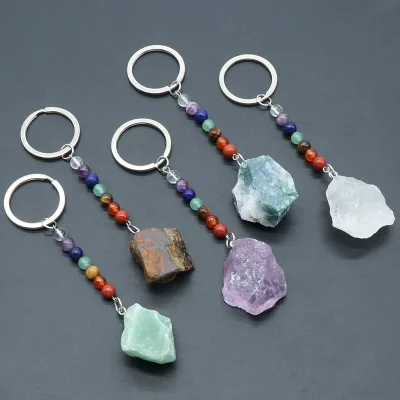
Explore 30 listings of Natural Stone Marble Beads with Keychain available from suppliers in China. Buyers can compare specifications like shape, material grade, and package size to find suitable options for key decoration, healing stone uses, and fashion accessories.
Key considerations
Products List
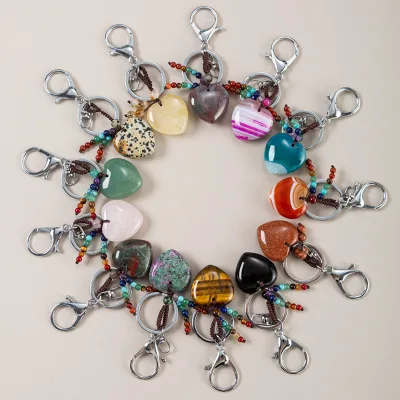
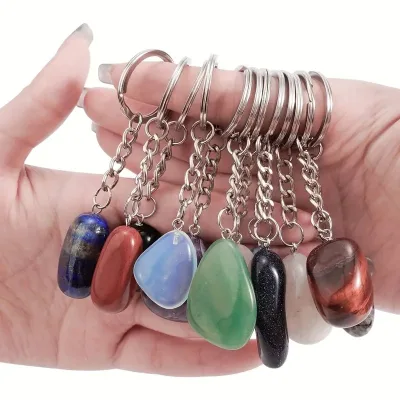


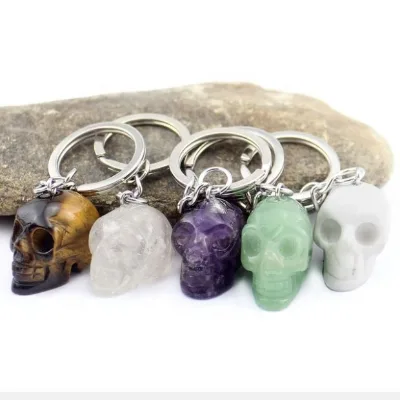
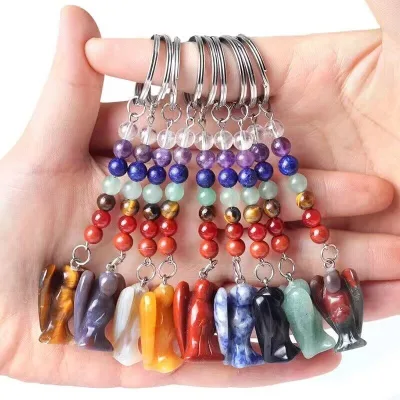
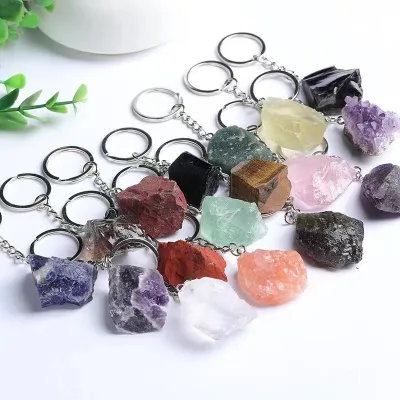
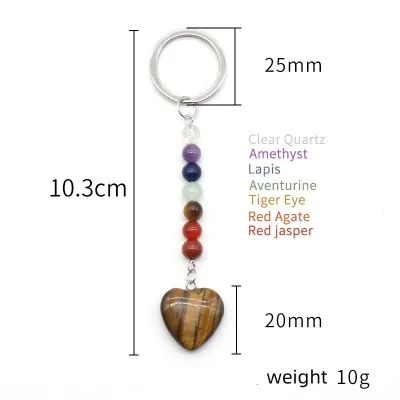
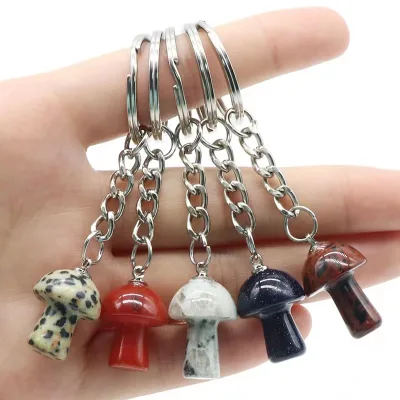
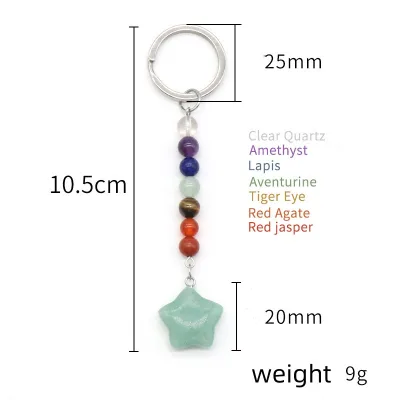
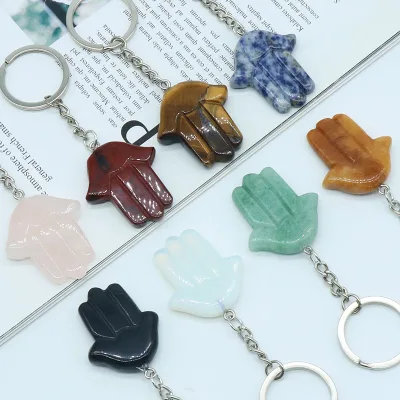
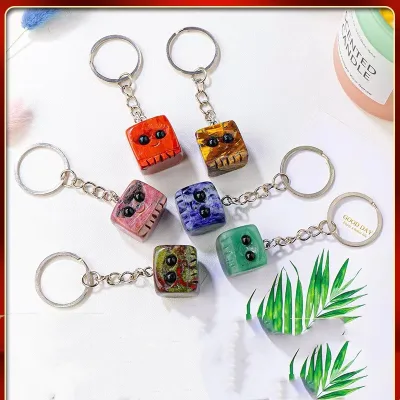
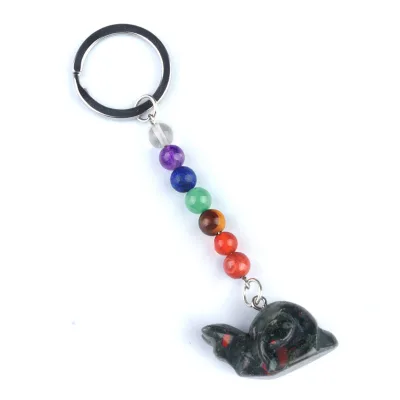
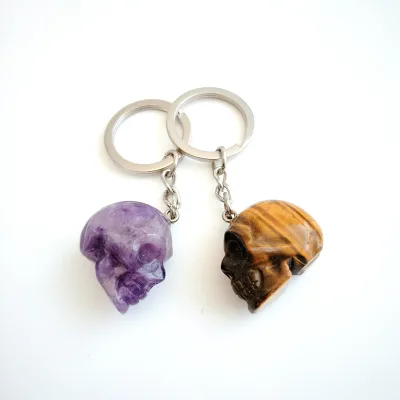
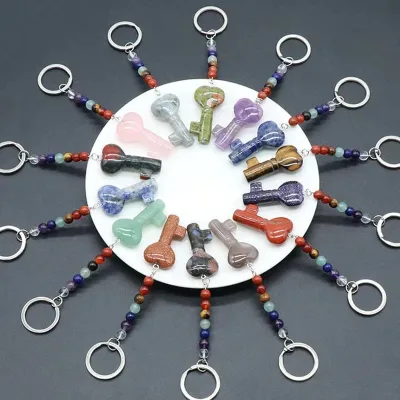
2026 Carvings Different Material Crystal Skulls Crystal Stone Gem Keychain
$5.66 - $6.79
MOQ: 100 pieces




Comprehensive Sourcing Guide
Strategic Sourcing Guide for Natural Stone Marble Beads with Keychain
Understanding Product Variations and Material Specifications
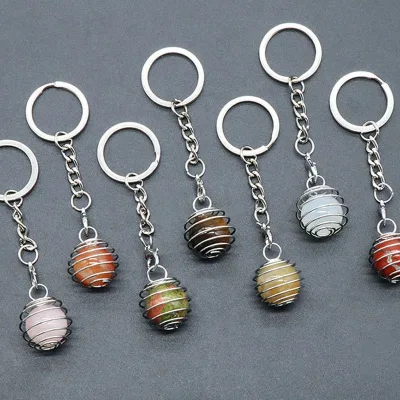
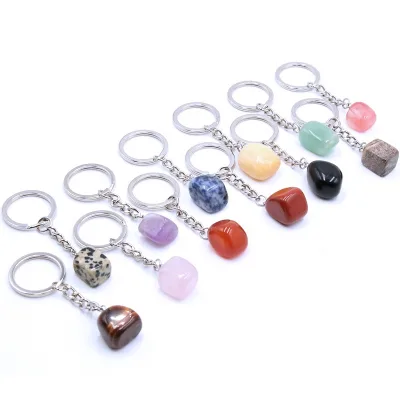
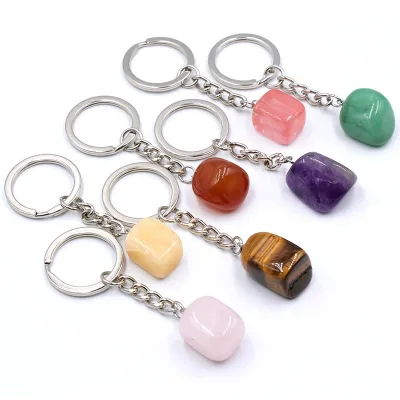
When sourcing Natural Stone Marble Beads with Keychain, buyers must first navigate the significant diversity inherent in this product category. The core keyword often encompasses a wide spectrum of items ranging from polished geometric beads to rough-hewn crystal pendants. Based on observed market data, the material composition is frequently identified as natural crystal stone, with specific classifications including Agate, Labradorite, and Quartz. These materials dictate the visual texture, weight, and perceived value of the final product. For instance, one observed product variant is explicitly classified as Agate, while another is identified as Labradorite, and a third as Quartz. This variation is critical because the geological properties of each stone influence the manufacturing process, the durability of the keychain, and the target market segment.
The physical specifications of these items vary considerably depending on the intended design. While some products are marketed with precise dimensions such as 3x3 cm, others are listed with a size of 15 cm, and a third category is described simply as "other" or "irregular shape." This inconsistency highlights the need for buyers to verify exact dimensions before placing orders. The shape is another defining characteristic; options range from heart shapes to irregular forms suitable for tumbled stone aesthetics. The weight of individual units also fluctuates, with observed data showing items weighing approximately 18 grams and others at 24 grams. These weight differences impact shipping costs and the tactile experience for the end consumer. Furthermore, the color palette is extensive, with listings indicating availability in a broad spectrum ranging from single colors like Red, Blue, Green, and Transparent to a wide array of numbered color options extending up to 22 distinct shades. Buyers must treat these color lists as potential options rather than guaranteed stock for every SKU, requiring explicit confirmation during the negotiation phase.
Technical Attributes and Packaging Standards
Technical attributes extend beyond the raw stone to include the finishing, packaging, and logistical specifications that define the product's readiness for market. The production process often involves specific printing techniques, though data indicates that for certain natural stone items, the printing attribute is categorized as "other," suggesting that branding may be applied via engraving, tagging, or minimal surface treatment rather than direct printing on the stone itself. The model numbers associated with these products serve as unique identifiers for manufacturers, with examples including sm138, sm114, GM00849, gm0127, GM00996, and GM00125. These identifiers are essential for maintaining consistency in reordering and ensuring that the correct specifications are met.
Packaging standards are equally vital for protecting the fragile nature of natural stone. Observed data reveals that single package sizes can vary dramatically, from compact 10x10x9 cm boxes to larger 25x12x9 cm containers. The single gross weight, which includes the product and its immediate packaging, ranges from 0.040 kg to 0.050 kg. This variation affects freight calculations and storage requirements. The standard packing method typically involves placing one piece in a single polybag, a practice that protects the stone from scratches and dust during transit. However, for bulk orders, buyers should verify if additional outer cartons or protective inserts are required to prevent breakage, as natural stone is susceptible to chipping if not handled carefully. The classification of the product as "crystal macadam" or "beads" further informs the intended assembly method, whether the item is a standalone keychain or a component for larger jewelry pieces.
Compliance, Certification, and Safety Verification
In the realm of B2B procurement, compliance and certification checks are paramount, yet the data surrounding natural stone keychains presents a complex picture regarding standards. While some background information mentions certifications such as CE and standards like EN 1343 or EN 1467, these are not explicitly confirmed as applicable to the specific natural stone keychain products observed. Therefore, buyers must approach certification claims with caution. The product is generally classified as a "healing stone" or "key decoration," which places it in a consumer goods category rather than a regulated medical or safety device. However, the absence of explicit certification data in the primary product facts means that buyers cannot assume compliance with international safety standards without direct verification from the supplier.
Buyers should verify the safety of the materials used, particularly regarding lead content or other heavy metals that might be present in treated stones or metal components attached to the keychain. Although the material is listed as "natural crystal stone," the processing methods used to polish or dye the stone (indicated by the extensive color options) could introduce chemical residues. The standard of 3-5mm mentioned in the context likely refers to bead size or a specific quality metric, but its application to the final keychain product requires clarification. It is the responsibility of the procurement team to request test reports or certificates of analysis from the supplier to ensure the product meets the safety regulations of the destination market. Relying on generic background standards without specific product confirmation can lead to compliance failures at customs or in retail environments.
Cost Drivers and Minimum Order Quantity Analysis
The economics of sourcing natural stone keychains are influenced by several distinct cost drivers, primarily material scarcity, labor intensity, and order volume. The observed Minimum Order Quantity (MOQ) ranges widely, from as low as 5 pieces to as high as 1000 pieces, with specific product variants showing an MOQ of 20 pieces or 100 pieces. This variability suggests that suppliers have different production models; some may operate on a made-to-order basis with low entry barriers, while others require bulk commitments to justify the labor involved in sorting and packaging natural stones. The price range observed in the market spans from 0.4 to 20 USD, a significant spread that reflects differences in material quality, brand positioning, and customization levels.
High-grade materials, such as those classified as "High" grade or specific varieties like Labradorite, likely command prices at the upper end of this spectrum. Conversely, standard Agate or Quartz beads may fall toward the lower end. Customization is a major cost factor; the data confirms that customization is available, which typically incurs additional fees for mold creation, unique packaging, or specific branding. The "Selling Units" are listed as "Single item," indicating that the base price is per unit, but bulk discounts are likely negotiable. Buyers must also consider the "Place of Origin" as a cost driver, with products originating from Zhejiang and Jiangsu, China. These regions are known for their manufacturing clusters, which can offer competitive pricing, but logistics costs will vary based on the specific port and shipping method chosen. Understanding these drivers allows buyers to negotiate more effectively and align their budget with the desired quality and volume.
Supplier Evaluation and Geographic Considerations
Evaluating suppliers for natural stone keychains requires a focus on their ability to handle the specific challenges of the material. The primary production hubs identified are Zhejiang and Jiangsu, China. These regions have established supply chains for gemstones and jewelry accessories, but buyers must verify the specific capabilities of each supplier. Key evaluation criteria include the supplier's ability to provide consistent color matching, given the natural variation in stone pigmentation. A supplier claiming to offer 22 color options must demonstrate a robust inventory management system to ensure that the specific shade ordered is available in the required quantity.
The brand names associated with these products, such as "SM," suggest that some suppliers may offer private labeling or white-label services. Buyers should assess the supplier's flexibility in handling custom requests, as the data indicates that customization is available. This includes the ability to produce specific model numbers like WQ101606 or GM00849 upon request. Additionally, the "Suitable for: Unisex" attribute indicates a broad market appeal, but suppliers should be able to provide samples that demonstrate the product's appeal to the specific demographic the buyer targets. When evaluating suppliers, buyers should also inquire about their lead times, although specific data is not provided in the current facts. A reliable supplier will have transparent communication regarding production schedules and the ability to scale up orders without compromising quality.
Quality Control and Long-Term Procurement Strategy
Implementing a robust quality control (QC) strategy is essential for mitigating the risks associated with natural stone products. Since the material is natural, variations in color, texture, and shape are inherent. However, defects such as cracks, chips, or poor drilling for the keychain attachment must be minimized. Buyers should establish clear acceptance criteria based on the observed specifications, such as the weight tolerance (e.g., 18g vs. 24g) and the integrity of the "heart shape" or "irregular shape." The "Single gross weight" data provides a baseline for checking if the packaging and product meet the expected standards.
For long-term procurement, building a relationship with suppliers who understand the nuances of natural stone is crucial. The "Style: European and American" attribute suggests that the product is designed for international markets, where quality expectations are high. Buyers should consider conducting pre-shipment inspections to verify that the product matches the agreed-upon model number and specifications. Additionally, the "Keyword" usage, such as "Keyring crystal Keychain tumble Key Chain," indicates that the product is marketed for specific use cases. Ensuring that the final product aligns with these marketing claims is vital for brand consistency. Long-term success also depends on the supplier's ability to maintain inventory levels for popular colors and shapes, ensuring that the supply chain remains resilient against demand fluctuations. By focusing on these strategic elements, buyers can secure a reliable source of high-quality natural stone keychains that meet both functional and aesthetic requirements.
FAQs
What materials are used for Natural Stone Marble Beads with Keychain?
The materials are natural crystal stone, specifically classified as Agate, Labradorite, and Quartz. These stones vary in weight from about 18g to 24g and come in various shapes like heart or irregular forms.
Which sizes are available for Natural Stone Marble Beads with Keychain?
Available sizes include specific dimensions like 3x3 cm or 15 cm, while some items are listed as other or irregular shapes. Buyers must verify exact dimensions as the single package size varies significantly between 10x10x9 cm and 25x12x9 cm.
Can I customize the Natural Stone Marble Beads with Keychain?
Yes, customization is available for these products. Buyers can request specific model numbers like sm138 or GM00849, though they should confirm lead times and potential extra costs for unique branding or packaging requirements.
What is the minimum order quantity for Natural Stone Marble Beads with Keychain?
The minimum order quantity ranges from 5 to 1000 pieces depending on the specific supplier and product variant. Some items have a fixed MOQ of 20 pieces, while others may require 100 pieces or more for bulk orders.
Where are Natural Stone Marble Beads with Keychain manufactured?
These products originate from manufacturing hubs in Zhejiang and Jiangsu, China. The specific place of origin affects logistics and shipping costs, so buyers should verify the exact location for each supplier before placing an order.
How much do Natural Stone Marble Beads with Keychain cost per unit?
The observed price range is between 0.4 and 20 USD per unit. The final price depends on the material grade, specific stone type like Labradorite, and whether customization or special packaging is included in the order.
Which colors are available for Natural Stone Marble Beads with Keychain?
Colors include options like Red, Blue, Green, and Transparent, with some listings offering up to 22 distinct shades. Buyers should treat these color lists as potential options and confirm specific stock availability with the supplier.