Find Natural Sushi Nori for restaurants, catering, and home cooking
Source 30 verified listings for Natural Sushi Nori with varying certifications like HACCP, FDA, and ISO. Buyers can compare specifications such as size, packaging, and shelf life to select the right product for sushi preparation or direct consumption.
Key considerations
Products List




Comprehensive Sourcing Guide
Strategic Sourcing Guide for Natural Sushi Nori
Understanding Product Specifications and Variants
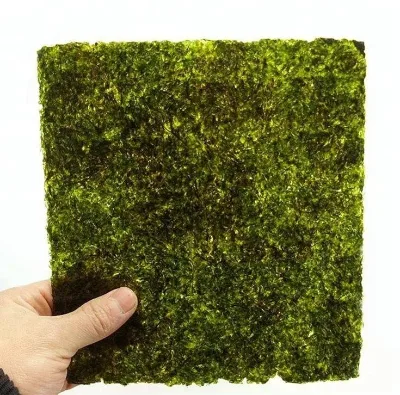
The procurement of Natural Sushi Nori requires a precise understanding of the technical attributes that define the product's utility in food manufacturing and culinary applications. Based on the available market data, the core product is identified as roasted seaweed, specifically categorized under the type "Seaweed" with a primary ingredient of Nori. The physical specifications are critical for ensuring compatibility with automated sushi-making equipment or manual preparation processes. The standard dimensions observed in the market for these sheets are approximately 21 cm by 19 cm, a size that aligns with traditional sushi rolling requirements. However, buyers must verify if the specific supplier offers the "Square" shape variant or if the rectangular format is the only option available, as the shape directly impacts the final presentation of the sushi roll.
The processing method is a defining characteristic of the product's flavor profile and texture. The supplied data indicates a "Roasted" processing method, which is essential for the characteristic crispness and umami flavor associated with high-quality sushi nori. This roasting process is often paired with a "Low-sodium" and "Low-salt" feature, catering to health-conscious consumers and modern dietary restrictions. The grade of the nori is another critical specification, with market listings showing a range from Grade A to Grade D. Grade A typically represents the highest quality with the most uniform color and texture, while lower grades may contain more imperfections or variations in thickness. Buyers should explicitly request samples to verify the grade against their internal quality standards, as the visual and textural differences between grades can be significant.
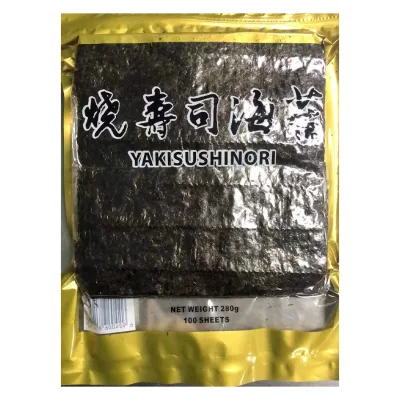
Packaging is equally vital for preserving the integrity of the product. The observed packaging formats include individual bags containing 10, 50, or 100 sheets, as well as bulk options. The packaging material is frequently described as a "Vacuum Bag" or standard "Bag," which helps maintain the dryness of the seaweed. The single package size for shipping often measures around 32 cm by 26 cm by 28 cm, with a gross weight of approximately 1.5 kg per unit. For large-scale procurement, the selling units may be defined as 100 pieces per bag with 48 bags per carton. Understanding these packaging configurations is essential for logistics planning, warehouse storage, and determining the appropriate handling equipment for the receiving facility.
Compliance and Certification Verification
In the global food supply chain, compliance is not merely a regulatory formality but a fundamental requirement for market access and consumer trust. For Natural Sushi Nori, the verification of certifications is a non-negotiable step in the supplier evaluation process. The market data highlights several key certifications that are commonly associated with this product category, including HACCP, FDA, ISO, BRC, and HALAL. These certifications indicate that the supplier adheres to specific standards for food safety management, quality control, and religious dietary compliance.
Buyers must treat these certifications as observations of the supplier's current status rather than guaranteed attributes of every unit produced. It is imperative to request valid, up-to-date certificates directly from the supplier and verify their authenticity with the issuing bodies. The presence of HACCP (Hazard Analysis and Critical Control Points) suggests a robust system for identifying and controlling food safety hazards. ISO certification implies adherence to international standards for quality management, while FDA registration indicates compliance with United States food safety regulations. BRC (Brand Reputation Compliance) is a globally recognized standard for food safety and quality, often required by major retailers. Additionally, HALAL certification is crucial for suppliers targeting Muslim markets, ensuring the product is prepared according to Islamic dietary laws.
The origin of the product also plays a significant role in compliance. The data indicates origins in regions such as Beijing, Anhui, and generally China. While these locations are noted as producing areas, buyers should be aware that "Producing Area" is listed as "Seafood," which refers to the raw material source rather than the manufacturing location. The distinction between where the seaweed is harvested and where it is processed and packaged is vital for traceability. Suppliers must provide clear documentation regarding the supply chain, including the specific facilities where the roasting and packaging occur. This transparency ensures that the product meets the regulatory requirements of the destination market and helps mitigate risks associated with supply chain disruptions or quality inconsistencies.
Cost Drivers and Pricing Dynamics
The pricing of Natural Sushi Nori is influenced by a complex interplay of factors, including raw material costs, processing complexity, packaging requirements, and order volume. The observed price range in the market spans from $0.70 to $380 USD, a wide variance that reflects differences in product grade, packaging size, and order quantity. The lower end of the spectrum likely corresponds to bulk purchases of lower-grade nori or smaller unit sizes, while the higher end may represent premium Grade A products with specialized packaging or smaller, more convenient retail units.
Order volume is a primary driver of cost efficiency. The Minimum Order Quantity (MOQ) ranges from 10 units to 20,000 units, with specific listings indicating an MOQ of 50 cartons. Suppliers often offer tiered pricing structures where the unit cost decreases significantly as the order volume increases. For buyers looking to optimize costs, understanding the MOQ thresholds is essential. Ordering just above the MOQ can sometimes result in a more favorable price per unit compared to ordering significantly higher volumes if the supplier has limited capacity or if the logistics costs for larger shipments outweigh the volume discount.
The type of packaging also impacts the final cost. Vacuum-sealed bags or gift packs typically incur higher packaging costs compared to bulk bags. Furthermore, the customization options available, such as private labeling or specific packaging designs, will add to the overall price. Buyers should also consider the "Saving Condition" of the product, which is listed as "Dried." The drying process is energy-intensive and affects the shelf life, which is observed to be greater than 12 months or specifically 1 year. Products with extended shelf life may command a premium due to the additional processing and quality control measures required to ensure long-term stability.
Typical Applications and Usage Scenarios
Natural Sushi Nori serves as a versatile ingredient with applications extending beyond traditional sushi preparation. The primary usage is for making sushi, as indicated by the instruction "for making sushi" and the product description "Roasted sushi nori." The direct eating instruction also suggests that the product can be consumed as a snack or a component of other dishes without further preparation. The neutral taste profile of the nori allows it to complement a wide variety of fillings and sauces without overpowering them, making it suitable for diverse culinary applications.
In the food manufacturing sector, nori is often used as a wrapping material for onigiri (rice balls), tempura, and other Japanese-inspired dishes. The low-sodium and low-salt features make it an attractive option for manufacturers developing health-conscious product lines. The "Cultured" resource type indicates that the seaweed is farmed rather than wild-harvested, which ensures a consistent supply and predictable quality. This is particularly important for large-scale food production where consistency in size, texture, and flavor is critical.
The product's physical attributes, such as its square or rectangular shape and specific dimensions, make it ideal for automated sushi-making machines. These machines often require precise sheet sizes to function correctly, and deviations can lead to production errors or waste. Therefore, buyers must ensure that the nori sheets they procure match the specifications of their production equipment. Additionally, the "Directly Eat" instruction implies that the product is ready for consumption, reducing the need for additional processing steps in the kitchen or factory.
Supplier Evaluation and Selection Criteria
Selecting the right supplier for Natural Sushi Nori requires a comprehensive evaluation of their capabilities, reliability, and commitment to quality. The first step is to verify the supplier's location and address. The data indicates origins in China, with specific mentions of Beijing and Anhui. While these locations provide a geographical context, buyers should confirm the exact address and facility details to ensure they are dealing with a legitimate manufacturer or authorized distributor. The "Manufacturer" field lists "cmark," which may be a brand or company identifier, but buyers should not rely solely on this information without further verification.
Supplier reliability is often assessed through their production capacity and lead times. Although specific lead times are not provided in the data, the wide range of MOQs suggests that suppliers can accommodate both small and large orders. Buyers should inquire about the supplier's ability to scale production to meet demand fluctuations and their track record for on-time delivery. The "Customization" attribute indicates that suppliers are willing to tailor their products to meet specific buyer requirements, such as custom packaging or specific grades. This flexibility is a valuable asset for buyers with unique market needs.
Quality control is another critical factor in supplier selection. Buyers should request detailed quality assurance protocols, including how the supplier handles defects, manages the grading process, and ensures consistency across batches. The presence of certifications like HACCP, FDA, and ISO is a positive indicator, but buyers should also ask for recent audit reports or third-party test results to validate the supplier's claims. The "Resource" being "Cultured" suggests a controlled farming environment, which should be reflected in the supplier's quality control measures.
Quality Control and Inspection Protocols
Implementing a robust quality control (QC) protocol is essential for ensuring that the Natural Sushi Nori meets the buyer's standards. The inspection process should begin with the verification of the product's physical attributes, including size, shape, and color. The standard size of 21 cm by 19 cm should be measured to ensure consistency, and the color should be a vibrant green, as indicated in the data. Any discoloration or uneven coloring may indicate issues with the roasting process or storage conditions.
The texture and crispness of the nori are also critical quality indicators. The product should be dry and brittle, snapping easily when broken. If the nori feels soft or chewy, it may have absorbed moisture, which can compromise its shelf life and usability. The "Storage Type" recommendation to "Keep Dry and Cool Away From Water" underscores the importance of proper storage conditions. Buyers should inspect the packaging for any signs of damage or moisture intrusion before accepting the shipment.
Chemical and microbiological testing is another vital component of the QC process. Buyers should request certificates of analysis (CoA) for each batch, verifying that the product meets safety standards for heavy metals, pesticides, and microbial contamination. The "Low-sodium" and "Low-salt" claims should be verified through laboratory testing to ensure they align with the supplier's specifications. Additionally, the "Shelf Life" of greater than 12 months or 1 year should be confirmed through accelerated aging tests or by reviewing the supplier's stability data.
Long-Term Procurement Considerations
Sourcing Natural Sushi Nori is not just a one-time transaction but a strategic partnership that requires long-term planning. Buyers should consider the stability of the supply chain, the potential for price fluctuations, and the ability of the supplier to adapt to changing market demands. The "Cultured" nature of the resource suggests that the supply is relatively stable, but buyers should still monitor the supplier's farming practices and environmental sustainability initiatives.
Contractual agreements should clearly define the terms of delivery, payment, and quality assurance. Buyers should establish a clear communication channel with the supplier to address any issues promptly and to facilitate continuous improvement. The availability of customization options allows buyers to differentiate their products in the market, but this requires a close working relationship with the supplier to ensure that the customizations are executed correctly and consistently.
Finally, buyers should plan for the future by staying informed about industry trends and regulatory changes. The demand for low-sodium and low-salt products is likely to grow, and suppliers who can meet these demands will be better positioned for long-term success. By maintaining a proactive approach to procurement, buyers can ensure a steady supply of high-quality Natural Sushi Nori that meets their evolving business needs.
FAQs
How long is the shelf life of Natural Sushi Nori?
The shelf life exceeds 12 months when stored correctly. Buyers must keep the product in a cool, dry place away from water to maintain quality and prevent moisture absorption during storage.
What certifications are available for Natural Sushi Nori?
Products often carry HACCP, FDA, ISO, BRC, and HALAL certifications. These indicate compliance with food safety and quality standards, but buyers should verify specific certificates for each supplier batch.
Which packaging options exist for Natural Sushi Nori?
Packaging includes bags, boxes, bulk, family packs, and gift packs. Specific options range from 10 to 100 sheets per bag, often vacuum sealed to preserve freshness and texture.
Can buyers customize Natural Sushi Nori products?
Yes, customization is available for many suppliers. Buyers can request specific packaging designs, private labeling, or tailored grades, though this may affect the minimum order quantity requirements.
What is the typical price range for Natural Sushi Nori?
Prices range from 0.70 to 380 USD depending on the product configuration. The final cost is influenced by the grade, packaging type, and the total order volume placed by the buyer.
Where is Natural Sushi Nori typically sourced from?
Products originate from China, including regions like Beijing and Anhui. The raw material is cultivated seaweed, processed in facilities that adhere to specific production standards for export.
How does the grade affect Natural Sushi Nori quality?
Grades range from A to D, with A being the highest quality. Higher grades offer better color and texture uniformity, while lower grades may have more imperfections or variations in thickness.