Source Natural Tattoo Care Cream for Repair, Aftercare, and Removal
Find 30 verified options for Natural Tattoo Care Cream designed for repair, aftercare, and removal. Compare formulations featuring herbal ingredients, vitamin C, and shea butter to find the right solution for body art and permanent makeup applications; compare the available evidence and request quotations based on your requirements.
Key considerations
Products List


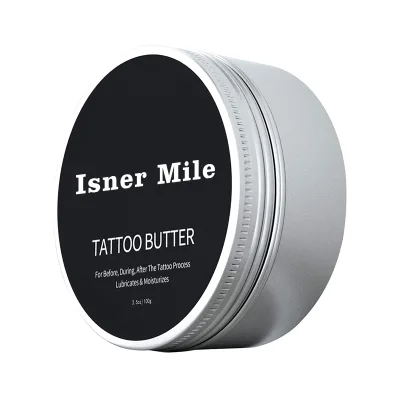


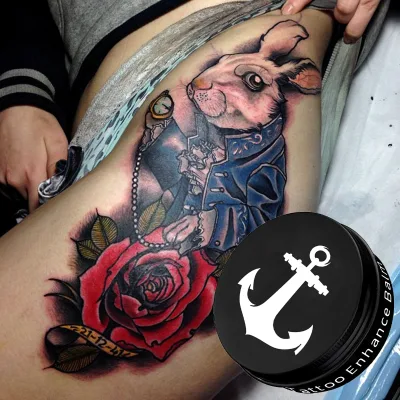
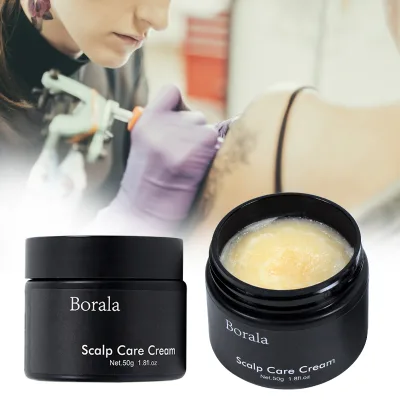
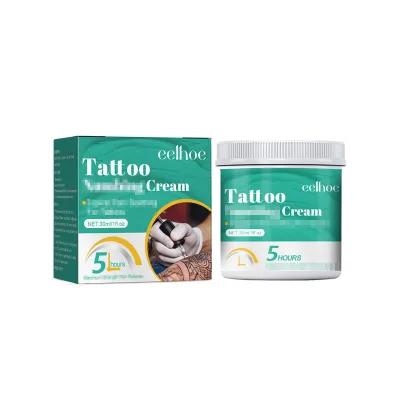
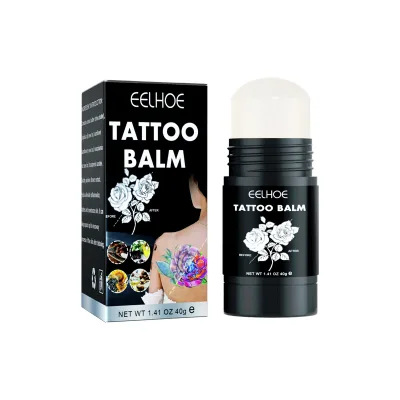


J-Cain 10.65% Body Art Tattoo Supplies Natural Tattoo Care Cream Tattoo Supply
$4.99 - $12.99
MOQ: 10 Pieces



Comprehensive Sourcing Guide
Natural Tattoo Care Cream Sourcing Guide
Procuring Natural Tattoo Care Cream requires distinguishing between products designed for healing and those intended for practice or removal. The observed market includes items explicitly labeled as "Tattoo Aftercare" and "Permanent Makeup Repair Cream," which serve distinct functions in the post-procedure recovery process. Buyers must verify that the "main ingredient" aligns with natural sourcing claims, as some listings specify "Vitamin C" or "Shea Butter" while others list "Herbal" compositions. This distinction is critical because the formulation directly impacts skin safety and the efficacy of the repair process for fresh ink.
Sourcing decisions should also account for the specific application environment, such as professional tattoo shops or permanent makeup studios. The data indicates products are often marketed for "Body Art" and "Breast Care," suggesting a broader utility beyond standard tattoo aftercare. However, the presence of "Tattoo Removal" products in the same category necessitates careful filtering to ensure the selected cream is not a removal agent but a restorative balm. Understanding these functional differences prevents the accidental procurement of incompatible solutions that could compromise client results or studio reputation.
Product Scope and Observed Listing Signals
The current market signals reveal a wide variance in packaging and physical form, ranging from "10ml/piece" bottles to "200g" containers. Buyers must carefully review the "prod_standard" and "prod_packing" fields to ensure the unit size matches their operational needs, as some suppliers offer "Boxes" while others utilize "Carton" or "Express" shipping formats. The observed price range of 0.25 to 12.99 USD suggests significant variation in quality and volume, requiring a clear definition of whether the procurement goal is bulk supply for high-volume studios or premium single-unit solutions for retail.
Material composition is another critical signal, with listings specifying "Aluminium" containers or "Herbal" ingredients. While "Aluminium" packaging offers durability, the "Herbal" designation points toward the natural aspect of the core keyword. Buyers should scrutinize the "Product Name" and "Feature" attributes, noting terms like "Easy" application or "Effect Repair" to gauge user experience. The presence of "Disposable" versus "Non-Disposable" attributes further clarifies the intended lifecycle of the product, ensuring the selected item fits the hygiene protocols of the specific tattoo or cosmetic procedure being performed.
Technical Specifications to Verify
Verification of technical specifications must begin with the exact "prod_model" and "prod_standard" to confirm the product identity. Listings show models ranging from "permanent Cream" to "MIA251018.1," indicating that generic names like "Tattoo Butter" or "Tattoo Aftercare" may mask distinct formulations. Buyers should demand batch-specific data sheets that confirm the "Single package size" and "Single gross weight," as these metrics affect shipping costs and storage logistics. The "Size: Customized Size" attribute suggests flexibility, but this requires explicit confirmation of the final dimensions before production begins to avoid logistical mismatches.
Ingredient transparency is paramount for natural care products, particularly regarding the "main ingredient" and specific "ingredient" lists. While some products highlight "Vitamin C" or "Coconut Oil," others emphasize "Sulfate-Free" formulations which are essential for sensitive post-tattoo skin. The "Color" of the cream, observed as "White," "Black," or "Purple," may indicate specific active compounds or dyes that could affect the healing process. Buyers must verify that the "Usage" aligns with the intended "target area," such as "Body" or specific "Permanent Makeup Practice" zones, to ensure the technical properties of the cream are suitable for the intended anatomical application.
Compliance and Safety Documentation
Safety documentation for tattoo aftercare creams must address the specific regulatory requirements of the destination market, particularly regarding cosmetic and body art products. Although specific certification names are not provided in the source data, buyers should request proof of compliance with local health authority standards for topical applications. The "Function" listed as "Tattoo Repair Aftercare Cream" implies a medical or semi-medical claim, which often triggers stricter scrutiny than standard cosmetic products. Ensuring that the supplier can provide relevant safety data sheets is essential to mitigate liability risks associated with skin reactions or infections.
Documentation should also verify the origin and manufacturing standards, as the "prod_origin" is listed as "Guangzhou, Guangdong, China" or generally "China." Buyers need to confirm that the manufacturing facility adheres to Good Manufacturing Practices (GMP) or equivalent international standards for cosmetic production. The "Payment Term" and "Shipping" methods like "DHL EMS UPS FedEx" indicate the logistical chain, but they do not replace the need for quality assurance certificates. Without explicit verification of the "prod_standard" against international safety norms, the risk of importing non-compliant products remains high, potentially leading to customs seizures or market recalls.
Cost Drivers and Commercial Terms
Cost drivers in this category are heavily influenced by the "MOQ" range, which spans from 1 to 3600 units, allowing for both trial orders and large-scale procurement. The "Selling Units" being listed as "Single item" suggests that some suppliers cater to small businesses or individual practitioners, while others focus on bulk distribution. Buyers must calculate the total landed cost, factoring in the "Single gross weight" of 1.000 kg per unit, which significantly impacts freight charges compared to lighter packaging. Understanding the relationship between the "prod_standard" volume and the unit price is essential for optimizing the budget without compromising on the quality of natural ingredients.
Commercial terms extend beyond the unit price to include payment security and shipping reliability. The observed "Payment Term" options like "Paypal, Bank, etc." offer flexibility but require careful vetting of the supplier's financial stability. Shipping methods such as "DHL EMS UPS FedEx" are standard, but the lead time and reliability of these carriers must be confirmed to ensure timely delivery for studio operations. Buyers should negotiate terms that align with their cash flow, especially when dealing with customized sizes or specific packaging requirements that may incur additional setup costs not reflected in the base price.
Supplier Qualification and Quality Control
Supplier qualification should focus on the ability to provide consistent "Customization" and maintain strict quality control over natural ingredients. The "Advantages" listed as "Effect Repair" are subjective claims that must be backed by tangible quality assurance processes. Buyers should request samples to verify the "Color," "Texture," and "Ingredient" consistency across batches, as natural products can vary significantly based on harvest seasons and sourcing. The "Feature" of being "Easy" to use is a user experience metric that should be validated through practical testing before committing to a large order.
Quality control protocols must also address the "prod_packing" integrity to prevent contamination during transit. Whether the product is packed in "Boxes," "Carton," or "Express" packaging, the supplier must demonstrate that the sealing process maintains the sterility of the cream. The "Material" of the container, such as "Aluminium," should be checked for compatibility with the cream's chemical composition to prevent degradation. Establishing a clear communication channel for addressing defects is crucial, as the "Usage" for "Tattoo Shops" implies that any product failure could directly impact client health and the studio's professional standing.
Long-Term Procurement Checks
Long-term procurement requires establishing a framework for continuous performance monitoring and supplier relationship management. Buyers should track the consistency of the "main ingredient" and "ingredient" profiles over time, as natural sourcing can lead to variations in potency or purity. Regular audits of the "prod_standard" and "prod_model" ensure that the product specifications remain unchanged unless a deliberate reformulation is agreed upon. This proactive approach helps maintain the efficacy of the "Tattoo Repair Aftercare Cream" and ensures that the "Effect Repair" claims remain valid throughout the contract period.
Strategic planning must also consider the evolving regulatory landscape and market trends for natural body art products. As the "Usage" expands to include "Breast Care" and "Permanent Makeup Practice," the supplier must be capable of adapting to new application requirements. Buyers should maintain a diversified supplier base to mitigate risks associated with supply chain disruptions, especially given the "Location" concentration in specific regions of China. Regular reviews of the "Shipping" performance and "Payment Term" adherence will ensure that the procurement process remains efficient and cost-effective over the long term.
FAQs
What is the main ingredient in Natural Tattoo Care Cream?
The main ingredient is often Vitamin C or Shea Butter, depending on the specific product formulation. Some variants also include Coconut Oil to ensure effective repair and aftercare for body art. These natural components help soothe the skin while promoting healing without harsh chemicals.
Can I find customized sizes for tattoo repair cream?
Yes, customized sizes are available for tattoo repair cream products to meet specific business needs. Manufacturers offer options like 10ml, 15ml, or 50g bottles, allowing buyers to select the most suitable packaging for their tattoo shops or practice sessions. This flexibility supports diverse inventory requirements.
Which packaging types are used for tattoo aftercare products?
Packaging options include boxes, cartons, and express delivery units depending on the supplier. Some products come in single items while others are packed in larger quantities. The material often involves aluminum or herbal containers to ensure product integrity during shipping and storage for tattoo professionals.
How is the product standard defined for tattoo butter?
Product standards are typically defined by weight, such as 10g per piece or 200g per unit. These specifications ensure consistency in the amount of cream provided for each application. Buyers should verify the exact standard, like 15ml per piece, to match their specific usage requirements for body art.
What is the origin of Natural Tattoo Care Cream?
Many natural tattoo care creams originate from Guangzhou, Guangdong, China, or other regions within China. This location is a known hub for manufacturing tattoo supplies and aftercare products. Buyers can expect products to be sourced from established facilities in these areas to ensure quality and availability.
Can I source sulfate-free tattoo care cream?
Yes, sulfate-free options are available for those seeking gentler aftercare solutions. These products are designed to be safe for sensitive skin while still providing effective repair and healing benefits. Buyers can find formulations that prioritize natural ingredients like herbal extracts to avoid harsh chemical exposure during the tattoo healing process.