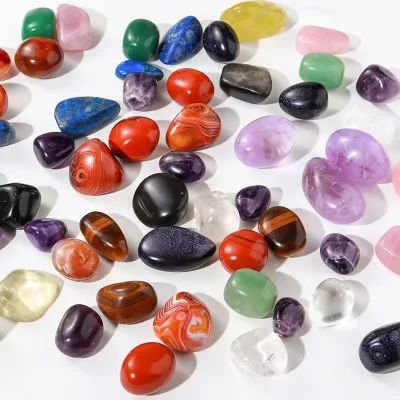
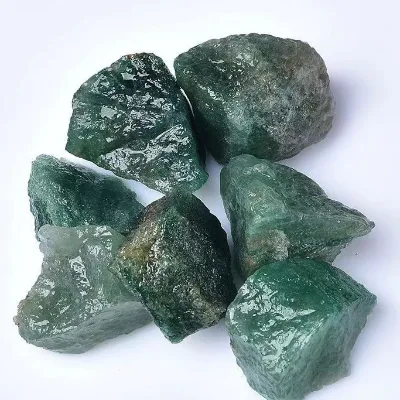
Source Natural Tumbled Stone Strawberry Quartz for decoration
Compare 30 listings for Natural Tumbled Stone Strawberry Quartz from verified suppliers. Buyers can review prices, MOQs, and customization options for landscaping, health collections, and home decoration projects.
Key considerations
Products List





Quartz White Quart Stone Slabs Polished Engineered Stone Quartz Stone Countertop
$20.00 - $50.00
MOQ: 50 Square Meters

Elegant Imitation Natural Marble Quartz Stone with Unique Cracks
$20.00 - $60.00
MOQ: 50 Square Meters

Green Block Pattern Imitation Nature Stone Horizon Quartz Jade Stone
$20.00 - $60.00
MOQ: 50 Square Meters

China Wholesale Stone High-Quality Pure White Quartz for Kitchen
$20.00 - $50.00
MOQ: 100 Square Meters




Sparkling White Quartz Engineered Stone Quartz Stone Various Style Calacatta White
$35.00 - $75.00
MOQ: 100 Square Meters


Comprehensive Sourcing Guide
Strategic Sourcing Guide for Natural Tumbled Stone Strawberry Quartz
Procuring natural tumbled stone, specifically varieties like strawberry quartz, requires a disciplined approach that balances aesthetic requirements with rigorous supply chain verification. The global market for natural stones is vast, yet the specific segment of tumbled stones used for decoration, healing, and collection presents unique challenges regarding material authenticity, processing consistency, and logistical reliability. This guide synthesizes available product attributes and industry standards to provide a framework for buyers navigating this sector. The objective is to ensure that procurement decisions are grounded in verifiable facts rather than marketing assertions, thereby mitigating risk in the sourcing process.
Technical Specifications and Material Verification
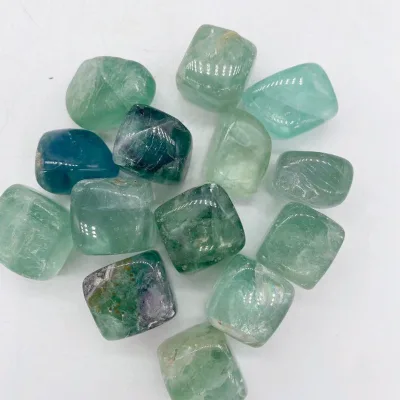
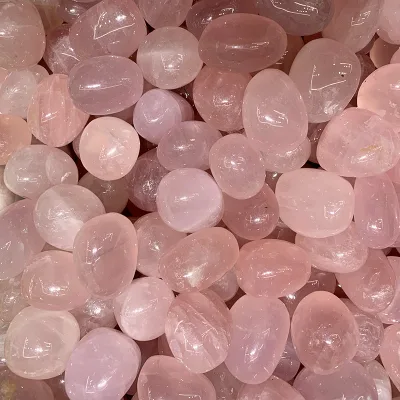
The foundation of any successful procurement strategy lies in the precise definition of technical specifications. For natural tumbled stones, the material composition is the primary differentiator. In the context of strawberry quartz, buyers must verify that the material is indeed a natural crystal variety, often categorized under quartz sandstone or natural crystal types depending on the geological formation. The supplied data indicates that specific listings describe the material as "Natural Crystal" or "Green Fluorite," highlighting the critical need for buyers to distinguish between different mineral types. Strawberry quartz is a specific variety of quartz, often characterized by its pinkish hue, which must be confirmed against the supplier's material declaration.
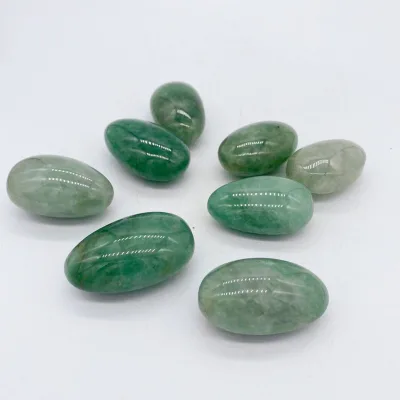
Beyond the raw material, the physical form and processing method are essential specifications. The industry standard for tumbled stones involves a specific finishing process. The observed data points to "Polished" as a common surface finishing technique, achieved through mechanical tumbling or hand-carving processes. Some listings mention "Handmade & Hand-Carved" processing, suggesting a tier of craftsmanship that may command different pricing or lead times compared to fully automated production. The shape of the stones is another critical variable; while some products are listed as "Square" or "Free Form," the "Tumbles" model number suggests a rounded, smoothed aesthetic typical of the category. Buyers should explicitly request dimensional tolerances, as the "10-30mm" standard mentioned in some contexts may not apply to all tumbled stone products.
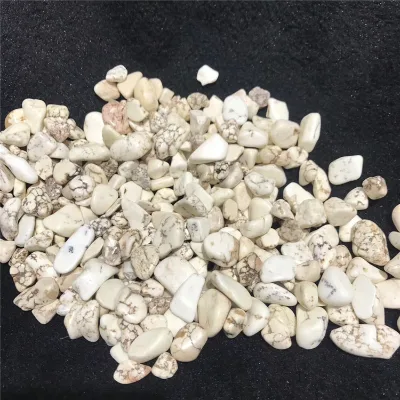
Furthermore, the production state of the stone is vital. The data notes that stones are often "Washed and Dry" prior to packaging, which is a standard requirement to prevent mold or degradation during transit. However, the distinction between "Natural Crushed Stone" and "Tumbled Stone" must be clear, as the latter implies a specific smoothing process that the former does not necessarily include. Buyers must ensure the supplier's definition of "tumbled" aligns with the desired aesthetic and functional outcome, particularly if the stones are intended for jewelry making or specific decorative applications.
Compliance, Certification, and Standards
In the realm of natural stone procurement, compliance often revolves around the verification of origin and the absence of harmful treatments. Unlike manufactured goods, natural stones do not always carry universal safety certifications, but buyers should demand transparency regarding the source. The supplied information confirms that the "Place of Origin" is frequently listed as "Fujian Province, China" or "Jiangsu," indicating a concentration of supply in these regions. While this provides a geographical anchor, it does not constitute a certification of ethical mining or environmental compliance.
Buyers must verify if the supplier adheres to any specific "prod_standard" or industry norms. The data mentions "custom" standards and specific size ranges like "10-30mm," but it does not list international safety certifications such as ISO or REACH compliance for the stone material itself. Consequently, the buyer's responsibility is to request documentation that confirms the stone is free from heavy metal contamination or artificial dyeing processes that might be used to enhance color. For instance, while some listings mention "Healing Energy" or "Lucky" functions, these are marketing attributes rather than scientific certifications. A prudent buyer will treat such claims as observations of the product's intended market positioning rather than verified performance metrics.
Additionally, the packaging standards play a role in compliance, particularly regarding shipping regulations. The data indicates "Woven Bag" or "Carton Transportation" as common packing methods. For international shipments, buyers should ensure that the packaging meets the phytosanitary and customs requirements of the destination country, especially if the stones are considered raw agricultural or geological products. The "saft package" mentioned in the data suggests a focus on protection, but the specific material composition of this packaging should be verified to ensure it does not contain restricted substances.
Cost Drivers and Pricing Dynamics
Understanding the cost structure of natural tumbled stones is essential for budgeting and negotiation. The observed price range in the market spans from 1 to 280 USD, a wide variance that reflects differences in material quality, processing complexity, and order volume. Several key factors drive these costs. First, the "MOQ" (Minimum Order Quantity) varies significantly, with some suppliers accepting orders as low as 1kg, while others may require up to 200 units. This flexibility can influence the unit price, with smaller orders often commanding a premium due to the fixed costs of handling and packaging.
The processing method is another major cost driver. Listings that specify "Design & Engraving & Molding & Polishing" or "Hand-Carved" processes will inherently cost more than those that are simply "Washed and Dry." The labor intensity of handmade items, such as those described with "Style: Mascot" or "Shape: Square," adds a layer of value that is reflected in the final price. Conversely, bulk commodities like "Quartz Sandstone" in cut-to-size formats may have lower per-unit costs but higher logistical expenses.
Lead times also impact the overall cost of procurement. The data indicates a delivery window of "Within 10~25 days After We Received The Deposit." This timeframe suggests that the production cycle is relatively short, but the variability depends on the complexity of the customization. "Customization: Available" and "OEM Service: Acceptable" imply that bespoke orders will extend the lead time and potentially increase costs due to the setup required for unique designs. Buyers should factor in these variables when calculating the total landed cost, including freight, which is often paid by the buyer for samples, as noted in the data.
Typical Applications and Market Segmentation
The versatility of natural tumbled stones allows them to serve a diverse range of applications. The supplied data highlights several usage categories, including "Paving, Landscape, Decoration," "Home Decoration," and "Collection, Gift." This broad applicability means that buyers must define their specific use case to ensure the product specifications match the end requirement. For landscape and paving applications, the durability and size of the stone are paramount, whereas for home decoration and gifts, the aesthetic appeal, color consistency, and "Style: High End" attributes become the primary decision factors.
The "Function: Healing Energy Lucky" attribute points to a specific market segment focused on metaphysical or wellness products. In this sector, the visual appearance and the perceived energy of the stone are as important as the physical dimensions. Buyers targeting this niche should verify that the "Color: As Picture" claim is accurate, as natural stones can vary in hue. The "Green Fluorite" and "Strawberry Quartz" examples illustrate how different mineral types cater to different consumer preferences.
Furthermore, the "Product Type: Tumbles" and "Model Number: tumbles" suggest a standardized product line that can be easily integrated into existing product catalogs. The "Theme: Love" and "Style: Mascot" attributes indicate that these stones are often used in thematic gift sets or promotional items. Understanding these applications helps buyers align their sourcing strategy with the specific needs of their target customers, whether they are retailers, wholesalers, or direct-to-consumer brands.
Supplier Evaluation and Quality Control
Evaluating suppliers for natural stone products requires a multi-faceted approach that goes beyond simple price comparisons. The "Capacity: 500ton/Week" figure provides a baseline for assessing the supplier's ability to handle large orders, but it does not guarantee consistency in quality. Buyers should verify the supplier's track record in delivering "Free Samples" and "1PCS" sample orders, as this is often the first step in quality verification. The fact that "Freight Is Paid by The Buyer" for samples is a standard industry practice, but it also means the buyer must be prepared to cover initial shipping costs.
Quality control should focus on the consistency of the "Surface Finishing: Polished" and the uniformity of the "Shape." Since natural stones are geological products, some variation is expected, but excessive deviation can indicate poor sorting or processing. Buyers should request a detailed inspection report or a video of the production line to verify the "Handmade & Hand-Carved" claims. The "Production: Design & Engraving & Molding & Polishing" process suggests a level of craftsmanship that should be visible in the final product.
Additionally, the "Transportation: by Sea or by Air" options offer flexibility, but the choice of transport mode can affect the condition of the stones. Fragile items like tumbled stones may require special handling to prevent chipping or breakage during transit. Buyers should inquire about the supplier's packaging protocols to ensure that the "saft package" or "Carton Transportation" is robust enough to protect the goods. The "Place of Product: Fujian Province, China" and "JIANG SU" locations suggest a concentration of suppliers in these regions, which can be advantageous for logistics but requires due diligence on the specific factory's capabilities.
Long-Term Procurement Considerations
Sourcing natural tumbled stones is not a one-time transaction but a long-term relationship that requires ongoing management. The "Customization: Available" and "OEM Service: Acceptable" features indicate that suppliers are willing to adapt to changing market demands, but this requires clear communication and defined specifications. Buyers should establish a formal agreement that outlines the "prod_standard," such as the "10-30mm" size range, to ensure consistency across multiple orders.
The "Delivery: Within 10~25 days" lead time is a critical factor for inventory planning. Buyers must account for potential delays due to customization requests or seasonal variations in production capacity. The "MOQ: 1kg" flexibility is beneficial for testing new products, but long-term contracts may require higher volume commitments to secure better pricing. The "Brand Name: pingtouge" and "Product Name: Natural Crushed Stone" examples show that branding can be a significant part of the value proposition, and buyers should consider whether they want to co-brand or use the supplier's existing brand.
Finally, the "Feature: Fashion Trend" attribute suggests that the market for these stones is dynamic. Buyers must stay informed about emerging trends in home decoration and gift markets to ensure their product offerings remain relevant. Regular quality audits and feedback loops with the supplier are essential to maintain high standards and address any issues promptly. By focusing on these long-term considerations, buyers can build a resilient supply chain that supports their business growth in the natural stone sector.
FAQs
What material is used for Natural Tumbled Stone Strawberry Quartz?
The material is natural crystal, often categorized as quartz sandstone or natural crushed stone. Some listings specify green fluorite, so buyers must verify the exact mineral type to ensure it matches the strawberry quartz requirement.
Can I request custom sizes for Natural Tumbled Stone Strawberry Quartz?
Yes, customization is available and standard sizes like 10-30mm can be adjusted. Buyers should confirm specific dimensions with the supplier, as the standard may vary depending on the production line and order volume requirements.
How long is the delivery time for Natural Tumbled Stone Strawberry Quartz?
Delivery occurs within 10 to 25 days after the deposit is received. This timeline applies to standard orders, but customized designs or large capacity orders may require additional processing time depending on factory workload.
What is the minimum order quantity for Natural Tumbled Stone Strawberry Quartz?
The minimum order quantity can be as low as 1kg for some suppliers. However, other listings indicate an MOQ range up to 200 units, so buyers must check specific supplier terms before placing an order.
Where are Natural Tumbled Stone Strawberry Quartz products manufactured?
Products originate from Fujian Province and Jiangsu in China. These regions have a capacity of 500 tons per week, indicating a concentrated supply base for natural crystal and quartz sandstone varieties.
How are Natural Tumbled Stone Strawberry Quartz products packaged?
Packaging options include woven bags, cartons, or custom requests as per buyer needs. Some listings mention a safe package design to protect the stones during sea or air transportation to the destination.