Source Natural Touch Artificial Bamboo Tree for Landscaping, Events, and Home Decor
Find and compare 30 listings for Natural Touch Artificial Bamboo Tree options suitable for indoor offices, outdoor landscaping, and event venues. Evaluate features like eco-friendly materials, wind resistance, and customization options to select the best fit for your project needs.
Key considerations
Products List


$16.20 - $16.80
MOQ: 48 Pieces


Nearly Natural Plant Artificial Bamboo Tree Potted Plants Artificial Tree
$9.50 - $23.00
MOQ: 50 Pieces

Outdoor Garden Decoration Simulation Plant Artificial Bamboo Palm Tree
$98.00 - $138.00
MOQ: 10 Meters


Artificial Pine Tree Home Hotel Decor Artificial Tree Plant Fake Pine Tree
$260.00 - $280.00
MOQ: 1 Meters


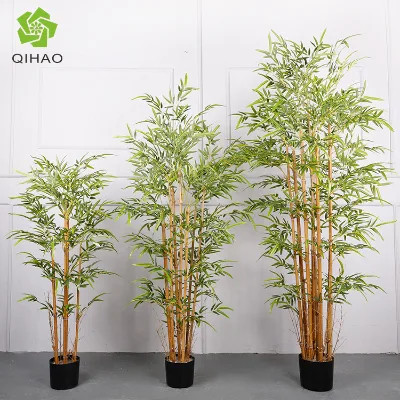
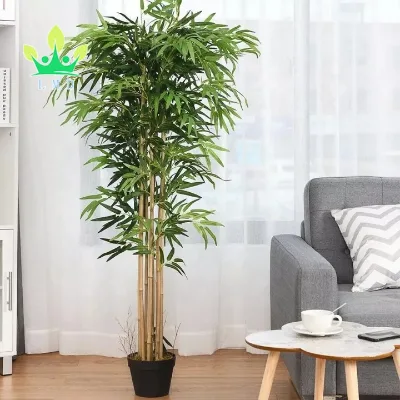


Comprehensive Sourcing Guide
Natural Touch Artificial Bamboo Tree Sourcing Guide
Procuring high-quality artificial bamboo trees requires a nuanced understanding of the materials and construction methods that define a "natural touch" aesthetic. Buyers must distinguish between products that rely solely on visual similarity and those engineered for durability and realistic texture. The market offers a variety of options, ranging from small indoor bonsai styles to large-scale outdoor landscaping trees, each with distinct structural requirements. Understanding these variations is critical for aligning product selection with specific project needs, whether for interior design, event staging, or permanent outdoor installations.
This guide focuses on evidence-based sourcing strategies for artificial bamboo and related artificial trees, such as ficus or banyan styles, which often share similar supply chains and material profiles. By examining observed listing signals, technical specifications, and commercial terms, buyers can mitigate risks associated with quality inconsistencies. The following sections provide a structured approach to evaluating suppliers, verifying product attributes, and establishing robust procurement protocols for artificial greenery.
Product Scope and Observed Listing Signals
The observed product landscape for artificial bamboo and related decorative trees reveals a diverse range of styles and applications. Listings indicate the availability of artificial mini bamboo, artificial potted plants, and larger artificial trees such as banyan or ficus styles. These products are marketed for various settings, including home offices, supermarkets, hotels, cafes, and public spaces. The style descriptors often highlight "artificial bamboo" or "artificial tree" characteristics, with specific mentions of features like eco-friendly materials, anti-wind, and anti-sunburn properties, suggesting suitability for both indoor and outdoor use.
Packaging and origin data provide additional context for sourcing decisions. Products are typically shipped in nylon bags, cartons, or more robust plywood and iron frames, depending on the size and fragility of the item. The majority of observed listings originate from Guangdong, China, a major hub for artificial plant manufacturing. Buyers should note that while some products are described as handmade, others utilize a combination of machinery and handmade processes, which can impact the final texture and realism of the leaves and trunks.
Technical Specifications to Verify
Verifying technical specifications is essential to ensure the product meets the desired aesthetic and functional requirements. Key attributes to confirm include the material composition, which is predominantly plastic, and the specific type of leaves, such as banyan or olive leaves, which contribute to the natural appearance. The trunk color and base shape, available in square or round options, should be customized to match the design intent. Additionally, the height and size standards vary significantly, with options ranging from 61cm to 90cm for smaller plants to customized heights up to 6 meters for large trees.
The processing method and surface treatment are critical for achieving a natural touch. Buyers should verify whether the product is handmade or produced using machinery combined with hand-finishing techniques. Surface treatments, such as painting, can enhance the realism of the trunk and leaves. It is also important to confirm the standard dimensions, which may include specific heights like 130cm, 150cm, 180cm, or 210cm, or fully customized sizes. Ensuring these details are clearly defined in the purchase order prevents discrepancies between the sample and the bulk order.
Compliance and Safety Documentation
While specific certification statuses are not explicitly detailed in the observed listings, buyers must proactively request compliance documentation to ensure safety and regulatory adherence. For products intended for indoor use, verifying that materials are non-toxic and free from harmful chemicals is paramount. For outdoor applications, confirming resistance to UV radiation and weather conditions is essential to maintain the product's appearance and structural integrity over time. Buyers should ask suppliers to provide test reports or material safety data sheets that demonstrate compliance with relevant international standards.
Additionally, buyers should verify the product's durability and lifespan claims. Observed data suggests a lifetime of 5-8 years or more, but this should be substantiated by supplier guarantees or warranty terms. Understanding the maintenance requirements and the product's ability to withstand environmental factors, such as wind and sunburn, is crucial for long-term satisfaction. Requesting detailed information on the product's standard specifications and any applicable industry certifications helps mitigate risks associated with premature degradation or safety hazards.
Cost Drivers and Commercial Terms
Several factors influence the cost of artificial bamboo trees, including the complexity of the design, the quality of materials, and the level of customization. Handmade products and those with intricate details, such as customized trunk colors or specific leaf types, typically command higher prices. The size of the tree is another significant cost driver, with larger trees requiring more materials and labor. Buyers should also consider the packaging requirements, as robust packaging like plywood frames adds to the overall cost but ensures safe delivery.
Commercial terms, including minimum order quantities (MOQ), lead times, and payment methods, vary among suppliers. Observed MOQs range from 1 piece to 4 pieces, offering flexibility for small orders, while lead times typically span 7-20 days depending on the production schedule and customization level. Payment options such as PayPal are available, but buyers should negotiate terms that protect their interests, such as partial payments or escrow services. Understanding these commercial dynamics allows buyers to budget accurately and plan their procurement timelines effectively.
Supplier Qualification and Quality Control
Evaluating supplier qualifications is a critical step in ensuring the reliability of the supply chain. Buyers should assess the supplier's experience in manufacturing artificial plants and their ability to handle customized orders. Verifying the supplier's production capabilities, including their use of machinery and handmade processes, helps gauge the consistency and quality of the final product. Requesting samples before placing bulk orders is essential to evaluate the natural touch, color accuracy, and overall craftsmanship.
Quality control measures should be clearly defined and agreed upon with the supplier. This includes establishing acceptance criteria for defects, such as loose leaves, uneven coloring, or structural weaknesses. Buyers should also inquire about the supplier's quality assurance processes, including inspections during production and before shipment. Clear communication regarding packaging standards and shipping methods, such as express, air, sea, or train, ensures that products arrive in pristine condition. Establishing a strong relationship with a qualified supplier enhances the likelihood of consistent quality and timely delivery.
Long-Term Procurement Checks
Establishing long-term procurement checks ensures sustained quality and value from the supplier relationship. Regularly reviewing product performance and customer feedback helps identify any recurring issues or areas for improvement. Buyers should monitor the supplier's ability to meet lead times and maintain consistent quality across multiple orders. Building a history of successful transactions with a supplier can lead to better pricing, priority production, and improved customer service.
Additionally, buyers should stay informed about industry trends and new product developments in the artificial plant sector. This includes exploring new materials, designs, and customization options that can enhance the natural touch and durability of the products. Maintaining open communication with the supplier regarding future needs and potential changes in specifications allows for proactive planning and adaptation. By implementing these long-term checks, buyers can optimize their sourcing strategy and achieve greater efficiency and satisfaction in their procurement of artificial bamboo trees.
FAQs
What is the typical lead time for these artificial bamboo trees?
The lead time ranges from 10 to 20 days depending on the specific order requirements. Some products are ready within 15 to 20 days, while others may take 7 to 15 days for production. This duration accounts for the handmade or machinery processing involved in creating the artificial plants.
Can I customize the height and style of the artificial bamboo?
Yes, customization is available for height, size, and shape to meet specific needs. Standard options include heights from 61cm to 90cm or up to 210cm, with styles ranging from mini bamboo to full trees. Buyers can request specific dimensions like 2 meters or other customized sizes.
What materials are used to make these artificial plants?
These artificial plants are primarily made from plastic materials designed to look realistic. The leaves may feature banyan or olive leaf styles, and the trunks support customization for color. The products are treated with painting processes to enhance their appearance and durability.
Where are these artificial bamboo trees manufactured?
The products originate from Guangdong, China, or generally from China as a manufacturing hub. This location allows for efficient production and shipping via various methods including express, air, sea, or train. The origin ensures access to established supply chains for these decorative items.
What is the minimum order quantity for purchasing these trees?
The minimum order quantity varies, with some listings requiring as few as 1 piece while others start at 4 pieces. This flexibility allows buyers to test the market or order small batches for specific events. Larger orders may be subject to different pricing or packaging terms.
How long do these artificial bamboo trees typically last?
The expected lifetime of these artificial plants is at least 5 to 8 years under normal conditions. They are designed with features like anti-wind and anti-sunburn properties to ensure longevity. This durability makes them suitable for both indoor and outdoor landscaping applications.
What packaging options are available for shipping these products?
Packaging options include nylon bags, cartons, or plywood and iron frames for larger trees. The specific packaging depends on the product model and size, ensuring safe transport. Boxed packaging is also available for certain items to protect them during shipping.