Source Natural White Kitchen Paper Towel with Pattern for Cleaning, Wiping, and Drying
Find 30 options for Natural White Kitchen Paper Towel with Pattern, featuring 2-ply virgin wood pulp and various roll or folded styles. Compare GSM weights, absorbency levels, and custom packaging to match your specific cleaning and hygiene needs.
Key considerations
Products List


Virgin Pulp Kitchen Paper Towel with High Absorbency for Modern Home Kitchens
$0.24 - $0.27
MOQ: 10000 Pieces


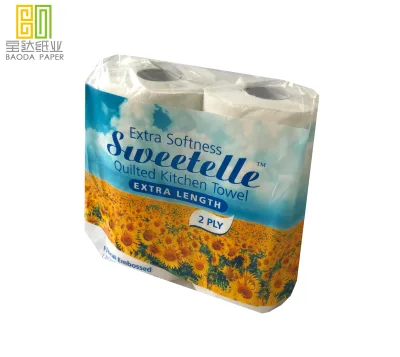
Custom Printed Eco-Friendly Kitchen Paper Towels for Hassle-Free Cleaning
$0.35 - $0.40
MOQ: 10000 bags
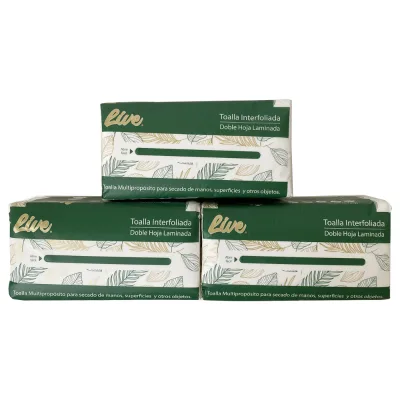
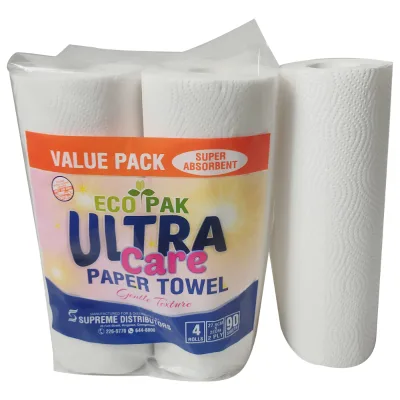


Eco-Friendly Good Quality Low Price Fashionable Kitchen Towel Supermarket Kitchen Towel
$0.75 - $0.76
MOQ: 20000 Pieces

Comprehensive Sourcing Guide
Natural White Kitchen Paper Towel with Pattern Sourcing Guide
The market for natural white kitchen paper towels with patterned designs offers a distinct blend of functional utility and aesthetic appeal, catering to buyers who require both high absorbency and visual differentiation for branding or retail presentation. Based on observed product listings, these items are frequently manufactured from virgin wood pulp, ensuring the necessary strength and softness required for heavy-duty kitchen tasks like wiping spills or drying dishes. The presence of a pattern on a white base allows for a clean, professional look that can be customized to match specific brand identities, making this product category particularly suitable for private label opportunities in the food service and retail sectors.
Procurement strategies for this specific item must account for the variability in physical form factors, as the supply chain offers both roll and folded configurations to suit different dispensing needs. While the core keyword emphasizes a "natural white" appearance, the data indicates that multicolor options and specific patterned designs are available, suggesting that buyers should clarify whether the "pattern" refers to embossed textures, printed designs, or color variations. Understanding these distinctions is critical before engaging with suppliers, as the manufacturing process for printed patterns differs significantly from embossed textures, impacting both the unit cost and the minimum order quantities required to achieve a viable production run.
Product Scope and Observed Listing Signals
Buyers entering this market should first analyze the observed listing signals regarding material composition and physical structure to ensure alignment with their quality standards. The available data confirms that virgin wood pulp is a primary material source, which is a strong indicator of high absorbency and structural integrity compared to recycled alternatives. However, the listings also note the availability of recycled and mixed pulp options, meaning that a buyer seeking "natural" quality must explicitly specify virgin pulp in their inquiry to avoid receiving lower-grade products that may lack the necessary strength for kitchen applications.
The scope of the product extends beyond simple material selection to include diverse packaging and core configurations that directly influence logistics and end-user experience. Listings reveal a wide range of core options, from products with cores to those without, and various packing styles including individual wrapping, polybags, and cartons containing multiple rolls or packs. This variability requires the buyer to define their specific requirements for the dispensing mechanism and shelf presentation early in the sourcing process, as a folded product without a core will have different storage and shipping characteristics compared to a roll with a core designed for countertop dispensers.
Technical Specifications to Verify
When evaluating technical specifications, the basis weight and ply count are the most critical metrics for determining the durability and absorbency of the paper towel. The observed data highlights a range of basis weights, from 18-30 GSM for lighter applications to specific 23 GSM or 35-38 GSM options for heavier duty use, alongside a clear distinction between 1-ply and 2-ply constructions. A buyer must verify the exact GSM and ply count for their target market, as a 2-ply towel with a higher GSM will offer superior wet strength and absorbency, which is essential for kitchen environments where liquids and grease are common, whereas a single-ply option may be more cost-effective for light-duty tasks.
Dimensional consistency and sheet size are equally vital, as the standard dimensions observed in the market vary significantly between different product models and styles. Specifications such as 215mm x 225mm for folded sheets or 200mm x 150m for rolls indicate that there is no single universal size, and buyers must confirm the exact sheet dimensions and roll length to ensure compatibility with their existing dispensers or packaging machinery. Additionally, the presence of a core or the lack thereof affects the usable length and the method of installation, so verifying the core diameter and the total linear footage or sheet count per pack is necessary to prevent operational disruptions during the product's lifecycle.
Compliance and Safety Documentation
Ensuring that the paper towels meet food contact safety standards is a non-negotiable aspect of sourcing kitchen-grade products, particularly when the material is virgin wood pulp intended for direct or indirect food handling. While the provided data mentions certifications like SGS and ISO, buyers must explicitly request documentation proving that the specific product batch complies with local food safety regulations, such as FDA regulations in the United States or equivalent standards in the European Union. The absence of a specific food-grade certification in the general listing data means that the buyer cannot assume compliance and must verify that the manufacturer has the necessary testing protocols in place to guarantee the paper is free from harmful chemicals or contaminants.
Environmental compliance is another critical area where documentation must be scrutinized, especially given the "Eco-Friendly" and "Biodegradable" attributes observed in the product listings. Although the data suggests these features are available, buyers should request third-party test reports or specific certification details to validate these claims, as the term "eco-friendly" can be used loosely without substantive backing. If the product is marketed as biodegradable, the buyer needs to understand the specific conditions under which this degradation occurs and whether the manufacturer can provide evidence that the product meets recognized biodegradability standards, ensuring that the environmental claims align with the buyer's sustainability goals and regulatory requirements.
Cost Drivers and Commercial Terms
The cost structure for natural white kitchen paper towels with patterns is heavily influenced by the complexity of the customization and the volume of the order, as evidenced by the wide range of observed minimum order quantities (MOQs) from 1 to 50,000 units. Buyers should anticipate that custom patterns, specific color combinations, or unique packaging requirements will increase the unit cost and may necessitate a higher MOQ to justify the setup costs for the printing or embossing machinery. Understanding the relationship between customization levels and pricing is essential for budgeting, as a standard white roll will be significantly cheaper than a custom-printed variant with a specific pattern and branding.
Commercial terms regarding packaging and shipping logistics play a significant role in the total landed cost, as the observed packing configurations vary from simple polybags to complex carton arrangements with specific roll counts. The data indicates packing options such as 12 rolls per carton or 100 sheets per pack, and these variations directly impact the number of pallets required for shipping and the efficiency of warehouse storage. Buyers must negotiate clear terms regarding the outer packing dimensions and weight to optimize freight costs, as inefficient packing can lead to wasted space in shipping containers and higher transportation expenses, which can erode the profit margins of the final product.
Supplier Qualification and Quality Control
Selecting a qualified supplier requires a rigorous assessment of their manufacturing capabilities, particularly their ability to maintain consistency in pattern printing and material quality across large production runs. The observed data shows suppliers operating in various regions of China, including Guangdong and Shanghai, which suggests a competitive market with diverse capabilities. Buyers should verify the supplier's experience with specific product models and their track record in delivering consistent quality, as the presence of a pattern adds a layer of complexity that can lead to defects if the printing or embossing process is not tightly controlled.
Quality control protocols must be established before production begins, focusing on critical checkpoints such as basis weight consistency, ply adhesion, and pattern alignment. Given the variability in observed specifications, buyers should implement a pre-shipment inspection plan that includes random sampling to verify that the delivered goods match the agreed-upon technical specifications, including the GSM, dimensions, and core type. It is also advisable to request a sample of the actual production batch to test absorbency and strength, ensuring that the "high absorbency" claims observed in the listings are met in the final product before committing to a large-scale order.
Long-Term Procurement Checks
Establishing a long-term procurement relationship involves regular audits of the supplier's ability to maintain quality standards and adapt to changing market demands, such as new sustainability regulations or evolving consumer preferences for packaging. Buyers should schedule periodic reviews of the supplier's performance, focusing on their ability to meet delivery timelines and maintain the consistency of the "natural white" appearance and pattern quality over time. This proactive approach helps identify potential issues early, such as material shortages or production delays, allowing for timely adjustments to the supply chain strategy.
Continuous improvement in the product line should be a shared goal between the buyer and the supplier, with a focus on optimizing cost structures and enhancing product features based on market feedback. As the market for kitchen paper towels evolves, buyers should work with suppliers to explore new materials, such as alternative pulp blends or more sustainable packaging solutions, while ensuring that the core attributes of absorbency and durability are not compromised. By maintaining open communication and setting clear performance metrics, buyers can foster a partnership that drives innovation and ensures a steady supply of high-quality, patterned kitchen paper towels that meet the needs of their end consumers.
FAQs
What materials are used for natural white kitchen paper towels?
These paper towels are primarily made from virgin wood pulp, ensuring high absorbency and strength for kitchen cleaning tasks. Some options also utilize recycled pulp or mixed pulp materials to offer eco-friendly alternatives. The use of virgin pulp guarantees a clean, white appearance suitable for food-related environments, while recycled options support sustainability goals for bulk buyers seeking responsible sourcing.
Can I customize the specifications of these kitchen paper towels?
Yes, customization is available for many of these products, allowing buyers to tailor dimensions and packaging to their needs. Standard sizes like 215mm by 225mm are common, but custom standards can be requested. Buyers can also specify basis weights ranging from 18 to 30 GSM and choose between roll or folded styles, ensuring the product fits specific operational requirements.
What are the typical packaging options for bulk orders?
Packaging varies by model, with options including individual wrapping, multi-roll packs, or bulk cartons. Common configurations include 12 rolls per carton or 6 rolls per bag, with some products offering 10 bags per package. These flexible packing solutions help optimize storage and shipping efficiency, allowing buyers to select formats that best suit their distribution channels and inventory management strategies.
Are these paper towels suitable for both kitchen and toilet use?
Yes, certain models are explicitly designed for dual usage in both kitchen and toilet applications. These versatile products often feature high absorbency and durability, making them effective for cleaning spills or general hygiene tasks. Buyers looking for multi-purpose solutions can select from folded or roll styles that meet the functional demands of various household or commercial settings without needing separate product lines.
What certifications do these paper towels typically hold?
Many suppliers provide products certified under ISO and SGS standards, ensuring quality and safety compliance. These certifications verify that the manufacturing processes and final products meet international benchmarks for hygiene and material integrity. Buyers can rely on these documented standards to assess supplier reliability and product consistency, which is crucial for maintaining quality control in large-scale procurement operations.
What is the typical basis weight for these paper towels?
The basis weight generally ranges from 18 to 30 GSM, with specific models offering weights like 23 GSM or 35-38 GSM. This variation allows buyers to choose between lighter, more economical options and heavier, more durable towels. The weight directly impacts absorbency and strength, so selecting the appropriate GSM ensures the product meets the specific performance requirements for kitchen cleaning or other designated uses.