Source Natural Wood Fire Starter for Hotels, Camping, and Barbecue
Compare 30 Natural Wood Fire Starter options from verified suppliers. These products feature wood construction, biodegradable materials, and varying burn times suitable for hotels, household use, and outdoor camping activities; compare the available evidence and request quotations based on your requirements.
Key considerations
Products List


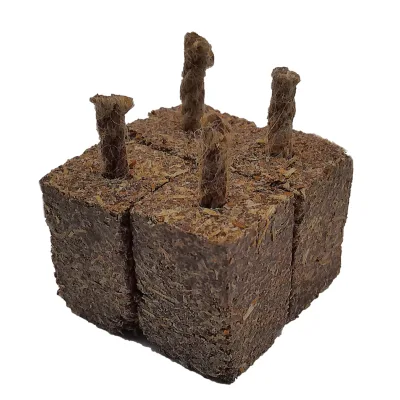
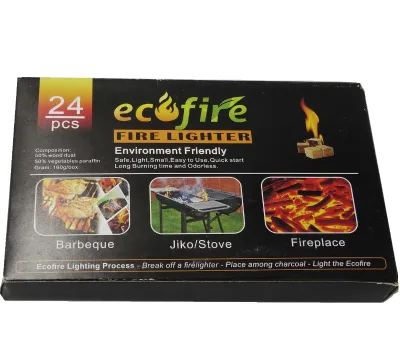
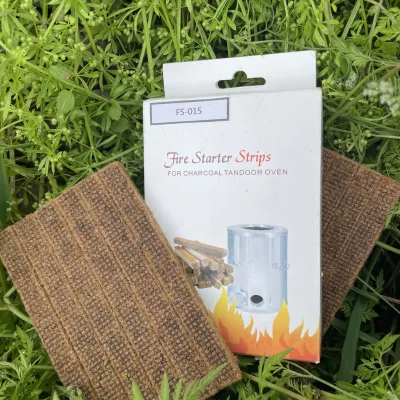
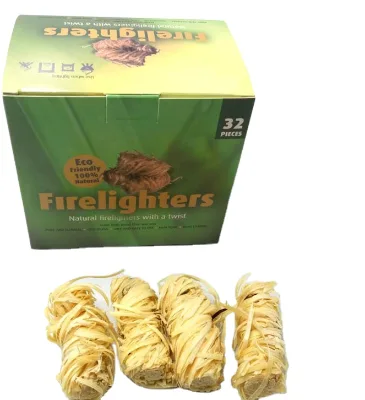
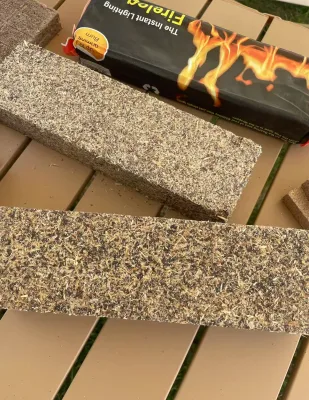
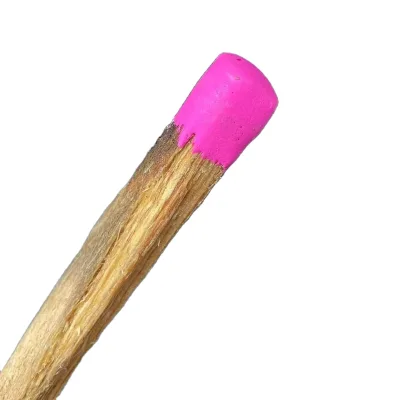
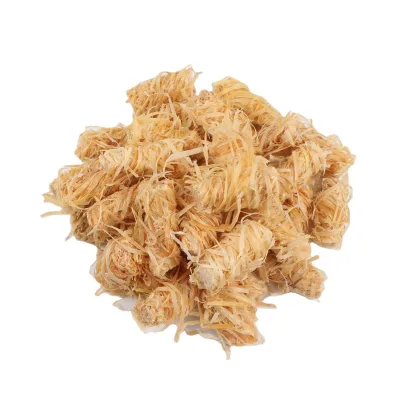

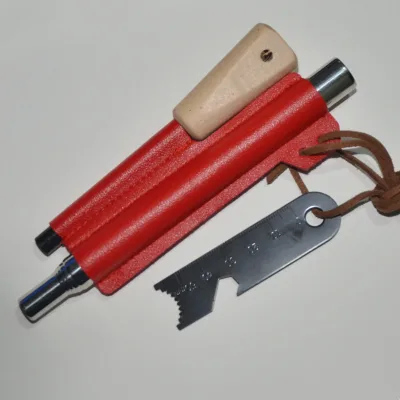
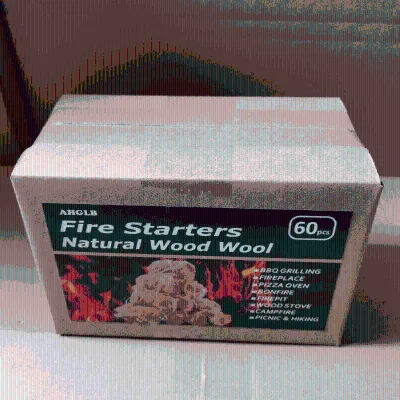
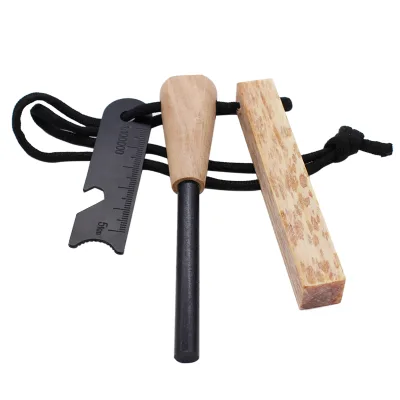
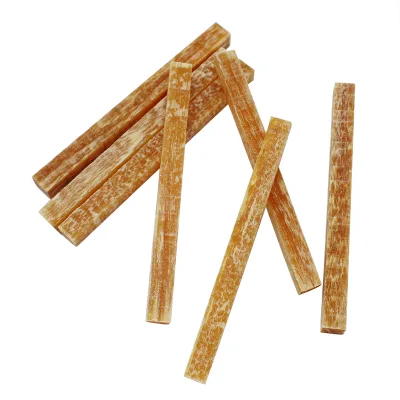
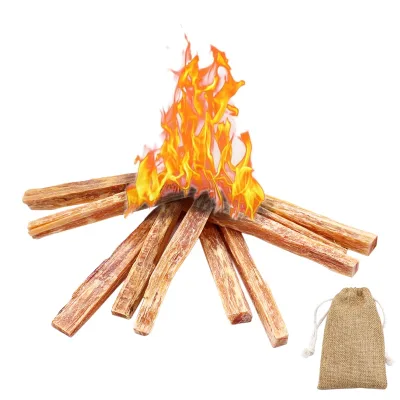

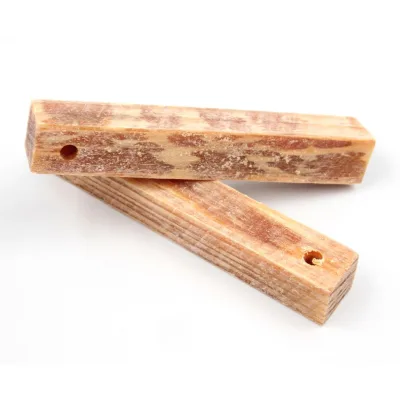
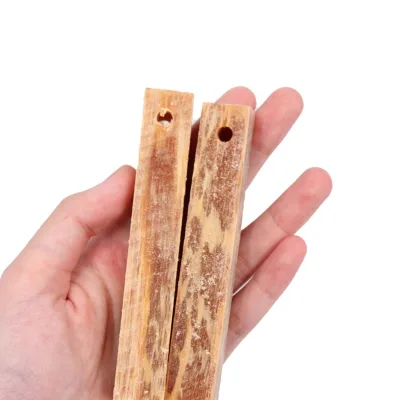


Charcoal Grill Replacement Round Shape Charcoal Starter Fire Starter Chimney Starter
$2.00 - $5.00
MOQ: 1000 Pieces

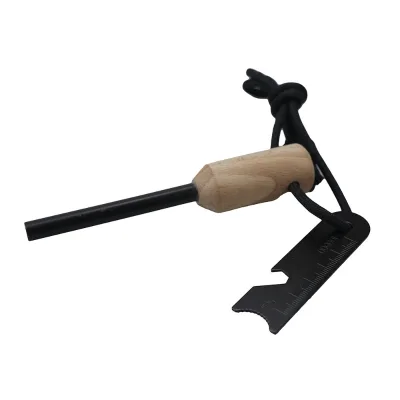
Black Portable Fire Starter with Handle for Charcoal Grill Outdoor Camping
$2.00 - $5.00
MOQ: 1000 Pieces


Comprehensive Sourcing Guide
Natural Wood Fire Starter Sourcing Guide
Procuring natural wood fire starters requires a clear understanding of the diverse product landscape, which ranges from simple paraffin-impregnated wood chips to compressed sawdust squares and specialized wick-based ignition systems. Buyers must distinguish between products designed for rapid ignition in camping scenarios and those intended for sustained burning in household fireplaces or commercial hotel settings. The observed market signals indicate a wide variance in material composition, with some items relying on wood combined with food-grade paraffin wax, while others utilize pure wood sawdust or charcoal-based formulations. This distinction is critical for determining the appropriate application, as the burn time and heat output vary significantly between these material types.
Sourcing decisions should also account for the specific packaging and unit configurations observed in current listings, which range from small retail boxes containing eight pieces to bulk packs of thirty-two squares. These packaging differences directly impact logistics, storage requirements, and end-user convenience. Furthermore, the presence of customization options suggests that buyers can tailor branding and packaging to their specific market needs, but this requires early engagement with suppliers to align on minimum order quantities and design specifications. Understanding these structural differences ensures that the selected product aligns with both the functional requirements of the end-user and the operational capabilities of the supply chain.
Product Scope and Observed Listing Signals
The current market for natural wood fire starters exhibits a broad spectrum of product attributes, including variations in size, weight, and burning duration. Listings indicate that individual units can weigh as little as forty grams for small wick-based starters or up to twenty-one kilograms for bulk packaging of compressed squares. Burn times are similarly diverse, ranging from approximately six minutes per square for high-intensity ignition aids to thirty to forty minutes for slower-burning sawdust blocks. These variations allow buyers to select products that match specific use cases, whether that involves quick lighting for outdoor grills or long-lasting heat for indoor residential fireplaces.
Color and finish also play a role in product differentiation, with options ranging from natural brown hues to white match heads and uncoated surfaces. The observed data highlights features such as moistureproofing, dustproofing, and non-stick properties, which are essential for maintaining product integrity during storage and transport. Additionally, the availability of eco-friendly claims, such as biodegradability and the absence of harmful chemicals, appeals to environmentally conscious consumers. Buyers should verify these claims through supplier documentation, as the presence of such attributes can significantly influence market positioning and regulatory compliance in different regions.
Technical Specifications to Verify
Technical verification must begin with the physical dimensions and packaging metrics, which directly affect shipping costs and shelf space. Buyers should confirm the single package size, which has been observed to vary from compact dimensions of 16.5x9.5x4.6 cm to larger bulk boxes measuring 47x38x46 cm. The model numbers, such as FS-012-32, serve as unique identifiers for specific product configurations, ensuring that procurement teams order the exact variant required. It is also essential to verify the ignition method, as some products require a direct flame from a match or lighter, while others may have self-igniting properties or require specific lighting tools.
Material composition is another critical technical specification that must be validated against safety and performance standards. While some products are described as a combination of wood and food-grade paraffin wax, others are made from pure wood sawdust or charcoal. Buyers should request detailed material safety data sheets to confirm the absence of toxic additives and to understand the combustion byproducts. Additionally, the burning time per unit, which ranges from six to forty minutes, should be tested under controlled conditions to ensure it meets the advertised claims. This verification process helps prevent discrepancies between marketing materials and actual product performance, reducing the risk of customer dissatisfaction.
Compliance and Safety Documentation
Safety documentation is paramount when sourcing fire-starting products, as these items are inherently flammable and subject to strict transportation regulations. Buyers must ensure that suppliers provide comprehensive safety data sheets that detail the chemical composition, flammability ratings, and handling instructions for each product variant. This is particularly important for products containing paraffin wax or other chemical accelerants, as these substances may be classified as hazardous materials during air or sea freight. Verifying compliance with international transport regulations, such as those set by the International Air Transport Association, is essential to avoid shipping delays or confiscations.
Environmental compliance is another key area of focus, especially for products marketed as eco-friendly or biodegradable. Buyers should request certifications or test reports that substantiate claims regarding the absence of harmful chemicals and the biodegradability of the materials used. This is particularly relevant for products intended for household or commercial use, where consumer awareness of environmental impact is high. Additionally, suppliers should provide evidence of adherence to relevant manufacturing standards, such as those related to quality control and product safety. This documentation not only mitigates legal risks but also enhances the brand’s reputation for responsible sourcing and production practices.
Cost Drivers and Commercial Terms
Cost structures for natural wood fire starters are influenced by several factors, including material quality, packaging complexity, and order volume. The observed minimum order quantities range from five to ten thousand units, indicating that economies of scale play a significant role in pricing. Larger orders typically benefit from lower per-unit costs, but buyers must balance this with storage capacity and cash flow considerations. Customization options, such as private labeling or custom packaging, may incur additional setup fees or higher minimum order requirements, which should be factored into the total cost of ownership.
Shipping and logistics costs are also major components of the overall expense, particularly given the varying package sizes and weights observed in the market. Bulkier items, such as those with single package sizes of 47x38x46 cm, may incur higher freight charges due to volumetric weight calculations. Buyers should negotiate clear Incoterms to define responsibility for shipping, insurance, and customs duties. Additionally, payment terms and lead times should be aligned with production schedules to ensure timely delivery. Understanding these commercial dynamics allows buyers to optimize their procurement strategy and minimize total landed costs.
Supplier Qualification and Quality Control
Supplier qualification is a critical step in ensuring the reliability and consistency of Natural Wood Fire Starter supplies. Buyers should conduct thorough due diligence on potential suppliers, verifying their manufacturing capabilities, quality management systems, and track record in the industry. This includes assessing their ability to meet specific technical specifications and compliance requirements. Suppliers with established quality control processes, such as regular inspections and testing protocols, are more likely to deliver products that meet agreed-upon standards. Engaging with suppliers who have experience in exporting to your target market can also reduce the risk of logistical and regulatory issues.
Quality control measures should be implemented throughout the production and shipping process to ensure product integrity. This includes pre-production samples, in-process inspections, and final random inspections before shipment. Buyers should define clear acceptance criteria for attributes such as burn time, material composition, and packaging durability. Additionally, establishing a communication channel for addressing defects or discrepancies is essential for maintaining a productive supplier relationship. Regular audits and performance reviews can help identify areas for improvement and ensure that the supplier continues to meet evolving quality expectations.
Long-Term Procurement Checks
Long-term procurement success depends on continuous monitoring of supplier performance and market trends. Buyers should establish key performance indicators to track metrics such as on-time delivery, product quality, and responsiveness to issues. Regular reviews of these metrics help identify potential problems early and allow for corrective actions to be taken. Additionally, staying informed about changes in regulations, consumer preferences, and competitive offerings is essential for maintaining a competitive edge. This proactive approach ensures that the procurement strategy remains aligned with business objectives and market demands.
Building a resilient supply chain involves diversifying suppliers and developing contingency plans for potential disruptions. This includes identifying alternative sources for raw materials and maintaining safety stock levels to mitigate the impact of supply chain interruptions. Regular communication with suppliers about future demand forecasts and product development plans can foster collaboration and innovation. By focusing on long-term relationships and strategic planning, buyers can secure a stable supply of high-quality natural wood fire starters that meet the evolving needs of their customers.
FAQs
What materials are used to make the fire starter?
The fire starter is constructed from wood and food-grade paraffin wax. This combination ensures the product is biodegradable and contains no harmful chemicals. It is designed for household and hotel use while providing reliable ignition for various cooking needs.
How long does the fire starter burn?
Each starter burns for approximately 10 to 15 minutes depending on the specific model. Some square variants offer a burning time of six minutes per unit, while others may last between 30 to 40 minutes. This duration supports quick and efficient fire starting for camping or grilling.
Can I customize the packaging for bulk orders?
Yes, customization is available for this product line. Buyers can request specific packaging configurations such as 8 pieces per box or 32 squares per kit. This flexibility allows businesses to tailor the product presentation to their specific branding or retail requirements effectively.
What is the minimum order quantity for these items?
The minimum order quantity varies by supplier but typically starts at 1000 boxes. Some listings indicate a broader range from 5 to 10000 units depending on the specific product configuration. Buyers should verify the exact MOQ with the manufacturer before placing a large order.
Where are these fire starters manufactured?
These products originate from China, with specific production located in Hubei. The manufacturing process utilizes wood sawdust and natural materials to create biodegradable fire starters. This origin ensures compliance with standard production practices for export-quality ignition tools.
Are these fire starters suitable for outdoor use?
Yes, they are suitable for outdoor activities like camping and barbecuing. The product features moistureproof and dustproof qualities to withstand various environmental conditions. They function effectively as a starting fire tool for charcoal grills and other outdoor cooking setups.
What sizes are available for the fire starter boxes?
Available sizes include dimensions like 48mm, 65mm, 75mm, and 96mm for the sticks. Packaging sizes also vary, with single package dimensions reaching up to 47x38x46 cm for bulk kits. These specifications allow buyers to select the most appropriate size for their distribution channels.