Source Natural Wood Wine Box for Jewelry, Cosmetics, and Food
Compare 30 Natural Wood Wine Box options from verified suppliers. These boxes feature solid wood construction, various sizes, and customization services for jewelry, cosmetics, and food packaging needs.
Key considerations
Products List
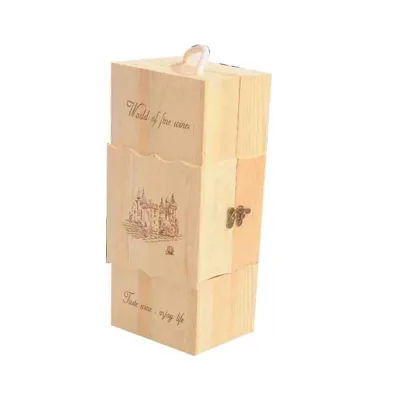


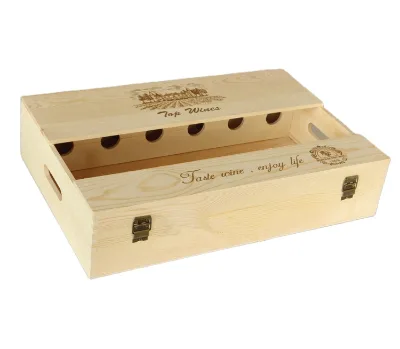
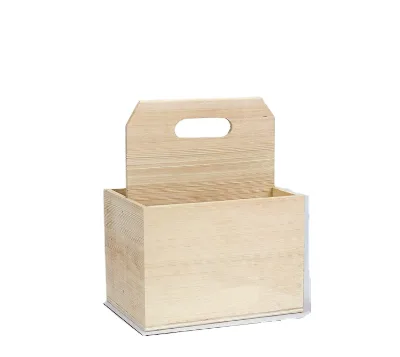


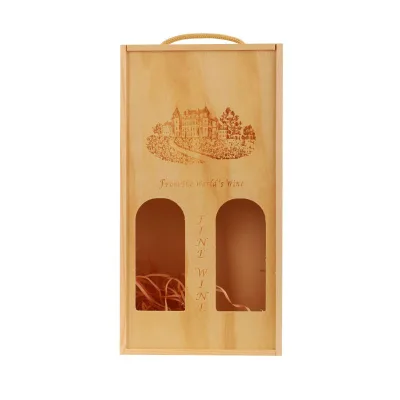


Comprehensive Sourcing Guide
Strategic Sourcing Guide for Natural Wood Wine Boxes
Understanding Product Attributes and Material Specifications
When sourcing natural wood wine boxes, the primary focus must be on the intrinsic material properties and the specific construction standards that define the product's integrity. The core keyword "natural wood" implies the use of solid timber rather than engineered composites, a distinction that significantly impacts durability, aesthetic appeal, and cost. In the current market landscape, buyers encounter products where the wood type is explicitly identified as solid wood or specific species such as pine. The moisture content of the timber is a critical technical parameter; observed data indicates ranges between 10% and 12%, a standard threshold that ensures the wood remains stable and resistant to warping under varying environmental conditions.
The physical dimensions of these boxes vary significantly based on their intended capacity. Some units are designed with double-bottle configurations, featuring dimensions such as 160160287 mm, while others are tailored for single bottles with a rectangular footprint measuring 310195108 mm. A specific model designed for a single whisky bottle may have a compact profile of 35x30x10 cm, whereas larger packaging solutions can reach 64.5x34.5x56 cm in master carton specifications. The shape of the box is another defining attribute, with the market offering both square and rectangular profiles. The square design often aligns with a "simplicity" or "simple" style, while rectangular variants may incorporate a "rustic style" hinge mechanism to enhance the visual character of the packaging.
Surface handling processes are equally vital to the final product quality. Common treatments observed include varnishing, sanding, burning, and hot stamping. These processes not only protect the wood but also define the tactile experience and visual finish. For instance, a varnished surface provides a glossy or matte protective layer, while sanding and burning can create a textured, rustic appearance. The choice of finish often dictates the suitability of the box for specific applications, such as high-end cosmetics or health care products, where a smooth, polished look is preferred over a rough, burnt aesthetic.
Technical Compliance and Certification Verification
In the B2B procurement of natural wood wine boxes, verifying compliance with international standards is essential to mitigate risks related to material safety and environmental regulations. While specific certification names are not universally mandated for all wood products, buyers must rigorously verify that the timber originates from sustainable sources. The presence of specific wood types, such as pine or general solid wood, requires confirmation that the supply chain adheres to relevant forestry management standards.
Buyers should also scrutinize the chemical treatments applied during the manufacturing process. The use of lacquers, such as PU (Polyurethane), and the application of linings like rayon silk cloth introduce additional compliance layers. These materials must be free from harmful volatile organic compounds (VOCs) that could contaminate the contents, particularly when the box is used for food, drinks, or cosmetics. The standard of 160160287 mm or 310195108 mm represents a physical specification, but the underlying material safety standards must be confirmed through supplier documentation.
Furthermore, the moisture content range of 10-12% is a technical specification that serves as a proxy for quality control. Deviations from this range can indicate poor storage conditions or inadequate kiln drying, leading to potential structural failures during transit. Buyers should request test reports or quality assurance certificates that validate the moisture levels and the absence of pests or fungi in the wood. Although specific certification bodies are not listed in the general product data, the expectation is that suppliers will provide evidence of compliance with the importing country's phytosanitary requirements.
Cost Drivers and Pricing Dynamics
The pricing of natural wood wine boxes is influenced by a complex interplay of material costs, labor intensity, and customization requirements. The observed price range in the market spans from $0.50 to $35.00 per unit, a wide variance that reflects differences in wood quality, box size, and finishing complexity. The lower end of the spectrum typically corresponds to smaller, simpler boxes made from pine or other cost-effective solid woods with minimal surface treatment. Conversely, the higher price points are associated with larger, double-bottle configurations featuring premium finishes like hot stamping, laser engraving, or intricate lining materials such as rayon silk cloth.
Customization is a significant cost driver. Products offering logo printing, laser engraving, or custom branding services command a premium. The availability of customization, including ODM/OEM services, allows buyers to tailor the box to their brand identity, but this process adds to the unit cost. The MOQ (Minimum Order Quantity) also plays a crucial role in pricing. Observed MOQs range from 100 to 5,000 units, with a specific reference point of 300 pieces for certain models. Higher order volumes generally reduce the per-unit cost due to economies of scale in material procurement and production setup.
Lead times and sample availability further impact the overall cost structure. A sample time of 7-10 days and a production lead time of 30-35 days are standard benchmarks. Rush orders or expedited shipping can incur additional fees. Additionally, the packaging method, whether it is a "Safe Transport Package" or a "Master Carton," influences the final price. More robust packaging solutions that ensure the integrity of the product during long-distance shipping from origins like Guang Dong Dong Guang or other regions in China will add to the total landed cost.
Typical Applications and Usage Scenarios
Natural wood wine boxes are versatile packaging solutions designed to serve a broad spectrum of industries. The primary application is, of course, the packaging of wine and spirits, with specific models designed for single bottles or double-bottle configurations. However, the utility of these boxes extends well beyond the beverage industry. The observed usage categories include jewelry, cosmetics, health care products, electronics, food, and toys. This versatility makes natural wood wine boxes an attractive option for brands seeking to elevate their product presentation with a premium, eco-friendly aesthetic.
For the jewelry and cosmetics sectors, the internal lining is a critical feature. Boxes equipped with rayon silk cloth linings provide a luxurious feel and protect delicate items from scratches. The transparent cover option allows for product visibility while maintaining the security and structural integrity of the packaging. In the health care and food industries, the natural wood material offers a perception of purity and safety, provided that the surface treatments and linings are food-grade compliant.
The "rustic style" hinge and the "simple" or "simplicity" design styles cater to different market segments. Rustic designs appeal to consumers looking for a traditional, handcrafted look, often associated with artisanal spirits or organic products. Simple, square, or rectangular designs with a varnished finish are better suited for modern, minimalist branding in the electronics or high-end cosmetics sectors. The ability to customize the logo through printing or laser engraving allows brands to align the packaging with their specific identity, making these boxes a powerful marketing tool across diverse product categories.
Supplier Evaluation and Operational Capabilities
Evaluating a supplier for natural wood wine boxes requires a comprehensive assessment of their operational capabilities, production standards, and service offerings. The origin of the product is a key factor, with many suppliers located in regions like Guang Dong Dong Guang or generally in China, known for their robust manufacturing infrastructure. Buyers should verify the supplier's capacity to handle the specific production volume required, considering the observed MOQ ranges of 100 to 5,000 units.
Service flexibility is another critical evaluation criterion. Suppliers offering ODM/OEM services demonstrate the ability to adapt to specific buyer requirements, from custom dimensions to unique branding. The availability of customization options, such as logo printing and laser engraving, indicates a supplier's technical proficiency. Additionally, the sample time of 7-10 days and the lead time of 30-35 days provide a baseline for assessing the supplier's efficiency. Delays beyond these benchmarks may indicate production bottlenecks or logistical challenges.
Quality control processes should be a central part of the supplier evaluation. Buyers should inquire about the supplier's internal standards for moisture content, surface handling, and structural integrity. The use of specific wood types, such as pine or solid wood, should be verified against the buyer's quality expectations. Furthermore, the packing method, whether it involves inner boxes, master cartons, or safe transport packages, should be evaluated to ensure it meets the requirements for international shipping. A supplier that can provide detailed documentation on their production process and quality assurance measures is preferable to one that cannot.
Quality Control and Long-Term Procurement Considerations
Maintaining consistent quality in Natural Wood Wine Box procurement requires a robust quality control (QC) framework. Given the organic nature of wood, variations in grain, color, and texture are expected, but significant defects such as cracks, warping, or inconsistent moisture levels must be rejected. The observed moisture content range of 10-12% serves as a critical benchmark; any deviation should trigger a re-evaluation of the batch. Surface treatments like varnishing, sanding, and burning must be uniform and free from bubbles, peeling, or uneven application.
Long-term procurement considerations involve building a sustainable relationship with suppliers who can consistently meet quality standards. The use of specific models, such as W-015 or YH rustic box -02, suggests that buyers may need to standardize their orders to ensure consistency. However, the flexibility to customize models like YHWB-019 or YHWB-007 allows for adaptation to changing market trends. Buyers should also consider the environmental impact of their sourcing decisions, prioritizing suppliers who use sustainably sourced wood and eco-friendly finishing processes.
The packaging and shipping process is another area requiring careful attention. The transition from the factory floor to the end consumer involves multiple handling stages. The use of master cartons and inner boxes ensures that the individual units are protected from damage. Buyers should verify that the packing standards, such as the 64.5x34.5x56 cm master carton specification, are sufficient for the volume of goods being shipped. Finally, maintaining open communication with suppliers regarding lead times, sample approvals, and any potential supply chain disruptions is essential for a successful long-term procurement strategy.
Comparative Analysis of Product Models
To assist buyers in making informed decisions, the following table compares key attributes of the observed product models. This comparison highlights the differences in dimensions, wood types, and surface treatments, facilitating a clearer understanding of the available options.
| Attribute | Model W-015 | Model YH Rustic Box -02 | Model YHWB-019 | Model YHWB-007 |
|---|---|---|---|---|
| Shape | Square | Rectangle | Rectangle | Rectangle |
| Dimensions | 160160287 MM | 310195108mm | 262X205X90mm | 35X30X10cm |
| Wood Type | Solid Wood | Pine | Not Specified | Not Specified |
| Surface Handling | Varnishing | Sanding and Burning | Hot Stamping | Not Specified |
| Logo Method | Laser-Engraving | Printing | Printing | Not Specified |
| Lining | Not Specified | Rayon Silk Cloth | Not Specified | Not Specified |
| Cover | Not Specified | Transparent Cover | Not Specified | Not Specified |
| Usage | Jewelry, Cosmetics, etc. | Jewelry, Cosmetics, etc. | Package | Single Wine Box |
| Style | Simplicity | Rustic Style | Not Specified | Not Specified |
This comparative overview underscores the diversity in the market. While Model W-015 offers a square, varnished design suitable for a variety of uses, Model YH Rustic Box -02 provides a more traditional, rustic aesthetic with a transparent cover and silk lining. Model YHWB-019 focuses on hot stamping and a specific package usage, while Model YHWB-007 is tailored for single wine boxes with a compact footprint. Buyers should select the model that best aligns with their specific product requirements, brand identity, and target market preferences.
FAQs
What customization options are available for natural wood wine boxes?
Customization is available with options for logo printing and laser engraving. Buyers can select from ODM or OEM services to tailor the box design, ensuring the final product matches specific brand requirements and aesthetic preferences.
How long does it take to receive samples of these boxes?
Sample time typically ranges from 7 to 10 days for production. This duration allows manufacturers to prepare the specific model requested, such as the W-015 or YH rustic box, before shipping to the buyer for evaluation.
Which wood types are commonly used for these packaging solutions?
The boxes are constructed using solid wood, with pine being a specific observed type. This material choice ensures durability and a natural aesthetic, with moisture content maintained between 10% and 12% to prevent warping during transit.
Can these boxes be used for products other than wine?
Yes, the usage extends to jewelry, cosmetics, health care products, electronics, food, and toys. The versatile design supports various industries, offering protection and premium presentation for items ranging from single wine bottles to small electronics.
What is the standard lead time for bulk production orders?
The production lead time is generally 30 to 35 days after sample approval. This timeframe covers the manufacturing process, including surface handling like varnishing or hot stamping, and packaging in master cartons for safe transport.
What are the typical minimum order quantities for these boxes?
The minimum order quantity ranges from 100 to 5,000 units, with a specific reference point of 300 pieces for certain models. This flexibility allows buyers to scale orders based on their inventory needs and budget constraints.
How are the boxes packed for international shipping?
Boxes are packed in safe transport packages, often using inner boxes and master cartons. Specific master carton dimensions like 64.5x34.5x56 cm are used to ensure the integrity of the individual units during long-distance shipping from China.