Source NBR Rubber O-Ring for Valves, Shafts, and Electric Seals
Find 30 NBR rubber o-ring options for valve, shaft, and electric applications. Compare materials like HNBR and FKM, certifications including ISO9001 and IATF16949, and customization services from suppliers in Fujian, China; compare the available evidence and request quotations based on your requirements.
Updated
Key considerations
Products List


$0.05 - $1.90
MOQ: 100 Pieces



Comprehensive Sourcing Guide
NBR Rubber O-Ring Sourcing Guide
Product Scope and Observed Listing Signals
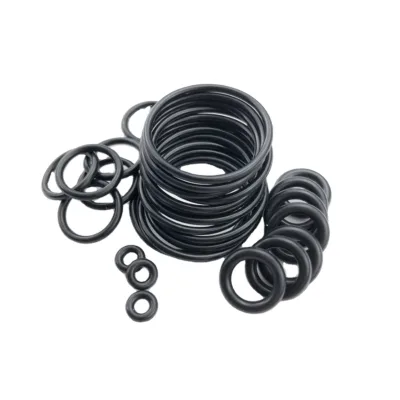
The market for NBR rubber O-rings presents a diverse array of industrial sealing solutions, with observed listings indicating a strong presence of suppliers from Fujian, China, particularly in Quanzhou. Buyers will encounter products categorized under various types, including shaft seals, rotary seals, and flat gaskets, suggesting that NBR material is utilized across multiple sealing geometries beyond standard O-rings. The observed price range of 0-9 USD and minimum order quantities spanning from 1 to 10,000 units highlight the flexibility available to both prototype developers and large-scale manufacturers. This variability allows procurement teams to align their purchasing strategy with specific volume requirements, whether seeking small batches for testing or bulk orders for continuous production lines.
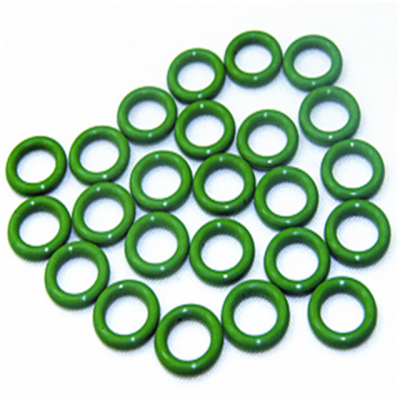
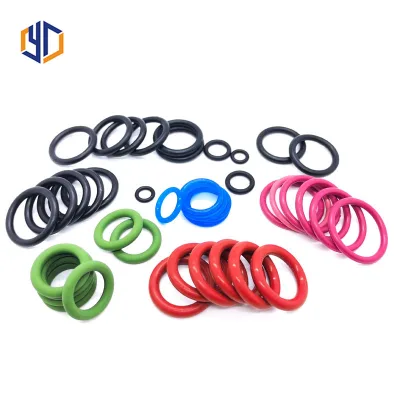
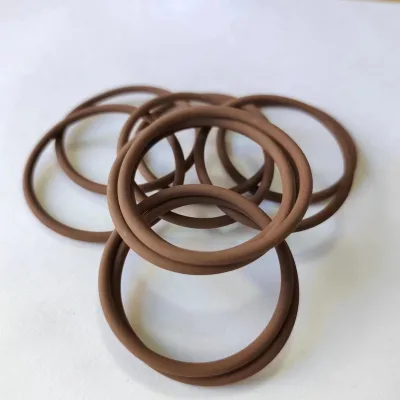
Color variations observed in listings include green, black, brown, and orange options, indicating that visual identification or specific material additives may be part of the sourcing criteria. The customization availability is a prominent feature, with suppliers offering OEM services, custom logos, and packaging solutions. This level of service support is critical for buyers who require branded components or specific packaging formats for inventory management. The presence of both standard and non-standard options in the market signals that while metric standard sizes are common, there is significant demand for bespoke dimensions tailored to unique mechanical assemblies.
Technical Specifications to Verify
When evaluating NBR O-rings, verifying the hardness is a critical step, as observed data indicates a Shore A range of 35-90A. This wide spectrum allows for selection based on the required compression set and sealing pressure, with softer compounds suitable for low-pressure applications and harder compounds for high-pressure environments. Buyers must confirm the specific Shore value required for their application to ensure optimal sealing performance and longevity. Additionally, the storage life of ten years observed in some listings suggests that proper storage conditions are maintained by suppliers, but buyers should still verify the manufacturing date and storage history to prevent degradation before installation.
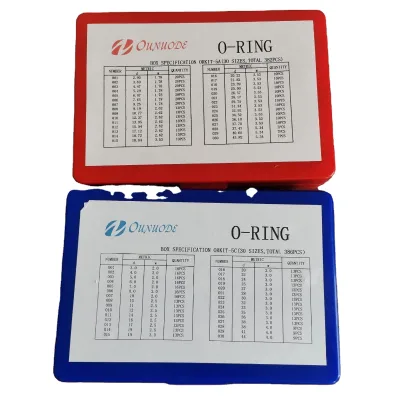
Size specifications vary between metric standards, AS568, BS1516, and custom dimensions, requiring precise verification against engineering drawings. The observed models, such as SD820336 and SD089592DH, indicate that suppliers may use internal part numbers that do not directly correlate to standard industry codes. Therefore, buyers should request detailed dimensional data sheets and confirm compatibility with existing seal grooves. The material composition is primarily NBR, but some listings also mention HNBR and FKM, so it is essential to ensure that the specific polymer grade matches the chemical resistance and temperature requirements of the intended application.
Compliance and Safety Documentation
Certification requirements are a key differentiator in the NBR O-ring market, with observed listings featuring ISO9001, ISO14001, and RoHS compliance. These certifications indicate a baseline level of quality management and environmental responsibility, which is crucial for buyers operating in regulated industries. The presence of IATF16949 in some listings suggests that certain suppliers meet automotive industry quality standards, providing an additional layer of assurance for buyers in the automotive sector. Buyers should request valid certification documents and verify their current status to ensure that the supplier’s quality systems are actively maintained and audited.
Safety and regulatory compliance also extend to material safety data sheets and specific chemical restrictions. Observed certificates include Reach, RoHS, MSDS, and LFGB, indicating that suppliers are equipped to handle various regulatory frameworks depending on the end market. For applications involving food contact or strict chemical exposure, verifying LFGB or similar food-grade certifications is essential. Buyers must ensure that the documentation provided aligns with the regulatory requirements of their target markets, particularly when exporting to regions with stringent chemical safety laws.
Cost Drivers and Commercial Terms
The commercial terms for NBR O-rings are influenced by order volume, customization needs, and packaging requirements. Observed packing methods range from polybags and cartons to bulk packaging, with specific dimensions like 45x28x20cm noted for carton sizes. Buyers should consider how packaging affects shipping costs and storage efficiency, especially for large volume orders. The lead time of 10-20 days for standard items and 15 days for others indicates that production schedules can vary, so early planning is necessary to avoid supply chain disruptions. Understanding these timelines helps in managing inventory levels and production schedules effectively.
Sample times of 3-7 days provide an opportunity for buyers to validate product quality before committing to large orders. This short turnaround allows for rapid iteration and testing, which is valuable for new product development. However, buyers should clarify whether sample costs are refundable upon placing a bulk order, as this can impact the overall cost of procurement. The availability of 3D design services and multiple drawing formats, such as .STP and .PDF, facilitates accurate specification and reduces the risk of errors in custom orders.
Supplier Qualification and Quality Control
Supplier qualification involves assessing the manufacturing capabilities and quality control processes of potential vendors. Observed processing services include molding and cutting, which are fundamental to producing high-quality rubber seals. Buyers should inquire about the supplier’s quality control procedures, including incoming material inspection, in-process monitoring, and final product testing. The ability to provide custom designs and logos suggests a level of operational flexibility, but buyers must ensure that this flexibility does not compromise consistency in product quality.
The main markets for these products include North America, Europe, and Southeast Asia, indicating that suppliers are experienced in exporting to diverse regions. This experience often translates to better understanding of international shipping requirements and documentation. Buyers should verify the supplier’s export history and references to gauge their reliability. Additionally, the availability of customer-requested shipping methods, such as sea, air, or express, offers flexibility in logistics planning, allowing buyers to balance cost and speed according to their specific needs.
Long-Term Procurement Checks
Long-term procurement success depends on establishing a robust relationship with suppliers who can consistently meet quality and delivery expectations. Buyers should conduct periodic audits or request updated certification documents to ensure ongoing compliance. The observed storage life of ten years suggests that suppliers understand the importance of material preservation, but buyers should still implement their own storage guidelines to maintain product integrity. Regular communication with suppliers regarding any changes in material composition or manufacturing processes is essential to prevent unexpected quality issues.
Performance attributes such as wear resistance and temperature tolerance are critical for long-term application success. Buyers should monitor field performance and provide feedback to suppliers to drive continuous improvement. The availability of customization services allows for ongoing adaptation to changing application requirements, but buyers must ensure that any modifications are thoroughly tested before full-scale implementation. By maintaining a proactive approach to supplier management and quality verification, buyers can secure a reliable supply of NBR O-rings that support their operational goals.
FAQs
What materials are used for nbr rubber o-rings?
NBR rubber o-rings are primarily manufactured from Nitrile Butadiene Rubber. Some variants also utilize HNBR for enhanced performance. These materials provide excellent resistance to oils, fuels, and aqueous solutions, making them suitable for electric and valve applications in various industrial settings.
Can nbr rubber o-rings be customized for specific needs?
Yes, customization is available for these seals. Manufacturers offer OEM and ODM services, allowing for custom logos, packaging, and 3D design support. Customers can submit drawings in formats like .STP or .PDF to receive products tailored to their exact dimensional and performance requirements.
What certifications do nbr rubber o-ring suppliers hold?
Suppliers typically hold ISO9001, ISO14001, and RoHS certifications. Some also possess IATF16949, Reach, MSDS, and LFGB credentials. These certifications ensure quality management, environmental responsibility, and compliance with safety standards for materials used in diverse global markets including North America and Europe.
What is the lead time for nbr rubber o-ring orders?
The standard lead time ranges from 10 to 20 days for production. Sample preparation typically takes 3 to 7 days. Bulk orders may have a lead time of approximately 15 days depending on quantity. Shipping methods include sea, air, or express delivery based on customer requests.
How are nbr rubber o-rings packaged for shipment?
Products are packed in polybags and cartons. Specific configurations include 10,000 pieces per plastic bag with 10 bags per carton. Alternative bulk packaging with poly bags and carton boxes is also available. This ensures protection during transit via sea, air, or express courier services.
What standards apply to metric standard nbr rubber o-rings?
These o-rings adhere to metric standards and AS568 specifications. They are available in standard and nonstandard sizes. The product origin is Fujian, China, with models like SD820336 and SD089592DH. Sizes can be customized to meet specific application needs beyond standard catalog offerings.