Source Ni-Cr Wire Mica Plate Heater for Water Dispenser, Toaster, Oven
Find 30 verified options for Ni-Cr Wire Mica Plate Heater suitable for water dispensers, toasters, and ovens. Compare specifications including power ratings, dimensions, and certifications from multiple Chinese manufacturers offering OEM services; compare the available evidence and request quotations based on your requirements.
Key considerations
Products List


Micc Ni-Cr or Fecr Resistance Wire Element Cartridge Heater with Silicone/Fg Lead Wire
$15.00 - $20.00
MOQ: 10 Pieces


Customized 220V 380V Mica Heater Plate Mica Sheet Heater Mica Strip Heater
$2.50 - $25.50
MOQ: 10 Pieces

Customized 220V 2kw Stainless Steel 304 35*587mm Mica Heating Plate Heater
$2.50 - $25.50
MOQ: 10 Pieces


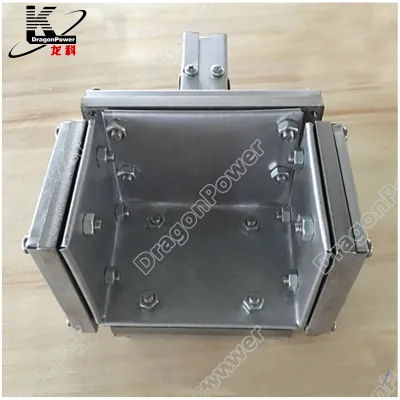


$20.00 - $25.00
MOQ: 1 Pieces


Comprehensive Sourcing Guide
Ni-Cr Wire Mica Plate Heater Sourcing Guide
Sourcing ni cr wire mica plate heaters requires a disciplined approach to balancing thermal efficiency with electrical safety. These components are critical for appliances where precise heat distribution and rapid response times are non-negotiable. Buyers must understand that the mica substrate provides excellent electrical insulation while the nickel-chromium wire ensures durability under high-temperature cycling. This combination is particularly valuable in commercial and residential heating applications where reliability dictates brand reputation.
The procurement process involves navigating a complex landscape of custom specifications and standardized outputs. Suppliers often offer OEM and ODM services, allowing for tailored dimensions and power ratings that fit specific appliance designs. However, this flexibility introduces variability in quality control. Procurement teams must establish clear technical boundaries early in the engagement to prevent misalignment between design intent and manufactured output, ensuring that every unit meets the rigorous demands of the final assembly line.
Product Scope and Observed Listing Signals
Market listings for these heaters reveal a diverse range of form factors, including round wires, square plates, and spiral elements. Observed data indicates a price range from 0.76 to 80 USD, reflecting significant variation in material thickness, surface treatment, and power density. The minimum order quantity typically spans from 1 to 3000 units, suggesting that suppliers cater to both prototyping needs and large-scale manufacturing runs. Buyers should interpret these signals as indicators of market segmentation rather than uniform product standards.
Specific models such as the FRQ-134 and YIDA series demonstrate the prevalence of customized sizes and power outputs. Listings frequently mention certifications like CE, RoHS, and UL, which serve as baseline trust signals for international trade. However, the presence of these marks does not guarantee identical performance across all suppliers. Procurement specialists must verify that the listed certifications apply to the specific batch and configuration being ordered, as generic claims often mask underlying manufacturing inconsistencies or outdated compliance documentation.
Technical Specifications to Verify
Dimensional accuracy is paramount when integrating mica plate heaters into tight appliance enclosures. Buyers must verify exact length, width, and thickness measurements, as observed sizes like 146x157mm or 180x80mm are often just reference points. Customization is widely available, but tolerances can vary significantly between manufacturers. It is essential to request detailed engineering drawings that specify lead wire length, insulation type, and terminal configuration to ensure seamless integration with the host device’s electrical system.
Power ratings and voltage compatibility require rigorous validation to prevent thermal runaway or insufficient heating. Observed power outputs range from 100W to 600W, with some units rated for 220V450W applications. Buyers should confirm the actual wattage density and resistance values under operating conditions, as nominal ratings may not reflect real-world performance. Additionally, the material composition, specifically the grade of ni cr wire and the purity of the mica sheet, directly impacts longevity and thermal stability, necessitating material test reports for critical applications.
Compliance and Safety Documentation
Regulatory compliance is a non-negotiable aspect of sourcing heating elements for global markets. Certifications such as CE, RoHS, and UL indicate adherence to specific safety and environmental standards, but buyers must verify the scope of these approvals. For instance, RoHS compliance ensures the absence of hazardous substances, while CE marking confirms conformity with European health, safety, and environmental protection standards. Documentation should be current and issued by recognized testing bodies to avoid customs delays or product recalls.
Safety standards also dictate the insulation resistance and dielectric strength of the mica plate. Buyers should request test reports that verify the heater’s ability to withstand high voltage without leakage or breakdown. These tests are critical for preventing electrical shocks and fire hazards in end-use products. Furthermore, understanding the specific standards applicable to the target market, such as IEC or ANSI norms, helps in selecting suppliers who have the infrastructure to produce compliant units consistently.
Cost Drivers and Commercial Terms
The cost of ni cr wire mica plate heaters is influenced by raw material fluctuations, particularly the price of nickel and chromium. Suppliers often quote prices based on specific order volumes, with minimum order quantities starting at 1000 pieces for certain models. Buyers should analyze the total cost of ownership, including packaging, shipping, and potential tariffs, rather than focusing solely on the unit price. Observed packing methods, such as carton boxes with 480 pieces per carton, impact logistics efficiency and storage requirements.
Commercial terms like FOB, EXW, and payment methods such as T/T or L/C vary among suppliers. Understanding these terms is crucial for managing cash flow and risk. For example, FOB Zhongshan implies that the buyer is responsible for freight and insurance from the port of origin. Buyers should negotiate clear delivery schedules and penalty clauses for delays, as production lead times can affect inventory levels and market availability. Transparent communication about these terms prevents unexpected costs and supply chain disruptions.
Supplier Qualification and Quality Control
Evaluating supplier capabilities involves assessing their production capacity and quality management systems. Observed output rates of 3000 pieces per day suggest that some suppliers have robust manufacturing lines, but capacity does not equate to quality. Buyers should conduct on-site audits or request third-party inspection reports to verify adherence to standard operating procedures. Key quality checkpoints include visual inspection of the mica surface, resistance testing of the heating wire, and dimensional verification of the final product.
Consistency in manufacturing is vital for maintaining product reliability. Buyers should inquire about the supplier’s process for handling defects and their policy for rework or replacement. A qualified supplier will have a documented quality control plan that includes incoming material inspection, in-process monitoring, and final random sampling. Establishing a clear communication channel for technical queries and issue resolution ensures that any deviations from specifications are addressed promptly, minimizing the risk of defective batches reaching the end user.
Long-Term Procurement Checks
Sustaining a successful procurement relationship requires ongoing performance monitoring and periodic re-evaluation of supplier capabilities. Buyers should track key performance indicators such as on-time delivery rates, defect percentages, and responsiveness to technical changes. Regular audits help ensure that the supplier continues to meet quality and compliance standards over time. Additionally, staying informed about changes in raw material markets and regulatory landscapes allows buyers to anticipate cost fluctuations and compliance updates.
Continuous improvement initiatives should be encouraged through collaborative feedback loops. Buyers can provide insights from end-use applications to help suppliers refine their designs and manufacturing processes. This partnership approach fosters innovation and efficiency, leading to better products and lower costs. By maintaining a strategic focus on long-term value rather than short-term price savings, procurement teams can build resilient supply chains that support the growth and reliability of their final products.
FAQs
What materials are used in ni cr wire mica plate heaters?
These heaters combine Ni-Cr or Fe-Cr-Al resistance wire wound onto a mica sheet support, giving a plate form that heats evenly. Mica provides strong electrical insulation and heat resistance, while the wire alloy determines resistance and operating temperature. Buyers can request either wire material depending on the appliance and power range required, with customization available for size.
Which power ratings are available for mica plate heaters?
Listed mica plate heaters cover power ratings from 100W to 600W, with some models specified at 220V450W. The suitable rating depends on the appliance, plate size, and heating time needed. Buyers should confirm voltage, wattage, and plate dimensions such as 146*157mm, 167*140mm, or 180*80mm before ordering to ensure compatibility.
What sizes can mica plate heaters be customized to?
Standard listed sizes include 146*157mm, 167*140mm, and 180*80mm, and customized sizes are supported under the customized-size standard. Because the heating wire is wound onto mica sheet, dimensions can be adjusted to fit appliances like water dispensers or toasters. Provide drawings or samples so the manufacturer can quote tooling and unit pricing accurately.
Can ni cr wire mica plate heaters be OEM customized?
Yes, OEM is available and both OEM and ODM services are listed, so buyers can supply their own specifications, models, and packaging requirements. Customization typically covers dimensions, wattage, wire material, and carton packing. Confirm branding, labeling, and export packing details early, since packing formats vary between carton box and standard export packing.
How are mica plate heaters packed for shipment?
Packing is specified per model, with examples including 240PCS per carton in a 45*46*32cm carton, 480PCS per carton, 420pcs per ctn in a 50*41*44cm box, 1000PCS per carton, and 13kg per carton. Carton box and standard export packing are both used. Confirm the exact packing configuration for your model and destination before confirming the order.
What certifications apply to these mica plate heaters?
Listed certifications across products include CE, RoHS, and ISO, with some items additionally showing CB or UL certification. Certification requirements vary by model and destination market, so verify which certificates apply to the specific heater you need. Request copies of valid certificates and test reports from the supplier before placing a bulk order.
Which payment and shipping terms are accepted for orders?
Accepted payment terms include T/T and L/C, giving buyers flexibility between deposit-based transfer and letter of credit arrangements. Shipping terms include FOB Zhongshan as well as FCA and EXW, with origin in Zhongshan, China. Agree on the incoterm, port, and payment schedule during quotation so costing and lead time are confirmed in advance.
What is the production capacity for mica plate heaters?
Listed output figures reach 3000 pieces per day, indicating capacity suited to mid-size and large recurring orders. Some models carry an MOQ of 1000 pieces, while the broader listed MOQ range starts as low as 1 piece for certain items. Confirm current capacity and MOQ for your chosen model when requesting quotations.