Source New Bumper Frame for Toyota, BYD, and BMW
Source New Bumper Frame parts for Toyota, BYD, and BMW models. Compare 30 listings featuring ABS materials, OEM fitments, and various warranty options from Chinese suppliers to find the right replacement or upgrade solution; compare the available evidence and request quotations based on your requirements.
Updated
Key considerations
Products List
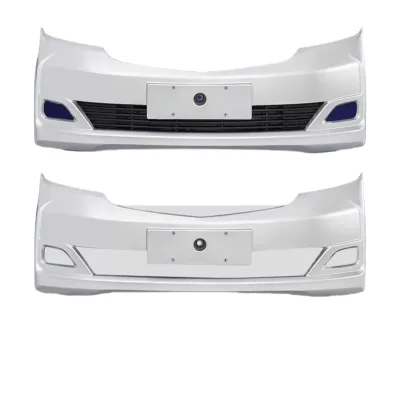
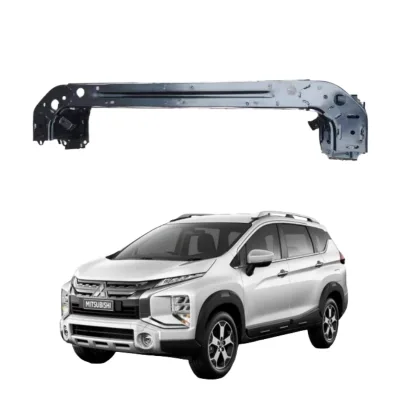
ASX Front Bumper Frame, Front Bumper Bracket, Anti-collision Inner Iron
$39.3822 - $45.8225
MOQ: 1 pieces
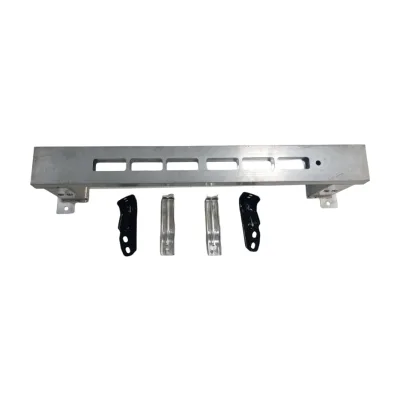
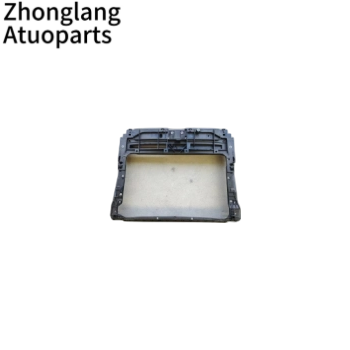
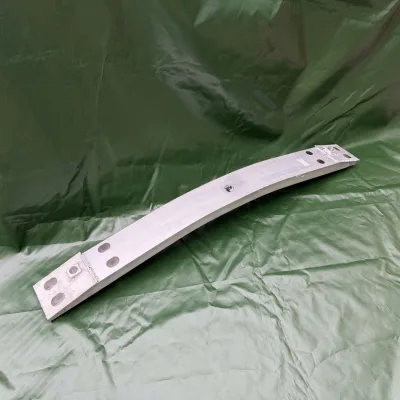

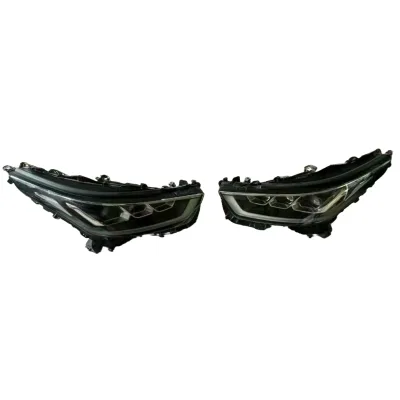
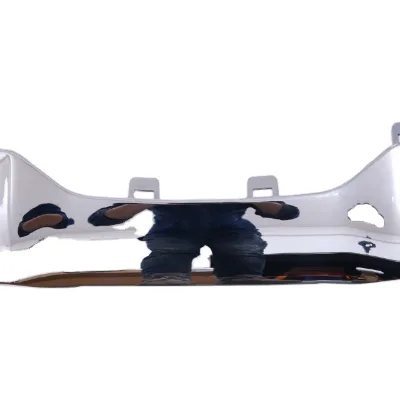

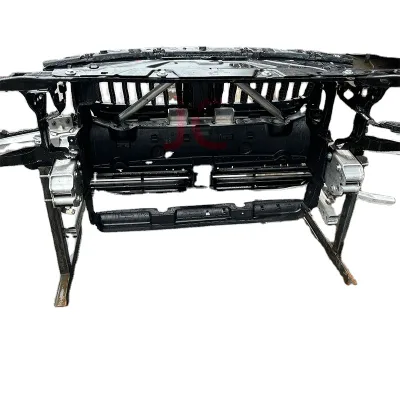

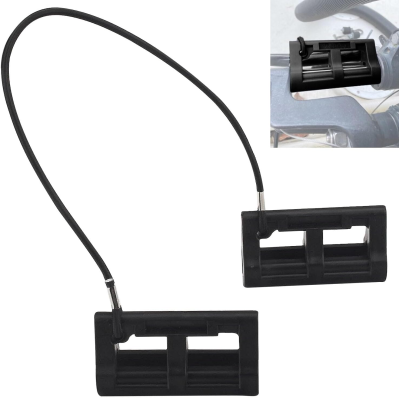
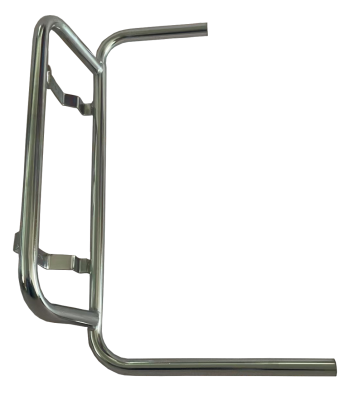

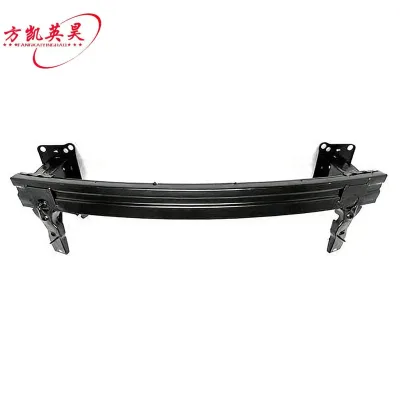
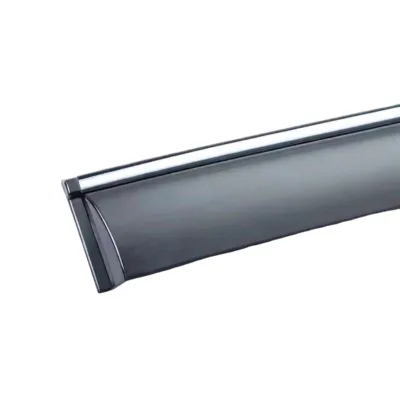
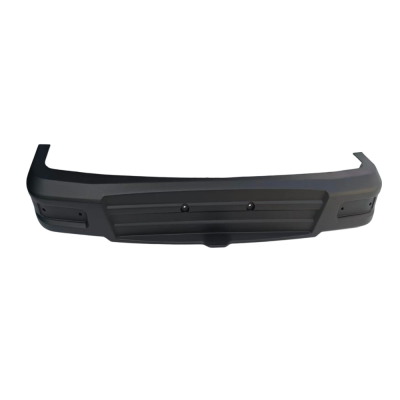


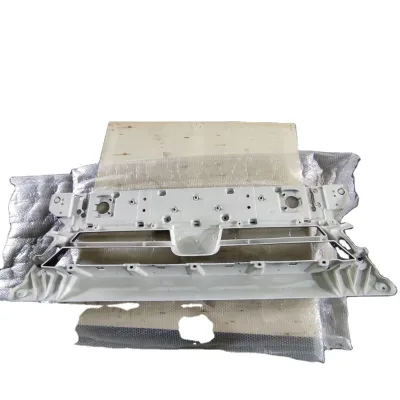
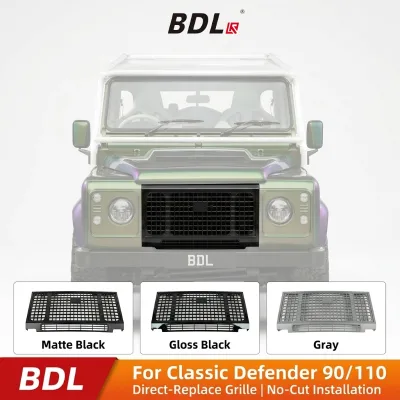
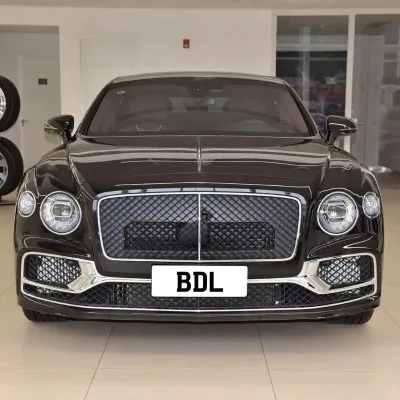
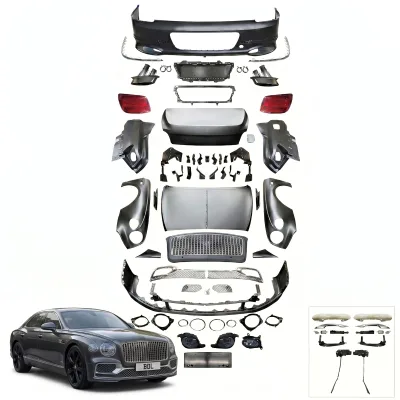
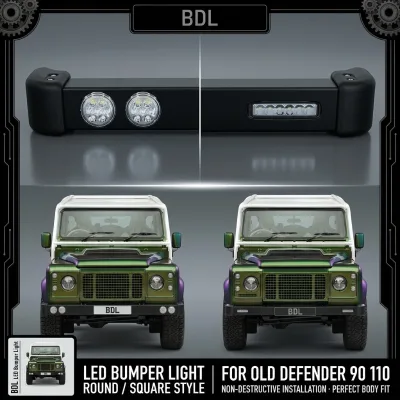
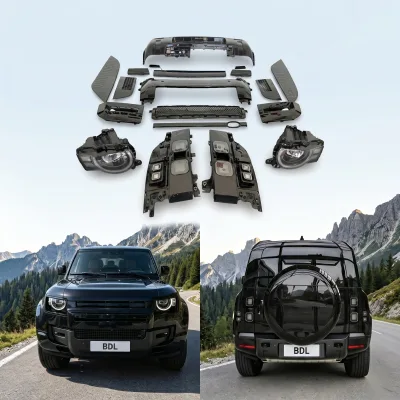

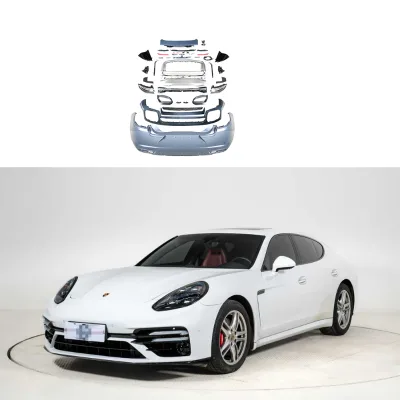
Comprehensive Sourcing Guide
New Bumper Frame Sourcing Guide
Procuring a New Bumper Frame requires careful alignment between vehicle compatibility and structural integrity, as these components serve as critical safety barriers. Buyers must first identify the specific vehicle make and model, noting that listings may support OEM specifications or universal fitments. The observed market includes options for diverse applications, ranging from Toyota-specific parts to general bodykits for models like the 2-Series G42. Verifying the exact model number, such as 52023-42070, ensures that the replacement part integrates seamlessly with existing chassis points without requiring extensive modification.
Beyond fitment, the material composition and condition of the frame dictate long-term durability and performance. Most observed listings utilize ABS plastic, offering a balance of lightweight properties and impact resistance suitable for modern automotive designs. While some suppliers offer new parts with warranties, others may list used or refurbished units, necessitating strict quality checks. Buyers should prioritize suppliers who provide clear condition indicators and warranty terms, ensuring that the purchased frame meets the necessary structural standards for both aesthetic restoration and functional safety in collision scenarios.
Product Scope and Observed Listing Signals
The current market for new bumper frames exhibits a wide variance in pricing, ranging from affordable entry-level options to high-end specialized components. This price disparity often reflects differences in material quality, brand reputation, and the inclusion of additional features such as integrated mounting points or pre-painted finishes. Buyers should analyze the cost relative to the specified warranty period, noting that some suppliers offer six-month warranties while others provide no warranty coverage. Understanding these commercial signals helps in budgeting for total acquisition costs, including potential shipping and handling fees associated with bulky automotive parts.
Listing attributes also reveal significant diversity in product customization and origin. Many suppliers are located in key manufacturing hubs like Hubei, Guangdong, and Jiangsu provinces in China, indicating a robust supply chain for automotive body parts. Some products are explicitly marked as customized or available for customization, catering to unique retrofit or upgrade projects. Additionally, the presence of universal fitment options suggests flexibility for broader applications, though buyers must verify compatibility with their specific vehicle architecture. These signals provide a baseline for evaluating supplier capabilities and the potential for tailored solutions in procurement projects.
Technical Specifications to Verify
When evaluating technical specifications, buyers must scrutinize the model number and car make compatibility to ensure precise fitment. Listings often specify support for OEM standards or particular models like BYD, requiring verification against the vehicle’s original equipment manufacturer data. The physical dimensions of the packaging, such as 200x75x75 cm or 60x70x70 cm, are critical for logistics planning and storage. Buyers should confirm the single gross weight, which can reach up to 40.0 kg, to calculate accurate freight costs and ensure that handling equipment is available at the destination facility for safe unloading.
Electrical and auxiliary specifications may also be relevant if the bumper frame integrates lighting or sensor systems. Some listings mention voltage requirements of 12V, lumens output of 6000 lm, and color temperatures of 6000K, indicating potential integration with LED lighting components. Buyers must distinguish between the structural frame itself and any associated electronic modules, ensuring that all electrical connections are compatible with the vehicle’s existing wiring harness. Verifying these technical details prevents installation failures and ensures that the New Bumper Frame functions correctly with the vehicle’s overall electrical system.
Compliance and Safety Documentation
Compliance with international standards is essential for ensuring that new bumper frames meet safety and quality benchmarks. Buyers should request documentation verifying adherence to relevant automotive standards, such as ISO certification, which indicates a supplier’s commitment to quality management systems. While specific test results are not always provided in initial listings, buyers must inquire about impact resistance tests and material safety data sheets. These documents confirm that the ABS material used in the frame meets regulatory requirements for durability and environmental safety, protecting both the buyer and the end-user from liability issues.
Additionally, buyers must verify that the product complies with local import regulations and safety standards in the destination country. This includes checking for any required certifications related to automotive parts, such as E-mark or DOT approvals, depending on the region. Suppliers should provide clear evidence of compliance, including certificates of origin and material composition reports. Ensuring that all documentation is complete and accurate facilitates smoother customs clearance and reduces the risk of shipment delays or rejections due to non-compliance with local automotive safety laws.
Cost Drivers and Commercial Terms
Several factors influence the final cost of new bumper frames, including material costs, manufacturing complexity, and shipping logistics. The use of high-quality ABS and the precision required for OEM-compatible designs can drive up production costs, reflected in the observed price range of 1-200000 USD. Buyers should also consider the minimum order quantity (MOQ), which typically ranges from 1 to 199 pieces, affecting economies of scale. Larger orders may yield better unit prices, but buyers must balance this with storage capacity and inventory turnover rates to avoid excessive holding costs.
Commercial terms such as delivery time and payment conditions also play a significant role in total procurement costs. Lead times can vary from 7-15 days to longer periods, depending on supplier capacity and order volume. Buyers should negotiate clear delivery terms, including options for air, express, or sea freight, to align with project timelines. Additionally, understanding warranty terms, such as the six-month coverage offered by some suppliers, provides financial protection against defects. Clear communication of these terms helps in managing cash flow and mitigating risks associated with supply chain disruptions.
Supplier Qualification and Quality Control
Supplier qualification is a critical step in ensuring the reliability of New Bumper Frame procurement. Buyers should assess suppliers based on their brand reputation, such as HEFENGYUAN or jinbao, and their track record in the automotive parts industry. Verifying the supplier’s location, whether in Guangzhou, Beijing, or other manufacturing hubs, helps in evaluating logistical efficiency and potential for site visits. Buyers should also review customer feedback and ratings to gauge consistency in product quality and customer service responsiveness, ensuring that the supplier can meet ongoing procurement needs.
Quality control measures must be rigorously applied before accepting shipments. Buyers should implement incoming inspection protocols to verify that the received parts match the specified model numbers, colors, and conditions. Checking for defects in the ABS material, such as cracks or warping, is essential to ensure structural integrity. Additionally, buyers should confirm that the packaging is adequate to prevent damage during transit, given the bulky nature of bumper frames. Establishing a robust quality control process minimizes the risk of receiving substandard products and ensures that the new bumper frames meet the required performance standards.
Long-Term Procurement Checks
Long-term procurement success depends on establishing strong relationships with reliable suppliers and maintaining consistent quality standards. Buyers should conduct periodic performance reviews to assess supplier adherence to delivery schedules, product quality, and customer service. Monitoring any changes in product specifications or material compositions is crucial to ensure continued compatibility with existing vehicle fleets. By maintaining open communication with suppliers, buyers can stay informed about new product offerings and potential improvements in bumper frame designs, ensuring that their procurement strategy remains aligned with evolving market trends.
Additionally, buyers should regularly update their inventory management systems to track the performance and lifecycle of the new bumper frames. Analyzing warranty claims and return rates can provide valuable insights into product durability and supplier reliability. This data-driven approach helps in making informed decisions about future orders and supplier selection. By continuously evaluating procurement outcomes and adjusting strategies as needed, buyers can optimize their sourcing processes, reduce costs, and ensure the long-term success of their automotive parts supply chain.
FAQs
What materials are used for new bumper frames?
New bumper frames are typically constructed from high-quality ABS plastic or steel reinforcement beams. These materials provide essential durability and impact resistance for vehicle safety. The choice of material depends on the specific car model and the desired balance between weight reduction and structural strength for effective collision protection.
Can new bumper frames be customized for specific vehicles?
Yes, many suppliers offer customized new bumper frames to fit specific vehicle models. Customization options include adjusting dimensions, colors, and mounting points to ensure a precise fit. Buyers can request tailored solutions that match original equipment manufacturer specifications or upgrade requirements for enhanced performance and aesthetic integration.
What is the typical warranty period for new bumper frames?
The warranty period for new bumper frames varies by supplier, often ranging from six months to one year. Some manufacturers provide no warranty for specific aftermarket parts. Buyers should verify the warranty terms before purchase to ensure coverage against manufacturing defects and to understand the return policy for any potential issues.
How long is the delivery time for new bumper frames?
Delivery times for new bumper frames generally range from seven to fifteen days, depending on the shipping method chosen. Options include air express for urgent needs or sea freight for larger orders. Buyers should confirm lead times with suppliers to align with their project schedules and avoid delays in vehicle repair or assembly.
What certifications should New Bumper Frame suppliers have?
Reputable New Bumper Frame suppliers often hold ISO certifications to ensure quality management standards. These certifications indicate that the manufacturing processes meet international requirements for consistency and reliability. Buyers should request certification documents to verify that the supplier adheres to strict quality controls and produces durable, safe automotive components for global markets.
What is the minimum order quantity for new bumper frames?
The minimum order quantity for new bumper frames can be as low as one piece, allowing for sample orders or single replacements. Some suppliers may require higher quantities for bulk pricing. Buyers should check the specific MOQ requirements to determine the most cost-effective purchasing strategy for their inventory needs or repair projects.