Source New Shock Absorber Assembly for Trucks, Vans, and Trailers
Browse 30 listings for New Shock Absorber Assembly products covering rear air spring and gas-filled single-cylinder types for on-road vehicles. Compare OE encodings, resistance values, materials, customization options, packing methods, MOQ terms, and delivery times before requesting quotes from suppliers.
Key considerations
Products List


Hot Sale High Quality Suspension Parts Air Spring Suspension Shock Absorber
$22.98 - $24.89
MOQ: 50 Pieces


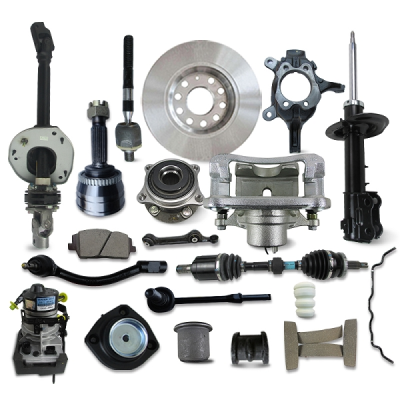


Comprehensive Sourcing Guide
New Shock Absorber Assembly Sourcing Guide
Sourcing new shock absorber assemblies requires a disciplined approach to verifying technical compatibility and commercial reliability. The global market for these components is vast, with listings ranging from low-cost generic parts to high-performance units designed for specific heavy-duty or on-road applications. Buyers must navigate a wide spectrum of product attributes, including material composition, structural design, and customization options, to ensure the selected assembly meets the operational demands of their fleet or vehicle platform. This guide provides a structured framework for evaluating suppliers and products based on observed market signals and essential verification steps.
The procurement process begins with a clear understanding of the product scope and the specific signals present in supplier listings. Observed data indicates a significant variation in product types, materials, and origins, reflecting the diverse needs of the automotive aftermarket and original equipment supply chains. By focusing on concrete attributes such as OE encoding, spring type, and packing specifications, buyers can filter out irrelevant listings and identify suppliers who possess the technical capability to deliver the exact components required for their maintenance or manufacturing operations.
Product Scope and Observed Listing Signals
The current market for shock absorber assemblies exhibits a broad range of product specifications, with observed listings indicating materials such as plastic and steel, and types ranging from auto bumpers to specialized suspension components. Buyers should note that while some listings advertise "plastic" materials, the core functional elements of a shock absorber assembly typically rely on steel or high-grade alloys for durability and load-bearing capacity. The presence of "auto bumper" classifications in some data points suggests that suppliers may offer a wide array of automotive parts, requiring buyers to carefully distinguish between body components and critical suspension systems to avoid procurement errors.
Observed listing signals also highlight significant variations in customization and origin, with products originating from regions such as Xinxiang, Henan, and general China-based suppliers. Many listings indicate that customization is available, allowing buyers to tailor specifications such as color, packing, and standard weights to their specific logistical needs. For instance, some products are described with specific packing dimensions like 45x8.5x8.5cm or neutral packaging, while others utilize wooden packages for heavier or more fragile assemblies. These signals provide a baseline for understanding the flexibility of suppliers, but they must be cross-referenced with technical requirements to ensure the final product aligns with the vehicle’s engineering constraints.
Technical Specifications to Verify
Verifying technical specifications is the most critical step in sourcing shock absorber assemblies, as compatibility is often determined by precise OE encodings and model numbers. Buyers must match the required OE codes, such as 70377036, 1ED413023B, 1ED513049, or 990157, with the supplier’s inventory to ensure exact fitment. The observed data includes a variety of model identifiers, including WG1642430283, WG9925688101, and LR057700, which correspond to specific vehicle platforms or suspension configurations. Relying on generic descriptions is insufficient; buyers must insist on documentation that explicitly links the supplied part to the correct OE number for their target application.
Beyond model numbers, structural and performance attributes must be validated to ensure the assembly meets operational demands. Key specifications to verify include the spring type, such as air springs or gas-filled units, and the structural design, such as single-cylinder configurations. For heavy-duty applications, resistance values and load capacities are paramount; observed data mentions resistance values ranging from 1000-2300 N, which indicates the force required to compress the shock. Buyers should also confirm the driving style compatibility, such as on-road performance, and the position of the assembly, whether it is designed for the rear or front of the vehicle, to prevent installation failures and ensure optimal ride quality.
Compliance and Safety Documentation
Compliance and safety documentation serve as the primary indicators of a supplier’s manufacturing maturity and adherence to international quality standards. Buyers should prioritize suppliers who can provide recognized certifications, such as ISO9001 and Ts16949, which demonstrate a commitment to quality management systems specific to the automotive industry. These certifications are not merely decorative; they indicate that the supplier has established processes for consistent production, traceability, and defect prevention, which are essential for maintaining the safety and reliability of shock absorber assemblies in service.
In addition to certifications, buyers must verify the quality claims and testing protocols associated with the products. While some listings assert "100% High Quality" or "High Level" quality, these statements must be backed by tangible evidence such as batch test reports, material certificates, or third-party inspection results. Buyers should request documentation that confirms the materials used, such as the steel or plastic components, meet the necessary durability and corrosion-resistance standards. Without this verification, claims of high quality remain unsubstantiated, exposing the buyer to risks of premature failure and increased maintenance costs.
Cost Drivers and Commercial Terms
Cost drivers in the shock absorber market are influenced by material costs, manufacturing complexity, and commercial terms such as payment methods and shipping logistics. Observed data indicates a wide price range, from as low as $0.01 to $169,000, reflecting the diversity of products from simple components to complete, high-value assemblies. Buyers should analyze the price in the context of the product’s specifications, such as the weight (e.g., 0.5kg, 2.500kg, 5kg) and packing requirements, to determine if the pricing is competitive and reflective of the actual value. Extremely low prices may indicate inferior materials or lack of quality control, while excessively high prices may include unnecessary markups.
Commercial terms, including payment methods, minimum order quantities (MOQ), and delivery times, significantly impact the total cost of ownership. Suppliers often offer flexible payment options such as TT or LC, and MOQs can be negotiated, ranging from 1 to 500 units. Buyers should also consider the mode of transportation, whether air or ship, and the associated lead times, which can extend up to 30 days for production. Understanding these terms allows buyers to plan their inventory and cash flow effectively, ensuring that the procurement process aligns with their operational timelines and budget constraints.
Supplier Qualification and Quality Control
Supplier qualification involves a thorough assessment of the manufacturer’s capabilities, including their production capacity, quality control processes, and logistical infrastructure. Buyers should verify the supplier’s origin, such as Henan or Xinxiang, and assess their ability to meet specific standards, such as "By The Customer Needs" or customized requirements. A qualified supplier should demonstrate the ability to produce assemblies that meet precise technical specifications, including adjustable features and specific resistance values, while maintaining consistent quality across batches.
Quality control measures should be integrated into the procurement process through pre-shipment inspections and clear acceptance criteria. Buyers should establish a protocol for verifying the product’s condition upon arrival, including checks for packaging integrity, such as wooden or neutral packages, and confirmation of the correct model numbers and OE encodings. Implementing a robust quality control plan helps mitigate the risk of receiving defective or non-compliant products, ensuring that the shock absorber assemblies perform as expected in their intended applications.
Long-Term Procurement Checks
Long-term procurement success depends on establishing ongoing relationships with reliable suppliers and continuously monitoring product performance. Buyers should track the performance of the shock absorber assemblies in service, noting any issues related to durability, fitment, or quality. This feedback loop is essential for identifying potential problems early and addressing them with the supplier before they escalate into larger operational disruptions. Regular performance reviews help maintain a high standard of quality and ensure that the supplier remains aligned with the buyer’s evolving needs.
Additionally, buyers should periodically re-evaluate their supplier base to ensure they are accessing the best available technology and pricing. This includes comparing current offerings against market trends and new product developments, such as advancements in air spring technology or gas-filled shock designs. By staying informed about industry developments and maintaining open communication with suppliers, buyers can optimize their procurement strategy, reduce costs, and enhance the reliability of their vehicle fleets over the long term.
FAQs
What materials are used in New Shock Absorber Assembly products?
New Shock Absorber Assembly products are primarily constructed from steel and plastic. These materials provide the necessary structural integrity and durability for automotive suspension systems. Buyers should verify the specific material composition for their application to ensure compatibility with vehicle requirements and performance standards.
Can New Shock Absorber Assembly products be customized for specific needs?
Yes, customization is available for New Shock Absorber Assembly products. Suppliers can adjust specifications to meet customer requirements, including specific dimensions or performance characteristics. This flexibility allows buyers to source components that fit their exact vehicle models or operational conditions without compromising on quality or fitment.
What is the typical lead time for New Shock Absorber Assembly orders?
The typical lead time for New Shock Absorber Assembly orders is approximately 30 days. This duration covers production and preparation for shipment. Actual delivery times may vary depending on order volume, customization complexity, and the chosen shipping method, so buyers should confirm specific timelines with the supplier before placing an order.
Which certifications are associated with New Shock Absorber Assembly suppliers?
Suppliers of New Shock Absorber Assembly products often hold ISO9001 and TS16949 certifications. These standards indicate adherence to quality management systems and automotive industry requirements. Verifying these certifications helps ensure that the products meet consistent quality benchmarks and are suitable for professional automotive applications.
How is New Shock Absorber Assembly packaging handled for international shipping?
New Shock Absorber Assembly products are typically packed in wooden packages or neutral packaging to protect them during transit. Shipping methods include sea, air, or express delivery. Proper packaging is essential to prevent damage, and buyers should confirm the specific packing method and shipping options with the supplier to ensure safe arrival.
What are the common payment terms for New Shock Absorber Assembly?
Common payment terms for New Shock Absorber Assembly include T/T and L/C. These methods provide secure transaction channels for international trade. Buyers should agree on specific payment milestones and terms with the supplier to ensure smooth financial processing and to mitigate risks associated with cross-border transactions.
What is the minimum order quantity for New Shock Absorber Assembly?
The minimum order quantity for New Shock Absorber Assembly can be negotiated between the buyer and the supplier. While some listings indicate a range starting from 1 unit, specific MOQs depend on the product model and customization requirements. Buyers should discuss their volume needs with the supplier to determine the most cost-effective order size.