Find Next Generation Electric Hybrid SUV for fleets, logistics, and personal transport
Source 30 Next Generation Electric Hybrid SUV models from verified Chinese manufacturers. Compare specifications including battery type, drive modes, and seating capacity to identify the right vehicle for commercial fleets, logistics operations, or personal use.
Key considerations
Products List


$12000.00 - $27000.00
MOQ: 1 Set


$1700.00 - $1800.00
MOQ: 1 Pieces

Ideal L8 New Electric Hybrid SUV New Energy Vehicle Used Electric Car
$32180.00 - $63300.00
MOQ: 5 Pieces


Power Efficiency Setting New SUV Standards Plug-in Hybrid Tank 400 SUV Car
$26500.00 - $27100.00
MOQ: 1 Pieces


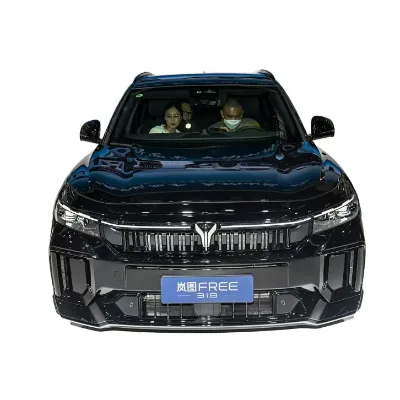
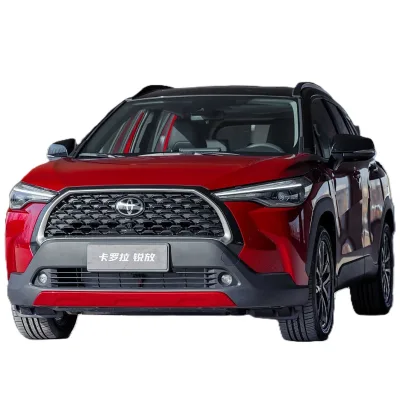
Cross 5-door 5-seat Compact SUV 2024 Model 2.0L New Car Hybrid High Power High Mileage
$18600.00 - $20000.00
MOQ: 1 units


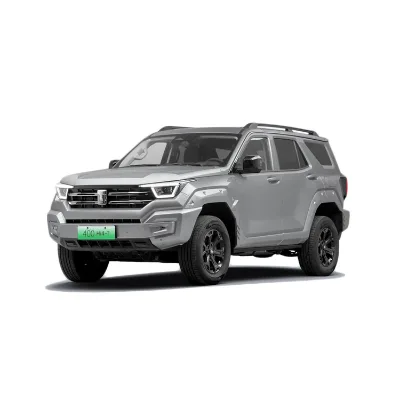
Comprehensive Sourcing Guide
Strategic Sourcing Guide for Next-Generation Electric Hybrid SUVs
The global automotive market is witnessing a decisive shift toward next-generation electric hybrid SUVs, driven by regulatory pressures, consumer demand for extended range, and advancements in battery technology. For B2B procurement professionals, sourcing these vehicles requires a nuanced understanding of technical specifications, supply chain logistics, and compliance frameworks. This guide provides a disciplined approach to evaluating potential suppliers and products, ensuring that procurement decisions are grounded in verifiable data rather than marketing assertions. The focus remains on identifying vehicles that balance performance, efficiency, and structural integrity while adhering to international standards.
Technical Architecture and Powertrain Specifications
The core of any next-generation electric hybrid SUV lies in its powertrain architecture. Modern hybrid systems typically combine an internal combustion engine with an electric motor to optimize fuel efficiency and reduce emissions. In the observed product data, specific configurations highlight the diversity available in the current market. For instance, certain models utilize a "Ternary Lithium Battery" paired with a "Permanent Magnet" motor structure, indicating a focus on high energy density and torque efficiency. The fuel source is explicitly listed as "Electric and Gasoline" or "Hybrid," confirming the dual-power capability essential for this vehicle class.
When evaluating technical specifications, buyers must scrutinize the displacement and power output. The data indicates a displacement range of 2500-4000CC for combustion components, which suggests a mid-to-large engine size capable of supporting high-performance hybrid systems. Maximum power outputs vary significantly, with observed figures ranging from 110 Kw to 202 Kw, and torque values spanning from 330 Nm to 405 Nm. These figures are critical for determining the vehicle's suitability for specific operational environments, such as urban delivery or long-haul logistics.
Furthermore, the braking and drive systems are pivotal for safety and handling. The observed braking systems include "Electromagnetic" components alongside traditional "Disc" brakes, suggesting a regenerative braking capability that recovers energy during deceleration. The drive configuration is predominantly "Front Drive" or "FWD," which influences the vehicle's traction characteristics and weight distribution. Buyers should verify that the "Gearbox" is "Automatic" to ensure smooth transitions between electric and combustion modes. The tire specifications, such as 255/60 R19 or 225/55 R19, provide insight into the vehicle's load-bearing capacity and road grip, which must align with the intended application.
Compliance, Certification, and Regulatory Standards
Navigating the regulatory landscape is a fundamental requirement for B2B procurement. While specific certification bodies vary by region, the presence of "ISO" certifications related to management systems (noted as "ISOSeats:Steering:Left" in the data) indicates a baseline adherence to quality management standards. Buyers must verify that the supplier holds valid ISO certifications relevant to automotive manufacturing, such as ISO 9001 for quality management or ISO 14001 for environmental management.
Vehicle standards also encompass dimensional and structural requirements. The product data lists specific standard dimensions, such as 482618901714mm and 500019611773mm, which define the physical footprint of the SUVs. These dimensions are crucial for logistics planning, warehouse storage, and compliance with road regulations in different jurisdictions. Additionally, the "Body Structure" is described as "Closed" with configurations like "5-Door 7-Seat" or "4-Door 5-Seat," which must be verified against local safety regulations regarding passenger capacity and crashworthiness.
Safety features are another critical compliance area. The data confirms the presence of "ABS (Antilock Braking System)" and "Rear Radar," which are essential for modern safety standards. Buyers should ensure that the vehicles meet the specific safety standards of the target market, including crash test ratings and pedestrian protection regulations. The "Condition" is listed as "New," which simplifies compliance verification but requires confirmation that the vehicles have not been modified in ways that void their original certifications.
Cost Drivers and Financial Considerations
The pricing landscape for next-generation electric hybrid SUVs is highly variable, with observed listed prices ranging from 1 USD to 75,000 USD. This wide range reflects differences in model complexity, battery capacity, brand positioning, and included features. Procurement professionals must understand that the lowest price point may not reflect the total cost of ownership (TCO). Factors such as battery type, motor structure, and advanced safety systems significantly influence the final cost.
The "MOQ (Minimum Order Quantity)" ranges from 1 to 100 units, offering flexibility for buyers with varying scale requirements. Small orders may incur higher per-unit costs due to fixed logistics and setup fees, while larger orders might benefit from volume discounts but require significant capital outlay. Buyers should also consider the "prod_packing" method, which varies between "Roll-on-Roll-off Ship" and "Nude Packing." The chosen packing method impacts shipping costs, insurance premiums, and the risk of damage during transit.
Additional cost drivers include the "prod_origin," which is listed as "China" for the observed products. Sourcing from this region may offer competitive pricing but requires careful evaluation of import duties, tariffs, and supply chain resilience. Buyers should also account for the "Weight" of the vehicles, which ranges from 1880kg to 2152kg, as heavier vehicles may incur higher shipping costs and require specialized handling equipment.
Typical Applications and Operational Use Cases
Next-generation electric hybrid SUVs are versatile vehicles suitable for a wide range of applications. The "Road Conditions" attribute, listed as "Road," suggests these vehicles are designed for standard paved surfaces, making them ideal for urban delivery, corporate fleets, and personal transportation. The "Body Style" of "SUV" and "Body Type" of "Closed" provide ample cargo space and passenger comfort, enhancing their utility for commercial and private use.
For fleet operators, the "Drive Mode" of "Front Drive" and the "Maximum Speed" of up to 230 km/h offer the flexibility to navigate diverse traffic conditions efficiently. The "Wheelbase" dimensions, ranging from 2710 mm to 2950 mm, influence the vehicle's stability and maneuverability, which are critical factors for delivery routes in congested urban areas. The "Exterior Color" options, including Blue, Gray, and White, allow buyers to customize the fleet to match corporate branding or aesthetic preferences.
The "Customization" attribute being "Available" is a significant advantage for buyers seeking tailored solutions. This could include modifications to the interior seating, branding, or specific equipment installations. However, buyers must ensure that any customization does not compromise the vehicle's safety certifications or structural integrity. The "Seat No." and "Voltage" specifications, such as 72V, indicate the electrical system's capacity, which must be compatible with any additional equipment or charging infrastructure.
Supplier Evaluation and Due Diligence
Selecting the right supplier is paramount to the success of any procurement project. Buyers should prioritize suppliers with a proven track record in manufacturing electric hybrid SUVs. The "prod_model" names, such as "Benz GLC," "Ford Edge," "xiaopeng G3," and "Changan CS75 Plus idd," provide a starting point for research, but buyers must verify that the supplier is an authorized manufacturer or distributor for these specific models.
Due diligence should include a thorough review of the supplier's production capacity, quality control processes, and after-sales support. The "prod_origin" being "China" necessitates a clear understanding of the supplier's export capabilities and experience with international logistics. Buyers should request detailed documentation regarding the "prod_standard" and "prod_packing" to ensure that the vehicles meet the required specifications and are packaged securely for transport.
It is also essential to evaluate the supplier's responsiveness to inquiries and their ability to provide technical support. The "Customization" availability suggests that the supplier should be capable of accommodating specific buyer requirements. Buyers should assess the supplier's communication channels, language capabilities, and willingness to provide samples or factory audits.
Quality Control and Long-Term Procurement Strategies
Quality control is a continuous process that begins with the initial supplier evaluation and extends through the entire supply chain. Buyers should implement a rigorous inspection protocol that includes pre-shipment inspections, random sampling, and final acceptance testing. The "Condition" of the vehicles being "New" is a baseline requirement, but buyers must also verify the absence of defects in the "Braking System," "Gearbox," and "Battery Type."
Long-term procurement strategies should focus on building sustainable relationships with suppliers. This includes negotiating favorable terms for maintenance, spare parts, and warranty coverage. The "Maximum Torque" and "Maximum Power" specifications should be monitored over time to ensure consistent performance. Buyers should also consider the "Lead Time" for production and delivery, although specific values are not provided in the data, and plan accordingly to avoid supply chain disruptions.
Finally, buyers should stay informed about emerging technologies and regulatory changes that may impact the procurement of electric hybrid SUVs. The rapid evolution of battery technology and the increasing emphasis on sustainability mean that today's leading models may become obsolete tomorrow. By maintaining a flexible and informed approach, buyers can ensure that their procurement strategies remain effective and aligned with the evolving needs of the market.
Conclusion
Sourcing next-generation electric hybrid SUVs requires a comprehensive understanding of technical specifications, compliance requirements, and market dynamics. By leveraging the observed data and applying disciplined procurement practices, buyers can identify suppliers and products that meet their specific needs. The key to success lies in thorough due diligence, rigorous quality control, and a strategic approach to long-term relationship management. As the automotive industry continues to evolve, staying informed and adaptable will be essential for navigating the complexities of the global market.
FAQs
What battery type is used in these hybrid SUVs?
The vehicles utilize a Ternary Lithium Battery paired with a Permanent Magnet motor structure. This configuration supports high energy density and torque efficiency for both electric and gasoline operation modes.
Which drive configuration do these SUVs feature?
These SUVs predominantly feature Front Drive or FWD configurations. This setup influences traction characteristics and weight distribution, ensuring smooth transitions between electric and combustion modes via an automatic gearbox.
Can buyers customize the exterior color of these vehicles?
Yes, customization is available for exterior colors including Blue, Gray, and White. Buyers can select specific finishes to match corporate branding while maintaining the structural integrity and safety certifications of the new vehicles.
How is the braking system designed for safety?
The braking system combines Electromagnetic components with traditional Disc brakes and includes an ABS Antilock Braking System. This setup allows for regenerative braking to recover energy during deceleration while ensuring reliable stopping power.
What is the minimum order quantity for these SUVs?
The minimum order quantity ranges from 1 to 100 units depending on the supplier. Small orders may incur higher per-unit costs, while larger orders might benefit from volume discounts but require significant capital outlay.
Where are these vehicles manufactured and shipped from?
The products originate from China and are shipped using methods like Roll-on-Roll-off Ship or Nude Packing. Buyers must account for import duties and logistics costs associated with this specific origin region.