Find Night Repair Serum for Face, Body, and Neck
Source 30 Night Repair Serum options for face, body, and neck care. Buyers can compare formulations, certifications, and pricing from verified suppliers to find the right product for their brand needs.
Key considerations
Products List
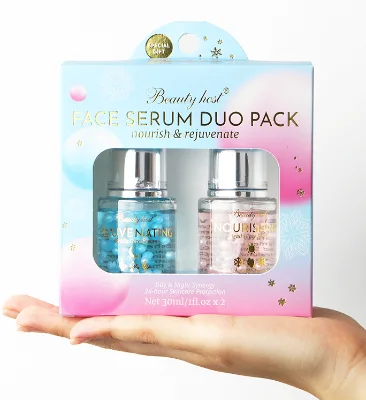
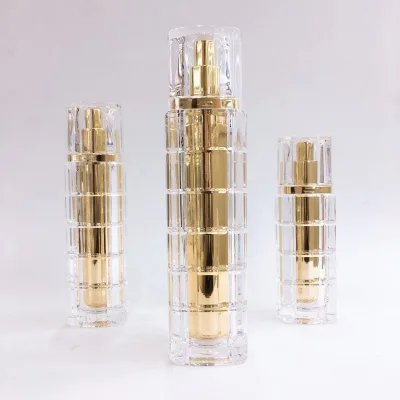
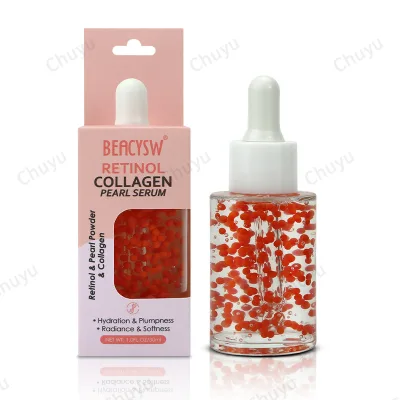
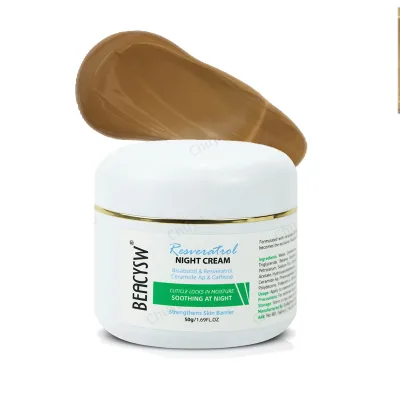


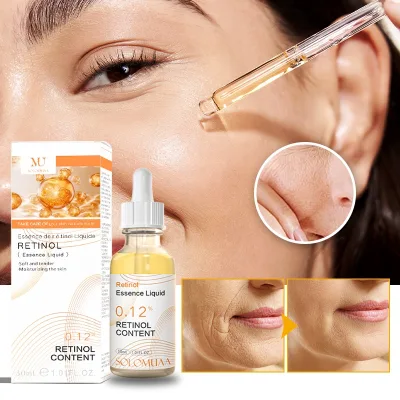
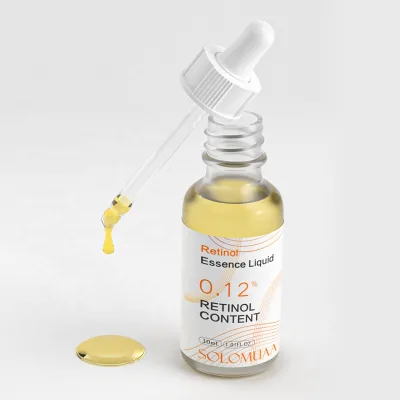
Skin Care Facial Essence Skin Care Repairs Fine Lines Wrinkles Retinol Serum
$2.00 - $2.95
MOQ: 100 Pieces


OEM Acne Scar Treatment Repairing Healing Removal Serum for New and Old Scar
$1.39 - $2.23
MOQ: 3000 Pieces






Comprehensive Sourcing Guide
Strategic Sourcing Guide for Night Repair Serum Procurement
Understanding Product Specifications and Formulation Variability
When initiating a procurement strategy for Night Repair Serum, the buyer must first navigate the significant variance in technical specifications observed across the market. The term "Night Repair Serum" encompasses a broad spectrum of formulations, ranging from lightweight lotions to rich creams, each designed for specific skin recovery cycles. In the current supply landscape, products are frequently categorized by their primary form, with distinct entries identified as "Serum," "Cream," and "Lotion." This distinction is critical because the viscosity and absorption rate of the vehicle directly impact the efficacy of active ingredients during the nocturnal skin regeneration phase.
A detailed examination of available product attributes reveals that volume specifications are not uniform. Procurement data indicates units ranging from 30ml to 50ml, with some dual-pack configurations offering 30ml x 2. The packaging format also varies, with "Box" being a standard primary container, often accompanied by specific single package dimensions such as 6.8 x 6.8 x 4.7 cm. Weight data further complicates the logistics planning, with observed net weights of 30ml or 50ml, while gross weights per batch or box can fluctuate significantly, with some records noting a gross weight of 2.000 kg per unit or batch, and others listing 122g/box.
The formulation itself is the most critical technical differentiator. While some products highlight specific active ingredients like Ectoin, Snow Lotus, Actoin, and Trehalose, others list a comprehensive blend including Pearl, Aloe Vera, Shea Butter, Glycerin, Hyaluronic Acid, Vitamin C, AHA, Niacinamide, Vitamin E, Collagen, Retinol, Peptide, Squalane, and Vitamin B5. The presence of ingredients such as Retinol and Vitamin C suggests a focus on anti-aging and brightening, while components like Panthenol and Aloe Vera indicate a soothing and moisturizing function. Buyers must verify the exact ingredient list for each SKU, as the "Main Ingredient" field often varies between products even within the same category. Furthermore, the target application area is specified as the face, body, hands, and neck/throat, requiring the buyer to confirm if the specific serum is intended for localized facial repair or broader body application.
Compliance Framework and Certification Verification
In the cosmetics and personal care sector, compliance is not merely a regulatory formality but a fundamental component of product safety and market access. For night repair serums, the supply chain must demonstrate adherence to rigorous manufacturing and safety standards. Observed certification data points to a cluster of specific credentials that buyers should prioritize during supplier vetting. The most frequently cited certifications include MSDS (Material Safety Data Sheet), GMPC (Good Manufacturing Practice for Cosmetics), ISO22716, and GMP (Good Manufacturing Practice).
ISO22716 is particularly significant as it represents the international standard for Good Manufacturing Practices for cosmetic products. Its presence indicates that the manufacturing facility follows a systematic approach to quality management, covering everything from raw material sourcing to final product packaging. Similarly, GMPC and GMP certifications suggest that the production environment maintains high hygiene and safety standards, which is essential for products applied to the skin, especially those containing potent actives like Retinol or Vitamin C. The MSDS is a mandatory document that details the hazards of the chemical ingredients, ensuring that the product can be safely transported and handled by logistics providers and end-users.
Buyers must exercise caution when interpreting certification claims. While some product listings explicitly state "MSDS/ GMPC/ ISO22716," others may only list "GMP;MSDS." It is imperative to request physical copies of these certificates from the supplier rather than relying solely on the product page description. The validity of these certifications should be verified against the issuing body, and the scope of the certification must cover the specific manufacturing site where the Night Repair Serum is produced. Additionally, while some background information mentions FSC (Forest Stewardship Council), this is generally less relevant for the serum formulation itself unless the packaging materials are a primary concern. The primary focus for night repair serums should remain on the safety and quality certifications related to the cosmetic product itself.
Cost Drivers and Minimum Order Quantity Analysis
The economics of sourcing Night Repair Serum are heavily influenced by the Minimum Order Quantity (MOQ) and the associated cost structure. Market data reveals a wide disparity in MOQ requirements, ranging from as low as 1 unit to as high as 6,000 units. This variance often correlates with the supplier's business model, whether they are offering OEM (Original Equipment Manufacturing), ODM (Original Design Manufacturing), or OBM (Original Brand Manufacturing) services.
For buyers seeking private label solutions or custom formulations, the MOQ is a critical constraint. Some suppliers operate with a high-volume threshold, such as an MOQ of 6,000 pieces, with selling units often structured as multiples of 6,000 items. This high-volume requirement is typical for manufacturers who produce standardized formulations and require large batch runs to maintain cost efficiency. Conversely, suppliers offering lower MOQs, such as 1 to 6,000 units, may cater to smaller brands or those testing the market with new products. The price range observed in the market spans from $0.30 to $145.71 USD, a vast difference that reflects the complexity of the formulation, the quality of ingredients, and the scale of the order.
Several factors drive the final cost of the Night Repair Serum. The inclusion of premium ingredients such as Ectoin, Snow Lotus, or high concentrations of Retinol and Peptides will naturally increase the unit cost compared to formulations relying on more common ingredients like Glycerin or Aloe Vera. Additionally, the packaging complexity plays a role; a dual-pack box with specific dimensions and branding will cost more than a standard single bottle. The service model also impacts pricing; suppliers offering full OEM/ODM services, including custom formula development and private labeling, will typically command a higher price point than those selling off-the-shelf products. Buyers must balance their budget constraints with the desired product quality and the flexibility of the order quantity.
Typical Applications and Functional Positioning
The functional positioning of Night Repair Serum is defined by its intended use during the nocturnal cycle and its specific benefits for skin health. The product attributes consistently highlight functions such as "Nourishing," "Rejuvenate," "Revitalizing," "Anti-Wrinkle," "Firming," and "Soothing." These functions align with the biological processes of skin repair that occur at night, when cell turnover is accelerated and the skin is more receptive to active ingredients.
The target demographic for these products is primarily adults, with a specific focus on female consumers, although the "All Skin Types" attribute suggests broad applicability. The products are designed to address a wide range of skin concerns, including dark circles, pore shrinking, anti-aging, whitening, and lightening. The "Day" and "Night" usage indicators are crucial; while some products are marketed for daytime use, the core keyword "night repair" implies a formulation optimized for overnight recovery. This often involves ingredients that might be photosensitive or require a longer absorption time, such as Retinol and certain peptides.
The application areas are diverse, with products targeting the face, body, hands, and neck/throat. This versatility allows buyers to position the product for specific market segments, such as a dedicated facial anti-aging serum or a multi-purpose body and neck repair lotion. The "Color" attribute, often listed as Pink & Blue or specific product names like "Daily Moisturizing Serum" and "Nightly Moisturizing Serum," helps in visual identification and marketing differentiation. Understanding these functional nuances is essential for matching the right product to the right customer need, ensuring that the procurement aligns with the brand's value proposition.
Supplier Evaluation and Manufacturing Capabilities
Evaluating potential suppliers for Night Repair Serum requires a deep dive into their manufacturing capabilities and service models. The supply chain offers various types of manufacturing arrangements, including OBM (Original Brand Manufacturing), OEM, and ODM. Suppliers offering "OEM ODM Private Label" services provide the flexibility for buyers to customize the product, from the formula to the packaging and branding. This is particularly valuable for brands looking to establish a unique identity in the competitive skincare market.
The place of origin is a significant factor in supplier evaluation. Many products in this category originate from Guangdong, China, a region known for its robust cosmetics manufacturing infrastructure. Buyers should verify the specific location of the manufacturing facility to ensure it aligns with their logistical and compliance requirements. The "Model Number" field, such as "63664" or "CHUYU-80," serves as a unique identifier for specific SKUs, allowing for precise tracking and quality control.
When assessing suppliers, buyers should look for evidence of consistent quality control and the ability to scale production. The "Sample" availability, often listed as "1 box," is a practical starting point for evaluating product quality before committing to a large order. The "Service" attribute indicates the level of support provided, which can range from simple product supply to full-scale brand development. Buyers must ensure that the supplier can meet their specific volume requirements, whether that is a small trial order or a large-scale production run of 6,000 units or more.
Quality Control and Long-Term Procurement Considerations
Ensuring the long-term success of a Night Repair Serum procurement strategy requires a robust quality control framework. The shelf life of these products is a critical parameter, with observed data indicating a shelf life of 3 years. This duration allows for extended distribution and inventory management but requires strict adherence to storage conditions to maintain product integrity. The "Gross weight per batch" and "Volume per batch" metrics, while sometimes listed as 0.0 kg or 0 cm³ in certain records, highlight the need for precise weight and volume verification during the receiving process to prevent discrepancies.
Long-term procurement considerations also involve the stability of the supply chain. Buyers should assess the supplier's ability to maintain consistent quality over time, especially when dealing with complex formulations containing multiple active ingredients. The "Ingredient" list, which may include Herbal, Vegan, and Organic components, suggests a demand for transparency and sustainability. Buyers should verify the source of these ingredients and ensure that the supplier can provide documentation for their origin and quality.
Furthermore, the "Feature" attributes, such as "Skin Revitalizer," "Moisturizer," "Anti-Wrinkle," and "Repairing Skin," must be consistently delivered in every batch. This requires regular testing and quality assurance checks. The "Single package size" and "Weight" specifications must be maintained to ensure that the product meets the expectations set by the marketing materials. Finally, the "Target area" and "Use time" specifications must be clearly communicated to the end-user to ensure proper application and optimal results. By focusing on these quality control aspects, buyers can mitigate risks and build a reliable supply chain for their Night Repair Serum products.
FAQs
What certifications do Night Repair Serum manufacturers hold?
Manufacturers typically hold MSDS, GMPC, ISO22716, and GMP certifications. These credentials ensure adherence to international safety and quality standards for cosmetic production, verifying that the facility follows systematic quality management from raw materials to packaging.
Which ingredients are commonly found in night repair serums?
Common ingredients include Ectoin, Snow Lotus, Retinol, Hyaluronic Acid, Vitamin C, and Peptides. Formulations vary significantly, with some products focusing on specific actives like Trehalose while others offer comprehensive blends containing Aloe Vera, Shea Butter, and Collagen.
Can buyers request private label services for Night Repair Serum?
Yes, suppliers offer OEM, ODM, and Private Label services for customization. Buyers can specify brand names, packaging formats like boxes, and specific volume requirements such as 30ml or 50ml to align with their unique market positioning and product identity.
What is the typical minimum order quantity for Night Repair Serum?
Minimum order quantities range from 1 to 6000 pieces depending on the supplier. Some manufacturers require a high volume of 6000 units with selling units as multiples of 6000, while others accommodate smaller trial orders starting from a single unit.
How long is the shelf life of Night Repair Serum products?
The observed shelf life for these products is typically 3 years. This duration supports extended inventory management and distribution, provided the products are stored under appropriate conditions to maintain the integrity of active ingredients like Retinol and Vitamin C.
Where are Night Repair Serum products primarily manufactured?
Products are primarily manufactured in Guangdong, China. This region is known for its robust cosmetics infrastructure, offering a wide range of suppliers capable of producing various forms like serums, creams, and lotions with diverse packaging options.