Find Night Vision Front And Rear Dash Cam for Fleet, Ride-Sharing, and Commuting
Source 30 verified Night Vision Front And Rear Dash Cam units featuring HD recording, G-sensors, and Wi-Fi connectivity. Buyers can compare specifications like 1080p and 4K video quality, 170° viewing angles, and parking monitoring support across diverse models.
Key considerations
Products List


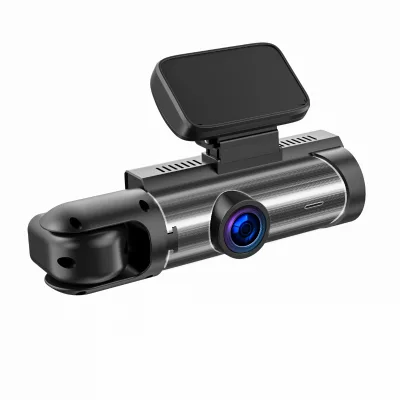

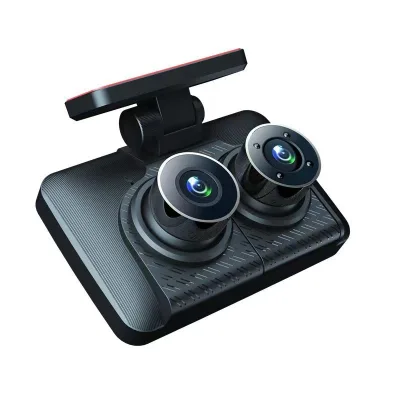
Comprehensive Sourcing Guide
Strategic Sourcing Guide for Night Vision Front and Rear Dash Cams
The procurement of night vision front and rear dash cams represents a critical investment in vehicle safety and data integrity for fleet managers and automotive retailers. These devices are engineered to capture high-definition footage in low-light conditions, providing essential evidence for accident reconstruction and driver behavior analysis. When sourcing these units, buyers must navigate a complex landscape of technical specifications, certification requirements, and supply chain variables. The following guide outlines the essential factors for evaluating potential suppliers and products, ensuring that the selected equipment meets rigorous operational standards without relying on unverified marketing claims.
Technical Architecture and Optical Performance
The core functionality of a night vision dash cam relies on advanced sensor technology and optical design. When evaluating products, buyers should prioritize the shooting angle and resolution capabilities, as these directly impact the clarity of the recorded footage. The market offers units with varying fields of view, with observed specifications ranging from 120° to 170°. A wider angle, such as 170°, is often preferred for front-facing cameras to capture a broader lane perspective, while rear units may utilize slightly narrower angles to optimize for specific mounting constraints.
Resolution is another paramount technical specification. High-definition recording is a standard expectation, with specific models supporting dual-channel recording at 4K and 1080p simultaneously. This dual-resolution capability ensures that the front camera captures maximum detail while the rear camera maintains sufficient clarity for license plate recognition. The pixel count is also a significant indicator of image quality, with 12-megapixel sensors being a common benchmark in high-performance units.
For night vision operations, the sensor's ability to process low-light signals is crucial. Buyers should verify if the device utilizes specific technologies like AHD (Analog High Definition) or standard HD formats. The presence of a dedicated night vision mode, often paired with infrared illumination or high-sensitivity sensors, allows for clear recording in darkness. Additionally, the screen size and type, such as a 3-inch or 4.3-inch IPS display, facilitate immediate review of footage on the device itself, though many modern units rely on app-based viewing via Wi-Fi connectivity.
Functional Capabilities and Data Management
Beyond visual recording, modern dash cams serve as comprehensive data recorders. The functional suite of a reliable unit typically includes driving data recording, accident recording and analyzing, and over-speed warning systems. These features transform the device from a simple camera into an active safety tool. The inclusion of a G-sensor is standard for detecting sudden impacts or hard braking, which automatically locks the relevant video segment to prevent it from being overwritten by the loop recording function.
Data management is facilitated through various storage and communication methods. SD card memory sizes, such as 32GB, are commonly observed, but buyers must ensure the unit supports expandable storage for extended recording periods. The interface for data retrieval is equally important; many units offer data communication capabilities via Wi-Fi, allowing for app control and remote viewing. Some advanced models feature built-in GPS for tracking location and speed, while others may support two-way video display for simultaneous monitoring of front and rear feeds.
The style of the device also dictates its application. Whether labeled as a "Data Recorder," "Image Recorder," or specifically as a "Front and Rear Dash Cam," the underlying architecture must support continuous loop recording and parking monitoring. Parking mode is essential for commercial fleets, as it allows the camera to remain active while the vehicle is stationary, detecting motion or impacts and triggering a recording. This feature often requires a hardwiring kit, which should be considered during the procurement planning phase.
Compliance, Certification, and Standards Verification
Ensuring that a dash cam meets regulatory and safety standards is a non-negotiable aspect of B2B procurement. Buyers must verify that the product carries recognized certifications, such as CE, which indicates compliance with European health, safety, and environmental protection standards. While specific certifications are observed in the market, the absence of such documentation should be treated as a red flag, requiring immediate clarification from the supplier.
Product standards also encompass physical dimensions and packaging. Observed specifications include precise dimensions like 125.6mm in length, 86.6mm in width, and 46.9mm in height, with a weight of approximately 320g. These physical attributes are critical for installation compatibility, particularly in vehicles with limited dashboard space or specific mounting requirements. The standard packaging should be robust enough to protect the device during transit, preventing damage to the lens or screen.
When evaluating suppliers, buyers should request documentation regarding the origin of the product. Many units originate from manufacturing hubs in China, with specific regions like Guangzhou, Guangdong, being notable production centers. However, the origin alone does not guarantee quality; it is the adherence to international standards and the transparency of the supply chain that matters most. Buyers should also check for any specific industry standards related to automotive electronics to ensure the device can withstand the thermal and vibrational stresses of vehicle operation.
Cost Drivers and Procurement Economics
The pricing of night vision front and rear dash cams varies significantly based on the feature set and build quality. Market observations indicate a price range from $5 to $120 USD, reflecting the diversity of the product line from basic models to high-end, feature-rich units. Several factors drive these costs, including the resolution of the sensors, the inclusion of GPS and Wi-Fi modules, and the complexity of the night vision technology.
Minimum Order Quantity (MOQ) is another critical economic factor. Suppliers may accept small orders, making it feasible for smaller retailers to test the market, while others may require MOQs up to 1000 units for bulk pricing. The flexibility of the supplier to accommodate small orders can be a significant advantage for buyers looking to diversify their inventory without committing to large capital expenditures.
Customization is a key value-add in this sector. Many suppliers offer customization options, allowing buyers to brand the device, modify the packaging, or adjust specific software features. This level of customization can influence the final cost and lead time, so it is essential to clarify these requirements early in the negotiation process. Buyers should also consider the total cost of ownership, which includes the cost of accessories like hardwiring kits, SD cards, and mounting brackets, as these are often sold separately.
Supplier Evaluation and Quality Assurance
Selecting the right supplier requires a rigorous evaluation process that goes beyond price comparisons. Buyers should assess the supplier's ability to provide consistent quality across batches, particularly for electronic components that are prone to manufacturing variances. The presence of a G-sensor, parking monitoring support, and reliable Wi-Fi connectivity should be verified through sample testing rather than relying solely on product descriptions.
Quality control measures should be a central part of the supplier agreement. This includes pre-shipment inspections to verify that the physical dimensions, screen quality, and video resolution match the specifications. For night vision capabilities, testing under low-light conditions is essential to ensure the device performs as advertised. Buyers should also inquire about the supplier's return policy and warranty terms, as these reflect their confidence in the product's durability.
The supply chain's reliability is equally important. While specific lead times are not universally defined, buyers should establish clear expectations regarding production schedules and shipping timelines. Suppliers located in established manufacturing regions may offer more predictable lead times, but this should be confirmed on a case-by-case basis. Additionally, the supplier's responsiveness to technical queries and their ability to provide after-sales support are critical indicators of a long-term partnership potential.
Long-Term Procurement and Application Strategy
The deployment of night vision front and rear dash cams serves various applications, from personal vehicle safety to commercial fleet management. In fleet operations, the ability to record driving data, detect fatigue, and analyze accidents is invaluable for reducing insurance premiums and improving driver safety. The data communication features allow for real-time monitoring and remote diagnostics, which can significantly enhance operational efficiency.
For long-term procurement, buyers should consider the scalability of the solution. As the fleet grows, the ability to integrate new units with existing systems and manage data centrally becomes crucial. The compatibility of the dash cam with third-party software and the availability of firmware updates are key factors in ensuring the longevity of the investment. Furthermore, the durability of the device in various environmental conditions, including extreme temperatures and vibrations, should be validated through independent testing or supplier-provided test data.
In conclusion, sourcing night vision front and rear dash cams requires a balanced approach that weighs technical specifications, compliance, cost, and supplier reliability. By focusing on high-resolution sensors, robust data recording capabilities, and verified certifications, buyers can secure equipment that enhances safety and provides actionable insights. The market offers a wide range of options, but the key to successful procurement lies in rigorous due diligence and a clear understanding of the specific operational needs of the end-user.
FAQs
What resolution options are available for front and rear dash cams?
High-definition recording is standard, with specific models supporting dual-channel recording at 4K and 1080p simultaneously. This dual-resolution capability ensures that the front camera captures maximum detail while the rear camera maintains sufficient clarity for license plate recognition.
Can these devices record data while the vehicle is parked?
Yes, parking monitoring is supported by many units to detect motion or impacts while the vehicle is stationary. This feature often requires a hardwiring kit and allows the camera to remain active for security purposes when the engine is off.
Which certification standards do these dash cams typically meet?
Products often carry recognized certifications such as CE, which indicates compliance with European health, safety, and environmental protection standards. Buyers must verify that the product carries this documentation to ensure regulatory compliance before purchase.
How wide is the shooting angle for these camera units?
The market offers units with varying fields of view, with observed specifications ranging from 120 degrees to 170 degrees. A wider angle like 170 degrees is often preferred for front-facing cameras to capture a broader lane perspective.
What is the typical screen size and type for these devices?
Units commonly feature a 3-inch or 4.3-inch IPS display to facilitate immediate review of footage on the device itself. Many modern units also rely on app-based viewing via Wi-Fi connectivity for remote monitoring.
Can buyers customize the packaging or branding of these dash cams?
Customization is available, allowing buyers to brand the device, modify the packaging, or adjust specific software features. This level of customization can influence the final cost and lead time, so it is essential to clarify these requirements early.
What is the price range for night vision front and rear dash cams?
Market observations indicate a price range from 5 to 120 USD, reflecting the diversity of the product line from basic models to high-end units. Several factors drive these costs, including the resolution of the sensors and the inclusion of GPS modules.