Source NIJ Level III Ceramic Plate for Body Armor, Safety, and Protection
Compare 30 listings for the NIJ Level III Ceramic Plate, featuring single curved designs with weights from 2.5 to 2.95 kg. Buyers can evaluate protection levels, material types like silicon carbide, and customization options for industrial and personal safety applications.
Key considerations
Products List


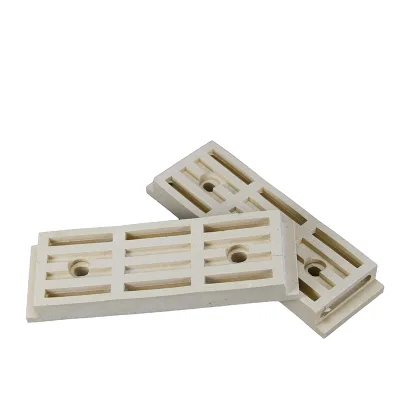


Nij IV Presureless Sintered Sib4c Composite Ceramic Plate for Bulletproof
$69.00 - $150.00
MOQ: 10 Pieces


Comprehensive Sourcing Guide
Strategic Sourcing Guide for NIJ Level III Ceramic Body Armor Plates
Understanding the Technical Profile of Single Curve Ceramic Plates
When sourcing a NIJ Level III Ceramic Plate, the primary objective is to identify components capable of stopping high-velocity rifle rounds while maintaining a manageable weight profile for the end-user. Based on current market observations, the core product category often centers on a "Single Curve Plate" designed specifically for ballistic protection. These plates typically feature a distinct curvature, often described as a single curve with cutouts at the upper corners, such as dimensions of 85x50mm, to accommodate ergonomic fitment within tactical vests. The physical dimensions observed in the market frequently align with a standard footprint of 250mm by 300mm, with thicknesses varying between 23mm and 29mm depending on the specific material composition and intended threat level.
The material composition is a critical differentiator. The market presents two primary ceramic types: Silicon Carbide and Aluminum Oxide. Silicon Carbide is generally associated with higher hardness and lighter weight, making it a preferred choice for high-performance applications, while Aluminum Oxide offers a cost-effective alternative with robust protection capabilities. The weight of these plates is a vital specification for mobility; observed weights range from approximately 2.5 kg to 2.95 kg for standard 250x300mm units. The structural integrity is further enhanced by specific finishing processes. Common finishes include a black waterproof fabric layer or a polyurea coating, both of which serve to protect the ceramic substrate from moisture and physical abrasion during field operations.
Compliance Verification and NIJ Standard Alignment
The most critical aspect of sourcing ballistic plates is verifying compliance with the National Institute of Justice (NIJ) standards. Buyers must rigorously confirm that the product claims to meet NIJ 0101.06 standards, specifically Level III or Level IV. Level III plates are engineered to stop rifle rounds, whereas Level IV offers protection against armor-piercing rounds. In the observed product data, specific mentions of "NIJ Level III/IV" and "NIJ 0101.06 III" or "NIJ 0101.06 IV M2ap" appear. It is essential for procurement teams to understand that these designations are not merely marketing terms but require validation through independent testing reports.
Buyers should not assume that a product labeled as "NIJ Level III" automatically meets the full requirements of the standard without documentation. The standard defines specific test conditions, including the number of shots, the type of ammunition, and the backface deformation limits. When evaluating a supplier, the procurement team must request the specific test report that corresponds to the exact model number and material batch. For instance, a plate with the model designation "a-3ec Sta" or "a-4ec Sta" must be cross-referenced with its corresponding test data to ensure the ballistic performance matches the claimed protection level. The absence of a valid, third-party test report for the specific NIJ standard cited is a significant red flag that should halt the procurement process.
Cost Drivers and Pricing Dynamics in the Ceramic Market
The pricing of NIJ Level III ceramic plates is influenced by several variables, including the raw material cost, the complexity of the manufacturing process, and the volume of the order. The observed price range in the market spans from $1 to $500, a wide variance that reflects differences in quality, certification status, and order quantity. High-performance Silicon Carbide plates generally command a higher price point compared to Aluminum Oxide variants due to the raw material costs and the precision required in sintering. Additionally, the finishing process plays a role; plates with polyurea coatings or specialized waterproof fabric treatments may incur higher costs than those with standard finishes.
Order volume is another significant cost driver. While some suppliers indicate a Minimum Order Quantity (MOQ) as low as 1 unit, others may require a minimum of 10 units or more. The "Small Orders: Accepted" attribute suggests flexibility for smaller tactical units or individual buyers, but bulk purchases often unlock better pricing tiers. Buyers should also consider the packaging requirements, which can impact the final landed cost. Standard packaging often involves 10 pieces per carton, with options for PP bags, cartons, and pallets for larger shipments. The origin of the product, typically China, influences logistics costs, which must be factored into the total cost of ownership alongside the unit price.
Typical Applications and Operational Use Cases
The primary application for these ceramic plates is body armor and safety protection for law enforcement, military personnel, and security contractors. The specific design features, such as the single curve shape and corner cutouts, are optimized for use in plate carriers and soft armor vests, ensuring a comfortable fit that does not restrict movement. The "Protection Level: Nij 0101.06 III" designation confirms their suitability for engaging threats from high-velocity rifles, making them essential equipment for high-risk operations.
Beyond personal body armor, the ceramic material technology is also applied in industrial settings. Some listings indicate usage for "Industry Usage" or as "Refractory ceramic plate for sintering," highlighting the versatility of the material. In these contexts, the high hardness and wear resistance of the ceramic are leveraged for industrial processes rather than ballistic protection. However, for procurement focused on the core keyword of NIJ Level III plates, the focus remains on the ballistic application. The "Usage: Body armor plate, Safety protection" attribute underscores the dual nature of the product category, where buyers must clearly distinguish between industrial refractory products and certified ballistic plates to ensure they are purchasing the correct item for their safety requirements.
Supplier Evaluation and Quality Assurance Protocols
Evaluating a supplier for ballistic components requires a multi-faceted approach that goes beyond price comparison. Buyers should verify the supplier's ability to provide customization options, as the market data indicates that "Customization: Available" is a common feature. This includes the ability to customize colors (such as Black, Khaki, or Camouflage) and potentially modify dimensions or finishes to meet specific operational needs. The presence of an "OEM: Yes" attribute suggests that suppliers are willing to work with buyers to brand the products, which is valuable for organizations requiring specific identification on their gear.
Quality control is paramount. Buyers must assess the supplier's adherence to production standards. The observed data mentions specific standards like "250*300mm" and material types like "Ceramic plate," but the consistency of these standards across batches must be verified. A robust quality control process should include incoming material inspection, in-process checks during the sintering and coating phases, and final ballistic testing. The "Advantage: Longer Life" and "Feature: High Hardness" attributes suggest that the supplier claims durability, but these claims must be backed by historical performance data or warranty terms. Additionally, the packaging method, such as "Ppbag+Carton+Pallet," should be evaluated to ensure the plates arrive in pristine condition, free from damage that could compromise their ballistic integrity.
Long-Term Procurement and Lifecycle Management
Sourcing NIJ Level III ceramic plates is not a one-time transaction but part of a long-term lifecycle management strategy. Ceramic plates have a finite service life and can degrade over time due to environmental exposure, even with protective coatings. Buyers should establish a replacement schedule based on the manufacturer's recommendations and the operational intensity of the users. The "Weight: 2.5 +- 0.05 Kg" specification indicates tight tolerances, which suggests a high level of manufacturing precision, but buyers must still monitor for any signs of wear or damage during regular inspections.
Inventory management is another critical consideration. With an observed MOQ range of 1 to 500 units, buyers can tailor their stock levels to their specific needs. However, maintaining a buffer stock is advisable to account for potential replacements or unexpected deployments. The "Small Orders: Accepted" feature allows for agile replenishment, but buyers should be aware that frequent small orders may result in higher per-unit costs compared to bulk purchasing. Furthermore, the "HS: 6909120000" classification is vital for international logistics and customs clearance, ensuring that the procurement process adheres to trade regulations. By understanding these long-term factors, organizations can ensure a continuous supply of reliable protective equipment while managing costs effectively.
Comparative Analysis of Key Product Attributes
To facilitate decision-making, the following table summarizes the key attributes observed in the market for NIJ Level III ceramic plates. This comparison helps buyers identify the specific characteristics that align with their operational requirements.
| Attribute Category | Observed Specification | Variance / Notes |
|---|---|---|
| Protection Level | NIJ Level III / IV | Must verify specific test report for Level III |
| Material | Silicon Carbide / Aluminum Oxide | Affects weight and cost; SiC is lighter |
| Dimensions | 250mm x 300mm | Thickness varies (23mm - 29mm) |
| Weight | 2.5 kg - 2.95 kg | Tolerance typically +/- 0.05 kg |
| Shape | Single Curve (with corner cuts) | Cut dimensions often 85x50mm |
| Finish | Black Waterproof Fabric / Polyurea | Affects durability and moisture resistance |
| Customization | Color (Black/Khaki/Camo), OEM | Available upon request |
| Packaging | 10PC/CTN or PP Bag+Carton+Pallet | Depends on order volume |
| Origin | China Mainland | Standard for global supply chain |
| MOQ | 1 - 10 units | Flexible for small to large orders |
This structured overview allows procurement teams to quickly assess whether a specific product listing meets the technical and operational criteria required for their specific mission profile. By focusing on these verified attributes, buyers can navigate the complex market of ballistic protection with confidence and precision.
FAQs
What protection levels are available for these ceramic plates?
The plates are available in NIJ Level III and Level IV protection. Specific models meet NIJ 0101.06 standards, with some rated for standalone use and others for M2ap threats.
Which materials are used to manufacture these ballistic plates?
Manufacturers use Silicon Carbide or Aluminum Oxide for the ceramic substrate. Silicon Carbide offers higher hardness while Aluminum Oxide provides a cost-effective alternative for protection.
How much do these single curve plates typically weigh?
Weights range from approximately 2.5 kg to 2.95 kg for standard dimensions. Tolerances are tight, often around plus or minus 0.05 kg depending on the specific model and material.
Can buyers customize the color and finish of the plates?
Yes, customization is available for colors like Black, Khaki, and Camouflage. Finishes include black waterproof fabric or polyurea coating to ensure durability and moisture resistance during operations.
What are the standard dimensions for these body armor plates?
The standard footprint is 250mm by 300mm with thicknesses varying between 23mm and 29mm. The shape is single curved with specific corner cuts to fit tactical vests comfortably.
What is the minimum order quantity for purchasing these plates?
Minimum order quantities range from 1 unit to 500 units depending on the supplier. Some vendors accept small orders, while others may require a minimum of 10 pieces per transaction.
Where are these ceramic plates manufactured and shipped from?
The products originate from China Mainland. They are typically packed in cartons containing 10 pieces, often with additional PP bags and pallets for larger shipments.