Source Nissan 350z Oxygen Lambda Sensor for Infiniti, Nissan, and Engine Parts
Find 30 listings for the Nissan 350z Oxygen Lambda Sensor compatible with Nissan and Infiniti vehicles. Buyers can compare specifications, prices, and supplier details for these new air/fuel ratio sensors.
Key considerations
Products List
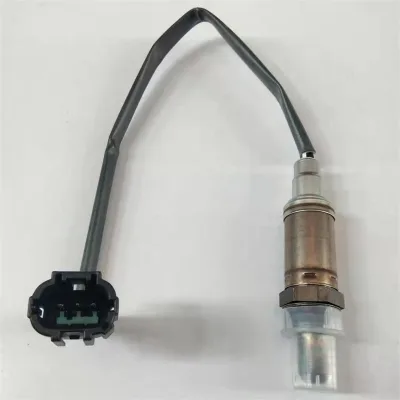
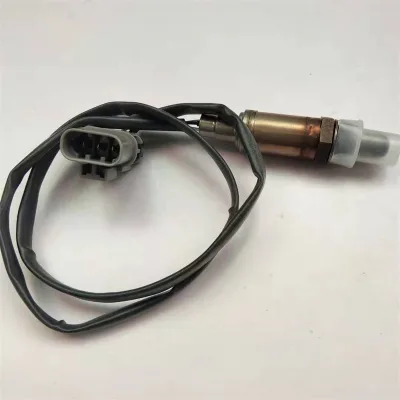
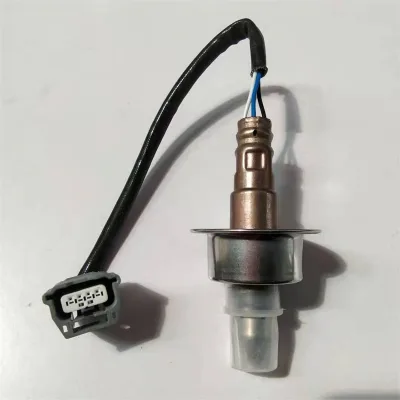
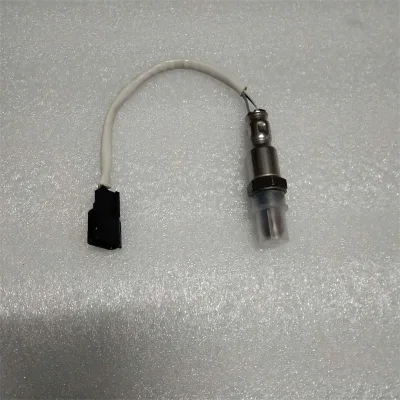
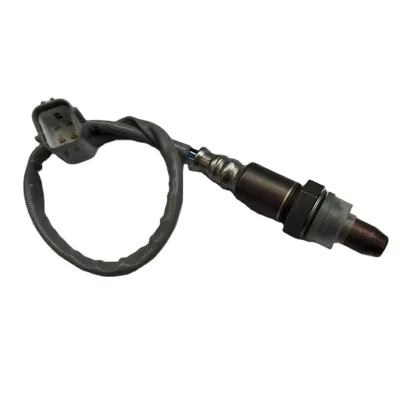
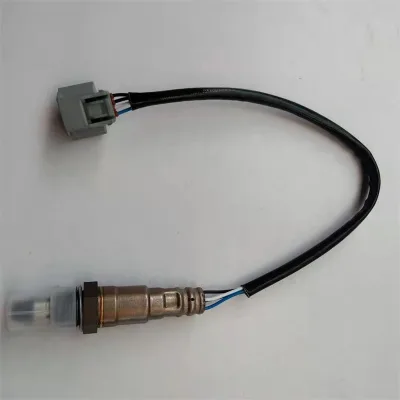


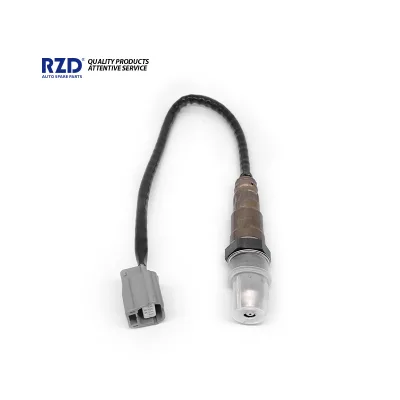
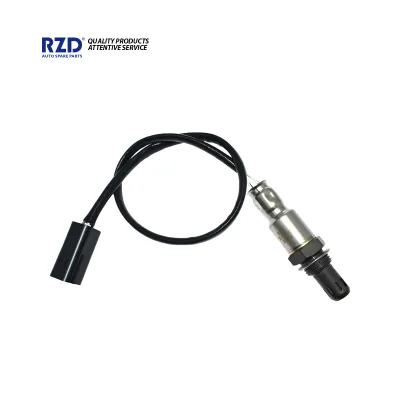


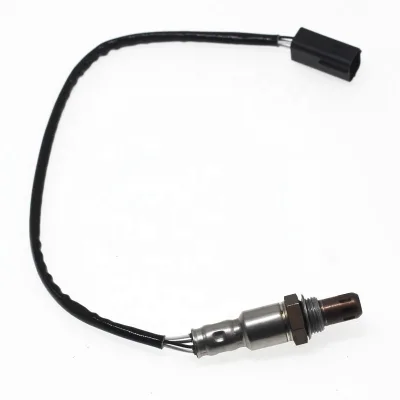
Customizable Oxygen Sensor Lambda Probe 22690-64y12 2269064y12 for Nissan
$5.00 - $20.00
MOQ: 1 Pieces


Newly Car 12V Nitrogen Nox Oxygen Lambda Sensor for BMW 04L907805as Sns472
$10.00 - $50.00
MOQ: 10 Pieces


Comprehensive Sourcing Guide
Strategic Sourcing Guide for Nissan 350Z Oxygen Lambda Sensors
Understanding Component Specifications and Compatibility
When sourcing an oxygen lambda sensor specifically for the Nissan 350Z, buyers must first navigate a complex landscape of part numbers and vehicle compatibility. The core keyword often leads to a variety of listings that may not be immediately interchangeable due to subtle differences in sensor positioning, wire harness length, or heating element specifications. Based on available market data, the relevant reference numbers for this application include 0 258 986 001, 1.997.557, 250-23087, 497 557, 0 986 258 001, 497 398, 0 258 003 634, 0 258 003 832, 0 258 003 473, 1.997.398, and 497 551. Additionally, specific OEM numbers such as 22690-AA001, 22690-4M500, 22693-1KC0A, 226A0-4CL0A, 22693-1NA0A, and 22693-1LU0A are frequently cited in listings for compatible Infiniti and Nissan models.
The physical and functional specifications of the sensor are critical for ensuring a proper fit. The product is generally described as a new condition item, often categorized under "Oxygen Sensor" or "Oxygen Lambda Sensor." The construction typically involves ceramics as the primary production process material, which is standard for high-temperature exhaust environments. The sensor type is identified as an Air/Fuel Ratio Sensor, which is distinct from standard narrow-band oxygen sensors used in older vehicle models. The output signal type is digital, indicating compatibility with modern engine control units (ECUs) that require precise data processing. The physical dimensions for a single package are often listed around 11x11x7 cm, with a single gross weight of approximately 0.300 kg. Buyers should verify that the specific listing matches the exact OE number required for their vehicle's model year, as the Nissan 350Z production run spans several years with potential changes in sensor technology.
Compliance, Certification, and Quality Assurance Standards
In the B2B procurement of automotive sensors, verifying compliance and certification is a non-negotiable step to mitigate risk. The supply chain for these components often originates from Guangdong, China, a major hub for automotive electronics manufacturing. While the market data indicates that some suppliers claim ISO certification, buyers must treat this as an observation rather than a guaranteed attribute for every listed product. The presence of an ISO certification mark on a product page suggests adherence to quality management systems, but it does not automatically validate the specific sensor's performance in a Nissan 350Z engine.
Quality assurance is further emphasized by claims of "100% Tested" status. This suggests that the manufacturer performs a functional check before packaging, which is essential for preventing early failures. However, the absence of specific test data or third-party validation reports in the product description means buyers should request detailed quality control documentation. The IP rating is noted as "IPMaterial:Metal," which is a non-standard phrasing and likely indicates a metal housing designed for durability rather than a specific Ingress Protection rating against dust or water. Buyers should clarify the actual environmental protection rating required for the sensor's location in the exhaust system. Furthermore, the warranty period is frequently listed as 12 months, which serves as a baseline for supplier confidence. Any deviation from this standard warranty period should trigger a deeper inquiry into the supplier's quality control processes.
Cost Drivers and Pricing Dynamics
The pricing structure for Nissan 350Z oxygen lambda sensors is influenced by several variables, including the complexity of the sensor technology, the brand reputation, and the volume of the order. The observed price range in the current market is between 5 and 50 USD. This wide disparity suggests a significant variation in product quality, from basic aftermarket replacements to high-performance OEM-equivalent units. The lower end of the price spectrum may correspond to generic sensors with standard specifications, while the higher end likely reflects units with advanced features such as integrated heaters or specific digital signal processing capabilities.
Minimum Order Quantity (MOQ) is another critical cost driver. The observed MOQ range varies from 1 to 20 units, with specific listings showing MOQs of 4PCS, 10 PC, or even 1 PC. For buyers looking to stock inventory, an MOQ of 10 units might be manageable, but for those testing a new supplier, an MOQ of 1 unit is preferable. The selling unit is typically a single item, which simplifies the purchasing process for small-scale repairs or initial trials. Buyers should be aware that the unit price may decrease as the order volume increases, but this is not explicitly guaranteed in all listings. Additionally, the cost of shipping, which can be handled via DHL, FedEx, Aramex, or EMS, adds to the total landed cost. The single gross weight of 0.3 kg per unit means that shipping costs for small orders are relatively low, but bulk orders will incur higher freight charges.
Typical Applications and Vehicle Integration
The primary application for these sensors is within the engine parts category, specifically for the Nissan 350Z and compatible Infiniti models. The sensor functions as a critical component in the engine management system, providing real-time data on the air-fuel mixture to the ECU. This data is essential for optimizing fuel efficiency, reducing emissions, and maintaining engine performance. The sensor type, identified as an Air/Fuel Ratio Sensor, suggests it is designed for engines that require precise stoichiometric control, which is common in high-performance vehicles like the 350Z.
The compatibility extends beyond just the Nissan 350Z, as the listed OEM numbers also apply to Infiniti models. This cross-compatibility is a key consideration for buyers who may be sourcing parts for a fleet of mixed vehicles. The customization options available, including neutral packaging or customized branding, allow buyers to tailor the product to their specific distribution needs. The production capacity of suppliers is noted to be up to 200,000 units per month, indicating that the supply chain is robust and capable of handling large-scale orders. However, buyers should verify that the specific sensor model matches the exact requirements of their vehicle, as the "Air/Fuel Ratio Sensor" designation may not apply to all engine variants of the 350Z.
Supplier Evaluation and Verification Protocols
Evaluating a supplier for oxygen lambda sensors requires a multi-faceted approach that goes beyond the information provided on a product page. Buyers should prioritize suppliers who offer a 24-hour customer service window, as this indicates a commitment to post-sales support. The availability of samples is another positive indicator, allowing buyers to physically inspect the product before committing to a larger order. The payment methods accepted, such as T/T, Western Union, and Alipay, provide flexibility, but buyers should ensure that the payment terms align with their company's financial policies.
The HS code 8409919990 is a standard classification for parts of engines, which helps in determining import duties and regulatory requirements. Buyers should verify that the supplier accurately declares this code to avoid customs delays. The delivery time is a variable factor, with some listings stating "Depends" and others specifying a range of 7-15 days. This inconsistency highlights the need for clear communication regarding lead times before placing an order. Additionally, the customization availability, including the ability to produce custom parts, suggests that the supplier has the flexibility to meet specific buyer requirements. However, buyers should confirm the lead time for customized orders, as these may take longer than standard production runs.
Long-Term Procurement Considerations and Risk Management
Sourcing oxygen lambda sensors for the Nissan 350Z is not a one-time transaction but part of a long-term procurement strategy. The 12-month warranty period provides a safety net, but buyers should consider the long-term reliability of the sensor. The high sensitivity and surface type conductivity are technical attributes that suggest the sensor is designed for precise measurements, but these claims should be validated through real-world testing. The production process using ceramics is a standard industry practice, but the quality of the ceramic material can vary significantly between manufacturers.
To mitigate risks, buyers should establish a relationship with suppliers who demonstrate consistent quality and reliability. The capacity of 200,000 units per month indicates that the supplier has the infrastructure to support long-term contracts, but buyers should verify that this capacity is dedicated to their specific needs. The availability of customization allows for branding and packaging adjustments, which can be beneficial for resale. However, buyers should ensure that any customization does not compromise the sensor's performance or compliance with safety standards. Finally, the use of trusted shipping carriers like DHL and FedEx ensures that the product arrives in good condition, but buyers should verify the insurance coverage for high-value shipments.
| Attribute | Observation | Verification Requirement |
|---|---|---|
| Reference Numbers | 0 258 986 001, 1.997.557, etc. | Cross-reference with vehicle VIN |
| Certification | ISO (Claimed) | Request valid certificate copy |
| Warranty | 12 Months | Confirm terms and conditions |
| MOQ | 1-20 Units | Negotiate based on volume |
| Lead Time | 7-15 Days or "Depends" | Get written confirmation |
| Shipping | DHL, FedEx, Aramex, EMS | Verify tracking and insurance |
| Quality | 100% Tested | Request test reports |
By adhering to these guidelines and maintaining a rigorous verification process, buyers can successfully source high-quality oxygen lambda sensors for the Nissan 350Z while minimizing risks and ensuring long-term supply chain stability.
FAQs
Which OE numbers are compatible with the Nissan 350Z oxygen sensor?
Compatible OE numbers include 22690-AA001, 22690-4M500, 22693-1KC0A, 226A0-4CL0A, 22693-1NA0A, and 22693-1LU0A. Buyers must verify these against their specific vehicle model year to ensure proper fitment and function.
What is the minimum order quantity for these oxygen sensors?
The minimum order quantity varies between 1 and 20 units depending on the specific supplier listing. Some vendors offer a single unit for testing, while others require a batch of 4 or 10 pieces for standard orders.
How long does delivery take for orders from China?
Delivery times typically range from 7 to 15 days but can vary based on the supplier. Some listings indicate that delivery time depends on current production schedules and shipping method selection.
Can buyers request customized packaging for these sensors?
Yes, customization is available including neutral packaging or branded options. Buyers should confirm specific requirements with the manufacturer as customization may affect lead times and minimum order quantities.
What warranty period is provided for the oxygen lambda sensor?
The standard warranty period offered is 12 months for the new condition sensors. This warranty covers defects but buyers should review specific terms and conditions provided by the individual supplier.
Which certifications do the oxygen sensor manufacturers hold?
Some suppliers claim ISO certification for their manufacturing processes. Buyers should request valid certificate copies to verify compliance, as certification status may vary between different product listings and factories.