Source Noise Cancelling Motorcycle Helmet Headset for touring, commuting, and racing
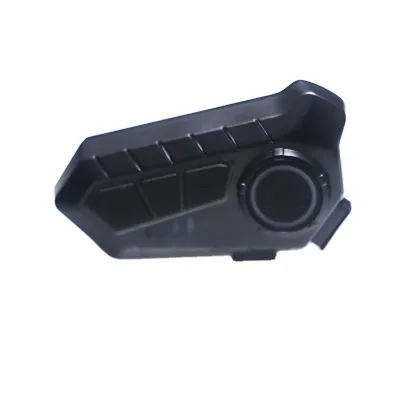
Compare 30 listings of Noise Cancelling Motorcycle Helmet Headset options from verified Chinese suppliers. Buyers can evaluate specifications like Bluetooth version, intercom range, and battery capacity to find suitable units for group rides or solo travel.
Key considerations
Products List
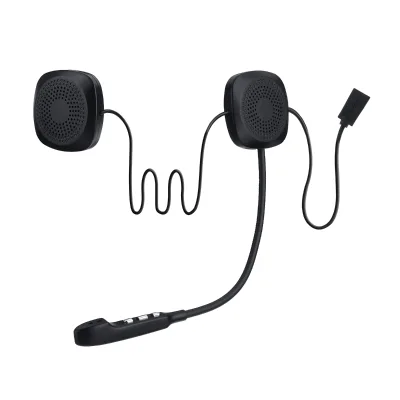
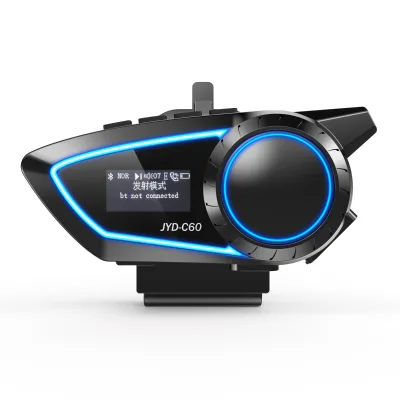
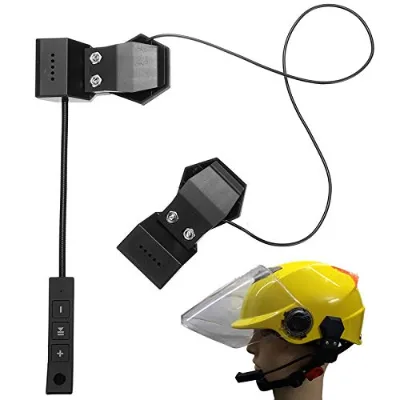
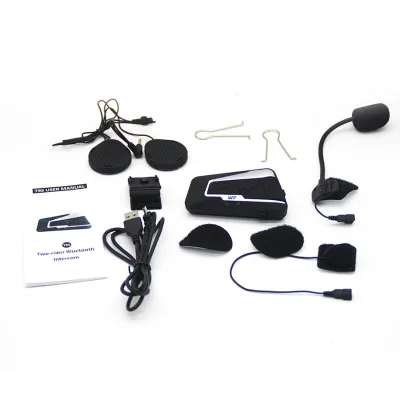
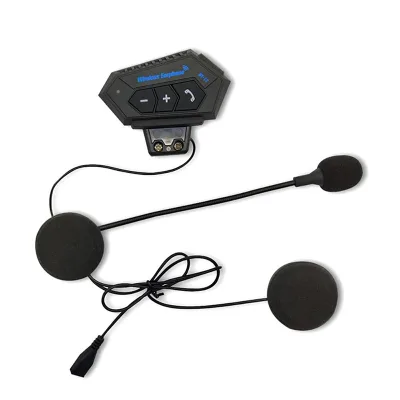


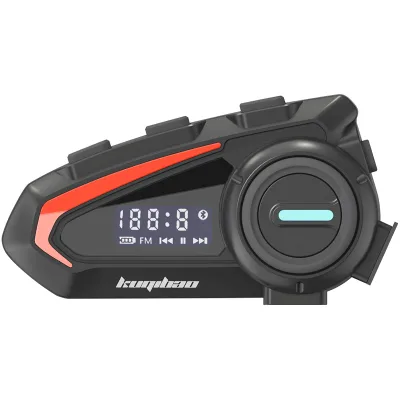


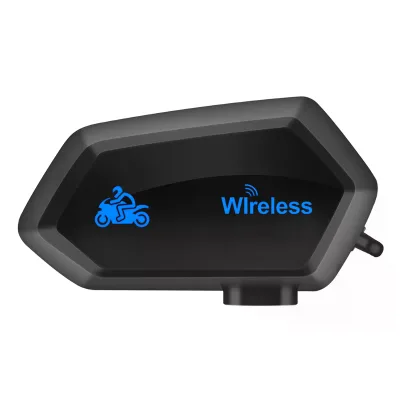
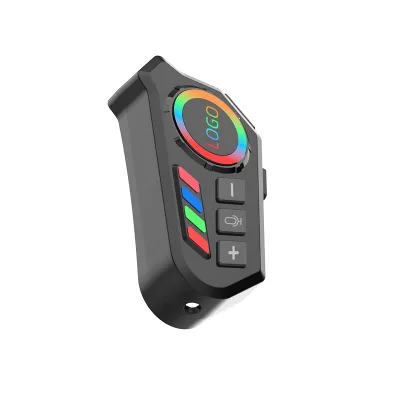


Comprehensive Sourcing Guide
Strategic Sourcing Guide for Noise Cancelling Motorcycle Helmet Headsets
Understanding the Core Product Category and Technical Landscape
The procurement of noise cancelling motorcycle helmet headsets requires a precise understanding of the intersection between audio engineering, wireless communication protocols, and ruggedized hardware design. These devices are not merely consumer electronics; they are safety-critical accessories designed to operate in high-noise, high-vibration environments. The primary function of these units is to facilitate clear communication between riders while mitigating the overwhelming sound of wind and engine noise. In the current market, the term "noise cancelling" typically refers to Environmental Noise Cancellation (ENC), a technology that utilizes digital signal processing to isolate the rider's voice from background interference.
When evaluating product listings, buyers must distinguish between the various technical attributes that define performance. The supplied data indicates a prevalence of Bluetooth connectivity, with specific mentions of versions ranging from V3.0 + EDR to the more modern Bluetooth v5.1. The version of the Bluetooth protocol directly influences connection stability, power consumption, and the effective range of the wireless link. For instance, a headset utilizing Bluetooth v5.1 is generally expected to offer more robust interference resistance compared to older iterations. Furthermore, the physical construction is critical. The material composition is frequently listed as ABS plastic, a choice that balances durability with weight reduction. The weight of the unit itself is a significant factor for rider comfort, with observed specifications ranging around 0.7KG for the complete assembly, though individual component weights vary.
The battery architecture is another pivotal technical consideration. The data highlights a diversity in battery specifications, including 3.7V/1000mAh units and others with capacities noted as 500mAh or 150mAh. This variance suggests that buyers must carefully correlate battery capacity with claimed working hours. A unit boasting a 30-hour working time likely relies on a higher capacity battery or highly efficient power management, whereas a unit with a smaller capacity may offer significantly reduced operational duration. The charging voltage is standardized at 5V in many listings, which aligns with common USB charging standards, facilitating ease of use for the end consumer. However, the discrepancy in battery capacity figures across different models necessitates a rigorous verification process where the buyer must confirm the actual mAh rating against the advertised usage time to avoid performance shortfalls.
Compliance, Certification, and Regulatory Standards
In the B2B procurement of electronic communication devices, compliance with international safety and electromagnetic standards is non-negotiable. The marketplace data presents a mix of certifications, including CE, FCC, RoHS, and BQB. These acronyms represent distinct regulatory frameworks that the product must satisfy to be legally sold in major markets. CE marking indicates conformity with health, safety, and environmental protection standards for products sold within the European Economic Area. FCC certification is mandatory for electronic devices marketed in the United States, ensuring that the device does not emit harmful levels of radio frequency interference. RoHS (Restriction of Hazardous Substances) compliance ensures that the product is manufactured without specific hazardous materials, which is a critical requirement for environmental sustainability and worker safety.
The presence of BQB (Bluetooth Qualification Body) certification is particularly relevant for wireless headsets. This certification confirms that the Bluetooth module within the headset has passed rigorous interoperability and performance testing. However, the data shows some inconsistency in how these certifications are listed, with some entries repeating the same set of acronyms (e.g., "BQB, CE, RoSH, FCC" appearing multiple times) while others list a subset. This repetition or variation in the data suggests that buyers must not rely solely on the product title or a single line item in a catalog. Instead, the procurement team must request valid certification documents from the supplier. These documents should be current and issued by accredited bodies.
Waterproofing is another critical compliance and performance metric. The data references an IPX-7 waterproof standard for certain models. This rating implies that the device can withstand immersion in water up to 1 meter for 30 minutes. For a motorcycle headset, which is exposed to rain, splashes, and humidity, this rating is a baseline requirement. Buyers should verify if the IP rating applies to the entire unit or just specific components like the battery compartment. Additionally, the "Universal Fitment" attribute suggests that the hardware is designed to accommodate various helmet types, but this does not replace the need for specific safety certifications regarding the helmet itself or the mounting mechanism.
Cost Drivers and Pricing Structure Analysis
The pricing of noise cancelling motorcycle helmet headsets is influenced by a complex matrix of factors, including component quality, certification costs, and supply chain logistics. The observed price range in the market spans from 5 to 100 USD, a wide spectrum that indicates significant variation in product tiers. At the lower end of this range, products may utilize older Bluetooth versions, lower-grade ABS plastics, or smaller battery capacities. Conversely, products at the higher end likely incorporate advanced noise cancellation algorithms, Bluetooth v5.1 or newer, and more robust build quality.
The Minimum Order Quantity (MOQ) is a primary driver of the unit cost. The data indicates an MOQ range from 1 to 600 pieces. A supplier offering an MOQ of 1 piece is likely a distributor or a retailer, which typically commands a higher per-unit price to cover their overheads. In contrast, suppliers requiring an MOQ of 500 or 600 pieces are likely manufacturers or large-scale distributors, offering lower per-unit costs due to economies of scale. The specific observation of a 50-piece MOQ suggests a middle ground, suitable for small to medium-sized businesses. Buyers must calculate the total landed cost, which includes the unit price, shipping, duties, and any tooling or customization fees, rather than focusing solely on the listed price.
Supply ability is another cost determinant. The data mentions a supply ability of 5000 pieces per week. A supplier with this capacity can handle large orders without significant lead time delays, potentially reducing the cost of expedited shipping. However, if a buyer requires a custom OEM solution, such as a specific model number or branding, the cost will increase due to the setup of production lines. The data confirms that OEM is acceptable for these products, but this service invariably adds to the initial investment. Buyers should also consider the "Single package size," which varies from 28x18x12 cm to 35x25x18 cm. Larger packaging dimensions increase volumetric weight, directly impacting freight costs, especially for air freight.
Typical Applications and Operational Scenarios
The application of noise cancelling motorcycle helmet headsets extends beyond simple rider-to-rider communication. The primary use case is intercom functionality, allowing two or more riders to converse while riding. The data highlights specific intercom capabilities, such as support for 2 riders, 6 persons, and talking distances ranging from 300 meters to 1200 meters in ideal environments. These specifications dictate the suitability of the product for different riding scenarios. For instance, a system supporting 6-person intercom is ideal for large touring groups or convoy operations, whereas a 2-rider system is sufficient for couples or small groups.
The talking distance is a critical performance metric that varies based on environmental conditions. While "ideal environment" ranges are listed as 300m or 1200m, real-world performance is often significantly lower due to physical obstructions like buildings, terrain, and the interference from other radio frequencies. Buyers must understand that these figures are theoretical maximums. The "Mobile phone connection distance" of 30-40 meters is another key specification, indicating the range at which a rider can pair with a smartphone for music streaming or hands-free calling. This range is generally sufficient for a rider to remain connected while dismounting or moving around the vehicle.
Beyond intercom, these headsets serve as multimedia hubs. The inclusion of AUX input and Bluetooth connectivity allows riders to listen to music, GPS navigation prompts, and radio broadcasts. The "Environmental Noise Cancellation" feature is essential for maintaining audio clarity in these scenarios, ensuring that music or navigation instructions are not drowned out by wind noise. The "Universal Fitment" attribute suggests that these headsets can be adapted to various helmet styles, including full-face, modular, and open-face helmets, making them versatile for different rider demographics. The "Service: support one stop service" attribute implies that suppliers may offer additional value through installation guides, troubleshooting, or integration support, which is valuable for fleet operators or large retail chains.
Supplier Evaluation and Quality Control Protocols
Evaluating a supplier for motorcycle helmet headsets requires a multi-faceted approach that goes beyond checking a product listing. The location of the supplier, identified as Zhejiang, China, is a significant factor. Zhejiang is a major manufacturing hub for electronics and automotive accessories, offering a mature supply chain. However, buyers must verify the specific factory capabilities. The data lists "XUEYAN" and "chengdeyingfeng" as brand names, but buyers should not assume that these are the only manufacturers or that all listed products come from the same source. The presence of multiple brand names and model numbers (e.g., XY-HE01, BT-12, 01, 03) suggests a marketplace with diverse suppliers.
Quality control (QC) is paramount in this sector. The "Condition: 100% Brand New" attribute is a standard claim, but it must be backed by a rigorous inspection process. Buyers should request a detailed QC plan that covers incoming material inspection, in-process testing, and final product inspection. Key checkpoints include the integrity of the Bluetooth connection, the effectiveness of the noise cancellation, the durability of the ABS plastic housing, and the reliability of the battery charging cycle. The "Chipset: BK" specification points to the use of specific Bluetooth chips, which can be a proxy for quality. BK chips are generally known for stability, but the implementation of the firmware is equally important.
Buyers should also assess the supplier's ability to handle defects and returns. The "Warranty: 1 year" is a standard offering, but the terms of this warranty must be clearly defined. Does it cover manufacturing defects only, or does it include accidental damage? How is the replacement process handled? The "Single gross weight" and "Single volume" data are useful for logistics planning, but they also serve as indicators of packaging quality. Poor packaging can lead to damage during transit, negating the "Brand New" condition. A reputable supplier will use protective packaging that meets the "Single package size" requirements while ensuring the product arrives undamaged.
Long-Term Procurement Considerations and Market Trends
Sourcing noise cancelling motorcycle helmet headsets is not a one-time transaction but a long-term partnership that requires strategic planning. The rapid evolution of Bluetooth technology means that products based on older versions like V3.0 may become obsolete quickly. Buyers should prioritize suppliers who are committed to updating their product lines with newer standards, such as Bluetooth v5.1, to ensure future compatibility with smartphones and other devices. The "Working hours" of about 30 hours is a competitive advantage, but battery technology is advancing. Buyers should look for suppliers who can offer units with longer battery life or faster charging capabilities as these become industry standards.
The "OEM: Accpetable" (Acceptable) attribute indicates that customization is possible. For buyers looking to build a private label brand, this is a crucial capability. However, customization adds complexity to the supply chain. Buyers must factor in the time required for mold creation, design approval, and sample testing. The "Model Number" variations (01, 03, XY-HE01) suggest that suppliers have a modular approach to production, which can be leveraged for customization. However, buyers must ensure that the customization does not compromise the core certifications like CE, FCC, or RoHS.
Finally, the "Supply Ability" of 5000 pieces per week indicates that the market can support significant volume growth. However, buyers should monitor the supplier's capacity during peak seasons, such as before the summer riding season. Lead times can fluctuate, and a supplier with a high supply ability may still face bottlenecks if raw material costs rise or if there are logistical disruptions. The "Port of dispatch" options (Ningbo, Shanghai, Shenzhen) offer flexibility in logistics, allowing buyers to choose the most cost-effective shipping route based on their destination. Long-term success in this category depends on maintaining a strong relationship with a supplier who can consistently deliver high-quality, compliant, and innovative products that meet the evolving needs of the motorcycle community.
FAQs
What certifications do these headsets have?
These headsets carry CE, FCC, RoHS, and BQB certifications. These marks confirm compliance with safety and environmental standards for European and US markets, ensuring the device meets regulatory requirements for wireless transmission and hazardous substance restrictions.
How long does the battery last on a charge?
The battery provides about 30 hours of working time. This duration depends on the specific model's capacity, which varies between 150mAh and 1000mAh, and the usage intensity of the Bluetooth connection and intercom features.
Can the headset connect to a mobile phone?
Yes, the headset supports Bluetooth connection to mobile phones. The effective connection distance ranges from 30 to 40 meters, allowing riders to stream music or take calls while remaining near their vehicle.
Which waterproof standard applies to the device?
The device meets the IPX-7 waterproof standard. This rating indicates the unit can withstand immersion in water up to 1 meter for 30 minutes, making it suitable for riding in rain or wet conditions.
What is the maximum intercom talking distance?
The talking distance reaches up to 1200 meters in an ideal environment. Real-world range may vary due to obstacles, but the system supports intercom for up to six riders simultaneously with environmental noise cancellation.
Can buyers request custom branding for orders?
OEM services are acceptable for these products. Buyers can request custom branding or model specifications, though this may affect the minimum order quantity and lead time depending on the manufacturer's production capacity.