Source Noise Canceling Magnetic Wireless Microphone for Meetings
Find and compare 30 Noise Canceling Magnetic Wireless Microphone options for voice conferencing, music recording, and live meetings. These USB and Type-C enabled devices feature DSP digital or UHF wireless technology, offering bi-directional or omni-directional pickup patterns to suit diverse professional audio needs.
Key considerations
Products List
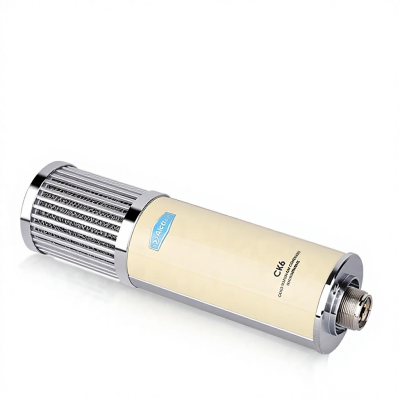


Digital Audio & Video Conference System Wireless Microphone with Voting Function
$10.00 - $9999.00
MOQ: 1 Pieces


Hot Selling Magnetic Wireless Dual Channel Microphone Noise Cancelling Clip on Mic
$10.32 - $1093.00
MOQ: 100 Pieces


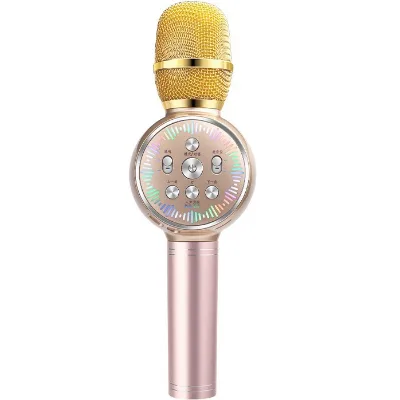


Comprehensive Sourcing Guide
Noise Canceling Magnetic Wireless Microphone Sourcing Guide
Procuring noise-canceling magnetic wireless microphones requires a nuanced understanding of both acoustic engineering and wireless transmission protocols. Buyers must distinguish between true active noise cancellation and passive isolation, as the latter relies heavily on physical design and magnetic latching mechanisms for stability during movement. The core value proposition lies in the microphone’s ability to maintain signal clarity in high-noise environments, such as live events or busy conference rooms, while offering the convenience of untethered operation. This guide outlines the critical verification steps necessary to ensure that the selected hardware meets professional audio standards and operational reliability.
The magnetic component of these devices often refers to the mounting mechanism, which allows for quick attachment to clothing or stands, rather than the noise-canceling technology itself. Buyers should verify whether the magnetic feature is integrated into a headset, lapel, or gooseneck style, as this dictates the form factor and user experience. Understanding the specific wireless technology, such as UHF or DSP digital transmission, is equally important for determining range, latency, and interference resistance. This section provides a framework for evaluating these physical and technical attributes to align product selection with specific use cases.
Product Scope and Observed Listing Signals
Market listings for wireless microphones reveal a diverse range of product types, including condenser microphones, headset styles, and gooseneck configurations. Observed data indicates that products are often categorized by their directivity, such as bi-directional or omni-directional patterns, which significantly impact sound capture in different environments. The presence of USB connectors and Type-C plugs suggests compatibility with modern digital interfaces, while the mention of stereo sound channels points towards applications requiring rich audio reproduction. Buyers should note that product attributes like "Combined Type" sound field force may indicate hybrid designs that blend different acoustic principles.
Pricing and minimum order quantities vary widely, with observed ranges spanning from low-cost single items to bulk commercial orders. The observed MOQ range of 1 to 1000 units allows for flexibility in procurement, catering to both individual creators and large-scale corporate deployments. Packaging options, including gift boxes, cartons, and color boxes, suggest that suppliers are targeting different market segments, from retail consumers to institutional buyers. Additionally, the mention of customization availability indicates that suppliers may offer tailored solutions for branding or specific technical requirements, which is a valuable consideration for enterprise clients.
Technical Specifications to Verify
When evaluating technical specifications, buyers must prioritize the wireless transmission technology and its associated performance metrics. The observed use of UHF and DSP digital technologies highlights the importance of verifying signal stability and latency, which are critical for professional audio applications. Input voltage and output impedance ranges, such as 50-1000Ω, should be checked to ensure compatibility with existing audio interfaces and mixers. The working time of 3-5 hours and charging time of approximately 90 minutes are key operational parameters that influence user convenience and event continuity.
Directivity patterns, including bi-directional and omni-directional options, must be matched to the specific acoustic environment. For instance, omni-directional microphones are suitable for capturing ambient sound or group discussions, while bi-directional patterns may be preferred for interviews or dual-speaker setups. The inclusion of features like OLED displays and regulator compositions suggests advanced control interfaces, which can enhance user experience during live operations. Buyers should also verify the material composition, such as ABS or metal, to assess durability and weight, which are important for long-term wearability and robustness.
Compliance and Safety Documentation
Compliance with international safety and electromagnetic compatibility standards is essential for wireless audio equipment. Buyers should request documentation confirming adherence to relevant regulations, such as FCC or CE marks, which ensure that the device operates within safe electromagnetic emission limits. The warranty period of three months, as observed in some listings, provides a baseline for manufacturer support, but buyers should negotiate extended coverage for commercial applications. Understanding the regulatory landscape in the destination market is crucial to avoid customs delays or legal issues upon import.
Safety certifications also cover electrical safety, particularly regarding charging components and battery management systems. Buyers must verify that the charging interfaces, such as Type-C or Lightning, meet industry standards for durability and data integrity. The absence of video functionality in some listed products indicates a focus on audio-only applications, which simplifies compliance requirements but does not reduce the importance of audio quality standards. Ensuring that all documentation is up-to-date and verifiable protects the buyer from liability and ensures that the equipment can be legally deployed in professional settings.
Cost Drivers and Commercial Terms
The cost of noise-canceling magnetic wireless microphones is influenced by several factors, including the complexity of the wireless technology and the quality of the acoustic components. Products featuring DSP digital transmission and advanced noise-canceling algorithms typically command higher prices due to the research and development costs involved. The observed price range of 8.5 to 9999 USD reflects this variability, with lower-end models suitable for basic applications and premium models designed for high-fidelity professional use. Buyers should analyze the total cost of ownership, including maintenance and replacement parts, rather than focusing solely on the initial purchase price.
Commercial terms, such as minimum order quantities and payment conditions, play a significant role in the procurement process. The flexible MOQ range allows buyers to start with small test orders before committing to larger volumes, reducing financial risk. Packaging options, from simple cartons to premium gift boxes, also impact the final cost, with more elaborate packaging adding to the unit price. Buyers should negotiate clear terms regarding shipping, insurance, and return policies to ensure a smooth transaction. Understanding these cost drivers helps in budgeting accurately and selecting suppliers that offer the best value for specific project requirements.
Supplier Qualification and Quality Control
Supplier qualification is a critical step in ensuring the reliability of noise-canceling magnetic wireless microphones. Buyers should assess the supplier’s manufacturing capabilities, including their experience with wireless audio technology and quality control processes. The observed place of origin in China and Andorra suggests a global supply chain, but buyers must verify the actual manufacturing location to ensure consistency and compliance with local regulations. Requesting samples for testing is essential to evaluate sound quality, battery life, and the effectiveness of the noise-canceling features in real-world conditions.
Quality control measures should include rigorous testing for signal interference, durability, and acoustic performance. Buyers should inquire about the supplier’s defect rate and their process for handling non-conforming products. The mention of customization availability indicates that some suppliers may have the flexibility to adapt products to specific requirements, but this should be accompanied by clear quality assurance protocols. Establishing a strong relationship with a qualified supplier ensures ongoing support and access to updated product lines, which is vital for long-term procurement success.
Long-Term Procurement Checks
Long-term procurement success depends on continuous monitoring of product performance and supplier reliability. Buyers should establish key performance indicators, such as battery degradation rates and signal stability over time, to evaluate the longevity of the microphones. Regular feedback from end-users can provide valuable insights into any emerging issues or desired improvements. Maintaining open communication with the supplier allows for proactive management of supply chain disruptions and ensures that product updates are incorporated into future orders.
Additionally, buyers should stay informed about advancements in wireless audio technology, such as new noise-canceling algorithms or more efficient power management systems. Periodic reviews of supplier certifications and compliance documentation help ensure that the products remain up-to-date with regulatory changes. By adopting a strategic approach to procurement, buyers can build a resilient supply chain that supports their audio needs while minimizing risks and maximizing value. This proactive stance is essential for maintaining high standards of audio quality and operational efficiency in professional environments.
FAQs
What is the directivity of the KT-SX21 wireless microphone?
The KT-SX21 wireless microphone features a bi-directional directivity pattern. This design allows it to capture sound effectively from two opposite directions, making it suitable for interviews or dual-presenter setups. It utilizes DSP digital wireless technology to ensure clear signal transmission during recording or meeting applications.
Can the VIS-WDC-T/VIS-WDD-T model be customized?
Yes, the VIS-WDC-T/VIS-WDD-T model supports available customization options. Buyers can request specific modifications to meet unique project requirements. This flexibility allows for tailored solutions in voice conferencing systems, ensuring the equipment aligns precisely with organizational needs and branding standards for professional environments.
How long does the CS-0070 microphone take to charge?
The CS-0070 microphone requires approximately 90 minutes to fully charge. This charging time supports a working duration of 3 to 5 hours per charge. The device uses Type-C, USB, 3.5mm, or Lightning plugs, offering versatile connectivity for various recording and meeting applications across different devices.
What is the weight of the MK-007 gooseneck microphone?
The MK-007 gooseneck microphone weighs 1.1kg. Constructed with ABS material, it provides durability for meeting and voice applications. The unit features an OLED display measuring 128x32 pixels and operates as a pressure type sound field force device, ensuring stable performance in professional audio environments.
Which wireless technology does the VIS-WDC/WDD-T use?
The VIS-WDC/WDD-T model utilizes UHF wireless technology. This method ensures reliable signal transmission for stereo sound channels. It is designed for meeting, amplify, voice, and recording applications, providing a robust connection that minimizes interference and maintains audio clarity during extended use in conference settings.
What is the standard packaging for the KT-SX21 microphone?
The KT-SX21 microphone is packaged in a gift box. This packaging style protects the single item during shipping and enhances presentation for retail or corporate gifting. The product is sold as a single item, ensuring that each unit arrives in pristine condition ready for immediate use in recording tasks.