Source Noise Cancelling Portable Wireless Microphone for Events
Source a Noise Cancelling Portable Wireless Microphone from 30 verified listings. Compare features like IP55-IP67 ratings, USB-C charging, and encrypted digital signals to find the right solution for conference rooms, two-way radio communication, and professional audio applications; compare the available evidence and request quotations based on your requirements.
Key considerations
Products List

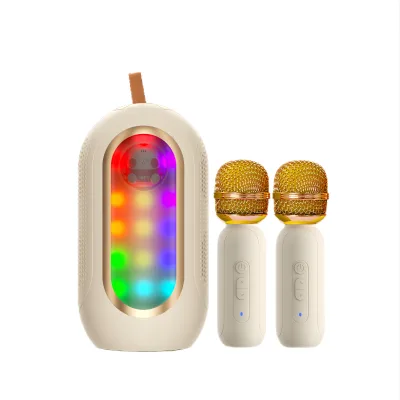


Waterproof Portable Dynamic Microphone IP67 Waterproof Shoulder Speaker Mic
$91.00 - $93.00
MOQ: 10 Pieces

Portable Handheld Walkie-Talkie Microphone Long Range Easy to Use Two-Way Communication
$11.20 - $11.99
MOQ: 100 Pieces


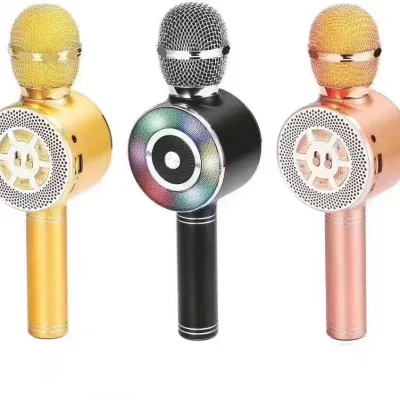
Hot Selling WS669 Wireless Microphone Portable Phone Mic Stable Connection
$3.05 - $3.60
MOQ: 2 pieces
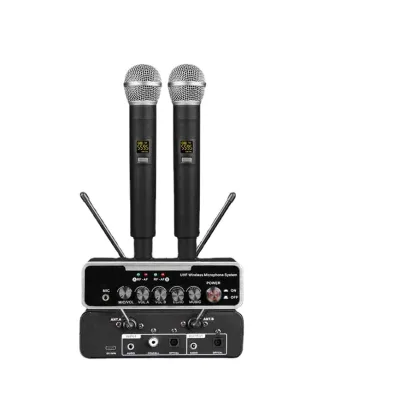
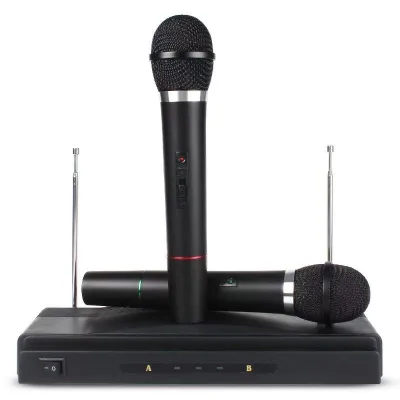
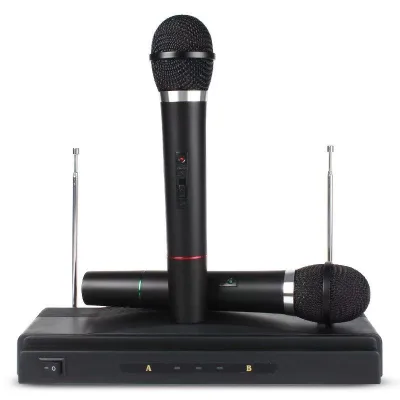
Professional Hot Selling 2-Channel Wireless Microphone System Dynamic Microphones
$41.80 - $48.00
MOQ: 2 pieces
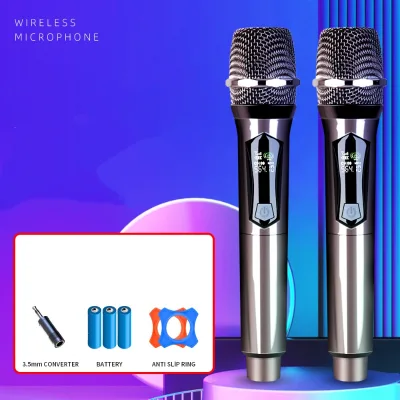
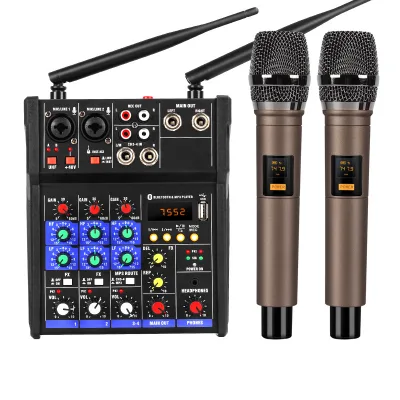
Four Channel Mixer One to Two Wireless Microphone for Performance Microphone
$34.00 - $36.00
MOQ: 1 pieces


Comprehensive Sourcing Guide
Noise Cancelling Portable Wireless Microphone Sourcing Guide
Procuring a Noise Cancelling Portable Wireless Microphone requires distinguishing between true digital signal processing and basic analog filtering. The observed market data indicates a wide spectrum of capabilities, ranging from simple wired condenser units to advanced digital handhelds with encrypted communication. Buyers must first clarify whether the primary need is for conference room clarity or rugged outdoor two-way radio communication, as the underlying transducer principles and signal transmission methods differ significantly between these use cases.
Verification of the specific transducer principle is critical before finalizing any order, as the supplied facts list both condenser microphones and various digital signal types. While some units feature built-in amplified circuits and noise suppression, others rely on basic encryption or voice control features that may not address acoustic noise in the same way. Understanding these technical distinctions ensures the selected device matches the intended acoustic environment, preventing the common pitfall of purchasing a device optimized for wired applications when a wireless, noise-cancelling solution is required.
Product Scope and Observed Listing Signals
The current market listings reveal a diverse product scope that includes both wired and wireless configurations, with signal transmission methods varying from standard wired connections to digital wireless systems. Observed attributes show devices with Omni-directional directivity alongside specific models designed for two-way radio applications, indicating that "portable wireless" is not a universal standard across all listings. Buyers should carefully examine the signal type and transmission method to ensure the product aligns with the requirement for wireless operation, as many listed items are explicitly wired or designed for specific radio protocols.
Listing signals also highlight significant variations in power sources and battery life, with some units utilizing AAA batteries while others employ Lithium-ion or Nickel Metal Hydride cells. The observed operation times range widely, with specific models citing up to 40 hours of continuous use, which is a vital metric for long-duration events. Additionally, the presence of features like USB-C charging ports and encrypted communication suggests a tiered market where high-end models offer extended battery life and security, whereas entry-level options may rely on standard battery types and lack advanced security protocols.
Technical Specifications to Verify
Buyers must rigorously verify the IP rating and physical durability, as the observed data includes ratings ranging from IP55 to IP67, each offering different levels of protection against dust and water ingress. For outdoor or industrial applications, an IP67 rating is often necessary to ensure the device can withstand harsh environmental conditions, whereas an IP55 rating might suffice for controlled indoor environments. Confirming the specific IP rating for the exact model is essential, as the general category does not guarantee a uniform level of environmental resistance across all available units.
The communication distance and channel capacity are equally critical technical parameters that vary significantly between listed products. Some models support communication distances of 5-9km with 64 channels, while others claim ranges of 10-14km, suggesting different power outputs and antenna designs. Procurement teams should validate these distance claims against the specific terrain and interference conditions of their intended use case, as the theoretical maximum range often differs from real-world performance depending on obstacles and signal interference.
Compliance and Safety Documentation
Ensuring that the selected microphone meets relevant safety and electromagnetic compatibility standards is a non-negotiable step in the procurement process. The observed listings mention CE certification, which indicates compliance with European health, safety, and environmental protection standards, but buyers must request specific test reports to confirm that the device has passed rigorous testing for radio frequency emissions and electrical safety. Relying solely on a general certification claim without verifying the specific test documentation can expose the organization to regulatory risks and potential product recalls.
In addition to general certifications, buyers should verify that the product packaging and materials adhere to international shipping and safety standards, particularly for air transport. The observed data includes references to "Standard Airworthy Packing" and various packaging types like Kraft boxes or PE bags, which suggests that logistics compliance is a key consideration for international suppliers. Confirming that the packaging meets specific air transport regulations ensures that the goods can be shipped without delays or additional fees, protecting the supply chain from logistical bottlenecks.
Cost Drivers and Commercial Terms
The cost of a Noise Cancelling Portable Wireless Microphone is heavily influenced by the complexity of its internal circuitry and the quality of its encryption features. Units featuring advanced noise suppression, encrypted communication, and long-range digital transmission typically command higher prices compared to basic models with simple amplification and wired connections. Buyers should analyze the total cost of ownership, including the cost of replacement batteries or charging accessories, as the observed battery types range from standard AAA cells to specialized Lithium-ion packs with varying lifecycles.
Commercial terms such as Minimum Order Quantity (MOQ) and customization options also play a significant role in the final pricing structure. The observed MOQ range spans from 1 to 1000 units, offering flexibility for small-scale procurement while potentially requiring larger commitments for bulk discounts. Furthermore, the availability of customization for logos and specific features allows buyers to tailor the product to their brand, but these customizations often incur additional setup costs and may extend lead times, requiring careful negotiation of the final commercial agreement.
Supplier Qualification and Quality Control
Supplier qualification should focus on their ability to provide consistent quality control for electronic components, particularly given the variation in battery types and transducer principles observed in the market. Buyers should request evidence of the supplier's quality management systems and their process for testing the noise cancellation and encryption features before shipment. Since the observed data includes a wide range of specifications, a supplier's ability to maintain consistency across different models is a strong indicator of their overall manufacturing reliability and technical competence.
Quality control procedures must also address the durability of the physical components, such as the ear-hook fit design and the cable construction. The observed listings mention features like durable coil cables and specific fit designs, which are prone to wear and tear if not manufactured to high standards. Implementing a rigorous inspection protocol that includes drop tests and cable flex testing ensures that the devices will withstand the rigors of daily use, reducing the risk of premature failure and the associated costs of warranty claims and replacements.
Long-Term Procurement Checks
Establishing a long-term procurement strategy requires regular audits of the supplier's ability to maintain product specifications and supply chain stability over time. Buyers should monitor the consistency of key attributes such as battery life, communication distance, and IP ratings, as these can drift due to changes in component sourcing or manufacturing processes. Regular performance reviews and sample testing help ensure that the devices continue to meet the original requirements, preventing the gradual degradation of product quality that can occur with long-term contracts.
Finally, buyers must plan for the end-of-life management and support of the devices, considering the availability of spare parts and technical support. The observed data includes warranty periods and specific battery types, which are critical factors in determining the total lifecycle cost of the equipment. Ensuring that the supplier can provide ongoing support for battery replacements, firmware updates, and repair services is essential for maintaining operational continuity and maximizing the return on investment for the Noise Cancelling Portable Wireless Microphone inventory.
FAQs
What encryption features are available for secure communication?
Basic encryption is available to protect voice transmissions. This feature ensures that conversations remain private during use. It is suitable for business environments where data security is important. The system supports encrypted communication protocols to prevent unauthorized access. Users can rely on this standard level of protection for daily operations.
How long does the battery last on a single charge?
The device offers an operation time of 40 hours. This duration is achieved using the built-in rechargeable battery. It supports USB-C charging for convenient power replenishment. This long battery life ensures continuous use throughout extended shifts. Users can rely on this performance for all-day communication needs.
Can the microphone be customized with a specific logo?
Yes, customization is available for branding purposes. Buyers can request their logo to be printed on the product. This service allows for corporate identity integration. The customization option supports various design requirements. It is ideal for businesses seeking branded communication equipment.
What is the maximum communication distance for this device?
The communication distance ranges from 5 to 9 kilometers. This range depends on environmental conditions and obstacles. It provides reliable connectivity for outdoor and industrial use. The device maintains signal integrity within this specified distance. Users can expect consistent performance for team coordination tasks.
Which certifications does the product hold for safety compliance?
The product holds CE certification for safety compliance. This certification indicates adherence to European health and safety standards. It ensures the device meets regulatory requirements for electronic equipment. Buyers can verify this certification for market access. It provides assurance of quality and safety for end users.
What IP rating does the device have for dust and water resistance?
The device features an IP55 or IP67 rating depending on the model. IP55 offers protection against dust and water jets. IP67 provides complete dust protection and temporary water immersion resistance. These ratings ensure durability in harsh environments. Users can select the appropriate rating for their specific operational needs.