Source Nordic Creative Artificial Plants for Home, Garden, and Office
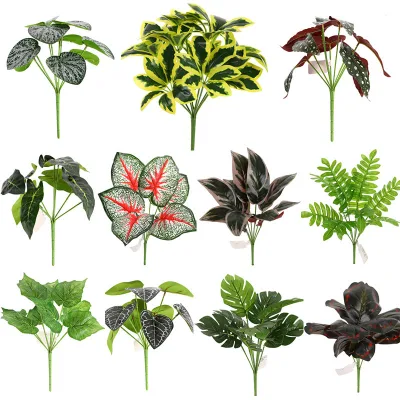
Explore 30 listings of Nordic Creative Artificial Plants suitable for home decoration, landscaping, and festive occasions. Buyers can compare features like material, height, and certifications to find the right options for their projects.
Key considerations
Products List


35mm 16 Stitches Artificial Plant Synthetic Plant Landscape Plant for Home Decoration
$5.80 - $6.90
MOQ: 500 Square Meters


Plant Green Outdoor Indoor Decorations Look Realistic Artificial Plant Wall
$26.00 - $30.00
MOQ: 10 PIECE


Comprehensive Sourcing Guide
Sourcing Guide for Nordic Creative Artificial Plants
Understanding the Product Category and Design Philosophy
The term "Nordic Creative Artificial Plants" refers to a specific segment of the artificial greenery market that blends minimalist aesthetics with functional durability. In the context of B2B procurement, these products are characterized by their "Artificial" properties and "Modern" design styles, often aligning with "Minimalist," "Contemporary," or "Industrial" interior design trends. The core visual identity relies heavily on the "Green" color palette, though the supply base also supports "Yellow," "Red," "Pink," "White," "Black," "Silver," "Gold," and "Colorful" variations to meet specific creative briefs.
The fundamental material composition for these items is predominantly "Plastic," specifically utilizing "PP" (Polypropylene) and "PE" (Polyethylene). Some advanced listings also incorporate "Fabric," "PVC," "WPC" (Wood Plastic Composite), and "Polyester" to enhance texture and structural integrity. The "Style" is frequently described as "Tree Leaves," "Flowers," "Ivy," or general "Plant" forms. A critical observation for buyers is the "Evergreen" feature, which ensures the product maintains its aesthetic appeal regardless of seasonal changes. The "Touch Feeling" is a key differentiator, with high-quality options described as "Nature and Comfortable" or "Natural and Comfortable," distinguishing premium inventory from lower-grade, synthetic-feeling alternatives.
Technical Specifications and Material Composition
When evaluating technical specifications for procurement, buyers must scrutinize the physical dimensions and structural details provided by suppliers. The "Height" of the artificial grass or plant components varies significantly across the market, with observed specifications ranging from "25mm" to "30mm." The "Yarn Length" is generally categorized as "Medium," which balances visual density with ease of maintenance. The "Yarn Form" is another critical technical parameter, available in "Straight Cut" or "Curving" profiles, which directly impacts the natural look of the foliage.
The "Cross Profile" of the yarn is typically "Flat Type," while the "Row Spacing" is often standardized at "3/8 inch." These metrics are essential for ensuring the product meets the density requirements of "Nordic" designs, which often favor a clean, uncluttered look rather than a dense, jungle-like appearance. The "Ground Cloth" backing is described as "Complex," suggesting a multi-layered construction designed to support the yarn and provide stability. The "Type" of product can range from "Without Sand" infill to "Potted Plant" configurations, indicating that buyers need to specify whether they require loose rolls or pre-arranged units.
The "Main Grass" categories include "Landscape Grass," "Sport Grass," and general "Artificial Grass," though the specific application for "Nordic creative" items often leans toward "Landscape Grass" and "Flowers." The "Model Number" for these products varies, with examples like "DZ-003-#0570," "SUNQ-HY00151," and generic "Plant" or "flower" classifications. Buyers should verify the exact model number against their design requirements to ensure the specific "Design style" matches the intended "Nordic" aesthetic.
Compliance, Certification, and Safety Standards
For international B2B transactions, particularly targeting markets in Europe and North America, compliance with safety and environmental standards is non-negotiable. The supplied data indicates that high-confidence products often carry certifications such as "CE," "SGS," and "TUV." These certifications are critical for verifying that the materials meet European and international safety requirements. Additionally, specific performance tests are highlighted, including "Anti-Fire," "Anti-UV," and "Chromium Test."
The "Anti-UV" certification is particularly relevant for products intended for "Outdoor" use or "Highway fence" applications, ensuring the "Color" does not fade under prolonged sun exposure. The "Anti-Fire" property aligns with the "Fireproof" and "Firebrick" functional claims, which are essential for commercial spaces like "Hotels," "Shopping malls," and "Administration" buildings. The "Chromium Test" suggests compliance with regulations regarding heavy metals, a common requirement for children's products or items used in "Schools."
Buyers must verify that the "Grade" of the product is "International Class" and that the "Standard" dimensions, such as "4m25m" or "2m25m," are clearly defined in the contract. The "Warranty" period for these artificial grass and plant products is typically listed as "5-8 Years," which serves as a benchmark for quality assurance. However, buyers should treat this as an observation of market norms rather than a guaranteed term for every specific order, as warranty terms can vary by supplier and specific product line.
Cost Drivers and Pricing Dynamics
The pricing for Nordic Creative Artificial Plants is influenced by several factors, including material composition, customization levels, and order volume. The observed price range in the market is broad, spanning from $0.24 to $30 USD per unit. This wide variance reflects differences in "Material" quality (e.g., pure PE vs. blended PP/PVC), "Height" (25mm vs. 30mm), and the complexity of the "Design style."
The "MOQ" (Minimum Order Quantity) is another significant cost driver, with observed ranges from "1" to "1000" units. Suppliers often offer "Small Orders" as "Accepted," which is beneficial for buyers testing the market or fulfilling niche projects. However, larger orders typically benefit from economies of scale. The "Customization" attribute is "Available," allowing buyers to request specific "Colors," "Height," or "Design styles." Customization generally incurs additional costs and may affect the "Producing Time," which is typically "7-15 Days."
Packaging also impacts the final landed cost. Products are shipped either in "Carton Box" or "in Roll" formats. The choice of packaging depends on the product type; for instance, "Potted Plant" types are likely boxed, while "Artificial Grass" rolls are shipped in cylindrical packaging. Buyers should factor in the "prod_packing" specifications when calculating logistics costs, especially for "Outdoor" applications where durability during transit is crucial.
Typical Applications and Market Segments
The versatility of Nordic Creative Artificial Plants allows them to serve a wide array of applications. The primary "Usage" categories include "Home Decoration," "Garden," "Hotel," "School," and "Commercial" spaces. Specific use cases extend to "Wall," "Interior tiles," "Highway fence," and "Garden fence." The "Occasion" for these products is equally diverse, covering "Graduation," "Christmas," "Wedding," "Parties," and "Business gifts."
The "Main Market" for these products includes "Europe," "Russia," "Latin America," "Africa," and "Asia," indicating a global demand for these aesthetic solutions. In "Europe," the demand is likely driven by the "Nordic" design trend, while in "Asia," the focus may be on "Landscaping" and "Recreation." The "Season" suitability is listed as "All-season," "Everyday," and "Summer," making these products viable for year-round installation in "Outdoor" environments.
The "Function" of these plants extends beyond mere decoration. They offer "Moisture-proof," "Heat insulation," "Mould-proof," and "Anti-static" properties. For commercial applications, "Sound-absorbing" and "Soundproof" features are valuable, particularly in "Shopping malls" or "Entertainment" venues. The "Eco-friendly" and "Waterproof" attributes make them suitable for "Plant engineering" and "Landscaping" projects where water conservation is a priority.
Supplier Evaluation and Quality Control
Evaluating suppliers requires a focus on their ability to deliver consistent quality and adhere to the specified technical parameters. Buyers should verify the "prod_origin," which is often listed as "China" or specifically "Jiangsu, China." While the location is a fact, the "Brand Name" (e.g., "DZMJ") and "Model Number" provide traceability. A critical aspect of supplier evaluation is the "Customized" capability; suppliers must demonstrate the ability to produce "Custom" colors and styles that match the "Nordic" aesthetic.
Quality control should focus on the "Touch Feeling of Artificial Grass," ensuring it is "Nature and Comfortable" and not overly synthetic. Buyers should request samples to verify the "Yarn Form" (Straight Cut or Curving) and the "Cross Profile" (Flat Type). The "Certification of Artificial Grass" should be validated against the "CE," "SGS," and "TUV" standards mentioned. It is also important to check the "Warranty" terms and ensure they align with the "5-8 Years" market standard.
Buyers should also assess the "Producing Time" of "7-15 Days" to ensure it fits their project timeline. The "Small Orders" policy indicates flexibility, but buyers must confirm if this applies to custom orders. The "Main Market" reach of the supplier, covering "Europe," "Russia," and other regions, suggests experience with international logistics and compliance.
Long-Term Procurement Considerations
Sourcing Nordic Creative Artificial Plants involves long-term considerations regarding maintenance, durability, and sustainability. The "Feature" list includes "Cold-resistant," "Anti-uv," "Durable," and "Non-slip," which are essential for longevity. The "Anti-uv" property ensures the "Color" remains vibrant, while "Cold-resistant" properties allow for use in "All-season" environments, including colder climates.
The "Function" list highlights "Acid-resistant," "Wear-resistant," and "Antibacterial" properties, which reduce long-term maintenance costs. For "Home Decoration" and "Commercial" applications, the "Sound-absorbing" and "Smoke-proof" features add value to the indoor environment. Buyers should also consider the "Design style" longevity; "Modern," "Minimalist," and "Classic" styles tend to have longer market lifespans than "Novelty" or "Morden luxury" trends.
Finally, the "Main Grass" categories and "Plant Type" (Flowers, Grass, Ivy, Plant) should be selected based on the specific "Application" and "Room space." For "Outdoor" use, the "Complex" ground cloth and "Anti-UV" certification are paramount. For "Indoor" use, the "Touch Feeling" and "Eco-friendly" attributes are more critical. By aligning these long-term factors with the initial technical specifications and compliance checks, buyers can ensure a successful and sustainable procurement strategy for Nordic Creative Artificial Plants.
FAQs
What materials are used for Nordic Creative Artificial Plants?
These plants are primarily made from Plastic, specifically PP and PE. Some advanced listings also incorporate Fabric, PVC, WPC, and Polyester to enhance texture and structural integrity for a natural feel.
Which certifications ensure safety for international buyers?
High-confidence products often carry CE, SGS, and TUV certifications. They also include Anti-Fire, Anti-UV, and Chromium Test results to meet European and international safety requirements for commercial use.
Can buyers order small quantities of these plants?
Yes, small orders are accepted with a minimum order quantity ranging from 1 to 1000 units. This flexibility allows buyers to test the market or fulfill niche projects without large initial commitments.
How long does production take for customized orders?
The producing time is typically 7 to 15 days for customized orders. Customization is available for specific colors, heights, or design styles, which may slightly affect the final delivery timeline.
What is the warranty period for artificial grass products?
The warranty period is typically listed as 5 to 8 years. This serves as a benchmark for quality assurance, though terms can vary by supplier and specific product line regarding durability and performance.
Where are these products manufactured and shipped from?
Products originate from China, with specific locations often listed as Jiangsu, China. This origin supports global shipping to main markets including Europe, Russia, Latin America, Africa, and Asia.