Source Nordic Custom Ceramic Coffee Mug for Daily Use, Gifts, and Weddings
Explore 30 listings for the Nordic Custom Ceramic Coffee Mug, featuring single-layer designs with heat preservation and eco-friendly traits. Buyers can compare customization options, dimensions, and usage scenarios for promotions or daily needs.
Key considerations
Products List


High Quality Nordic Christmas Porcelain Gift Custom Printing Ceramic Coffee Mug
$0.60 - $1.20
MOQ: 5000 Pieces

Promotion Nordic Christmas Porcelain Mug Large Custom Printing Ceramic Tea Mug
$0.50 - $1.50
MOQ: 5000 Pieces




Comprehensive Sourcing Guide
Strategic Sourcing Guide for Nordic Custom Ceramic Coffee Mugs
Understanding Product Attributes and Design Philosophy
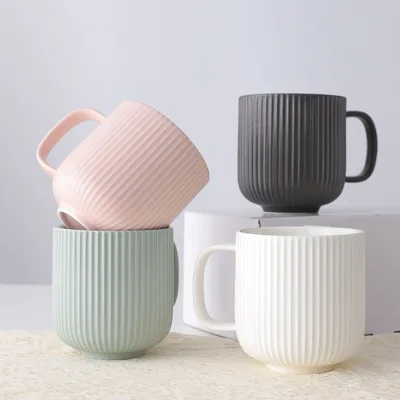
The core keyword "Nordic Custom Ceramic Coffee Mug" points to a specific intersection of aesthetic minimalism and functional utility. In the context of B2B procurement, the Nordic style is characterized by clean lines, functional simplicity, and often a neutral or muted color palette, though the observed market data indicates a significant presence of multicolor and creative variations. The primary material identified in the supply chain for this category is ceramic, specifically porcelain and general ceramic formulations. This material choice is critical as it dictates the thermal properties, weight, and durability of the final product.
Buyers must distinguish between the general "Nordic" aesthetic and the specific technical execution observed in current listings. While the style is often associated with the "Nordic" label, the actual product attributes include "Creative" and "Cartoon Cute" themes, suggesting a broader interpretation of the style that accommodates whimsical designs alongside traditional minimalism. The structure is predominantly a single-layer ceramic cup, which influences the insulation properties compared to double-walled alternatives. The surface finish is achieved through glaze techniques, with a notable subset of products utilizing hand-painted methods to achieve unique, custom designs. This distinction is vital for quality control, as hand-painted items require different inspection protocols than machine-glazed ones.
The functional capabilities of these mugs are diverse. The supply data confirms attributes such as heat preservation and the ability to withstand high temperatures, making them suitable for hot beverages like coffee, tea, and beer. However, the "Color Changing" feature observed in some listings introduces a variable that requires specific testing to ensure the thermochromic coating is food-safe and durable. The usage scenarios extend beyond daily use to include promotions, gifts, weddings, and birthdays, indicating that the product is often marketed as a branded corporate gift or a promotional item. The capacity ranges observed include specific dimensions such as 350ml/12oz, as well as larger volumes up to 665ml, with dimensions varying from a top diameter of 8.2cm to 9.4cm and heights ranging from 8.1cm to 10.4cm.
Technical Specifications and Customization Parameters
When evaluating the technical specifications of Nordic custom ceramic coffee mugs, buyers must focus on the interplay between standard dimensions and the flexibility offered by manufacturers. The market data reveals a mix of fixed standard sizes and highly customizable options. For instance, specific models are listed with precise dimensions like "Top Dia. 9xbottom7.2xH10.4cm" with a capacity of 665ml, while other listings explicitly state that "can customized any size" is available. This duality requires the buyer to clarify whether they are sourcing a standard SKU or a bespoke design.
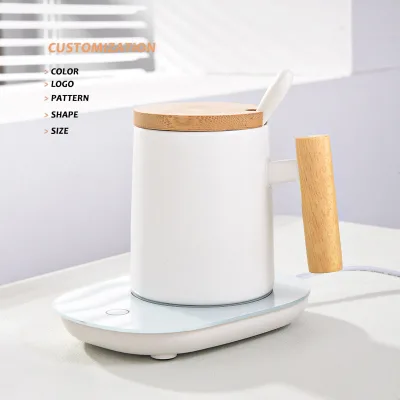
Customization is a central pillar of this product category. The "Design" attribute is listed as "OEM" and "Accept Customized Designs," allowing for significant brand integration. Buyers can request customized logos, with the data confirming that "Customized Logo Acceptable" is a standard offering. Furthermore, the "Custom Color" support and "Customized Shape" attributes indicate that the supply chain is equipped to handle unique branding requirements. The "Package" is also customizable, ranging from standard export cartons to bespoke packaging solutions, which is essential for premium gifting or retail presentation.
The manufacturing techniques play a crucial role in the final product's quality. The "Technics" attribute includes both "Glaze" and "Hand-painted" methods. Hand-painted mugs, often associated with the "Creative" and "Cartoon Cute" themes, offer a higher degree of artistic uniqueness but may come with higher variability in production. In contrast, glazed mugs provide a more uniform finish suitable for mass production. The "Structure" is consistently noted as a "Single-layer Ceramic Cup," which implies that the thermal retention relies on the thickness of the ceramic wall rather than an air gap. This is a key differentiator from double-walled vacuum-insulated mugs and should be considered when marketing the product's heat retention capabilities.
| Specification Category | Standard Observation | Customization Capability |
|---|---|---|
| Material | Porcelain, Ceramic | Support for specific ceramic blends |
| Dimensions | Dia. 8.2xH8.1cm to 9.4xH10.4cm | "Can customized any size" |
| Capacity | 350ml to 665ml | Variable based on shape |
| Surface Finish | Glaze, Hand-painted | Custom colors and patterns |
| Logo Application | Customized Logo Acceptable | OEM design integration |
| Packaging | Standard Export Carton | Custom packing acceptable |
Compliance, Certification, and Quality Standards
In the realm of ceramic tableware, compliance with food safety standards is non-negotiable. The provided data mentions a "Quality Standard" of "a-B Grade, or According to Your Requirements." This phrasing indicates that while there is a baseline grading system (A-B Grade), the ultimate standard is often defined by the buyer's specific requirements. Buyers must verify that the ceramic material and the glaze used are free from heavy metals such as lead and cadmium, which can leach into acidic beverages like coffee or tea.
The "Feature" attribute lists "Eco-Friendly," which suggests a potential alignment with sustainability goals. However, without specific certification data in the source text, buyers should not assume compliance with international environmental standards (such as FDA, LFGB, or EU regulations) based solely on this label. Instead, procurement teams must request third-party test reports to validate these claims. The "Stock" status is noted as "No," implying that these are made-to-order items. This production model reduces the risk of holding non-compliant inventory but necessitates rigorous pre-shipment inspection to ensure every batch meets the agreed-upon quality standards.
The origin of the products is consistently listed as "China," with specific mentions of "Shandong, China" as a place of origin. This region is known for its ceramic industry, but buyers should verify the specific factory's certifications. The "Quality Standard" being "According to Your Requirements" places the burden of specification on the buyer. It is advisable to define clear acceptance criteria for defects such as glaze chips, warping, or uneven coloring before production begins. The "a-B Grade" reference suggests a tiered quality system where "A" grade represents premium quality with minimal defects, while "B" grade may allow for minor cosmetic imperfections. Buyers must explicitly state which grade is required for their specific application, whether it is for a high-end retail gift or a promotional giveaway.
Cost Drivers and Pricing Dynamics
The pricing landscape for Nordic custom ceramic coffee mugs is influenced by several key factors, including material quality, customization complexity, and order volume. The observed price range in the market is between $0.35 and $8.00 USD. This wide variance reflects the difference between basic, mass-produced mugs and high-end, hand-painted, or uniquely shaped items. The lower end of the spectrum likely corresponds to standard glazed mugs with simple logos, while the higher end encompasses hand-painted designs, custom shapes, and specialized packaging.
Order volume is a significant driver of unit cost. The observed Minimum Order Quantity (MOQ) ranges from 3 to 5,000 units. This flexibility allows small businesses to test the market with low-risk orders, while larger corporations can leverage economies of scale for bulk purchases. The "Small Orders: Accepted" attribute confirms that the supply chain accommodates low-volume buyers, which is crucial for startups or companies running limited-time promotions. However, buyers should be aware that unit costs may be higher for orders near the lower MOQ limit due to the fixed costs of setup and customization.
Additional cost drivers include the complexity of the design and the specific finishing techniques. Hand-painted mugs require skilled labor, which increases production time and cost compared to machine-glazed items. Similarly, custom shapes and unique packaging solutions add to the overall expense. The "Customization: Available" attribute implies that any deviation from a standard catalog item will incur additional charges. Buyers should request a detailed cost breakdown that separates the base unit cost from customization fees, tooling costs, and packaging expenses to ensure accurate budgeting.
Supplier Evaluation and Selection Criteria
Selecting the right supplier for Nordic custom ceramic coffee mugs requires a thorough evaluation of their capabilities, reliability, and alignment with the buyer's brand values. The "Brand Name" "Haosheng" is mentioned in the data, but buyers should not limit their search to a single entity. Instead, they should look for suppliers who demonstrate a strong track record in ceramic manufacturing and customization. Key evaluation criteria include the supplier's ability to handle "OEM" and "Accept Customized Designs," as well as their experience with "Hand-painted" techniques if that is a requirement.
The "Stock: No" attribute indicates that most suppliers operate on a make-to-order basis. This means the buyer must assess the supplier's lead time management and production capacity. A reliable supplier should provide clear timelines for design approval, sample production, and mass manufacturing. The "Place of Origin" being "Shandong, China" suggests a concentration of ceramic expertise in this region, but buyers should verify the specific factory's infrastructure and quality control processes.
Communication and responsiveness are also critical. Since the "Package" and "Design" are highly customizable, the supplier must be able to translate the buyer's vision into a physical product accurately. Buyers should request samples to evaluate the quality of the glaze, the precision of the hand-painting, and the durability of the custom logo. The "Quality Standard" being "According to Your Requirements" highlights the importance of clear communication; the supplier must understand and adhere to the specific quality benchmarks set by the buyer.
Quality Control and Inspection Protocols
Implementing a robust quality control (QC) protocol is essential for ensuring that the final product meets expectations. Given the "Single-layer Ceramic Cup" structure and the potential for "Hand-painted" finishes, visual inspection is a primary QC method. Buyers should define acceptable limits for cosmetic defects, such as glaze runs, color variations, or minor chips. For "Color Changing" mugs, functional testing is necessary to verify that the thermochromic effect activates correctly at the intended temperature and does not fade prematurely.
The "Quality Standard" of "a-B Grade" necessitates a clear definition of what constitutes a "B" grade item. Buyers should establish a sampling plan, such as AQL (Acceptable Quality Level) standards, to determine the number of units to inspect from each batch. Since the "Stock" is "No," inspections should ideally occur during or immediately after production to catch issues early. The "Standard Export Carton" packaging should be tested for durability to ensure the mugs arrive without damage, especially given the fragility of ceramic materials.
For food safety, periodic third-party testing is recommended to verify compliance with relevant regulations. Even though the "Feature" is listed as "Eco-Friendly," this claim should be backed by laboratory results. The "Customized Logo" should be checked for adhesion and resistance to washing, particularly if the mugs are intended for repeated use. The "Usage" categories, including "Coffee, Tea, Beer, Water, Wine," imply that the mugs must withstand various liquid types and temperatures without degrading.
Long-Term Procurement and Supply Chain Resilience
Sourcing Nordic custom ceramic coffee mugs is not just a one-time transaction but a strategic partnership that requires long-term planning. The "Customization: Available" and "Design: OEM" attributes suggest that the product line may evolve over time. Buyers should consider the scalability of their supplier's capabilities. As demand grows, the supplier must be able to maintain quality while increasing production volume. The "MOQ" range of 3 to 5,000 units offers flexibility, but buyers should negotiate terms that allow for incremental increases in order size without significant price hikes.
Supply chain resilience is another critical consideration. The "Location" of the supplier in "China" and specifically "Shandong" presents logistical factors such as shipping times and potential disruptions. Buyers should develop contingency plans, such as maintaining relationships with multiple suppliers or securing buffer stock for critical promotional periods. The "Small Orders: Accepted" feature is valuable for testing new designs, but for long-term stability, establishing a consistent production schedule is advisable.
The "Usage" of these mugs in "Promotion, Daily Use, Gift, Wedding, Birthday" indicates a diverse market. Buyers should align their procurement strategy with their marketing calendar. For example, if the mugs are intended for a specific holiday season, lead times must be calculated carefully to ensure delivery before the event. The "Package: Can Be Customized" aspect allows for seasonal packaging updates, which can enhance the product's appeal. However, buyers must ensure that packaging changes do not compromise the structural integrity of the product during transit.
Finally, the "Feature: Eco-Friendly" attribute may become increasingly important as sustainability becomes a priority for consumers. Buyers should work with suppliers to explore sustainable materials and packaging options. This could involve using recycled paper for packaging or sourcing ceramics from manufacturers with lower carbon footprints. By focusing on long-term relationships and continuous improvement, buyers can ensure a steady supply of high-quality Nordic custom ceramic coffee mugs that meet both functional and aesthetic requirements.
FAQs
What customization options are available for these mugs?
Customization is available for logos, colors, shapes, and packaging. Buyers can request OEM designs and specific dimensions like 350ml or 665ml capacities. The standard export carton can be replaced with custom packing to meet branding needs.
How much do these ceramic mugs cost per unit?
The observed price range for these mugs is between 0.35 and 8 USD per unit. The final cost depends on the complexity of the design, such as hand-painted finishes versus standard glaze, and the order volume relative to the minimum order quantity.
Can I order small quantities of these custom mugs?
Yes, small orders are accepted with a minimum order quantity ranging from 3 to 5000 units. This flexibility allows buyers to test the market with low-risk orders while still accessing the full range of customization features like custom logos and colors.
Which materials are used to make these coffee mugs?
These mugs are primarily made from porcelain and general ceramic materials. The structure is a single-layer ceramic cup designed to withstand high temperatures and preserve heat, making them suitable for hot beverages like coffee, tea, and beer.
What are the standard dimensions and capacity options?
Standard dimensions vary, with options like 350ml capacity or larger sizes up to 665ml. Specific measurements include top diameters of 8.2cm to 9.4cm and heights from 8.1cm to 10.4cm, though custom sizes can also be requested by the buyer.
Are these mugs suitable for promotional gifts and events?
Yes, these mugs are designed for promotion, daily use, gifts, weddings, and birthdays. They feature eco-friendly attributes and can be customized with logos and creative themes like cartoon cute or Nordic styles to suit various corporate and personal occasions.
How is the quality standard defined for these products?
The quality standard is typically A-B Grade or defined according to the buyer's specific requirements. Buyers should verify that the ceramic and glaze meet food safety needs, as the stock is made-to-order and requires pre-shipment inspection for defects.