Source OEM Size Turn Signal Switch for Cars, Trucks, and Buses
Explore 30 available options for the OEM Size Turn Signal Switch designed for automotive repair and replacement. Buyers can compare specifications, packaging details, and model numbers across diverse mechanical structure types to find the right fit for their needs.
Key considerations
Products List


Comprehensive Sourcing Guide
Strategic Sourcing Guide for OEM Size Turn Signal Switches
Procuring an OEM Size Turn Signal Switch requires a disciplined approach that balances precise technical specifications with rigorous supplier validation. In the global automotive aftermarket and original equipment manufacturing sectors, the turn signal switch is a critical safety component. It controls the vehicle's directional indicators and often integrates functions for high beams, wipers, and horn activation. Buyers must navigate a complex landscape of model numbers, packaging standards, and certification requirements to ensure that the sourced components meet the exacting demands of vehicle assembly lines or repair shops. This guide outlines the essential factors for sourcing these components effectively, relying on verified product attributes and industry standards.
Technical Specifications and Model Identification
The foundation of any successful procurement process lies in the accurate identification of technical specifications. Turn signal switches are not generic components; they are engineered to fit specific vehicle architectures. When searching for an "OEM Size Turn Signal Switch," buyers must verify the model number against their vehicle's requirements. The market contains a diverse array of model identifiers, such as Jx-Bz-7058, Opt-N-7030, Opt-R-7009, and Jx-Dh-7008. Each of these codes corresponds to a unique set of physical dimensions and electrical interfaces.
Physical dimensions are a primary differentiator. Packaging standards often reflect the internal dimensions of the switch and its housing. Observed product data indicates that standard packaging sizes can vary significantly, ranging from compact units like 22x10x10 cm to larger configurations such as 50x15x12 cm. A switch with a single package size of 30x10x9 cm and a gross weight of 0.320 kg represents a specific class of component that may not be interchangeable with heavier or larger variants. Buyers must cross-reference the "Single package size" and "Single gross weight" with the physical constraints of their vehicle's steering column.
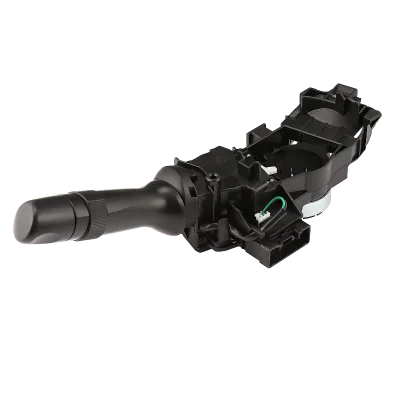
Furthermore, the type of switch is a critical specification. The market offers both "Turn Signal Switch" variants and "Combination Switch" units. A combination switch typically integrates multiple functions, including turn signals, high beams, and sometimes wiper controls, into a single assembly. The distinction is vital because a replacement part must match the functional complexity of the original. Additionally, the "Component" type is often listed as "Mechanical Structure Type," indicating the internal mechanism relies on physical contacts and levers rather than purely electronic sensors. This mechanical nature necessitates durability testing and precise alignment during installation.
Compliance, Certification, and Environmental Standards
In the automotive industry, compliance is not merely a formality; it is a prerequisite for market entry and safety assurance. When sourcing turn signal switches, buyers must verify that the supplier adheres to recognized international standards. The presence of certifications such as ISO and CE is a strong indicator of a supplier's commitment to quality management systems and safety compliance. Specifically, data points indicate that some products carry "ISO" certification, which validates the manufacturer's adherence to quality control processes.
Environmental standards are equally important, particularly for components that may be exposed to varying conditions. Some product listings reference "ROHS" compliance, which restricts the use of hazardous substances in electronic and electrical equipment. This is crucial for ensuring that the switches do not contain lead, mercury, or other restricted materials that could violate environmental regulations in export markets. Additionally, specific product attributes mention an "Environment: ﹤250℃," suggesting a thermal tolerance limit that buyers must consider for applications involving high-heat environments or proximity to engine components.
Certification status should be verified through official documentation rather than relying solely on product descriptions. Buyers should request valid certificates from the supplier to confirm that the ISO and CE marks are current and applicable to the specific model being purchased. The absence of these certifications does not necessarily disqualify a product, but it requires a deeper investigation into the supplier's internal quality assurance protocols. For OEM applications, the lack of recognized certification can lead to rejection by vehicle manufacturers or regulatory bodies in the destination country.
Cost Drivers and Pricing Dynamics
Understanding the cost structure of turn signal switches is essential for budgeting and negotiation. The observed price range in the market spans from $0.08 to $497 USD, a variance that reflects differences in complexity, brand reputation, and volume. The lower end of the spectrum typically corresponds to basic mechanical switches or generic aftermarket parts, while the higher end may include advanced combination switches with integrated electronics or premium branding.
Several factors influence the final cost. First, the "Brand Name" plays a significant role. Products from established brands like Fbele often command a price premium due to perceived reliability and warranty support. Second, the "Condition" of the product, whether "New" or refurbished, directly impacts pricing. New components generally carry a higher price point but offer the assurance of full functionality and longevity. Third, the "Customization" availability affects cost. Switches that can be tailored to specific vehicle requirements or packaging needs often involve additional engineering and tooling costs, which are passed on to the buyer.
The "Selling Units" structure also dictates the economic model. Most products are sold as "Single item" units, which simplifies inventory management but may increase the per-unit cost compared to bulk purchasing. Buyers should evaluate the "MOQ" (Minimum Order Quantity) requirements, which range from 0 to 3000 units. High-volume buyers can leverage economies of scale to reduce the per-unit cost, while small buyers may face higher prices or limited availability. The "Market" classification, often listed as "OEM After Market," suggests that these parts are designed to meet original equipment standards but are sold through aftermarket channels, offering a balance between cost and quality.
Typical Applications and Functional Requirements
Turn signal switches are primarily designed for "Replace/Repair" purposes in the automotive sector. Their application extends across various vehicle types, with the "Car Make" generally listed as "Car," indicating broad compatibility with passenger vehicles. However, the specific application depends on the switch's design and the vehicle's electrical architecture.
The "Purpose" of these switches is to ensure safe vehicle operation by providing clear directional signals to other road users. In many modern vehicles, the switch also serves as a "Combination Switch," managing multiple functions from a single stalk. This integration requires precise mechanical and electrical coordination. For instance, the "Pressing Type" may be specified as "Long Arm," which refers to the lever mechanism used to actuate the switch. This design choice affects the tactile feedback and the ease of operation for the driver.
Environmental protection is another key consideration for applications. Some switches are rated as "Waterproof," a critical feature for vehicles operating in wet climates or those where the switch is exposed to moisture. This protection ensures that the internal contacts do not corrode or short-circuit, maintaining reliability over the product's lifespan. The "Warranty" period, often listed as "12 Months," provides a benchmark for expected durability. Buyers should ensure that the warranty terms align with the intended application, particularly for commercial fleets or high-mileage vehicles where component failure can lead to significant downtime.
Supplier Evaluation and Quality Assurance
Selecting the right supplier is as important as selecting the right product. Buyers must evaluate suppliers based on their ability to meet technical specifications, maintain consistent quality, and provide reliable logistics. The "Place of Origin" is a key factor, with major manufacturing hubs like China, specifically Shanghai and Ningbo, being prominent sources. These regions have established supply chains for automotive components, but buyers must verify the specific capabilities of the supplier within these locations.
Quality assurance should be a central part of the supplier evaluation process. Buyers should inquire about the supplier's quality control procedures, including incoming material inspection, in-process testing, and final product verification. The "Standard" attribute, which can range from "Standard" to "Customized," indicates the level of adherence to industry norms. Suppliers offering "Standard Export Carton" packaging demonstrate a commitment to protecting the product during transit, which is essential for maintaining the "New" condition of the switch.
The "Customization" capability of the supplier is another critical evaluation criterion. If a buyer requires a switch with specific dimensions, such as a "prod_standard" of 40x20x20 cm or a unique model number, the supplier must have the flexibility to accommodate these requests. The availability of "White Box" or "Box and Carton" packaging options also reflects the supplier's ability to meet diverse branding and logistics requirements. Buyers should request samples to verify the physical quality, fit, and finish of the product before committing to a large order.
Long-Term Procurement Considerations
Sourcing turn signal switches is not a one-time transaction but part of a long-term procurement strategy. Buyers must consider the "Lead Time" and "MOQ" implications for their supply chain stability. While specific lead times are not provided in the general data, the wide range of MOQs (0-3000) suggests that suppliers have varying production capacities. Buyers should negotiate terms that allow for flexible ordering to accommodate fluctuations in demand without incurring excessive inventory costs.
The "Warranty" period of 12 months is a standard benchmark, but buyers should also consider the long-term availability of the product. If a switch is discontinued or the supplier changes the model number, it can disrupt the supply chain. Therefore, buyers should prioritize suppliers who offer stable product lines and have a history of maintaining inventory for critical components. The "Condition" of the product, consistently listed as "New," ensures that buyers receive components that meet the original performance standards, reducing the risk of premature failure.
Finally, buyers should monitor the "Market" trends for turn signal switches. The "OEM After Market" classification indicates a competitive landscape where quality and price are constantly evolving. Staying informed about new certifications, such as updated ISO standards or environmental regulations, will help buyers make informed decisions. By maintaining a proactive approach to supplier management and quality control, buyers can ensure a steady supply of reliable turn signal switches that meet the rigorous demands of the automotive industry.
FAQs
What certifications are available for these switches?
Some products carry ISO and CE certifications to validate quality management and safety compliance. Buyers should verify these marks through official documentation to ensure they apply to the specific model being purchased for their vehicle.
How much does an OEM Size Turn Signal Switch cost?
The observed price range spans from 0.08 to 497 USD depending on complexity and brand. Basic mechanical switches often fall at the lower end, while advanced combination units with premium branding command higher prices.
Which model numbers are commonly listed for these parts?
Common identifiers include Jx-Bz-7058, Opt-N-7030, and Jx-Dh-7008, each corresponding to unique dimensions. Buyers must cross-reference these codes against their vehicle's specific steering column requirements to ensure a proper fit.
Can I customize the packaging for these switches?
Customization is available for packaging needs such as white boxes or standard export cartons. Suppliers can often tailor packaging dimensions like 30x10x9 cm or 50x15x12 cm to meet specific logistical or branding requirements.
What is the typical warranty period for these components?
The standard warranty period listed for these new components is 12 months. This benchmark provides a baseline for expected durability, though buyers should confirm specific terms for commercial fleets or high-mileage applications.
Where are these switches typically manufactured?
Major manufacturing hubs include China, with specific origins noted in Shanghai and Ningbo. These regions have established supply chains, but buyers must verify the specific capabilities of the supplier within these locations.
What is the minimum order quantity for these parts?
The observed minimum order quantity ranges from 0 to 3000 units depending on the supplier. High-volume buyers can leverage economies of scale, while small buyers may face higher per-unit costs or limited availability.