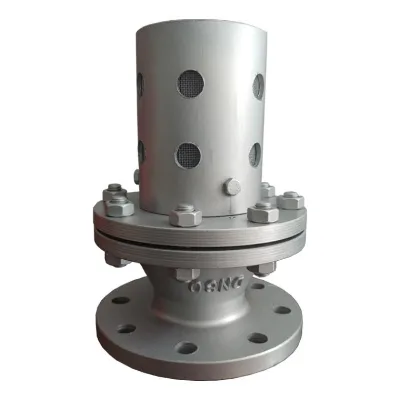
Source OEM Standard Purge Vacuum Valve for Petrochemical, Power, and Metallurgy
Find and compare 30 OEM standard purge vacuum valve options from Chinese manufacturers. Evaluate specifications including API 6D and ISO 9001 certifications, size ranges from DN50 to DN300, and pressure classes up to 2500lb for industrial applications; compare the available evidence and request quotations based on your requirements.
Key considerations
Products List




Comprehensive Sourcing Guide
OEM Standard Purge Vacuum Valve Sourcing Guide
Procuring an OEM standard purge vacuum valve requires careful alignment between your operational needs and the specific capabilities of the manufacturer. The market offers a diverse range of units, from compound exhaust valves designed for metallurgy and electric power sectors to specialized pressure vacuum vent valves intended for gas stations. Buyers must distinguish between these functional variations, as the valve's primary role—whether acting as a bypass, atmospheric, or relief valve—directly dictates the required material composition and structural design.
Selection begins with verifying the valve's connection form and driving mode against your existing pipeline infrastructure. While some units feature manual operation with thread connections suitable for general industrial usage, others may utilize welding or specific flange standards like API 6D. Understanding whether the application demands a straight-through channel or a reversing flow direction is critical, as these structural differences impact the valve's ability to handle specific media such as gas, oil, or water without compromising system integrity or safety.
Product Scope and Observed Listing Signals
The current market landscape presents a wide spectrum of valve specifications, with observed size ranges extending from DN50 up to DN500 depending on the specific model and manufacturer. Buyers should note that while some listings highlight a DN50 to DN300 range, others extend to DN500, indicating that the physical footprint and flow capacity vary significantly across different product lines. This variation necessitates a precise review of the technical datasheet to ensure the selected unit fits the spatial constraints and flow requirements of your specific installation site.
Price and minimum order quantity (MOQ) signals further define the scope of available inventory, with observed prices ranging from $1.20 to $300 and MOQs varying between 1 and 400 units. These commercial signals often correlate with the complexity of the valve, such as whether it is a simple brass component or a heavy-duty cast iron unit with advanced sealing forms. Procurement teams must balance the cost per unit against the total volume required, keeping in mind that standard export wooden cases or plywood cases are common packaging methods that may influence logistics planning and total landed costs.
Technical Specifications to Verify
Technical verification must prioritize the pressure class and material composition to ensure durability under operating conditions. The observed product class spans from 150lb to 2500lb, a critical range that determines the valve's ability to withstand high-pressure environments in petrochemical or power generation facilities. Buyers should explicitly confirm the material grade, as options include brass, cast iron, or forged components, each offering distinct resistance to corrosion and mechanical stress depending on whether the media is gas, oil, or water.
Structural integrity and sealing mechanisms are equally vital, with observed designs ranging from floating ball valves to swing structures and gland packing globe valves. The sealing form, such as chemical use tape for sealing plugs or specific gland packings, must be compatible with the operating temperature, which is typically noted as normal or ordinary temperature in standard listings. Additionally, the driving mode, whether manual or automated, and the flow direction, including reversing capabilities, must be validated to prevent operational failures in complex piping systems where backflow or pressure surges are possible.
Compliance and Safety Documentation
Compliance with international standards is a non-negotiable aspect of sourcing industrial valves, with API 6D, ISO 9001, and CE certifications frequently cited in product documentation. These certifications indicate that the manufacturing process adheres to rigorous quality management systems and safety protocols, which is essential for applications in metallurgy, light industry, and electric power sectors. Buyers should request current certificates to verify that the specific batch of valves meets the required regulatory frameworks for their region and industry.
Safety documentation must also include specific valve certificates such as ISO9001:2000, CE, Upc, and Crn, which validate the product's suitability for pressure and vacuum applications. For units intended for gas stations or similar high-risk environments, the presence of TUV or SGS certifications provides an additional layer of assurance regarding the valve's performance under stress. It is imperative to ensure that the documentation explicitly covers the specific function of the valve, such as its role as a pressure vacuum vent valve, to confirm it has been tested for the intended service conditions.
Cost Drivers and Commercial Terms
The final cost of an OEM standard purge vacuum valve is heavily influenced by customization availability and the complexity of the production process. While standard models may be readily available, the ability to customize the valve for specific pressure classes or connection forms can impact the unit price and the overall budget. Buyers should clarify whether the quoted price includes the cost of specialized materials like K Class copper tubes or forged brass components, as these factors significantly drive the manufacturing expense.
Commercial terms regarding delivery and payment are equally critical, with observed lead times ranging from 20 to 45 days depending on the specific quantities ordered. This variability means that procurement planning must account for potential delays, especially when ordering large volumes that require extended production schedules. Additionally, the packaging method, whether standard export wooden cases or polybags with inner cartons, affects shipping costs and the risk of damage during transit, which should be factored into the total cost of ownership calculations.
Supplier Qualification and Quality Control
Supplier qualification should focus on the manufacturer's origin and their established track record in producing valves for heavy industries. Many suppliers are located in Wenzhou, Zhejiang, China, a region known for its manufacturing capabilities, but buyers must verify the specific factory's capacity to meet the required production standards. The presence of a dedicated quality control team and adherence to standards like API 6D and ISO 9001 are strong indicators of a supplier's ability to deliver consistent, high-quality products.
Quality control processes must be transparent and verifiable, with suppliers expected to provide test results and inspection reports for each batch of valves. Buyers should inquire about the specific testing procedures used to validate the valve's sealing form, pressure rating, and material integrity before shipment. Establishing a clear communication channel for quality issues and ensuring that the supplier can provide traceability for materials like cast iron or brass is essential for maintaining the reliability of the supply chain and minimizing the risk of field failures.
Long-Term Procurement Checks
Long-term procurement success relies on establishing a robust relationship with suppliers who can support ongoing maintenance and replacement needs. Buyers should assess the supplier's ability to provide consistent product specifications over time, ensuring that future orders match the initial batch in terms of material, pressure class, and certification. This consistency is vital for maintaining system integrity and avoiding the complications that arise from mixing different valve models or standards within the same pipeline network.
Regular audits and performance reviews should be conducted to ensure the supplier continues to meet the agreed-upon quality and delivery standards. This includes monitoring lead times, verifying that certifications remain current, and checking that the packaging and handling procedures have not degraded. By maintaining a proactive approach to supplier management, buyers can mitigate risks associated with supply chain disruptions and ensure a steady flow of reliable purge vacuum valves for their industrial operations.
FAQs
What certifications are available for oem standard purge vacuum valves?
Available certifications include API 6D, CE, ISO9001, TUV, and SGS. These standards ensure compliance with international quality and safety requirements for industrial applications. Buyers can verify specific documentation based on their regional regulations and industry needs, ensuring the valves meet necessary operational benchmarks.
Can I customize the size of an oem standard purge vacuum valve?
Yes, customization is available for sizes ranging from DN50 to DN500. This flexibility allows buyers to select the exact dimensions required for their specific piping systems. Customization ensures proper fit and performance, accommodating various industrial setups without compromising the valve's structural integrity or sealing capabilities.
What is the typical lead time for oem standard purge vacuum valves?
The delivery detail typically ranges from 20 to 45 days according to the specific quantities ordered. This timeframe accounts for manufacturing, quality control, and packaging processes. Buyers should plan their procurement schedules accordingly, considering that larger orders may require additional time to ensure timely delivery and quality assurance.
Which materials are used for oem standard purge vacuum valves?
Materials include brass, cast iron, and forged options depending on the specific model. Brass is often used for gas applications, while cast iron suits water industrial usage. These materials are selected for durability and resistance to specific media, ensuring long-term performance in metallurgy, light industrial, and electric power fields.
How are oem standard purge vacuum valves packaged for export?
Packaging includes standard export wooden cases, plywood cases, and polybags with inner boxes on wooden pallets. This robust packaging protects the valves during transit, preventing damage from moisture or impact. The varied options ensure safe delivery regardless of the shipping method or destination, maintaining product integrity upon arrival.
What pressure classes are available for oem standard purge vacuum valves?
Pressure classes range from 150lb to 2500lb, covering low to high-pressure applications. This wide range allows selection based on system requirements, ensuring safety and efficiency. Buyers can choose the appropriate class to match their operational pressures, whether for household, industrial, or specialized petrochemical environments, ensuring reliable performance.