Source Off-Road CG Motorcycle for Trail, Farm, and Work
Find 30 off-road cg motorcycle options from China. Compare 100-200CC 4-stroke engines, chain drive transmissions, and disc/drum brakes. Source OEM models like RM125-60 and CG125 for rugged terrain and utility tasks; compare the available evidence and request quotations based on your requirements.
Updated
Key considerations
Products List
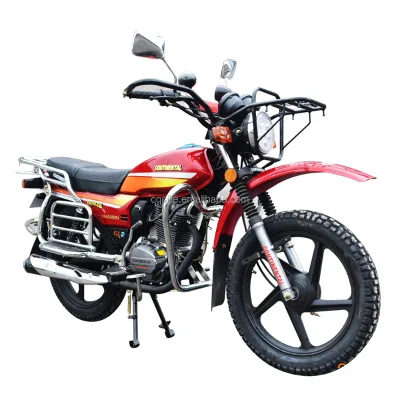
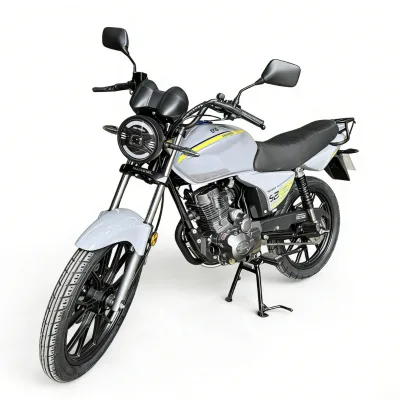
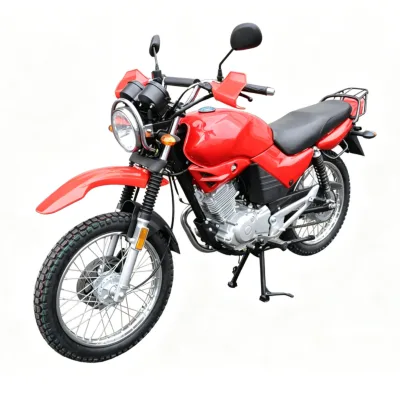
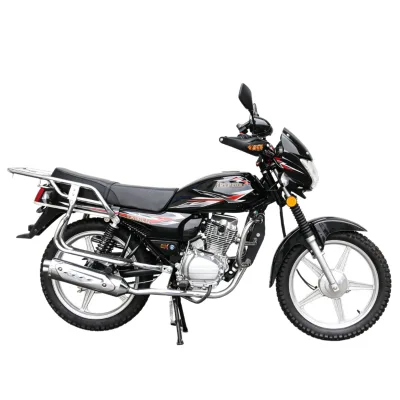


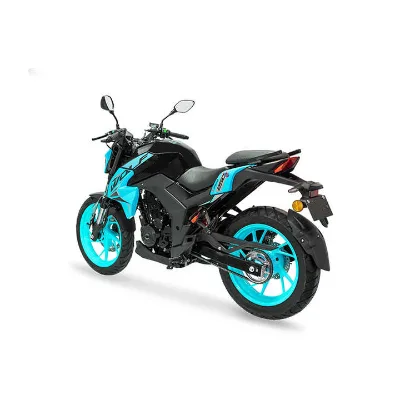
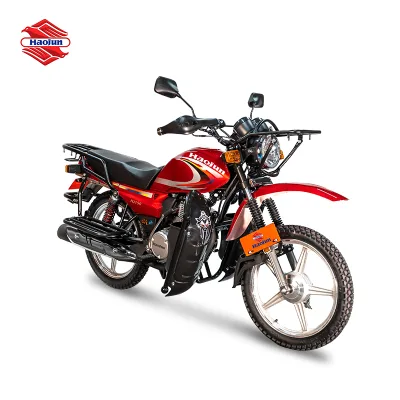
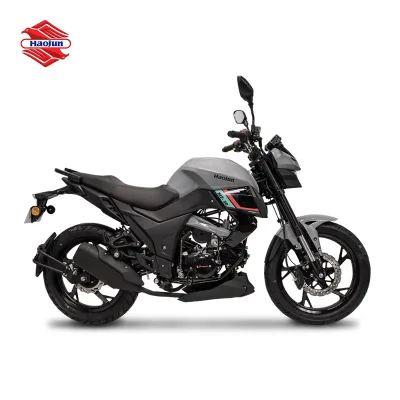
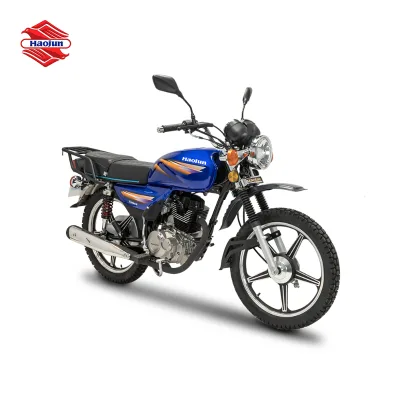
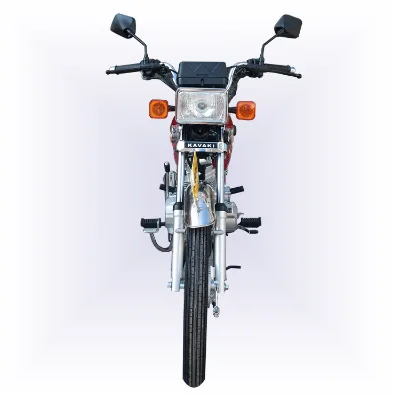


Wholesale 200cc off-Road Motorcycles Sports Motorcycles Street Motorcycles
$785.00 - $790.00
MOQ: 145 Pieces


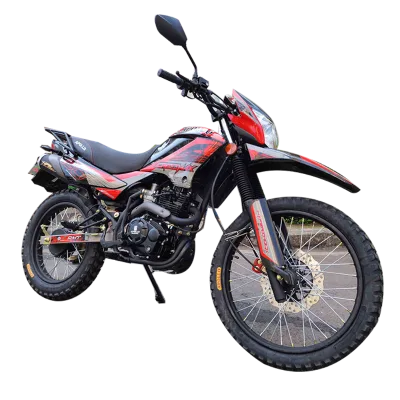


High off-road performance gas-powered bike motorcycle with 125cc engine
$471.00 - $680.00
MOQ: 10 Pieces
Comprehensive Sourcing Guide
Off-Road CG Motorcycle Sourcing Guide
Product Scope and Observed Listing Signals
The current market for off-road CG motorcycles presents a diverse array of models primarily originating from major manufacturing hubs in China, with Chongqing and Guangdong identified as key places of origin. Buyers will encounter listings featuring model numbers such as RM125-60, RM150-59, and various CG series iterations like CG125 and CG200, indicating a broad spectrum of displacement options ranging from 100 to 200CC. These vehicles are generally categorized as new condition units from 2025, catering to both individual enthusiasts and commercial distributors seeking reliable dirt bike configurations. The presence of customizable color options and OEM branding opportunities suggests that suppliers are equipped to handle private label requirements, allowing buyers to tailor the aesthetic and branding elements to their specific regional market demands.
Observed listing signals reveal significant variation in technical attributes and commercial terms across different suppliers. While some models emphasize high-speed capabilities exceeding 105km/h with substantial fuel tanks of 13.5L, others focus on compact dimensions and specific braking configurations like front disc and rear drum setups. The observed price range spans from 145 to 1500 USD, reflecting differences in engine complexity, brand reputation, and included accessories. Minimum order quantities vary widely from single items to 210 units, providing flexibility for small-scale testers and large-volume importers alike. This disparity underscores the importance of carefully matching specific product attributes, such as chain drive transmission and multiplate wet clutch types, to the intended operational environment and performance expectations of the end-user.
Technical Specifications to Verify
Engine configuration and cooling methods are critical determinants of performance and longevity for off-road applications. Buyers should verify whether the motorcycle utilizes a 4-stroke air-cooled engine, as this is a common specification among the observed listings, ensuring simplicity and ease of maintenance in rugged terrain. The starting system is another vital area for confirmation, with many models offering a combination of electric and kick-start capabilities to provide redundancy in remote locations. Additionally, the transmission type, typically chain drive, requires inspection for durability and proper tensioning mechanisms. Displacement ranges between 100 and 200CC offer a balance of power and fuel efficiency, but buyers must confirm the exact cubic capacity to ensure compliance with local regulations regarding vehicle classification and licensing requirements.
Braking systems and tire specifications directly impact safety and handling characteristics on uneven surfaces. It is essential to verify the brake configuration, noting that some models feature a front disc and rear drum setup, which provides effective stopping power while maintaining mechanical simplicity. Tire sizes also vary, with some listings specifying front 2.50-17 and rear 2.75-17 dimensions, while others indicate metric sizes like 110/70-17 for the front and 140/70-17 for the rear. These differences affect traction and stability, so buyers should align tire choices with the primary terrain type. Furthermore, checking the fuel tank capacity, which ranges from 8L to 13.5L, helps determine the operational range between refueling stops, a crucial factor for extended off-road excursions where service stations are scarce.
Compliance and Safety Documentation
Certification requirements vary significantly depending on the target export market, making it imperative to verify the specific documentation provided by each supplier. Some listings explicitly mention certifications such as CE, CQC, COC, and CCC, which are relevant for European and Chinese domestic markets respectively. Buyers must ensure that the provided certificates are valid and correspond to the exact model number and year of production, as regulatory standards are subject to change. It is also necessary to confirm whether the supplier can provide additional test reports or compliance documents required by specific countries, such as EPA or CARB certifications for the United States, or E-mark approvals for Europe. Relying solely on generic certification claims without verifying their applicability to the specific shipment can lead to customs delays or legal penalties.
Safety features and labeling standards must also be rigorously checked to ensure the motorcycle meets local roadworthiness or off-road use regulations. Buyers should verify that all critical components, including lights, mirrors, and horns, are installed and functional if the vehicle is intended for street-legal use. The presence of clear warning labels and operational instructions in the local language is another important compliance aspect. Additionally, the battery specification, often listed as 12V5A, should be confirmed to ensure compatibility with local electrical standards. Proper documentation of the vehicle identification number (VIN) and engine number is essential for registration purposes, so buyers must ensure these numbers are legible and match the provided title or certificate of origin documents.
Cost Drivers and Commercial Terms
The price range of 145 to 1500 USD for off-road CG motorcycles is influenced by several key factors, including engine displacement, brand name, and included accessories. Higher-priced units often feature more advanced engines, better braking systems, or recognized brand names like KAVAKI, which may command a premium due to perceived quality and after-sales support. Conversely, lower-priced options may be generic OEM products with basic specifications. Buyers should carefully evaluate the cost against the specific technical attributes required for their use case, avoiding the temptation to choose the lowest price without considering long-term maintenance and reliability costs. The inclusion of customization options, such as specific colors or branding, may also affect the final unit price, so these details should be clarified during the quotation process.
Commercial terms, including minimum order quantities (MOQ) and payment conditions, play a significant role in the overall procurement strategy. MOQs range from single items to 210 units, allowing buyers to start with small test orders or commit to larger volumes for better pricing. Supply ability is noted as 3000 pieces per month for some suppliers, indicating robust production capacity for larger orders. Buyers should negotiate clear terms regarding shipping methods, insurance, and delivery lead times, as these can significantly impact the total landed cost. Additionally, understanding the warranty policy and the availability of spare parts is crucial, as these factors contribute to the total cost of ownership. Clear communication regarding packaging, such as steel and carton combinations, helps prevent damage during transit and reduces potential replacement costs.
Supplier Qualification and Quality Control
Verifying the supplier’s manufacturing capabilities and quality control processes is essential to ensure consistent product quality. Buyers should request detailed information about the production facility, including its location in Chongqing or Guangdong, and inquire about the specific quality assurance measures implemented during assembly. It is advisable to ask for photos or videos of the production line and finished products to assess the build quality and attention to detail. Suppliers who provide comprehensive product specifications, such as exact dimensions (e.g., 20207301115 for RM125-60) and weight (e.g., 135KG for DR models), demonstrate a higher level of transparency and professionalism. Buyers should also check for any third-party audits or factory certifications that validate the supplier’s operational standards.
Establishing a clear quality control protocol before placing large orders is crucial to mitigate risks. Buyers should consider hiring third-party inspection services to conduct pre-shipment inspections, verifying that the goods match the agreed-upon specifications and quality standards. This includes checking for cosmetic defects, functional tests of the engine and brakes, and verification of packaging integrity. Clear communication of quality expectations, including acceptable tolerance levels for dimensions and performance, helps align supplier output with buyer requirements. Additionally, establishing a process for handling defective items or discrepancies upon delivery is important for maintaining a positive business relationship. Regular feedback and performance reviews of suppliers can help identify areas for improvement and ensure long-term reliability in the supply chain.
Long-Term Procurement Checks
Building a sustainable supply chain for off-road CG motorcycles requires ongoing monitoring of supplier performance and market trends. Buyers should regularly review supplier delivery times, product consistency, and responsiveness to issues to ensure they meet evolving business needs. Maintaining open communication channels and providing constructive feedback helps foster a collaborative relationship that can lead to better pricing and priority service. It is also important to stay informed about changes in regulatory requirements and market demands, as these factors can impact the viability of certain models. Periodic audits of supplier facilities and quality control processes can help identify potential risks early and ensure continued compliance with agreed-upon standards.
Diversifying the supplier base can reduce dependency on a single source and provide greater flexibility in sourcing. Buyers should explore multiple suppliers offering different models and specifications to compare quality, price, and service levels. This approach allows for better negotiation leverage and ensures continuity of supply in case of disruptions. Additionally, staying updated on new technologies and innovations in the motorcycle industry can help buyers identify opportunities for product improvement or differentiation. Regularly reviewing and updating procurement strategies based on performance data and market insights ensures that the sourcing process remains efficient and effective. By focusing on long-term relationships and continuous improvement, buyers can secure a reliable supply of high-quality off-road CG motorcycles that meet their customers' needs.
FAQs
What engine specifications are available for the off-road cg motorcycle?
The off-road cg motorcycle features a 4-stroke air-cooled engine with a displacement range of 100-200CC. Models like the RM125-60 and CG200 offer varying power outputs. The engine supports both electric and kick-start systems for reliable ignition. This configuration ensures efficient performance suitable for diverse off-road terrain conditions and rider preferences.
Can the off-road cg motorcycle be customized for specific branding?
Yes, customization is available for the off-road cg motorcycle. Buyers can select custom colors and apply OEM branding to the unit. The product supports tailored packaging options, including steel and carton combinations. This flexibility allows businesses to align the motorcycle with their specific market requirements and brand identity effectively.
What is the maximum speed of the off-road cg motorcycle?
The maximum speed varies by model, with some units exceeding 80km/h and others reaching over 105km/h. Specific models like the DR variant achieve speeds greater than 105km/h. The RM150-59 model offers a speed range of 61-80km/h. These performance levels cater to different off-road riding intensities and regulatory requirements.
Which certifications apply to the off-road cg motorcycle?
The off-road cg motorcycle holds CE, CQC, COC, and CCC certifications. These credentials verify compliance with international and regional safety standards. The certifications ensure the product meets rigorous quality benchmarks for export and domestic markets. Buyers can rely on these documented standards for regulatory clearance and consumer trust in the motorcycle's safety features.
What is the typical MOQ for the off-road cg motorcycle?
The minimum order quantity ranges from 1 to 210 units depending on the supplier and model. Some suppliers offer single-item purchasing options for testing purposes. Higher volumes may unlock better pricing or customization options. Buyers should verify the specific MOQ with their chosen manufacturer to align with their inventory needs and budget constraints.
Where are the off-road cg motorcycles manufactured?
The off-road cg motorcycles are primarily manufactured in Chongqing and Guangdong, China. These regions are known for robust motorcycle production capabilities. The products originate from these specific locations, ensuring access to established supply chains. Buyers can trace the origin to verify manufacturing standards and logistical advantages associated with these Chinese industrial hubs.