Source 49cc Chain Drive Kids Motorcycles for racing, trails, and play
Compare 30 listings of 49cc Chain Drive Kids Motorcycles featuring 2-stroke engines, disc brakes, and CE/EEC/EPA certifications. Buyers can evaluate specs like speed, load capacity, and tire sizes from Zhejiang suppliers; compare the available evidence and request quotations based on your requirements.
Updated
Key considerations
Products List
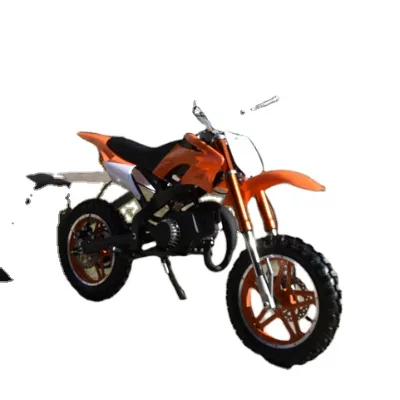
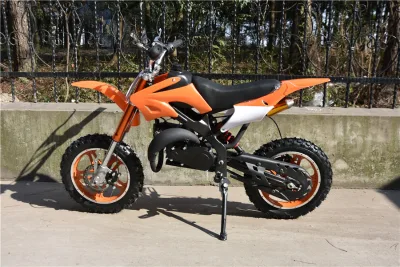
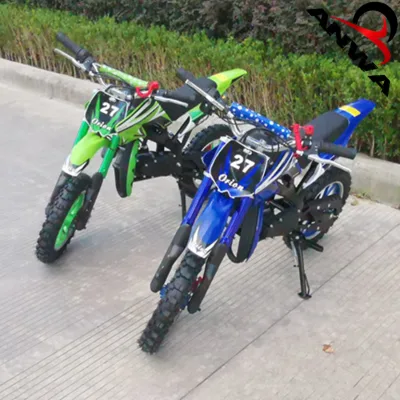
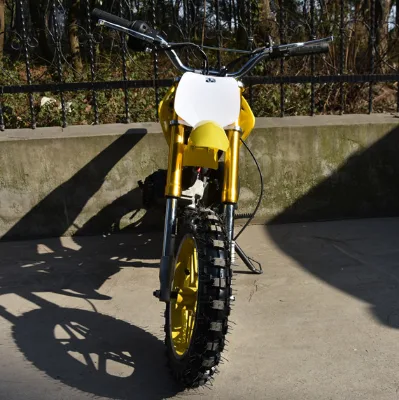
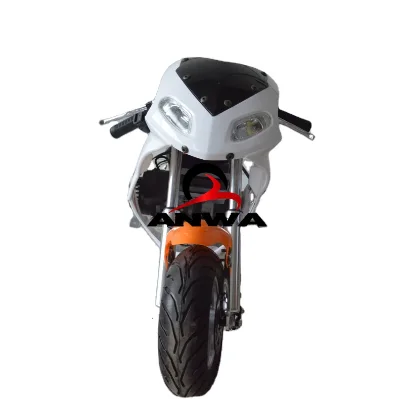
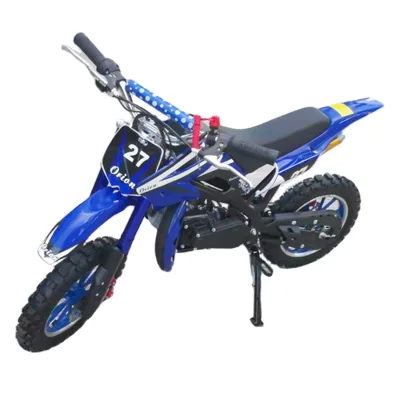
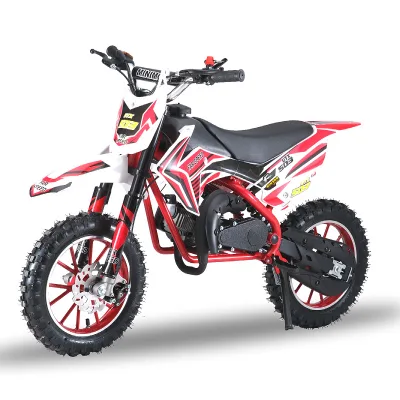
Children's Motorcycle Gasoline 49cc 2-Stroke Air-cooled Off-Road Bike
$96.9453 - $122.4566
MOQ: 10 pieces
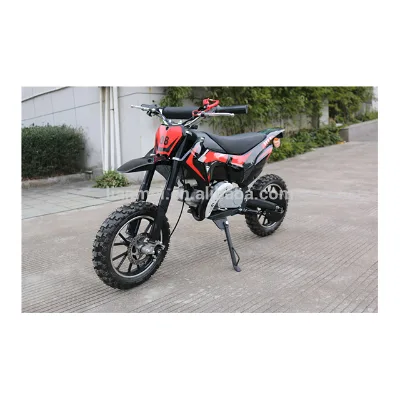
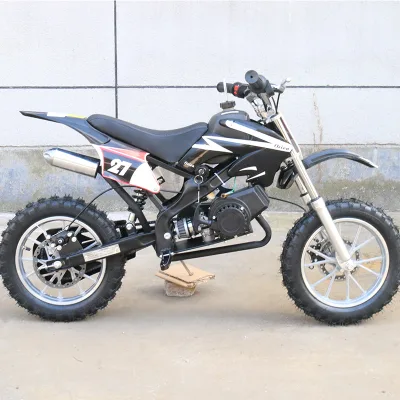
Factory Price Kids Motorcycle Kids Petrol Bikes Kids Motorcycles for Sale
$88.4854 - $141.9869
MOQ: 10 pieces
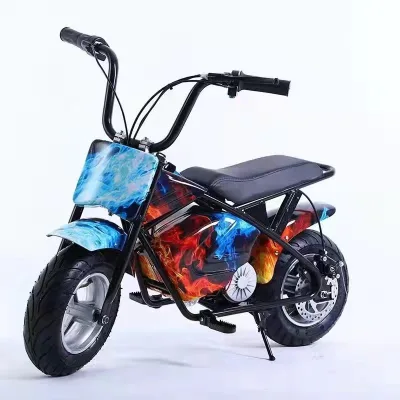
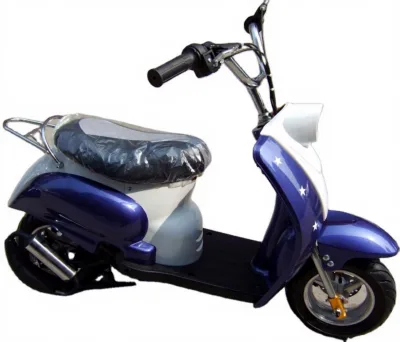
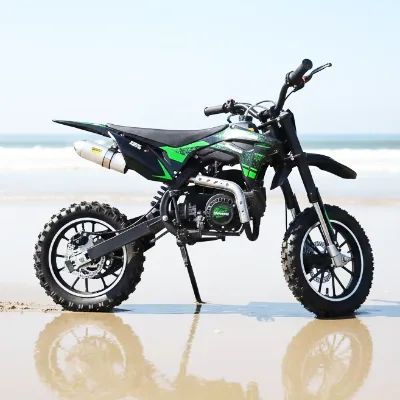
Factory Price 49CC/50CC OFF-Road Vehicle 2 Stroke Mini Motorcycle Kids Racing Small Motorbike
$123.2121 - $138.6134
MOQ: 10 pieces
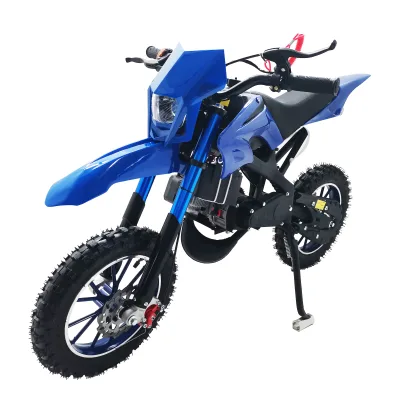
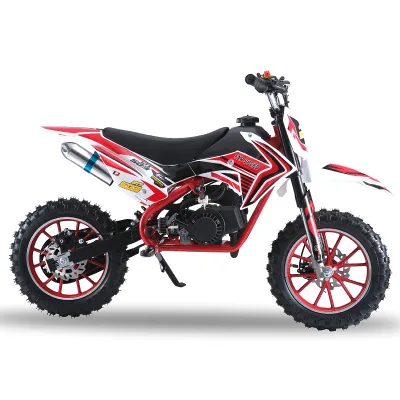
Factory Price Kids Petrol Motorcycle 49cc 2-Stroke Engine 45km/h Max Speed for Sale
$120.00 - $138.00
MOQ: 10 pieces


Comprehensive Sourcing Guide
49cc Chain Drive Kids Motorcycles Sourcing Guide
Sourcing 49cc Chain Drive Kids Motorcycles requires a disciplined approach to balancing performance, safety, and regulatory compliance. These vehicles are primarily designed for recreational use by children and young riders, offering an accessible entry point into motorized riding. The core appeal lies in their manageable power output and compact dimensions, which allow for controlled learning environments. Buyers must recognize that while these bikes share mechanical similarities with adult dirt bikes, their engineering is specifically tuned for lighter loads and lower speeds. Understanding the specific use case is critical before engaging with suppliers, as the intended riding terrain and rider age directly influence the necessary technical specifications and safety features.
The procurement process involves navigating a market with significant variation in build quality and component sourcing. While the general category is well-defined, individual listings may differ substantially in engine origin, frame material, and braking systems. Buyers should focus on verifying the chain drive mechanism’s durability and ease of maintenance, as this is a key operational component. Additionally, the visual appeal and color options often play a role in final selection, but these aesthetic choices should not overshadow functional requirements. Establishing clear criteria for what constitutes a acceptable unit is essential to avoid receiving products that fail to meet operational expectations or safety standards upon delivery.
Product Scope and Observed Listing Signals
The observed market signals indicate a product range primarily centered around mini dirt bikes and pocket bikes with a 49cc displacement. Listings frequently highlight attributes such as single-cylinder, two-stroke engines that are air-cooled, providing a straightforward mechanical profile that is easy to service. The typical dimensions observed, such as 1080x550x780mm or 1130x510x625mm, suggest a compact footprint suitable for younger riders or confined riding areas. These physical constraints are a defining characteristic of the scope, ensuring the vehicles remain manageable for their target demographic while still offering a realistic riding experience.
Commercial signals reveal a wide variance in pricing, ranging from approximately $80 to $311.23 USD, which reflects differences in component quality and brand positioning. Minimum order quantities (MOQ) vary significantly, from single units to 168 pieces, indicating flexibility for both sample testing and bulk procurement. The supply ability is noted at around 2000 pieces per month, suggesting that suppliers have moderate production capacity. Buyers should interpret these signals as indicators of a mature but fragmented supply chain, where careful vetting is required to ensure consistency across orders, especially when scaling up from small trial batches to larger commercial shipments.
Technical Specifications to Verify
Engine performance is a critical verification point, with observed top speeds ranging from 35km/h to 60km/h. Buyers must confirm the actual speed limit relative to the intended rider age and skill level, as some listings specify a max speed of 45km/h or 28mph. The displacement is consistently noted as 49cc or 50cc, adhering to common regulatory thresholds for youth vehicles. It is essential to verify the engine type, whether two-stroke or four-stroke, as this impacts maintenance frequency and fuel efficiency. The fuel tank capacity, observed between 1.8L and 2.4L, should be cross-referenced with expected ride duration to ensure adequate range for typical usage scenarios.
Chassis and braking systems require close inspection to ensure rider safety. The tire size is commonly listed as 2.5-10 for both front and rear, providing a stable footprint for off-road or paved use. Braking configurations vary, with some units featuring front and rear disc brakes, while others may rely on drum systems. Buyers should verify the brake type and effectiveness, as disc brakes generally offer superior stopping power. Additionally, the suspension system, described as front and rear suspension, should be assessed for its ability to absorb shocks from uneven terrain. The maximum load capacity, observed between 50kg and 80kg, must align with the expected rider weight to prevent structural stress or handling issues.
Compliance and Safety Documentation
Regulatory compliance is paramount when importing youth motorized vehicles, as standards vary significantly by destination market. Listings often cite certifications such as CE, EEC, and EPA, which indicate adherence to specific regional safety and emissions regulations. Buyers must verify the validity and scope of these certifications, ensuring they cover the specific model and engine configuration being purchased. The EPA certification, for instance, is crucial for sales in the United States, while CE marking is essential for European markets. Relying on generic certification claims without documented proof can lead to customs delays or legal liabilities upon entry.
Safety features extend beyond regulatory marks to include practical design elements that protect the rider. The chain drive mechanism should be fully enclosed or guarded to prevent accidental contact, a critical safety feature for young users. Buyers should request detailed technical drawings or photos that clearly show the chain guard and other protective components. Additionally, the handlebar design and seat height should be evaluated for ergonomic safety, ensuring the rider can maintain control comfortably. Documentation should also include clear operating manuals in the target language, providing instructions on safe operation, maintenance, and emergency procedures to reduce the risk of user error.
Cost Drivers and Commercial Terms
Pricing in this segment is influenced by several key factors, including engine origin, material quality, and packaging efficiency. Units with branded engines or higher-grade steel frames typically command higher prices within the observed range. The packaging details, such as carton dimensions and gross weight, impact shipping costs significantly. For example, a single package size of 105x30x52 cm with a gross weight of 27.020 kg will incur different freight charges compared to more compact configurations. Buyers should calculate the landed cost by factoring in volumetric weight, which often dominates shipping expenses for bulky items like motorcycles.
Commercial terms such as MOQ and lead times directly affect inventory planning and cash flow. While some suppliers offer low MOQs for testing, bulk orders may require commitments of 168 pieces or more. Lead times are not explicitly stated in the observed data but are implied by the supply ability of 2000 pieces per month. Buyers should negotiate clear delivery schedules and penalty clauses for delays to mitigate supply chain risks. Payment terms should be structured to protect capital, potentially using escrow services or letters of credit for larger transactions. Understanding these commercial dynamics allows for more accurate budgeting and reduces the financial impact of unexpected delays or order modifications.
Supplier Qualification and Quality Control
Supplier qualification begins with verifying their manufacturing capabilities and quality management systems. Buyers should request evidence of production facilities, including photos or videos of the assembly line, to confirm that the supplier is a direct manufacturer rather than a trading company. This distinction is crucial for ensuring consistent quality and direct communication regarding technical issues. Additionally, suppliers should provide detailed product specifications that match the observed attributes, such as engine type, tire size, and braking system. Any deviation from these specifications should be clearly documented and agreed upon before production begins.
Quality control protocols must be established to ensure each unit meets the agreed standards. Buyers should implement pre-shipment inspections that check for mechanical integrity, cosmetic defects, and functional performance. Key inspection points include the engine start-up, brake responsiveness, and chain tension. It is also important to verify the completeness of accessories and documentation included in each package. Establishing a clear acceptance criteria and rejection process helps maintain quality consistency across batches. Regular communication with the supplier regarding any quality issues ensures continuous improvement and reduces the risk of receiving substandard products.
Long-Term Procurement Checks
Long-term success in sourcing 49cc kids motorcycles depends on establishing a reliable supply chain and maintaining product quality over time. Buyers should conduct periodic audits of supplier performance, tracking metrics such as on-time delivery, defect rates, and responsiveness to issues. Building a strong relationship with the supplier can lead to better pricing, priority production, and improved support for future orders. Additionally, staying informed about changes in regulations and market trends ensures that the products remain compliant and competitive. Regularly reviewing customer feedback can provide valuable insights into product performance and areas for improvement.
Sustainability and after-sales support are also critical considerations for long-term procurement. Buyers should assess the supplier’s ability to provide spare parts and technical support, which is essential for maintaining customer satisfaction and brand reputation. Ensuring a steady supply of replacement components, such as tires, brakes, and engine parts, reduces downtime and enhances the overall user experience. Furthermore, evaluating the environmental impact of the products and packaging can align with growing consumer demand for sustainable practices. By focusing on these long-term factors, buyers can build a resilient and profitable sourcing strategy that supports growth and customer loyalty.
FAQs
What are the engine specifications for these 49cc Chain Drive Kids Motorcycles?
The engines are typically 49cc single-cylinder, 2-stroke, air-cooled units. They offer a top speed ranging from 35 to 60 km/h depending on the specific model. Fuel consumption is supported by a tank capacity between 1.8L and 2.4L. These bikes use a chain drive transmission and are designed for safe, controlled riding for children.
Can these 49cc Chain Drive Kids Motorcycles be started electrically?
Yes, many models support both pull start and electric start options. This dual-start capability provides convenience for young riders and parents. Some variants rely solely on hand pull start mechanisms. Buyers should verify the specific start method for each model number, such as DW4901 or PW4901, when placing orders.
What certifications do these 49cc Chain Drive Kids Motorcycles carry?
These motorcycles commonly carry CE, EEC, and EPA certifications. These credentials ensure compliance with safety and environmental standards in various markets. Buyers should request valid certification documents from suppliers to verify authenticity. Proper certification is essential for importing these vehicles into regulated regions without legal complications.
What is the maximum load capacity for these 49cc Chain Drive Kids Motorcycles?
The maximum load capacity varies by model, typically ranging from 50kg to 80kg. This limit ensures structural integrity and safe handling for young riders. Exceeding this weight can compromise suspension performance and braking efficiency. Always check the specific product specifications to confirm the exact load rating for the chosen bike model.
What tire sizes are used on these 49cc Chain Drive Kids Motorcycles?
Most models feature 2.5-10 tires for both front and rear wheels. Some variants may use 6.5-inch tires depending on the design. These tire sizes provide adequate traction and stability for off-road and dirt bike use. Buyers should confirm tire specifications to ensure compatibility with replacement parts and intended riding terrain.
How much does it cost to source these 49cc Chain Drive Kids Motorcycles?
Prices typically range from $80 to $311.23 USD per unit. The final cost depends on order quantity, customization, and certification requirements. Minimum order quantities usually start at one piece but can go up to 168 units. Bulk orders often secure better pricing tiers from manufacturers in Zhejiang, China.