Source Oil Drilling Bentonite Clay for drilling mud, civil engineering, and waterproofing
Find 30 listings for Oil Drilling Bentonite Clay with varying specifications like montmorillonite content and swelling capacity. Buyers can compare prices, MOQs, and applications such as drilling mud, civil engineering, and oil refining across multiple suppliers.
Key considerations
Products List
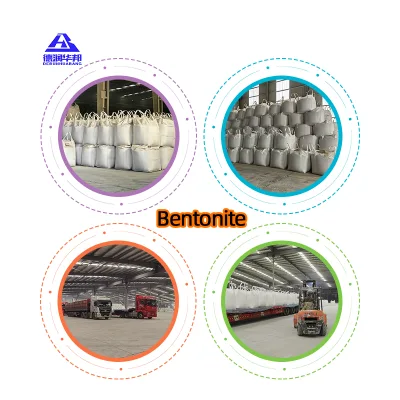
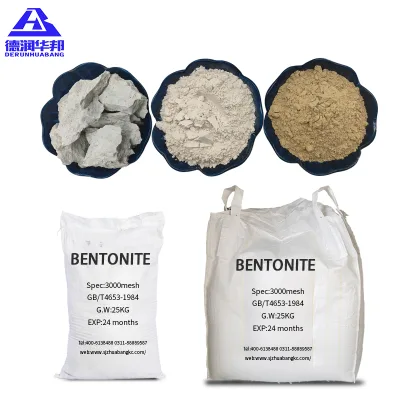


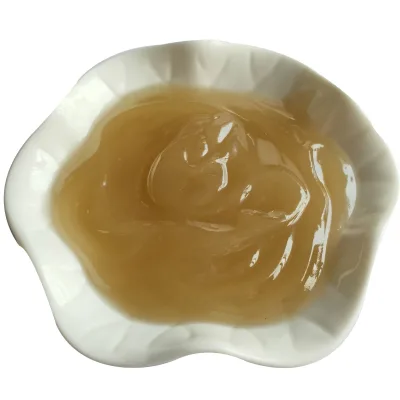

Comprehensive Sourcing Guide
Strategic Sourcing Guide for Oil Drilling Bentonite Clay
Understanding Technical Specifications for Drilling Applications
When sourcing bentonite clay specifically for oil drilling operations, buyers must prioritize technical attributes that directly influence drilling fluid performance. The primary function of bentonite in this sector is to provide viscosity and gel strength to suspend cuttings and stabilize the wellbore. Based on observed market data, the core material is often identified by its montmorillonite content, which serves as the active component responsible for swelling and viscosity. In the current supply landscape, products with a montmorillonite content of 70% are frequently listed, though buyers should verify this figure against specific batch test reports rather than assuming it applies universally to all listings.
The physical form of the product is a critical observation point. The majority of industrial-grade drilling bentonite appears as a fine powder, with specific listings noting a particle size distribution where at least 90% passes through a -200 mesh screen. However, the market also presents variations in fineness, with some suppliers offering sizes ranging from 325 mesh up to 3000 mesh. For oil drilling applications, the optimal particle size is often a balance between rapid hydration and suspension capability. Buyers should note that the water absorption capacity is a vital metric; observed data indicates a water absorption rate of 425% over a two-hour period for certain grades, while others may list a swelling capacity of 31.2 ml/g. These figures are not universal standards but rather specific product observations that must be validated for the intended drilling depth and formation type.
Viscosity is another non-negotiable parameter. A specific product listing cites a viscosity value of 9, which likely refers to a specific measurement unit or condition defined by the manufacturer. Since viscosity requirements vary significantly between water-based and oil-based drilling muds, procurement teams must request the exact testing method used to derive this number. Furthermore, the pH value of the clay slurry is essential for compatibility with other drilling additives. Observed ranges in the market span from 4 to 7 in some contexts and 6 to 9 in others. The correct pH range depends heavily on the specific drilling fluid system being employed, making it imperative for buyers to confirm the chemical compatibility with their existing mud formulations before finalizing a purchase.
Compliance and Certification Verification Protocols
Navigating the certification landscape for industrial minerals requires a disciplined approach to distinguish between verified standards and marketing claims. In the global supply chain for bentonite, ISO 9001 is a frequently cited certification, appearing in multiple product descriptions alongside specific packaging standards. This certification indicates that the supplier has a quality management system in place, but it does not guarantee the specific chemical purity or performance of the clay itself. Buyers should treat ISO 9001 as a baseline requirement for supplier reliability rather than a direct measure of product quality.
Beyond general quality management, specific regulatory compliance is crucial for international trade. Some product listings reference RoHS compliance, which is relevant if the bentonite is intended for use in equipment or applications where heavy metal restrictions apply. However, for pure drilling mud applications, the primary concern is often the absence of hazardous contaminants that could damage the environment or the drilling rig. The Chemical Abstracts Service (CAS) numbers provide a definitive chemical identity; observed listings include CAS No. 85049-30-5 and CAS No. 1302-78-9. These numbers correspond to different forms or compositions of bentonite and related silicates. Procurement teams must ensure that the CAS number on the commercial invoice matches the technical data sheet to avoid receiving the wrong chemical grade.
It is important to note that while some background information mentions REACH, this is a European Union regulation that may not apply to all transactions. Buyers should not assume a product is REACH compliant unless explicitly stated in the official documentation for the specific batch. Similarly, while "ISO 9001" is a common standard, the specific version or the scope of the certification (e.g., whether it covers manufacturing or just trading) should be verified. The presence of a certification label on a product page is an observation, not a guarantee of current validity. Therefore, a robust compliance check involves requesting a copy of the current certificate from the supplier and verifying its authenticity with the issuing body.
Cost Drivers and Pricing Dynamics in the Market
The pricing of Oil Drilling Bentonite Clay is influenced by a complex interplay of raw material quality, processing costs, and logistical factors. The observed price range in the market is extensive, spanning from $0.10 to $2,300 per unit. This wide disparity highlights the difference between raw, unprocessed clay and highly refined, specialized grades. The lower end of the spectrum likely represents bulk raw material or lower-grade bentonite with minimal processing, while the higher end may reflect premium grades with specific mesh sizes, high montmorillonite content, or specialized packaging.
The Minimum Order Quantity (MOQ) is a significant cost driver. Listings show an MOQ range from 1 kg to 100 kg, with a specific observation of 1 kg as a starting point for some suppliers. This flexibility allows smaller drilling contractors to test products without a massive capital outlay. However, for large-scale drilling operations, the unit price typically decreases as the order volume increases. Buyers must calculate the total landed cost, which includes the product price, freight, insurance, and any applicable tariffs. The packaging method also impacts cost; products are commonly shipped in 25 kg woven bags, with some listings specifying a single gross weight of 25.000 kg. The efficiency of the packaging, such as the single package size of 64x66x68 cm, affects how much product can be loaded into a shipping container, thereby influencing the per-unit shipping cost.
Currency fluctuations and raw material availability in the region of origin also play a role. The majority of the observed supply originates from China, specifically from regions like Guangdong and Hebei. These locations are known for their clay deposits, but local production costs and environmental regulations can cause price volatility. Buyers should be aware that the "Selling Units" are often listed as "Single item," which can be ambiguous. It is critical to clarify whether the price is per bag, per ton, or per specific mesh size. Without a clear understanding of the unit of measure, comparing prices across different suppliers becomes impossible. Therefore, procurement strategies should focus on standardizing the unit of measurement to ensure accurate cost comparisons.
Typical Applications and Performance Expectations
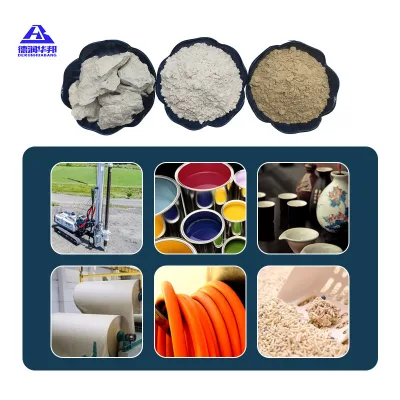
While the core keyword is oil drilling, the versatility of bentonite clay extends to several other industrial sectors, which can affect the supply chain dynamics. The primary application for the targeted product is drilling mud, where it acts as a stabilizer and viscosity agent. However, observed product listings also highlight applications in civil engineering, waterproofing, refining oil, and even cosmetic formulations. This diversity means that a single supplier might produce bentonite for multiple markets, potentially affecting the priority given to drilling-grade orders.
In the context of oil drilling, the clay must perform under high pressure and temperature conditions. The swelling capacity, observed at 31.2 ml/g for some products, is a direct indicator of how well the clay will absorb water and expand to seal micro-fractures in the wellbore. The expansion times, recorded at 24.8 ml/2g in some data points, provide insight into the hydration rate. A faster hydration rate is generally preferred for efficient mud preparation, but it must be balanced against the risk of premature gelation. The application in "Refine Oil" suggests that the clay may also be used in the processing of crude oil, adding another layer of complexity to the product specifications.
For civil engineering and concrete applications, the focus shifts to the clay's ability to bind and seal. The listed usage in "Ceramic, Paper, Concrete, and Model" indicates that the same raw material can be processed for vastly different end uses. This implies that buyers must be vigilant about the specific grade they are purchasing. A batch of bentonite suitable for cosmetic use may not meet the rigorous viscosity and contamination standards required for deep oil drilling. Therefore, the procurement process must include a clear definition of the intended application to ensure the supplier provides the correct grade. The "Customization: Available" attribute suggests that suppliers can tailor the product to specific drilling requirements, such as adjusting the mesh size or adding specific additives, which can be a valuable option for specialized projects.
Supplier Evaluation and Origin Verification
Evaluating suppliers for oil drilling bentonite requires a thorough investigation of their operational capabilities and geographic origins. The observed data points to two primary regions of origin: Guangdong and Hebei in China. These regions have established mining and processing infrastructure, but they also present different logistical profiles. Guangdong is a coastal province with major ports, potentially offering faster export times, while Hebei is an inland province that may rely on rail or road transport to reach ports. Buyers should verify the specific place of origin on the commercial documents to ensure it matches the supplier's claimed location, as this can impact lead times and shipping costs.
Brand names and model numbers are often used to differentiate products. Listings show brands such as "Yuejiang" and "HB," along with model numbers like "Sodium bentonite," "HB-4149CL," and "HB-565641BN." These identifiers are crucial for traceability. When a supplier claims a specific model number, the buyer should request the technical data sheet associated with that exact model to verify the claims. The presence of a "Brand Name" does not necessarily indicate a global manufacturer; it may simply be the supplier's private label. Therefore, the evaluation should focus on the supplier's ability to consistently produce the specified model number with the required quality attributes.
The "Delivery Time" is another critical factor in supplier evaluation. Observed lead times range from 15 to 35 days, with a specific note of "15-35dyas" (likely a typo for days). This variation suggests that production schedules and shipping availability can fluctuate. Buyers should establish a clear timeline in their contract, including penalties for delays, to mitigate the risk of project stoppages. Additionally, the "Customization: Available" attribute indicates that some suppliers are willing to adapt their production, but this may extend the lead time. A supplier's willingness to customize is a positive sign of flexibility, but it must be weighed against the potential for increased lead times and costs.
Quality Control and Long-Term Procurement Considerations
Implementing a robust quality control (QC) protocol is essential for maintaining the integrity of drilling operations. The observed product attributes, such as moisture content of 11.6% and pH values ranging from 4 to 7, serve as benchmarks for QC checks. However, these values are observations from specific listings and should not be treated as universal standards. Buyers must define their own acceptable ranges based on the specific requirements of their drilling fluid system. Regular testing of incoming batches for montmorillonite content, particle size distribution, and swelling capacity is necessary to ensure consistency.
Long-term procurement considerations involve building a relationship with reliable suppliers who can guarantee consistent quality over time. The "Single item" selling unit and "25kg Per Woven Bag" packaging suggest a standardized approach, but buyers should verify that the packaging is suitable for long-term storage and transport. The "Single gross weight" of 25.000 kg indicates a heavy, dense product, which requires careful handling to prevent damage to the packaging and the product. Ensuring that the bags are sealed properly to prevent moisture ingress is critical, as bentonite is hygroscopic and can lose its effectiveness if exposed to humidity.
Furthermore, the molecular formula and chemical composition, such as Al2H2O12si4, provide a theoretical basis for quality verification. While these formulas are standard for bentonite, variations in impurities can affect performance. Buyers should request third-party test reports for each batch to confirm that the chemical composition matches the expected formula. Finally, the "Customization: Available" option offers a strategic advantage for long-term contracts, allowing buyers to adjust the product specifications as their drilling needs evolve. By combining rigorous QC protocols with a flexible supplier relationship, buyers can secure a stable supply of high-quality bentonite clay for their oil drilling operations.
Comparative Analysis of Product Attributes
To facilitate informed decision-making, the following table summarizes key observed attributes from the market data. This comparison highlights the variability in specifications that buyers must navigate.
| Attribute | Observed Value A | Observed Value B | Observation C |
|---|---|---|---|
| Montmorillonite Content | 70% | N/A | Varies by grade; verify per batch |
| Water Absorption (2h) | 425% | N/A | Critical for hydration rate |
| Swelling Capacity | 31.2 ml/g | 24.8 ml/2g | Different units; clarify testing method |
| Particle Size (Fineness) | ≥90% (-200 mesh) | 325-3000 mesh | Depends on application needs |
| pH Value | 6-9 | 4-7 | Match with drilling fluid system |
| Origin | Guangdong, China | Hebei, China | Affects logistics and lead time |
| Packaging | 25kg/Woven Bag | 25kg/Bag | Standard industrial packaging |
| Lead Time | 15-35 days | N/A | Subject to production capacity |
This table underscores the importance of detailed specification checks. The variation in swelling capacity units (ml/g vs. ml/2g) and pH ranges demonstrates that buyers cannot rely on a single data point. Instead, they must engage in a dialogue with suppliers to align the product specifications with their operational requirements. By systematically evaluating these attributes, buyers can mitigate risks and ensure the procurement of bentonite clay that meets the rigorous demands of oil drilling applications.
FAQs
What is the montmorillonite content of Oil Drilling Bentonite Clay?
The observed montmorillonite content is 70 percent for specific product listings. Buyers must verify this figure against batch test reports as it is not a universal standard for all available grades.
How fast does the clay absorb water for drilling mud preparation?
Water absorption reaches 425 percent over a two-hour period for certain observed grades. This metric varies by product and should be validated against specific drilling depth requirements before purchase.
Which particle size is suitable for industrial drilling applications?
Products often feature a fineness where at least 90 percent passes through a minus 200 mesh screen. Some suppliers also offer sizes ranging from 325 mesh up to 3000 mesh for different needs.
Can suppliers customize the bentonite clay for specific drilling needs?
Customization is available for tailoring products to specific drilling requirements. Buyers should confirm the scope of customization, such as mesh size adjustments or additive inclusion, with the supplier directly.
What is the typical lead time for delivery of this clay?
Delivery times range from 15 to 35 days according to observed market data. This variation depends on production schedules and shipping availability, so a clear timeline should be established in the contract.
How does the pH value affect compatibility with drilling fluids?
Observed pH values span from 4 to 7 in some contexts and 6 to 9 in others. The correct range depends on the specific drilling fluid system being employed to ensure chemical compatibility.