Source Oil Cooling Off-Road Electric Motorcycle for Trail, Mud, and Sand
Compare 30 oil cooling off-road electric motorcycle listings from verified suppliers. Buyers can evaluate specs like motor torque, battery capacity, and range to find the right model for rugged terrain applications.
Key considerations
Products List


Racing Bike Electric Offroad Motorcycle with EEC Speed 160kmh for Gift
$1299.00 - $1550.00
MOQ: 1 Pieces
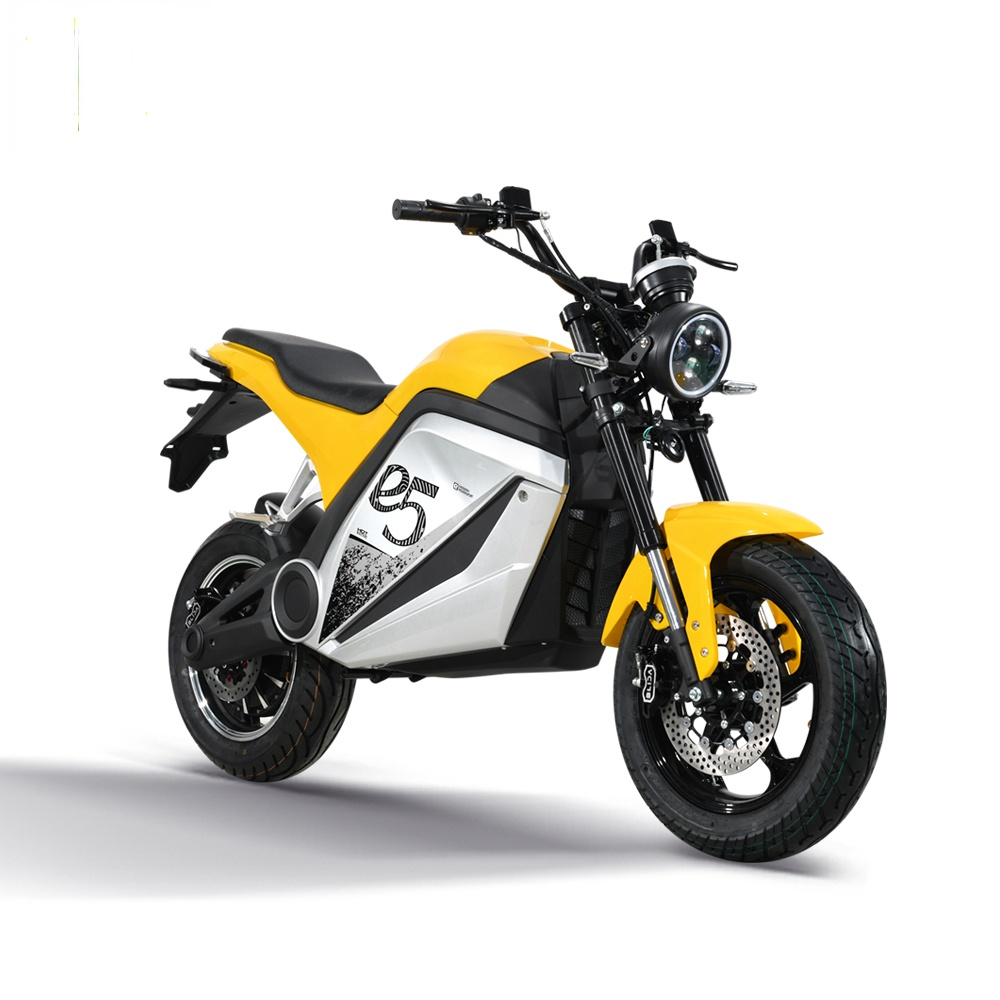


Fast off-Road Electric Motorcycle Hot Sell 3000W 5000W Battery Optional
$1320.00 - $1351.00
MOQ: 1 Pieces
Comprehensive Sourcing Guide
Strategic Sourcing Guide for Oil-Cooled Off-Road Electric Motorcycles
The procurement of electric motorcycles designed for off-road environments represents a significant shift in the mobility sector, driven by the need for high torque, thermal management, and durability in rugged terrains. While the term "oil cooling" suggests a specific thermal regulation mechanism often associated with high-performance internal combustion engines or heavy-duty industrial motors, the electric vehicle market presents a diverse array of cooling architectures. In the context of sourcing electric two-wheelers, buyers must navigate a landscape where specifications vary widely between models, ranging from mid-drive systems to high-power hub motors. This guide provides a structured approach to evaluating potential suppliers and products, focusing on the technical realities observed in current market listings, compliance requirements, and the economic factors that influence the final cost of ownership.
Technical Architecture and Thermal Management Systems
When evaluating electric off-road motorcycles, the core differentiator lies in the motor architecture and its associated cooling strategy. High-performance off-road applications demand motors capable of sustained high torque output without thermal degradation. The market currently features distinct configurations, including mid-drive motors and hub motors, each with unique thermal characteristics.
Mid-drive motors, often preferred for off-road utility due to their ability to leverage the vehicle's gear system, are observed to deliver substantial torque figures. Specific market data indicates models with mid-drive configurations achieving peak motor power outputs of 30kW and torque ratings around 70N·m to 245N·m. The thermal management of these units is critical; while some high-end specifications imply advanced cooling solutions, buyers must verify the actual cooling medium. In many electric motorcycle listings, air cooling remains the standard, but for heavy-duty applications, liquid or oil-based cooling systems may be specified to maintain efficiency during prolonged high-load operations.
Conversely, hub motor configurations offer a more direct drive approach. Listings show hub motor models with peak power outputs reaching 18kW (often configured as dual motors) and maximum speeds up to 130km/h. The battery capacity for these units can vary significantly, with observed capacities ranging from 45Ah to 140Ah at voltages between 72V and 102.7V. The choice between a mid-drive and a hub motor depends heavily on the intended terrain. For steep gradeability requirements, such as those exceeding 25 degrees, the torque delivery of a mid-drive system is often superior. However, for high-speed stability on flatter off-road trails, a dual hub motor setup may provide the necessary power distribution.
Buyers must scrutinize the motor specifications to ensure they align with the "oil cooling" requirement. If a supplier claims oil cooling, it must be explicitly detailed in the technical datasheet, as this is not a universal standard for all electric motorcycles. The absence of explicit cooling medium details in general product descriptions suggests that air cooling may be the default, and any deviation requires specific confirmation.
Performance Specifications and Operational Limits
The operational envelope of an off-road electric motorcycle is defined by a combination of speed, range, and physical dimensions. These parameters are not uniform across the market and are heavily influenced by the battery technology and motor tuning.
Range is a critical metric for off-road procurement. Observed data indicates a wide spectrum of range capabilities, from 45km to 340km per charge. This variance is directly correlated with battery capacity and voltage. Models equipped with ternary lithium-ion batteries, such as those with 102.7V 45Ah configurations, offer a balance of weight and energy density, resulting in ranges around 130km. In contrast, larger capacity batteries, such as 81.4V 140Ah units, can extend the range to approximately 340km, though this may come with increased vehicle weight.
Maximum speed is another key performance indicator. While some entry-level models are capped at speeds between 45km/h and 70km/h, high-performance off-road units are designed to reach speeds of 100km/h to 130km/h. The gradeability, or the maximum incline the vehicle can climb, is equally important for off-road utility. Specifications show gradeability ratings of 25° and 30°, indicating the vehicle's ability to handle steep trails.
Physical dimensions also play a role in off-road performance. The wheelbase, seat height, and ground clearance determine stability and rider comfort. Observed wheelbases range from 1352mm to 1400mm, while seat heights vary from 755mm to 900mm. Ground clearance is a vital factor for navigating rough terrain, with observed values ranging from 145mm to 300mm. A higher ground clearance, such as 300mm, is preferable for deep ruts and obstacles, whereas a lower profile may offer better stability for technical riding.
Compliance, Certification, and Safety Standards
Navigating the regulatory landscape is essential for international procurement. The electric motorcycle market is subject to various safety and environmental standards that vary by region. One of the most common certifications observed in product listings is the CE mark, which indicates conformity with health, safety, and environmental protection standards for products sold within the European Economic Area.
Buyers must verify that the specific model they intend to purchase holds the necessary certifications for their target market. While CE certification is frequently listed, it is not a guarantee of compliance with all local regulations. For instance, in the United States, vehicles may need to meet FMVSS standards, while other regions have their own distinct requirements. The presence of a certification label on a product listing should be treated as an observation of that specific item's status, not as a blanket assurance for the entire product line.
Safety features are also paramount. Disc braking systems, both front and rear, are standard in high-performance models to ensure reliable stopping power in off-road conditions. Some listings specify "Front and Rear Disc Brakes," while others may list a combination of disc and drum brakes. The braking system's effectiveness is crucial for managing the high speeds and heavy weights associated with these vehicles.
Cost Drivers and Economic Factors
The cost of an electric off-road motorcycle is influenced by several key factors, including battery technology, motor power, and manufacturing materials. The observed price range in the market spans from approximately $162 to $5,500, reflecting the vast diversity in specifications and build quality.
Battery technology is a primary cost driver. Ternary lithium-ion batteries, known for their high energy density and longer cycle life, are generally more expensive than lead-acid alternatives. Models utilizing lithium batteries often command higher prices but offer superior range and performance. Additionally, the peak motor power is a significant determinant of cost. Units with 30kW peak power are priced higher than those with 18kW or lower outputs, reflecting the advanced engineering and materials required to handle such power levels.
Material selection also impacts the final price. Steel frames are common in the market, offering durability and cost-effectiveness. However, the use of lighter materials or advanced composites can increase the cost while improving performance. The packaging method, whether wooden boxes or metal frames, can also influence logistics costs, particularly for international shipping.
Minimum Order Quantity (MOQ) is another economic consideration. The market shows MOQs ranging from 1 unit to 60 units. Buyers seeking to test the market or fulfill small orders may find suppliers with lower MOQs, while those looking to establish a long-term supply chain may negotiate better terms with higher volume commitments.
Supplier Evaluation and Quality Assurance
Selecting the right supplier requires a rigorous evaluation process that goes beyond the initial product listing. Buyers should assess the supplier's production capabilities, quality control measures, and after-sales support. The origin of the product is a significant indicator of manufacturing standards. For example, products originating from Chongqing or Wuxi in China are common, but the specific factory's reputation and history should be investigated.
Quality control is paramount in the electric vehicle sector. Buyers should request detailed test reports, including battery cycle life tests, motor thermal performance data, and structural integrity assessments. While specific test results may not always be publicly available, suppliers should be willing to provide documentation upon request. The consistency of the product specifications across different batches is also a critical factor. Variations in motor torque, battery capacity, or frame dimensions can indicate inconsistent manufacturing processes.
Supplier communication and transparency are equally important. A reliable supplier should be able to provide clear answers regarding the cooling system, battery chemistry, and certification status. They should also offer support for customization, as many off-road motorcycles are tailored to specific client requirements. The availability of spare parts and the supplier's warranty policy are additional factors that influence the long-term viability of the partnership.
Long-Term Procurement and Maintenance Considerations
Procuring electric off-road motorcycles is not just a one-time transaction but the beginning of a long-term relationship. Buyers must consider the maintenance requirements and the availability of spare parts. The battery is the most critical component, and its lifespan will determine the total cost of ownership. Buyers should inquire about the expected cycle life of the battery and the supplier's policy on battery replacement.
The cooling system, whether oil-based or otherwise, requires regular maintenance to ensure optimal performance. Buyers should verify the availability of maintenance kits and the technical expertise required to service the cooling system. In off-road applications, the vehicle is subjected to harsh conditions, and the durability of components such as tires, brakes, and suspension is crucial.
Furthermore, the adaptability of the product to future needs is a key consideration. As technology evolves, the ability to upgrade the battery or motor may be necessary. Buyers should assess whether the supplier offers modular solutions that allow for such upgrades. The packaging and logistics also play a role in long-term procurement; efficient packaging reduces damage during transit and lowers shipping costs, which is beneficial for large-scale orders.
In conclusion, sourcing oil-cooled off-road electric motorcycles requires a meticulous approach that balances technical specifications, regulatory compliance, and economic factors. By understanding the nuances of motor architecture, battery technology, and supplier capabilities, buyers can make informed decisions that ensure the acquisition of high-quality, reliable vehicles suitable for demanding off-road environments. The market offers a wide range of options, and careful evaluation is essential to identify the products that best meet the specific needs of the buyer's application.
FAQs
Can oil cooling be confirmed for these off-road electric motorcycles?
Oil cooling is not explicitly confirmed in the provided product specifications. Most listings describe mid-drive or hub motors without detailing the cooling medium, so buyers must request specific thermal management datasheets to verify if oil cooling is present before purchasing.
What is the maximum speed for these electric off-road motorcycles?
Maximum speeds vary significantly between models, ranging from 45 to 130 km/h. High-performance units with mid-drive motors can reach 100 km/h, while others with hub motors achieve up to 130 km/h, depending on the specific battery and motor configuration selected.
Which battery types are available for these electric off-road motorcycles?
Available battery types include ternary lithium-ion and lead-acid options. Specific models feature capacities like 102.7V 45Ah or 81.4V 140Ah, with ranges varying from 45 km to 340 km per charge based on the selected battery chemistry and voltage capacity.
How is the gradeability rated for these off-road electric motorcycles?
Gradeability ratings observed in the market range from 25 degrees to 30 degrees. These figures indicate the vehicle's ability to climb steep inclines, with mid-drive systems often providing superior torque delivery for handling the steeper 30-degree gradients effectively.
What are the standard certifications for these electric off-road motorcycles?
CE certification is the primary standard observed in product listings for these vehicles. This mark indicates conformity with European safety and environmental standards, though buyers should verify specific model compliance for their target region as it is not guaranteed for all variants.
Can customization be arranged for these electric off-road motorcycles?
Customization is available for these electric off-road motorcycles to meet specific client requirements. Buyers can negotiate tailored specifications, though the extent of customization depends on the supplier's production capabilities and the specific model chosen from the available inventory.
What is the typical price range for these electric off-road motorcycles?
The observed price range spans from 162 USD to 5500 USD. Costs are driven by factors such as peak motor power, battery technology, and frame materials, with higher-priced units typically offering greater power output and advanced battery capacities.