Source Oil Damping ATV Coil Spring for Auto Motorcycle Home Appliance
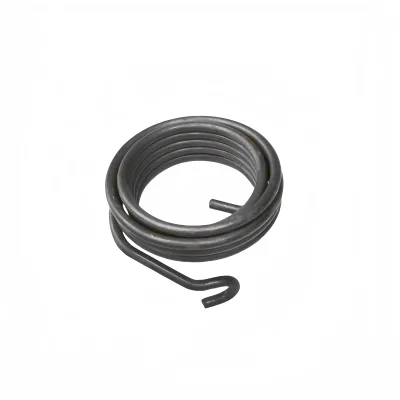
Find and compare 30 listings for Oil Damping ATV Coil Spring designed for Auto, Motorcycle, and Home Appliance applications. Buyers can review specifications including material, load type, and customization options from suppliers in Tangshan and Shandong, China.
Key considerations
Products List


$0.02 - $100.00
MOQ: 1 Pieces


Customized Quad ATV Shock Absorber Length Adjustable Buggy Shock 380-460mm
$160.00 - $180.00
MOQ: 50 Pieces


Comprehensive Sourcing Guide
Strategic Sourcing Guide for Oil Damping ATV Coil Springs
The automotive aftermarket and original equipment manufacturing sectors face increasing demands for suspension components that balance durability, precision, and cost-effectiveness. When sourcing an Oil Damping ATV Coil Spring, buyers must navigate a complex landscape of material science, manufacturing processes, and supplier capabilities. This guide provides a disciplined approach to evaluating potential suppliers and specifications, ensuring that the procurement process aligns with rigorous technical requirements. The focus remains on verifying observable attributes and understanding the variables that influence product performance without relying on unverified marketing claims.
Technical Specifications and Material Composition
The foundation of a reliable suspension component lies in its material composition and geometric design. In the context of the available product data, the primary material identified for these components is carbon steel, with specific references to high-carbon steel and alloy variants. The selection between these materials dictates the spring's resilience, fatigue life, and resistance to corrosion. For ATV applications, which often involve rough terrain and high-impact loads, the material must possess a high endurance limit. While specific numerical data varies by supplier, the observed data indicates an endurance limit of 100,000 cycles for certain torsion and compression variants, a benchmark that buyers should request verification for for heavy-duty ATV applications.
The geometry of the spring is equally critical. The product data highlights several shapes, including standard coils, conical compression springs, and heavy-duty coil springs. The "Conical" shape is often preferred in specific suspension setups to prevent coil binding and allow for progressive spring rates. Furthermore, the load type is a decisive factor; the market data distinguishes between compression, extension, and torsion loads. An oil damping system typically relies on compression springs to manage the rebound and compression strokes of the shock absorber. Buyers must verify that the specific spring model, such as those designated by codes like "hld-sp-05" or "hld-sp-06," matches the required load profile. The standard dimensions, such as a 17mm specification noted in some records, serve as a reference point, but customization is frequently available to meet exact ATV chassis requirements.
Manufacturing Processes and Customization Capabilities
The production method significantly influences the mechanical properties of the spring. The supplied facts distinguish between two primary manufacturing processes: hot rolling and cold rolling. Hot rolling is generally associated with larger, heavy-duty components where the material is shaped at elevated temperatures to improve ductility. Conversely, cold rolling is often utilized for precision components where tighter tolerances and higher strength are required without the need for heat treatment that might alter the grain structure. For an Oil Damping ATV Coil Spring, the choice between these processes depends on the desired balance between strength and flexibility.
Customization is a dominant feature in this sector. The data confirms that OEM and ODM services are widely accepted, with customization available for various parameters. This includes the ability to follow customer requirements for standards, as noted in the "follow customers requirements to make" attribute. Buyers should expect suppliers to offer custom-made packaging, ranging from neutral packing to specific carton or bulk options, which can impact logistics costs. The "Service: Customize ODM OEM" attribute suggests that suppliers are equipped to modify the spring rate, wire diameter, and overall dimensions to fit specific ATV models. However, buyers must ensure that any custom modifications do not compromise the structural integrity of the spring, particularly regarding the "Pressed" and "Buffer" functions listed in the product attributes.
Compliance, Certification, and Quality Standards
Navigating the compliance landscape is essential for B2B procurement, especially when dealing with international supply chains. The observed data lists "ISOMaterial:Carbon" and references to standards like "Sq88062" and "spring steel." While "ISOMaterial" suggests adherence to ISO-related material standards, the specific certification status should be verified directly with the supplier, as the data does not confirm a specific ISO 9001 certification for all listed items. The "Standard" attribute varies from "Custom" to "Unstandard," indicating that many products are built to order rather than adhering to a universal industry standard.
Buyers must prioritize verifying the material standards against international norms. The mention of "reach" in the background data suggests a potential need for compliance with Restriction of Hazardous Substances regulations, though this is not a confirmed fact for every product. When evaluating a supplier, request documentation that confirms the material composition matches the claimed "High-carbon steel" or "Alloy" specifications. Additionally, the "prod_standard" of "17mm" or "Sq88062" should be treated as specific product identifiers rather than universal standards. It is crucial to establish a clear definition of quality acceptance criteria before production begins, ensuring that the "Endurance Limit" and other performance metrics are met through third-party testing if necessary.
Cost Drivers and Economic Factors
The pricing structure for oil damping ATV coil springs is influenced by several variables, including material costs, production complexity, and order volume. The observed price range in the market data spans from $0.01 to $180, reflecting the vast difference between small, standard components and large, custom-engineered heavy-duty units. The Minimum Order Quantity (MOQ) also varies significantly, ranging from 1 unit to 10,000,000 units. This wide range indicates that suppliers cater to both prototyping needs and mass production requirements.
For buyers, the cost driver is often the level of customization. A standard "Standard" model may be more economical due to economies of scale, whereas a "Custom Made" spring with specific dimensions and material alloys will incur higher costs. The "Production Process" also plays a role; cold rolling typically requires more precise machinery and control than hot rolling, potentially affecting the unit price. Furthermore, packaging requirements, such as "Carton or Bulk" versus "Neutral Packing," can influence the final landed cost. Buyers should analyze the total cost of ownership, including lead times and logistics, rather than focusing solely on the unit price. The "Delivery Date" of 15 days observed in some records serves as a baseline, but custom orders may extend this timeline.
Supplier Evaluation and Verification Protocols
Selecting the right supplier requires a rigorous evaluation process that goes beyond surface-level marketing claims. The data indicates that suppliers are located in regions such as Tangshan, Shandong, and generally China. While these locations are known for manufacturing, the specific origin should be verified to ensure it aligns with the buyer's sourcing strategy. A key evaluation metric is the supplier's ability to provide samples. The "Sample: Provide" attribute confirms that many suppliers offer prototypes for testing, which is a critical step before committing to a large order.
When assessing a supplier, buyers should request a detailed breakdown of their production capabilities. This includes verifying their experience with "Hot Roll" and "Cold Roll" processes and their capacity to handle "OEM Service" and "ODM" requests. The "Function" attributes listed, such as "Measurement, Restoration, Drive, Buffer, Phonation," suggest a broad range of applications, but for ATV use, the focus should be on "Buffer" and "Pressed" functions. Suppliers should be able to demonstrate their quality control processes, including how they ensure the "Load Type" (Compression, Torsion, Extension) is accurately met. It is also advisable to check for any specific certifications or test results that validate the "Endurance Limit" claims, as these are critical for safety and performance in off-road environments.
Quality Control and Long-Term Procurement Strategy
Ensuring consistent quality in the supply chain is paramount for maintaining the performance of ATV suspension systems. The "Quality Control" phase should involve rigorous inspection of the "Material" (Carbon, Alloy, Steel) and the "Shape" (Coil, Conical). Buyers should implement a sampling plan that tests for the "Endurance Limit" and verifies the "Standard" dimensions against the provided specifications. The "prod_packing" of "Custom Made" or "Bulk" must also be inspected to ensure that the springs are not damaged during transit, which could affect their performance.
For long-term procurement, establishing a relationship with a supplier who offers "Custom Made" solutions is beneficial. This allows for continuous improvement and adaptation to new ATV models or changing terrain requirements. The "Service: Customize ODM OEM" capability ensures that the supplier can adapt to future needs. However, buyers must maintain clear communication regarding the "Standard" requirements, as the data shows a mix of "Custom," "Unstandard," and specific model numbers. Regular audits of the supplier's production line and material sourcing practices will help mitigate risks associated with quality fluctuations. Additionally, understanding the "Lead Time" and "Delivery Date" is crucial for inventory management, ensuring that production schedules are not disrupted by supply chain delays.
Typical Applications and Performance Expectations
The versatility of the coil spring is evident in the "Usage" attributes, which include Industrial, Furniture, Auto, Motorcycle, and Home Appliance. For the specific core keyword of oil damping ATV coil springs, the primary application is within the "Auto" and "Motorcycle" sectors, specifically for off-road vehicles. The "Function" of "Buffer" and "Pressed" is essential for absorbing shocks and maintaining stability during high-speed maneuvers. The "Load Type" of "Compression" is the most relevant for these applications, as it manages the vertical forces exerted on the suspension system.
Performance expectations should be aligned with the "Material" and "Process" capabilities. A spring made from "High-carbon steel" using a "Cold Roll" process is likely to offer superior fatigue resistance compared to a standard "Hot Roll" variant. The "Endurance Limit" of 100,000 times is a benchmark that buyers should use to gauge the longevity of the component. However, real-world performance can vary based on the specific operating conditions of the ATV, such as the frequency of jumps, the type of terrain, and the weight of the vehicle. Buyers should ensure that the selected spring meets the specific demands of their target market, whether it is recreational off-roading or professional racing.
Conclusion and Procurement Best Practices
Sourcing oil damping ATV coil springs requires a meticulous approach that balances technical specifications, supplier capabilities, and cost considerations. By focusing on the verified attributes such as material composition, manufacturing processes, and customization options, buyers can make informed decisions that ensure product reliability. The wide range of observed prices and MOQs highlights the importance of defining clear requirements before engaging with suppliers. Verification of standards, certifications, and quality control measures is essential to mitigate risks and ensure that the final product meets the rigorous demands of the ATV industry. Ultimately, a strategic partnership with a capable supplier, supported by robust quality assurance protocols, will lead to successful procurement outcomes and high-performance suspension systems.
FAQs
What materials are used for oil damping atv coil springs?
The primary materials identified are carbon steel, high-carbon steel, and alloy variants. These materials are selected to ensure resilience and fatigue life suitable for rough terrain applications.
Can suppliers provide samples for testing before bulk orders?
Yes, suppliers explicitly offer sample provision capabilities for evaluation. This allows buyers to verify product attributes like load type and shape before committing to larger production runs.
Which manufacturing processes are available for these coil springs?
Both hot rolling and cold rolling processes are available depending on the specific requirements. Hot rolling suits heavy-duty components while cold rolling is used for precision parts with tighter tolerances.
How is customization handled for specific ATV chassis requirements?
Customization is widely available through OEM and ODM services to meet exact specifications. Buyers can request changes to dimensions, material, and standards while following customer requirements to make the product.
What is the typical delivery time for these suspension components?
The observed delivery date for some products is 15 days. However, lead times may vary based on the level of customization and the specific order volume requested by the buyer.
Which load types are supported for oil damping systems?
The products support compression, extension, and torsion load types. Compression springs are typically preferred for managing rebound and compression strokes in oil damping shock absorber systems.
What packaging options are available for shipping these springs?
Packaging options include neutral packing, custom-made solutions, and bulk or carton configurations. The choice depends on logistics needs and specific buyer requirements for protection during transit.