Source Oil Cooling Chopper Street Motorcycle for Commuting, Touring, and Custom Builds
Find 30 Oil Cooling Chopper Street Motorcycle options from verified Chinese manufacturers. Buyers can compare specifications like engine size, braking modes, and cooling methods to select the right model for personal or commercial use.
Key considerations
Products List


$1200.00 - $1500.00
MOQ: 24 Pieces


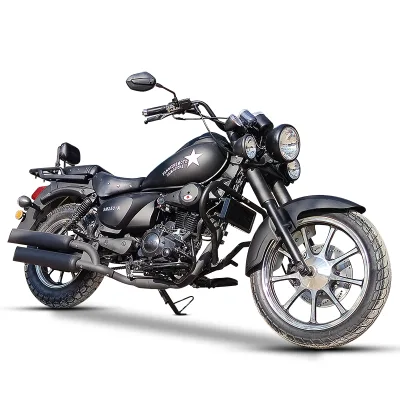
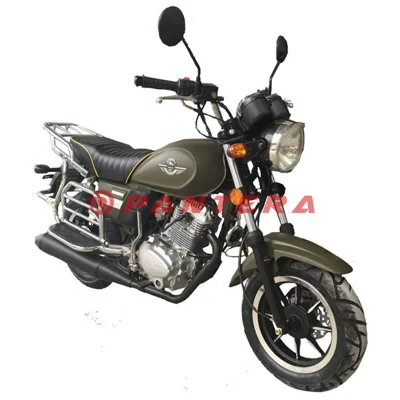


Classic 150cc Motorcycle Chopper - Perfect for Nostalgic Enthusiasts
$900.00 - $1500.00
MOQ: 80 Pieces


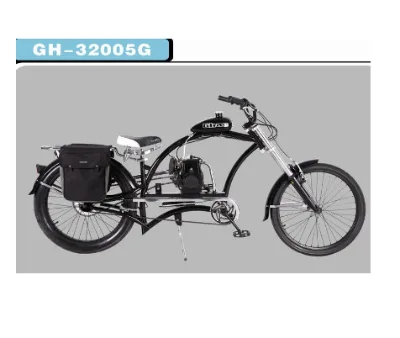


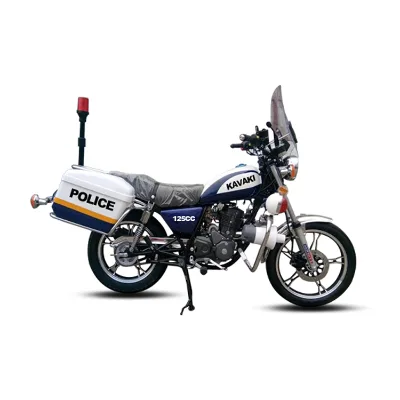
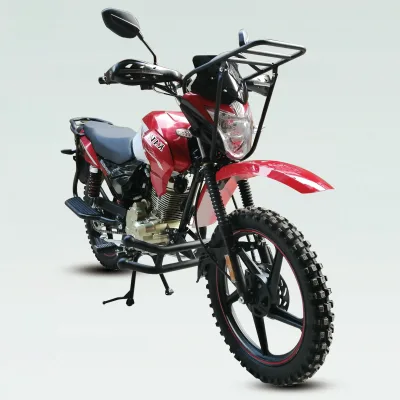
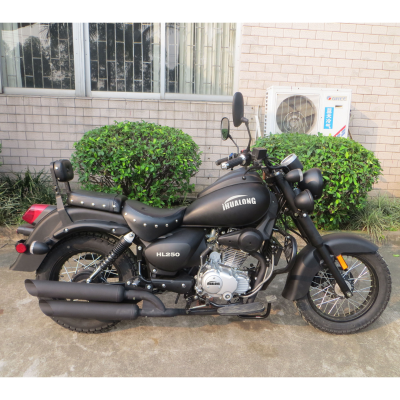
Big Engine Cruiser Style Chopper Motorcycle High Quality Big Wheel Big Fuel tank
$910.44 - $1011.60
MOQ: 50 units
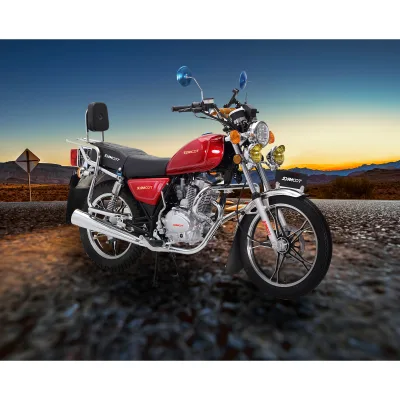

$490.00 - $550.00
MOQ: 32 Pieces
Comprehensive Sourcing Guide
Strategic Sourcing Guide for Oil Cooling Chopper Street Motorcycles
Understanding the Technical Profile of Oil-Cooled Choppers
When sourcing a chopper street motorcycle with an oil cooling system, buyers must first distinguish this configuration from the more common air-cooled variants found in the entry-level market. The provided product data indicates a specific subset of the market where manufacturers offer both air and oil cooling options for similar displacement classes, typically ranging from 126cc to 250cc. The presence of an oil cooling system is a critical differentiator that suggests a design intent focused on maintaining consistent engine temperatures during prolonged operation or in stop-and-go traffic, which is often a concern for chopper-style street bikes that may lack the high airflow of sport-oriented designs.
The technical specifications observed in the supply base reveal that these vehicles generally utilize a 4-stroke engine architecture. While some listings in the broader category specify displacements between 51cc and 125cc, the specific oil-cooled chopper segment appears to cluster around the 126cc to 250cc range. This displacement band is significant because it allows for a balance between regulatory compliance in various jurisdictions and the torque delivery required for the relaxed riding posture of a chopper. The engine bore and stroke dimensions vary by model, with specific examples showing configurations such as 71mm x 63mm for smaller units and larger strokes like 94.5mm x 64mm for higher-performance variants, though the latter may exceed the standard oil-cooled chopper displacement range and enter dirt bike territory.
Buyers should verify the specific cooling mechanism in the product datasheet, as the supply chain contains mixed inventory. Some models are explicitly listed with "Air Cooling," while others are designated with "Oil Cooling." This distinction is not merely cosmetic; it impacts the engine's thermal management strategy. Oil cooling typically involves an oil cooler or a specific oil circulation path to dissipate heat from the cylinder head and barrel, which can be advantageous for the high-torque, low-RPM character of a chopper engine. The braking systems observed in this category are predominantly front and rear disc brakes, providing the stopping power necessary for street-legal operation, though some lower-displacement models may still utilize a front disc and rear drum combination.
Compliance and Certification Verification
Navigating the regulatory landscape is paramount when importing chopper motorcycles, as the "street" designation implies the vehicle must meet specific safety and environmental standards for public road use. The product data highlights a robust array of certifications that suppliers may claim, including EPA, CQC, EEC, DOT, COC, CCC, and CE. These acronyms represent distinct regulatory bodies and standards across different global markets. For instance, EPA certification is mandatory for vehicles sold in the United States, while EEC and DOT are critical for European and North American road legality, respectively. The CCC (China Compulsory Certification) is a domestic requirement for the Chinese market but often serves as a baseline for manufacturing quality.
It is essential for buyers to understand that the presence of a certification label on a product listing does not guarantee that every unit in a shipment is certified for the buyer's specific destination. The data shows that different models within the same supplier's catalog may carry different certification profiles. For example, one model might be listed with EPA, EEC, and CCC, while another might only carry EPA and EEC. This variance suggests that certification is often tied to specific production runs or model configurations rather than being a universal attribute of the entire product line. Buyers must explicitly request the valid certificate documents corresponding to the exact model number they intend to purchase.
Furthermore, the "COC" (Certificate of Conformity) is a vital document for vehicle registration in many countries outside of China. Without a valid COC that matches the vehicle's VIN and specifications, customs clearance and registration can be delayed or denied. The data also notes "EEC" certification, which is crucial for European Union markets. However, buyers should verify if the EEC certification covers the specific engine displacement and power output of the oil-cooled chopper, as regulations often vary by engine size. The "CE" mark indicates compliance with European health, safety, and environmental protection standards, but it is not a substitute for type-approval certifications like EEC or DOT for road-legal vehicles.
Cost Drivers and Pricing Dynamics
The pricing structure for oil-cooled chopper motorcycles is influenced by several factors, including engine displacement, cooling technology, and the complexity of the braking and electrical systems. The observed price range in the market spans from approximately $202.83 to $2,600 USD. This wide disparity indicates that the market includes everything from basic, entry-level 125cc models to more sophisticated 250cc or higher-displacement machines with advanced features. The lower end of the price spectrum likely corresponds to air-cooled or simpler oil-cooled units with basic specifications, while the higher end may reflect models with higher power outputs, such as those reaching 18kW or 32kW, and more comprehensive braking systems.
The cost of the oil cooling system itself is a significant driver. Unlike air cooling, which relies on natural convection and fins, oil cooling requires additional components such as an oil pump, oil cooler, and associated plumbing. These parts add to the manufacturing cost and, consequently, the final price of the motorcycle. Buyers should expect to pay a premium for oil-cooled models compared to their air-cooled counterparts of similar displacement. Additionally, the "New" condition of the products ensures that the price includes a full warranty and fresh inventory, but it also means that buyers are paying for the latest production standards and materials.
Other cost factors include the packaging and shipping logistics. The data indicates that products are packed in either steel frames and carton boxes or wooden boxes. Wooden box packaging is typically more expensive and offers better protection for high-value or fragile components, which may influence the final landed cost. The minimum order quantity (MOQ) also plays a role in the unit price, with observed ranges from 1 to 196 units. Smaller buyers may face higher per-unit costs due to lower economies of scale, while bulk purchasers can negotiate better rates. Buyers must also consider the origin of the product, with major manufacturing hubs in Jiangsu and Chongqing, China, which can affect shipping times and freight costs depending on the buyer's location.
Typical Applications and Performance Expectations
Oil-cooled chopper motorcycles are designed for a specific set of applications that prioritize comfort, style, and moderate performance over high-speed agility. The "Chopper" type designation implies a relaxed riding position with extended front forks and a low seat height, making these vehicles ideal for urban cruising, leisurely rides, and short-distance commuting. The observed specifications, such as a maximum speed of 120 km/h and a maximum power of 18kW, suggest that these bikes are capable of handling highway speeds in many jurisdictions, provided the local speed limits and regulations allow. The torque figures, such as 23N·m at 6000rpm, indicate strong low-to-mid-range power delivery, which is essential for the heavy, stretched-out frame of a chopper.
The fuel capacity of 14.5 liters and engine oil capacity of 1.6 liters provide a reasonable range for extended rides without frequent refueling or oil changes. This makes the oil-cooled chopper suitable for weekend trips or longer commutes where the engine may be under load for extended periods. The cooling system ensures that the engine does not overheat during these longer durations, maintaining performance and reliability. The tire specifications, such as 100/90-19 for the front and 130/80-17 for the rear, are typical for choppers, offering a balance of stability and a classic aesthetic.
However, buyers should be aware that the "Chopper" classification can sometimes overlap with other categories, such as "Dirt Bike" or "Tricycle," depending on the specific model. The data shows that some listings include keywords like "Tricycle" or "Dirt Bike," which may indicate multi-purpose vehicles or variations of the chopper design. Buyers must ensure that the specific model they select is intended for street use and not off-road or recreational use only, as this affects legal compliance and insurance requirements. The "Electric/Kick" start style offers versatility, allowing the rider to start the bike even if the battery is depleted, which is a practical feature for street motorcycles that may sit idle for periods.
Supplier Evaluation and Quality Assurance
Evaluating suppliers for oil-cooled chopper motorcycles requires a rigorous approach to ensure that the technical specifications and certifications claimed are accurate and reliable. The product data lists multiple origins, including Jiangsu and Chongqing, China, which are known manufacturing hubs for motorcycles. Buyers should verify the supplier's production capacity and history, as the ability to consistently produce oil-cooled engines requires specialized tooling and quality control processes. The "New" condition of the products suggests that the suppliers are active manufacturers or authorized distributors, but buyers should still request proof of their manufacturing capabilities.
Quality control is a critical aspect of the procurement process. Buyers should inquire about the testing procedures used for the oil cooling system, including thermal endurance tests and leak checks. The braking system, specified as front and rear disc brakes in many models, must be tested for stopping distance and fade resistance. The ignition system, often CDI (Capacitor Discharge Ignition), should be verified for reliability and spark consistency. Additionally, the structural integrity of the frame, which is described as a steel frame in some packaging descriptions, must be assessed to ensure it can support the weight and torque of the engine.
Buyers should also review the supplier's track record for after-sales support and warranty claims. The presence of certifications like EPA and EEC implies that the supplier has undergone rigorous testing, but the longevity of the product depends on the quality of assembly and materials. The "Customization: Available" attribute suggests that suppliers may offer options for branding, color, or minor modifications, which can be a valuable service for buyers looking to differentiate their inventory. However, buyers must ensure that any customization does not compromise the vehicle's compliance with local regulations.
Long-Term Procurement and Maintenance Considerations
Sourcing oil-cooled chopper motorcycles involves long-term considerations regarding maintenance, parts availability, and total cost of ownership. The oil cooling system requires regular maintenance, including oil changes and cooler inspections, which buyers should factor into their operational costs. The engine oil capacity of 1.6 liters indicates that standard oil change intervals should be planned accordingly. Buyers should verify the availability of spare parts, such as oil filters, gaskets, and cooling components, from the supplier or authorized distributors.
The "Year Range: After 2010" attribute suggests that these models are relatively modern, which generally means better parts availability and compatibility with current fuel standards. However, buyers should ensure that the fuel type, listed as "Gas / Diesel," is compatible with local fuel regulations. In many markets, diesel motorcycles are rare, and buyers must confirm that the specific model is designed for gasoline use unless they are targeting a niche diesel market. The "4-Stroke" engine type is the standard for modern motorcycles, offering better fuel efficiency and lower emissions compared to 2-stroke engines.
Long-term procurement strategies should also include building a relationship with the supplier for potential volume discounts and priority production. The MOQ range of 1 to 196 units offers flexibility for buyers of different sizes, but larger orders may unlock better pricing and shipping terms. Buyers should also consider the lead time, which can vary based on the supplier's production schedule and the complexity of the order. Establishing clear communication channels and setting expectations for delivery times will help mitigate risks associated with supply chain disruptions. Finally, buyers should stay informed about changes in regulations and standards that may affect the import and sale of these vehicles in their target markets.
FAQs
What certifications are required for oil cooling chopper street motorcycles?
Required certifications include EPA, EEC, DOT, CQC, COC, CCC, and CE depending on the destination market. Buyers must verify that the specific model holds valid certificates for their region, as certification profiles vary by production run and model configuration rather than being universal across the entire product line.
Which engine displacement ranges are available for oil cooling chopper street motorcycles?
Available displacements typically range from 126cc to 250cc for oil-cooled choppers, though some listings show 51cc to 125cc or over 250cc for dirt bike variants. The 126cc to 250cc band is preferred for street use to balance regulatory compliance with the torque needed for the relaxed chopper riding posture.
Can buyers customize oil cooling chopper street motorcycles with specific branding?
Yes, customization is available for oil cooling chopper street motorcycles to allow branding, color, or minor modifications. Buyers should confirm that any customization options do not compromise the vehicle's structural integrity or void existing certifications like EPA or EEC before finalizing orders.
What are the typical packaging options for oil cooling chopper street motorcycles?
Packaging options include steel frames with carton boxes or wooden boxes depending on the model and value. Wooden boxes offer better protection for high-value components but may increase the landed cost, while steel frames and cartons are standard for general shipping logistics from Jiangsu or Chongqing origins.
How does oil cooling compare to air cooling in chopper street motorcycles?
Oil cooling maintains consistent engine temperatures better than air cooling during prolonged operation or stop-and-go traffic. This system requires additional components like oil pumps and coolers, which adds to the manufacturing cost but ensures reliability for the high-torque, low-RPM character typical of chopper designs.
What is the price range for oil cooling chopper street motorcycles?
The observed price range spans from approximately 202.83 to 2600 USD based on displacement and features. Lower prices often correspond to basic 125cc models, while higher prices reflect advanced 250cc units with higher power outputs, comprehensive braking systems, and premium packaging like wooden boxes.