Source Oil Pressure Three-Jaw Chucks for CNC Lathes
Find 30 oil pressure three-jaw chucks from Jiangsu, China, featuring 165mm diameters and 0.02-0.05mm centering accuracy. Compare hydraulic models with 2240-3160 kgf pull force and 7.4-8.8mm jaw stroke for precision lathe operations.
Key considerations
Products List
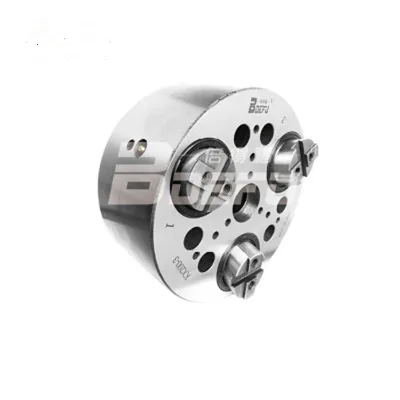


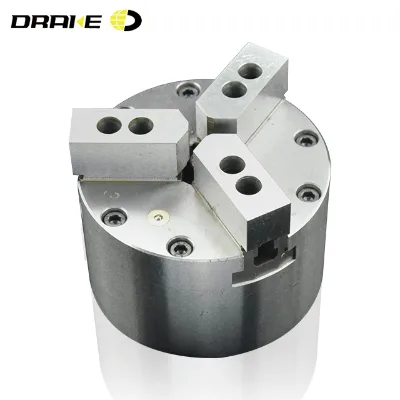
large bulk of products processing chucks 3 jaw closed-center oil pressure chuck
$592.26 - $1999.11
MOQ: 1 Minimum
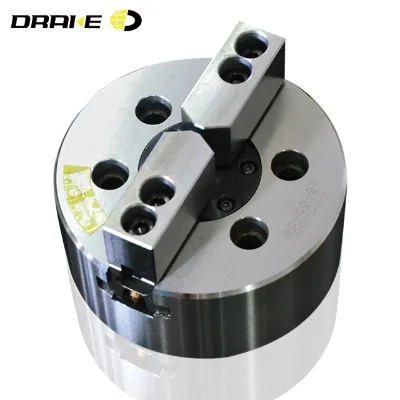
matching cylinder TK852 and gripping range 20-210mm 2 jaw oil pressure chuck
$756.35 - $2010.55
MOQ: 1 Minimum
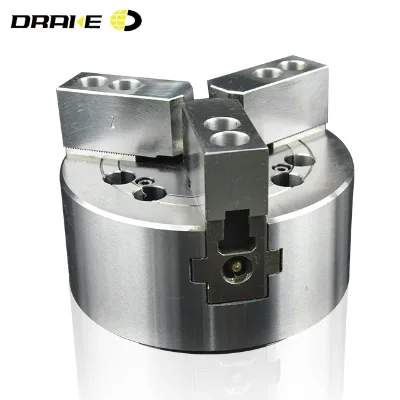
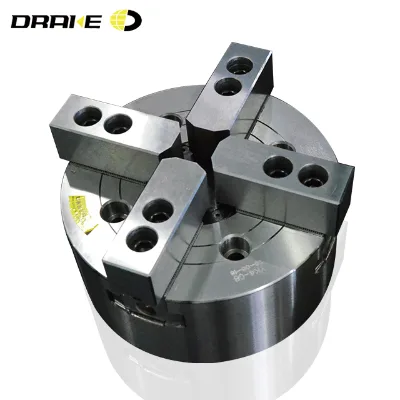
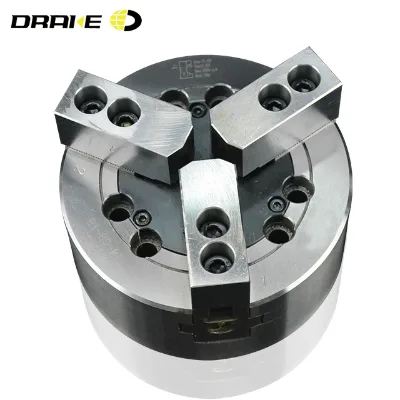
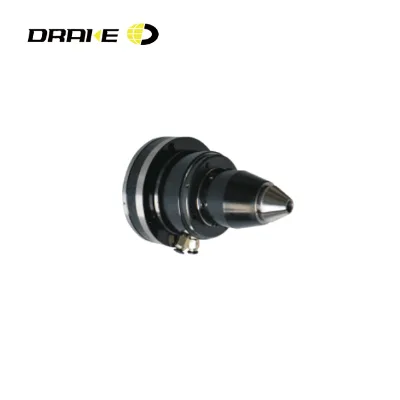


$80.00 - $3000.00
MOQ: 1 Pieces


High-Precision Durable Hydraulic Three-Jaw Chuck for CNC Machining
$13400.00 - $14500.00
MOQ: 1 Pieces


Hollow Rotary Cylinder 6-Inch 8-Inch 10-Inch Hydraulic Three-Jaw Chuck
$192.00 - $700.00
MOQ: 1 Pieces

Hollow Four-Jaw Hydraulic Chuck 5 Inch 6 Inch 8 Inch 10 Inch Hydraulic Large Hole Chuck
$214.00 - $1059.00
MOQ: 1 Pieces
Comprehensive Sourcing Guide
Oil Pressure Three-Jaw Chucks Sourcing Guide
Sourcing hydraulic three-jaw chucks requires a disciplined approach to technical verification and supplier qualification, as these components are critical for maintaining precision in CNC lathe operations. The market offers a diverse range of options, from solid chuck designs to through-hole configurations, each serving specific machining needs. Buyers must navigate a landscape where brand names, model numbers, and structural variations can be confusing without a clear understanding of the underlying mechanical principles. This guide provides a structured framework for evaluating these products, ensuring that procurement decisions are based on verified specifications rather than marketing claims.
The primary objective in sourcing these chucks is to align the tool’s capabilities with the specific demands of the production environment. Factors such as centering accuracy, gripping range, and power source compatibility are paramount. While many suppliers offer customization options, including logo printing and specific packaging, the core functionality must remain robust. This guide focuses on the essential technical and commercial criteria that define a reliable procurement strategy, helping buyers avoid common pitfalls associated with mismatched specifications or unverified supplier capabilities.
Product Scope and Observed Listing Signals
The current market for oil pressure three-jaw chucks presents a wide variety of listings, with observed price ranges extending from approximately $1 to over $14,500 USD. This significant variance reflects differences in build quality, brand reputation, and specific technical features such as jaw stroke and maximum pull force. Minimum order quantities (MOQs) are generally low, typically ranging from 1 to 10 units, which facilitates trial orders and small-batch procurement. Buyers should interpret these price points as indicators of product tier rather than absolute values, as final costs will depend heavily on customization, shipping terms, and volume discounts.
Listing signals reveal a mix of standardized and customized offerings, with many suppliers highlighting their ability to provide OEM services and customized packaging. Common attributes observed include solid chuck structures, 3-jaw configurations, and hydraulic power sources. Some listings also mention 4-jaw chucks or 2-jaw variants, indicating that suppliers often offer broader product lines beyond the core three-jaw hydraulic model. It is crucial to distinguish between the specific product being sourced and the supplier’s general catalog, ensuring that the selected item matches the exact requirements for jaw count, chuck diameter, and centering accuracy.
Technical Specifications to Verify
Centering accuracy is a critical performance metric for hydraulic chucks, with observed ranges typically falling between 0.02mm and 0.05mm. This level of precision is essential for high-tolerance machining operations, and buyers must verify that the specified accuracy aligns with their process capabilities. Additionally, the chuck diameter, often cited around 165mm or 6.5 inches, must be compatible with the lathe’s spindle and tooling setup. The model numbers, such as KX160-3 or YK2-08", serve as identifiers for these dimensions and structural types, so cross-referencing these codes with the supplier’s technical datasheets is necessary to confirm compatibility.
The hydraulic system’s performance characteristics, including jaw stroke and plunger stroke, directly impact clamping efficiency and cycle times. Observed jaw strokes for hydraulic chucks range from 7.4mm to 8.8mm, while plunger strokes can be around 25mm. These values determine how quickly the chuck can open and close, which is vital for high-volume production. Furthermore, the maximum pull force, observed at values like 2240 kgf or 3160 kg, indicates the chuck’s ability to secure heavy or irregularly shaped workpieces. Buyers should verify these forces against the weight and dynamics of their specific parts to prevent slippage or damage during operation.
Compliance and Safety Documentation
While specific certification statuses are not universally disclosed in all listings, buyers should request documentation that confirms adherence to relevant safety and quality standards. Some suppliers reference Chinese standards or German DIN standards, which may influence the design and manufacturing processes. It is important to verify whether the chucks meet the safety requirements of the destination country, particularly regarding electrical and hydraulic safety if the system is integrated into a larger CNC machine. Documentation should include material certificates, especially for stainless steel or steel components, to ensure durability and resistance to corrosion.
Warranty terms are another key aspect of compliance and risk management, with many suppliers offering a one-year warranty. This coverage typically includes defects in materials and workmanship, but buyers must clarify the scope of the warranty, including whether it covers hydraulic seals or internal mechanisms. Additionally, suppliers should provide clear instructions for installation and maintenance, which are crucial for ensuring long-term performance and safety. Buyers should also verify that the packaging details, such as carton or wooden case options, protect the chuck from damage during transit, which can affect its initial performance and safety.
Cost Drivers and Commercial Terms
The cost of hydraulic three-jaw chucks is influenced by several factors, including the material quality, brand name, and level of customization. Suppliers like Bdefu, IVY CNC, and DRAKE offer different product tiers, which can affect pricing. Customization options, such as logo printing or specific packaging, may incur additional charges. Buyers should also consider the supply ability, which is often listed as 1500-2000 sets per month, as this can impact lead times and pricing for larger orders. Understanding these cost drivers helps in negotiating better terms and avoiding unexpected expenses.
Commercial terms, including the port of dispatch and payment conditions, play a significant role in the total cost of ownership. Ports such as Changzhou, Shanghai, Shenzhen, or Xiamen are commonly mentioned, and the choice of port can affect shipping costs and transit times. Buyers should clarify whether the quoted price includes shipping, insurance, and customs duties, as these can significantly impact the final cost. Additionally, the selling unit is typically a single item, but bulk discounts may be available for larger orders. Clear communication of these terms ensures that the procurement process is transparent and cost-effective.
Supplier Qualification and Quality Control
Supplier qualification is essential for ensuring the reliability and consistency of hydraulic three-jaw chucks. Buyers should verify the supplier’s place of origin, with Jiangsu, China, being a common source for these products. This region is known for its manufacturing capabilities, but buyers must still conduct due diligence to assess the supplier’s production capacity and quality control processes. Requesting samples or conducting factory audits can provide valuable insights into the supplier’s ability to meet specifications and maintain consistent quality.
Quality control measures should include rigorous testing of the chucks’ performance, including centering accuracy, gripping force, and hydraulic system integrity. Buyers should ask for test reports or certification documents that verify these performance metrics. Additionally, suppliers should have a clear process for handling defects and returns, which is crucial for minimizing downtime in production. By prioritizing suppliers with robust quality control systems, buyers can reduce the risk of receiving substandard products and ensure long-term operational efficiency.
Long-Term Procurement Checks
Long-term procurement success depends on establishing a reliable supply chain and maintaining strong relationships with suppliers. Buyers should monitor the supplier’s supply ability and lead times to ensure that they can meet production demands without delays. Regular communication and feedback loops can help identify potential issues early and foster a collaborative partnership. Additionally, buyers should stay informed about market trends and technological advancements in hydraulic chuck technology, which can inform future procurement decisions and product upgrades.
Continuous evaluation of product performance and supplier reliability is crucial for maintaining high standards. Buyers should track metrics such as defect rates, warranty claims, and maintenance costs to assess the total cost of ownership. If issues arise, buyers should work with the supplier to resolve them promptly and implement corrective actions. By adopting a proactive approach to procurement, buyers can ensure that their hydraulic three-jaw chucks continue to meet the evolving needs of their machining operations, supporting sustained productivity and quality.
FAQs
What is the centering accuracy of these chucks?
The centering accuracy ranges from 0.02 to 0.05 mm for these solid chucks. This precision ensures stable workholding during machining operations on various lathe models.
Which materials are used to construct these chucks?
These chucks are constructed from stainless steel and steel materials. The robust construction supports high durability and resistance to wear during heavy industrial usage.
Can I request custom packaging for these items?
Custom packaging is available according to your specific requirements. Standard options include cartons, while specialized needs can be met with wooden cases or other customized services.
What is the maximum pull force of the hydraulic chucks?
The maximum pull force reaches up to 3160 kg for through-hole hydraulic lathes chucks. This high force capability ensures secure gripping of workpieces during demanding machining tasks.
How long is the warranty period for these products?
The warranty period is one year for these hydraulic and solid chucks. This coverage provides assurance against manufacturing defects and ensures reliability for your initial production cycles.
Which ports are used for dispatching these chucks?
Dispatch occurs from Changzhou, Shanghai, Shenzhen, or Xiamen ports. These locations offer flexible logistics options to facilitate efficient shipping to international buyers across different regions.
What is the supply ability for these hydraulic chucks?
The supply ability is 1500 to 2000 sets per month. This capacity ensures consistent availability to meet bulk orders and maintain steady production schedules for your manufacturing needs.