Source Orange Pi CM5 Compute Module for IoT, AI, and Edge Devices
Explore 30 listings for the Orange Pi CM5 Compute Module featuring the Rockchip RK3588s chipset and up to 16GB RAM. Buyers can compare specifications like memory capacity, power input, and PCB dimensions to select the right single-board computer for industrial and embedded projects.
Key considerations
Products List


Orange Pi A5 I96 Development Board WiFi+Bluetooth Programming Microcontroller
$24.00 - $28.50
MOQ: 10 Pieces





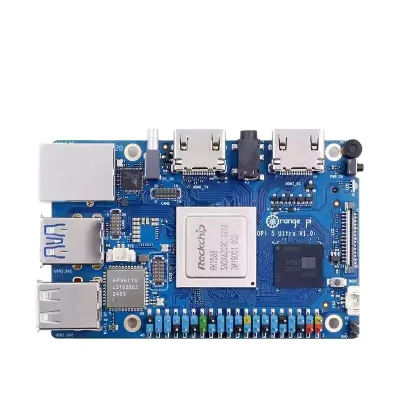
Comprehensive Sourcing Guide
Strategic Sourcing Guide for Orange Pi CM5 Compute Modules
Technical Architecture and Core Specifications
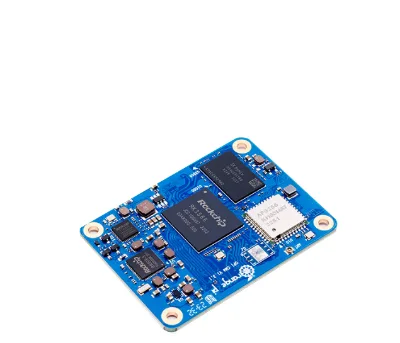
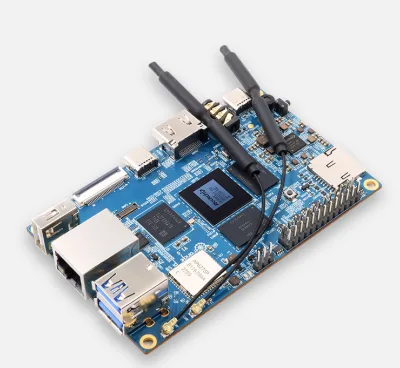
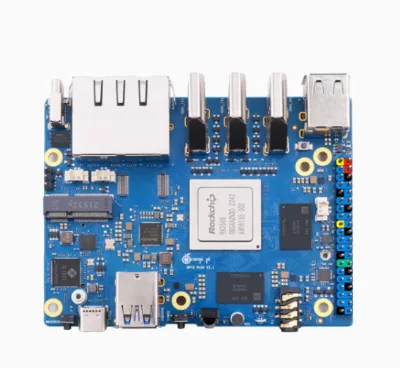
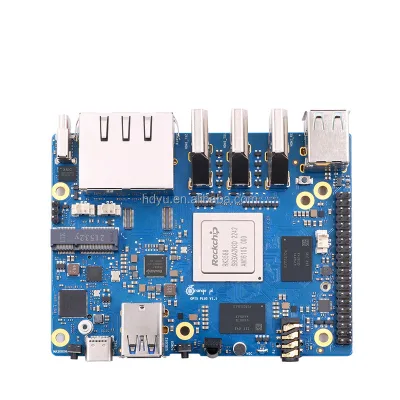
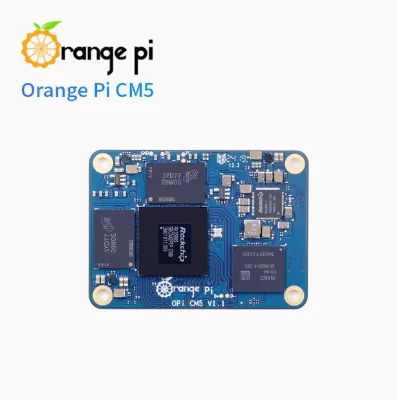
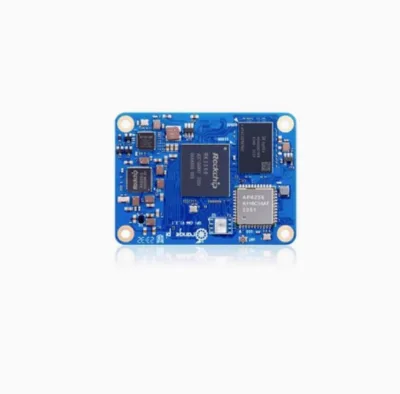
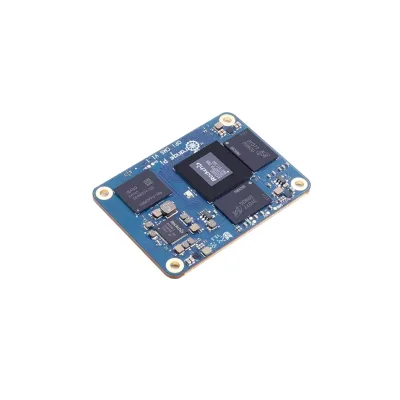
The Orange Pi Compute Module 5 (CM5) represents a significant evolution in single-board computer (SBC) architecture, designed specifically for industrial and embedded applications where space and power efficiency are paramount. At the heart of this module lies the Rockchip RK3588s chipset, fabricated using an advanced 8nm Low Power (Lp) process. This semiconductor process is critical for balancing high-performance computing with thermal management, allowing the module to handle complex workloads without excessive heat generation. The chipset supports a flexible memory configuration, offering options for 4GB, 8GB, or 16GB of LPDDR4/4X RAM. This range of memory capacities allows procurement teams to select the optimal balance between performance and cost based on specific application requirements.
Storage capabilities are defined by an integrated 32GB eMMC flash memory, providing a reliable, non-volatile storage solution for operating systems and application data. The power management unit (PMU) is identified as the RK806-1, which regulates the power distribution across the system. The module accepts a DC 5V input with a maximum current draw of 1800mA, ensuring compatibility with standard 5V power supplies while maintaining efficiency. Power output capabilities are also notable, with the module capable of delivering DC 3.3V at up to 600mA and DC 1.8V at up to 600mA, facilitating the connection of peripheral components directly from the module.
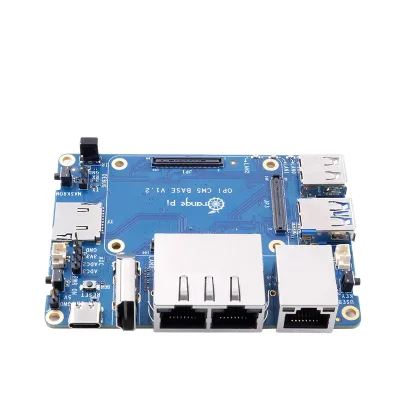
The physical form factor is compact, measuring 55mm by 40mm, with a total weight of approximately 12 grams. This small footprint is achieved through a multilayer PCB design, which is essential for maintaining signal integrity in high-speed data transmission environments. The module utilizes a Surface Mount Technology (SMT) mode of production, ensuring high precision in component placement and assembly. The base material of the PCB is certified to meet FR standards, which is a critical factor for fire safety and thermal stability in electronic assemblies.
Compliance, Certification, and Material Standards
When sourcing the Orange Pi CM5, verifying compliance with international safety and environmental standards is a non-negotiable step for B2B procurement. The product documentation indicates that the base material carries certifications for RoHS (Restriction of Hazardous Substances), CCC (China Compulsory Certification), and ISO standards. These certifications are vital for ensuring that the components do not contain restricted hazardous materials and meet quality management system requirements. However, buyers must exercise caution and verify that the specific batch or supplier lot holds valid, current certification documents, as compliance status can vary between production runs.
The PCB construction adheres to FR-certification standards, which relate to the flame-retardant properties of the laminate material used. This is particularly important for applications in industrial environments where fire safety is a primary concern. The product is described as "Customized," suggesting that the manufacturer offers flexibility in branding or minor configuration changes, but the core compliance attributes must remain consistent. The origin of the product is listed as China (Cn), with a specific place of origin noted as Guangdong, China, a region known for its dense electronics manufacturing ecosystem.
Buyers should also note the packaging standards. The product is typically shipped in a PP (Polypropylene) bag, which provides basic protection against static and physical damage during transit. For sensitive industrial deployments, additional anti-static packaging or custom cases may be required. The standard weight listed in some contexts is 12g, while other references mention 30g or 68g, likely referring to different module variants or packaging weights. Procurement teams must clarify the exact weight specifications for the specific SKU to ensure accurate logistics planning and shipping cost calculations.
Cost Drivers and Pricing Dynamics
The pricing for the Orange Pi CM5 is influenced by several dynamic factors, including the selected RAM configuration, order volume, and supply chain logistics. The observed price range in the market spans from $0.01 to $630, a wide variance that reflects differences in configuration, packaging, and the inclusion of accessories or development kits. The Minimum Order Quantity (MOQ) typically ranges from 1 to 50 units, offering flexibility for prototyping and small-batch production, though larger volumes may yield better unit economics.
The primary cost driver is the memory capacity. The choice between 4GB, 8GB, and 16GB LPDDR4/4X significantly impacts the final price. Higher memory configurations command a premium due to the cost of the semiconductor components. Additionally, the Rockchip RK3588s chipset itself is a high-performance component, and its availability can fluctuate based on global semiconductor supply constraints. Buyers should anticipate that lead times and pricing may vary depending on the current market availability of the 8nm process chips.
Shipping costs are another variable, with options including DHL, UPS, FedEx, EMS, and HK Post. The choice of shipping method affects the total landed cost and delivery speed. For urgent procurement needs, expedited shipping may be necessary, while bulk orders might benefit from slower, more economical freight options. The "Customized" nature of the product also implies that any specific branding or packaging requests could incur additional setup fees or per-unit costs.
Typical Applications and Use Cases
The Orange Pi CM5 is engineered for a diverse range of applications, leveraging its high-performance Rockchip RK3588s processor and flexible I/O capabilities. Its compact 55x40mm form factor makes it ideal for embedded systems where space is at a premium. Common use cases include industrial automation, where the module can serve as the central controller for machinery or monitoring systems. The ability to handle complex computations makes it suitable for edge computing applications, such as video analytics, smart city infrastructure, and IoT gateways.
The module's power output capabilities (DC 3.3V and DC 1.8V) allow it to directly power various sensors and peripherals, reducing the need for external power regulation circuits in the final product design. This integration simplifies the Bill of Materials (BOM) and reduces the overall size of the end product. The support for Wi-Fi 5 and Bluetooth 5.0 in related Orange Pi modules, while not explicitly detailed for the CM5 in all contexts, suggests a strong potential for wireless connectivity in applications requiring remote monitoring or data transmission.
Furthermore, the module's compatibility with open-source software environments makes it a preferred choice for developers and researchers. It serves as a robust platform for prototyping and deploying custom applications in fields such as robotics, digital signage, and medical devices. The "ARM" demo board type and standard dimensions indicate a high degree of compatibility with existing development ecosystems, facilitating faster time-to-market for new products.
Supplier Evaluation and Quality Control
Selecting the right supplier for the Orange Pi CM5 requires a rigorous evaluation process focused on reliability, quality control, and after-sales support. Buyers should verify that the supplier is an authorized distributor or has a direct relationship with the manufacturer to ensure product authenticity. The presence of CCC and RoHS certifications should be confirmed through valid documentation for each shipment. It is essential to request test reports or batch-specific quality certificates to ensure that the modules meet the specified performance standards.
Quality control measures should include visual inspection of the PCB for soldering defects, verification of component placement, and functional testing of the power input and output rails. The supplier should provide a clear return policy and warranty terms, particularly for electronic components that may be sensitive to handling errors. Given the "Customized" nature of the product, buyers must ensure that the supplier has the capability to maintain consistency across different production runs, especially if specific branding or packaging modifications are required.
Buyers should also assess the supplier's logistics capabilities. The ability to ship via reliable carriers like DHL, UPS, or FedEx is crucial for maintaining supply chain integrity. Lead times should be clearly defined, and the supplier should have contingency plans for potential supply chain disruptions. The origin of the product, specifically Guangdong, China, should be verified to ensure that the manufacturing processes align with the buyer's ethical and quality standards.
Long-Term Procurement Considerations
Sourcing the Orange Pi CM5 involves long-term strategic planning to ensure supply chain stability and product longevity. The 8nm process used in the RK3588s chipset is a cutting-edge technology, and buyers should consider the long-term availability of replacement parts and technical support. As the technology evolves, the supplier should be able to provide guidance on future upgrades or compatible modules. The "Single Board Computer" classification indicates that the module is designed for integration into larger systems, and buyers should plan for the lifecycle of the end product, including potential obsolescence.
Procurement teams should also consider the environmental impact of the product. The use of RoHS-compliant materials and FR-certified PCBs aligns with global sustainability goals, but buyers should verify that the packaging and shipping methods also adhere to environmental standards. The "Original Pack" designation suggests that the product is shipped in its manufacturer-approved packaging, which is important for maintaining warranty coverage and product integrity.
Finally, buyers should establish a long-term relationship with the supplier to secure better pricing and priority support. Regular communication regarding market trends, supply chain updates, and technological advancements will help the buyer stay ahead of potential disruptions. By focusing on these long-term considerations, organizations can ensure a stable and efficient supply of Orange Pi CM5 modules for their critical applications.
FAQs
What is the RAM capacity of the Orange Pi CM5?
The Orange Pi CM5 offers 4GB, 8GB, or 16GB of LPDDR4/4X RAM. This flexible configuration allows buyers to select the optimal balance between performance and cost based on specific application requirements.
Which chipset powers the Orange Pi CM5 Compute Module?
The module is powered by the Rockchip RK3588s chipset. This processor is fabricated using an advanced 8nm Low Power process to balance high performance with effective thermal management.
How much storage does the Orange Pi CM5 include?
The Orange Pi CM5 includes 32GB of integrated eMMC flash memory. This provides a reliable non-volatile storage solution for operating systems and application data without requiring external drives.
Can the Orange Pi CM5 support custom branding requests?
Yes, the product is listed as customized to allow for branding or minor configuration changes. Buyers should verify that core compliance attributes remain consistent across different production runs.
What certifications apply to the Orange Pi CM5 base material?
The base material carries RoHS, CCC, and ISO certifications. These ensure the components do not contain restricted hazardous materials and meet quality management system requirements for safety.
What is the physical weight of the Orange Pi CM5 module?
The Orange Pi CM5 module weighs approximately 12 grams. This compact weight is achieved through a multilayer PCB design suitable for space-constrained embedded systems.
Which power input specifications does the Orange Pi CM5 require?
The module requires a DC 5V input with a maximum current draw of 1800mA. It also provides power outputs of DC 3.3V and DC 1.8V, each capable of up to 600mA.