Source Organic Cream Facial Cleanser for Deep Cleansing, Firming, and Moisturizing
Compare 30 Organic Cream Facial Cleanser options from verified Chinese manufacturers. These products feature deep cleansing, firming, and moisturizing benefits for all skin types with customizable packaging and OEM services; compare the available evidence and request quotations based on your requirements.
Updated
Key considerations
Products List
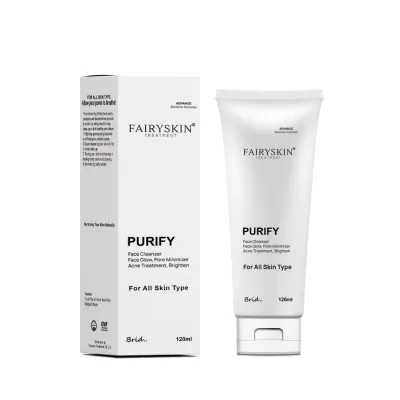
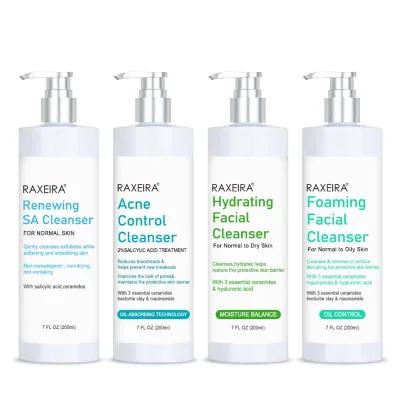
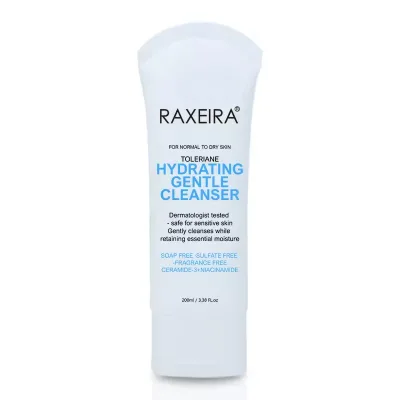
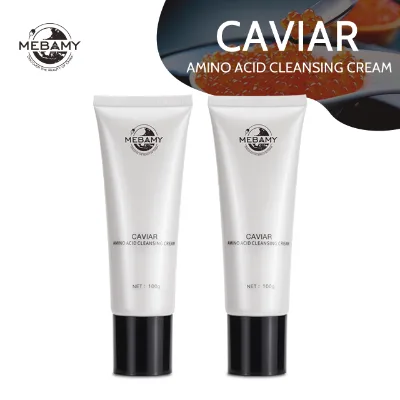




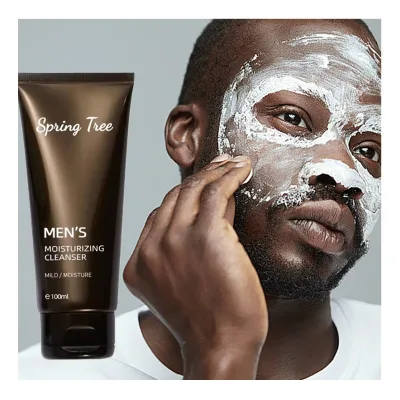
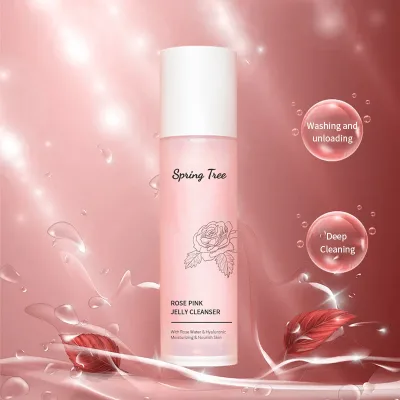
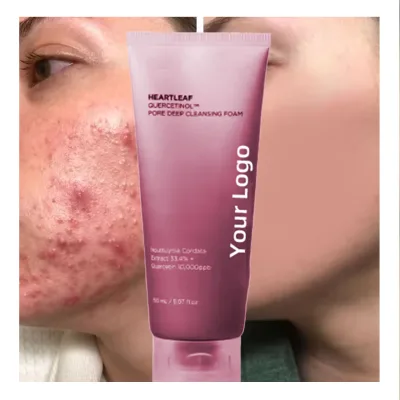


Comprehensive Sourcing Guide
Organic Cream Facial Cleanser Sourcing Guide
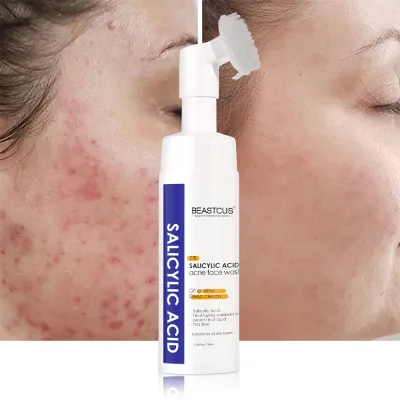
Sourcing organic cream facial cleansers requires a disciplined approach to verifying ingredient integrity and manufacturing standards. Buyers must prioritize suppliers who demonstrate transparency in their supply chain, particularly regarding the sourcing of key botanicals like aloe vera and coconut derivatives. The market offers various formulations, including those with salicylic acid for acne control or gentle exfoliants for daily use. Understanding these distinctions is critical for aligning product selection with target demographic needs, whether focusing on adult skincare or broader age groups.
Procurement teams should evaluate the balance between private label flexibility and standardized quality. Many manufacturers offer OEM and ODM services, allowing brands to customize packaging and specific functional attributes such as deep cleansing or pore shrinking capabilities. However, customization must not compromise the core organic certification or safety profiles. Buyers need to ensure that the "natural" or "organic" claims are backed by verifiable documentation, avoiding products that rely solely on marketing terminology without substantive ingredient backing or third-party validation.
Product Scope and Observed Listing Signals
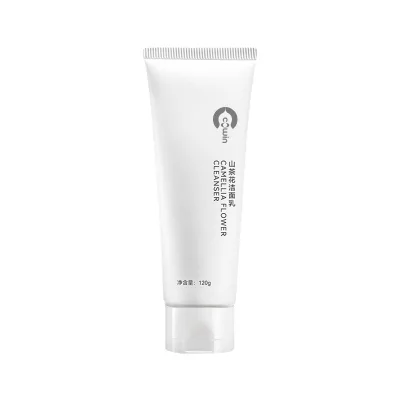
The current market landscape for organic facial cleansers reveals a diverse range of product types, primarily centered around cream and lotion formulations. Observed listings indicate a strong emphasis on multi-functional benefits, including deep cleansing, firming, lightening, and moisturizing properties. Key ingredients frequently highlighted include aloe vera juice, coconut derivatives, and saponified extra virgin olive oil, alongside active components like salicylic acid for targeted acne control. These formulations are generally designed for all skin types, with specific variants catering to female demographics or general adult use.
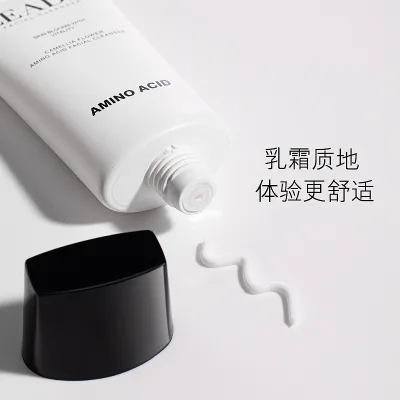
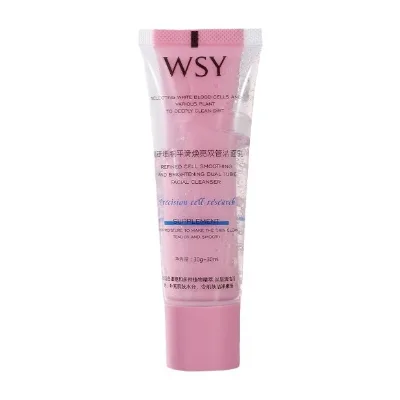
Volume and packaging specifications vary significantly across suppliers, with common sizes ranging from 100g to 200ml, often customizable to meet brand requirements. The physical attributes of these products, such as white cream consistency or fresh natural fragrances, are standard observations in the sector. Buyers should note that while many products claim vegan and cruelty-free status, the actual presence of these attributes must be confirmed through direct supplier inquiry. The observed price range and minimum order quantities suggest a market segmented by both budget-conscious private labels and premium, small-batch organic brands.
Technical Specifications to Verify
Technical verification begins with confirming the physical and chemical properties of the cleanser, such as viscosity, pH balance, and emulsion stability. Buyers must request detailed product data sheets that specify the exact concentration of active ingredients, such as salicylic acid or natural exfoliants, to ensure efficacy and safety. The form of the product, whether cream or lotion, should align with the intended user experience and packaging compatibility. Additionally, verifying the single package dimensions and gross weight is essential for logistics planning and shelf-space optimization in retail environments.
Shelf life and storage conditions are critical technical parameters that impact inventory management and product longevity. Most observed products carry a three-year shelf life, but this can vary based on the preservative system and organic ingredient stability. Buyers should verify the recommended storage temperature and humidity levels to prevent degradation of natural oils or botanical extracts. Furthermore, understanding the customization options for volume and packaging materials is vital for brands seeking unique market positioning, ensuring that the technical specifications support both product performance and brand identity.
Compliance and Safety Documentation
Compliance with international manufacturing standards is non-negotiable for organic skincare products. Buyers must verify that suppliers hold relevant certifications such as GMPC, ISO 22716, FDA, and GMP, which indicate adherence to good manufacturing practices. These certifications ensure that the production environment is controlled and that the final product meets safety and quality benchmarks. Additionally, the availability of Material Safety Data Sheets (MSDS) and Certificates of Analysis (COA) is essential for verifying ingredient purity and regulatory compliance in target markets.
Beyond manufacturing certifications, buyers should scrutinize the ethical and environmental claims associated with the product. Claims of being vegan, cruelty-free, and organic require substantiation through recognized standards or third-party audits. Suppliers should provide clear documentation proving that no animal testing was involved and that organic ingredients are sourced from certified farms. This due diligence protects brands from reputational risks and ensures that the product aligns with the values of environmentally conscious consumers who prioritize ethical sourcing in their purchasing decisions.
Cost Drivers and Commercial Terms
Cost structures for organic facial cleansers are influenced by ingredient quality, certification fees, and customization levels. Premium organic ingredients, such as cold-pressed oils and certified botanical extracts, significantly drive up the base cost compared to synthetic alternatives. Buyers should analyze the cost breakdown to understand the proportion attributed to raw materials versus manufacturing and packaging. Minimum order quantities (MOQs) typically range from 144 to 10,000 pieces, impacting the initial capital outlay and inventory risk for new brands entering the market.
Commercial terms, including payment structures and lead times, vary widely among suppliers. Buyers must negotiate clear terms for sample orders, which are often offered to verify product quality before committing to bulk production. Customization of packaging and private labeling services may incur additional setup fees or higher per-unit costs. It is crucial to clarify whether the quoted prices include shipping, taxes, and duties, as these factors can substantially affect the landed cost. Transparent communication regarding these commercial terms helps in accurate budgeting and prevents unexpected expenses during the procurement process.
Supplier Qualification and Quality Control
Supplier qualification involves a thorough assessment of their manufacturing capabilities, quality control systems, and track record. Buyers should request factory audits or third-party inspection reports to verify the integrity of the production facility. Key areas of focus include raw material storage, production line hygiene, and finished product testing protocols. Suppliers with robust quality control measures are more likely to deliver consistent product quality, reducing the risk of batch failures or customer complaints.
Establishing a clear quality assurance protocol is essential for maintaining product standards over time. Buyers should define acceptable tolerance levels for physical attributes such as color, fragrance, and texture. Regular sampling and testing of incoming shipments are recommended to ensure compliance with agreed-upon specifications. Additionally, suppliers should provide a clear process for handling non-conforming products, including return policies and corrective action plans. Building a strong relationship with a reliable supplier ensures long-term stability and supports the brand’s reputation for quality and consistency.
Long-Term Procurement Checks
Long-term procurement success depends on continuous monitoring of supplier performance and market trends. Buyers should establish key performance indicators (KPIs) to track delivery times, product quality, and responsiveness to issues. Regular reviews of supplier certifications and compliance status are necessary to ensure ongoing adherence to regulatory requirements. Staying informed about changes in organic standards and consumer preferences allows brands to adapt their product offerings and maintain competitive advantage in the evolving skincare market.
Supply chain resilience is another critical aspect of long-term procurement. Buyers should diversify their supplier base to mitigate risks associated with raw material shortages or geopolitical disruptions. Developing contingency plans for alternative sourcing options ensures business continuity in case of primary supplier failures. Furthermore, fostering open communication with suppliers facilitates collaborative problem-solving and innovation. By prioritizing these long-term checks, brands can build a sustainable and reliable supply chain that supports growth and meets the evolving needs of their customers.
FAQs
What certifications do the organic cream facial cleansers have?
The products hold GMPC, ISO22716, MSDS, and COA certifications. Some listings also include FDA and GMP approvals. These documents verify safety and manufacturing standards for all skin types and adult age groups.
Can I customize the packaging and volume for this cleanser?
Yes, customized packaging and volume options are available for this facial cleanser. Buyers can select from 100g, 120ml, or 200ml sizes. The product supports OEM and ODM private label services to meet specific brand requirements.
What is the minimum order quantity for private label orders?
The minimum order quantity is typically 1000 pieces for private label orders. Some suppliers may require up to 10000 units depending on the specific customization needs. This ensures efficient production runs for bulk buyers.
Which ingredients are used in the deep cleansing cream formula?
Key ingredients include aloe vera juice, coconut, corn glucose, and extra virgin olive oil. Some variants feature salicylic acid for acne control. The formulas are designed to be gentle, non-drying, and suitable for all skin types.
How long is the shelf life of the organic facial cleanser?
The shelf life is three years from the date of manufacture. This duration applies to the cream form stored under proper conditions. The product maintains its efficacy for moisturizing, firming, and pore cleaning throughout this period.
Where are these organic cream facial cleansers manufactured?
Manufacturing takes place in Guangdong and Suzhou, Jiangsu, China. These locations serve as the primary origins for the supplied products. Buyers can expect consistent quality control from these established production centers in China.
Are samples available for testing the organic cleanser quality?
Samples are offered to potential buyers for quality testing. This allows clients to verify the cream texture, fragrance, and cleansing performance before placing bulk orders. The sample process supports the OEM and ODM private label service model.