Source Organic Herbal Booty Plumping Mask for Body Care
Find 29 Organic Herbal Booty Plumping Mask options from China. Compare OEM/ODM suppliers offering mud formulations with natural ingredients like jojoba oil and aloe vera. Review specs for moisturizing and firming benefits tailored for all skin types; compare the available evidence and request quotations based on your requirements.
Updated
Key considerations
Products List
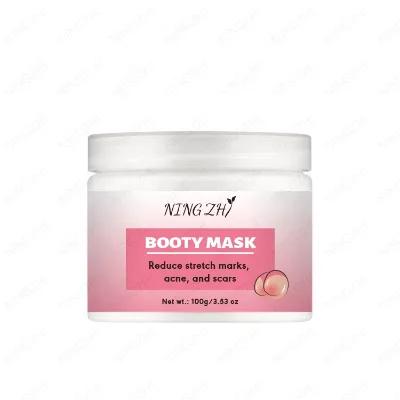
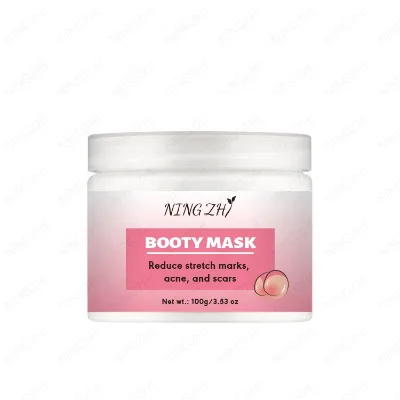
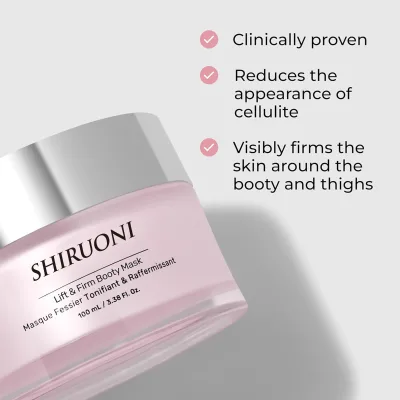
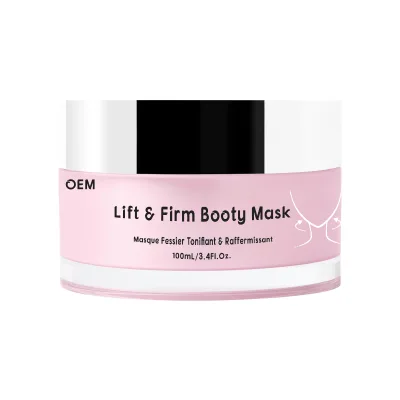
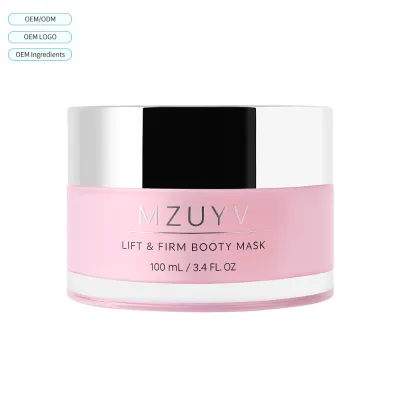
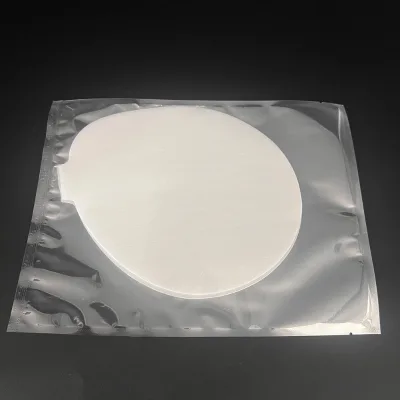
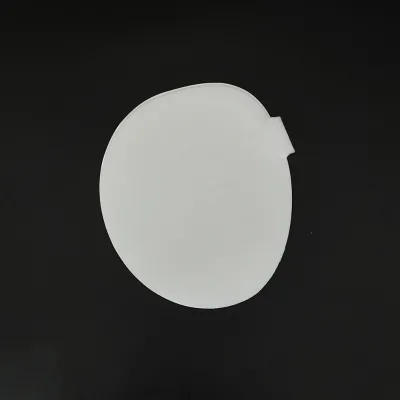
Hot Selling 100g Booty Plumping Mask Herbal Nourishing and Shaping Body Nask
$2.603 - $2.8903
MOQ: 1000 pieces

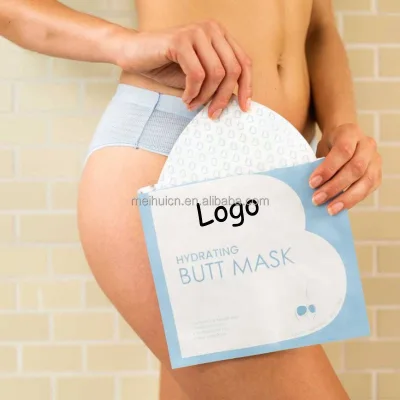
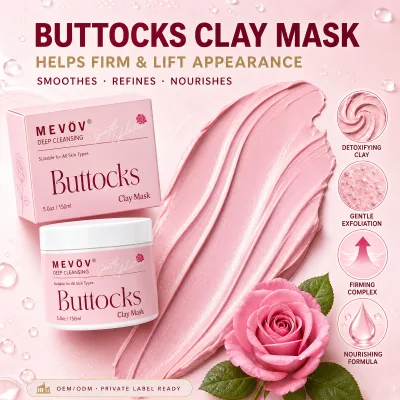
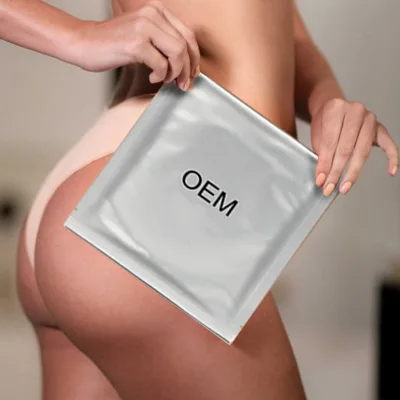
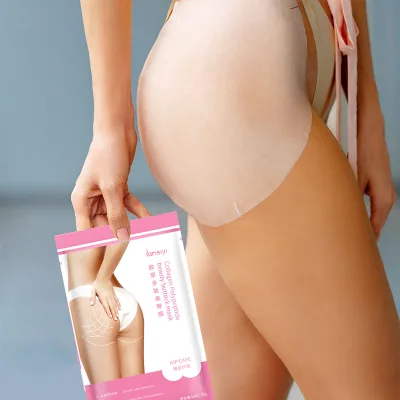



Comprehensive Sourcing Guide
Organic Herbal Booty Plumping Mask Sourcing Guide
Sourcing organic herbal booty plumping masks requires a disciplined approach to verifying ingredient integrity and formulation efficacy. Buyers must prioritize suppliers who explicitly disclose natural components such as jojoba oil, aloe vera, shea butter, and vitamin E, which are commonly cited in current market listings. The presence of witch hazel and clay further suggests a focus on skin revitalization and firming, aligning with the core keyword’s promise of plumping and nourishing effects. Procurement teams should scrutinize product descriptions to ensure that "organic" and "herbal" claims are substantiated by transparent ingredient lists rather than vague marketing terminology.
Commercial viability depends heavily on understanding the customization landscape, as many manufacturers offer OEM and ODM services for private labeling. The observed market indicates a high acceptance of customized branding, including logo application with matt varnish finishes and tailored fragrance profiles like peach, berry, or rose. Buyers should evaluate whether the supplier’s flexibility in volume, color, and scent customization aligns with their target demographic’s preferences. This level of personalization is critical for differentiating products in a competitive beauty market, where unique sensory experiences and brand identity drive consumer loyalty and repeat purchases.
Product Scope and Observed Listing Signals
The current product landscape for booty masks reveals a diverse range of formulations designed for home use, primarily targeting female consumers seeking body care solutions. Listings frequently highlight attributes such as moisturizing, lifting, and firming capabilities, which are essential for addressing cellulite and skin texture concerns. The mask form is predominantly described as mud or cream, with available quantities suggesting a robust supply chain capable of handling bulk orders. Buyers should note that while many products claim to be paraben-free, silicone-free, and sulfate-free, these are often presented as standard features rather than unique selling points, requiring deeper verification of actual composition.
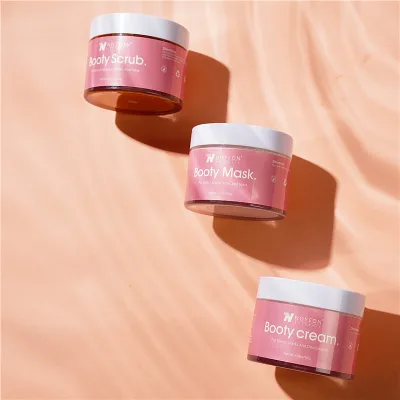
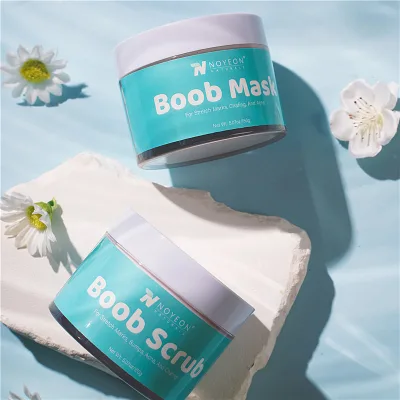
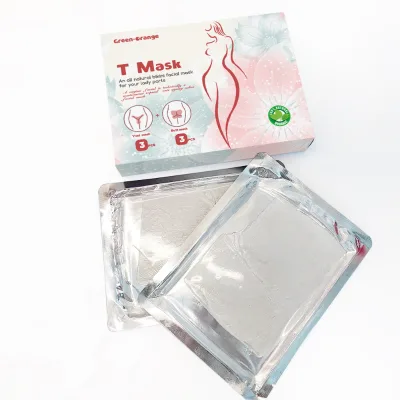
Observations indicate that product names vary, with terms like "Booty Mask," "Cellulite Booty Mask Cream," and "Boob Mask" appearing interchangeably. This inconsistency necessitates careful keyword matching during supplier searches to ensure relevance. The visual presentation of these products often includes vibrant colors such as pink, purple, orange, and yellow, which may appeal to specific aesthetic preferences. Additionally, the inclusion of natural herbs and 100% natural herb ingredients suggests a growing consumer demand for clean beauty products. Procurement specialists must align their sourcing strategies with these observed trends to meet market expectations for both efficacy and natural composition.
Technical Specifications to Verify
Technical verification begins with assessing the physical dimensions and packaging efficiency of the product. Standard single package sizes observed in the market range from 5x5x5 cm to 5x5x6 cm, which impacts shipping costs and storage logistics. Buyers should confirm the single gross weight, which typically falls between 0.26 kg and 0.500 kg, to accurately calculate freight expenses and warehouse requirements. The net weight options, including 100 mL, 200 mL, and 300 mL, provide flexibility for different consumer segments, from trial sizes to family packs. Understanding these specifications is crucial for optimizing the supply chain and ensuring that the final product meets retail shelf standards.
Model numbers and shelf life are also critical technical parameters that require confirmation. A common model identifier, such as NZBM01, helps in tracking specific formulations and batch consistency. The shelf life is generally stated as three years, providing ample time for distribution and retail turnover. Buyers must verify that the product’s stability remains intact throughout this period, especially given the natural ingredients involved. Additionally, the formulation type, whether mud or cream, affects the user experience and application method. Ensuring that the technical specifications align with the intended usage scenario is vital for maintaining product performance and customer satisfaction.
Compliance and Safety Documentation
Regulatory compliance is a non-negotiable aspect of sourcing beauty products, particularly those marketed as organic and herbal. Suppliers should provide valid certifications such as MSDS, GMPC, and ISO, which indicate adherence to international manufacturing and safety standards. These documents are essential for verifying that the production processes meet quality control requirements and that the final product is safe for consumer use. Buyers must request and review these certificates to ensure that the supplier maintains a compliant manufacturing environment. Failure to verify these credentials can expose the buyer to significant legal and reputational risks in regulated markets.
In addition to manufacturing certifications, ingredient safety and ethical sourcing practices must be evaluated. Products claiming to be vegan, cruelty-free, and gluten-free require substantiation through supplier declarations or third-party audits. The use of natural ingredients like jojoba oil and aloe vera should be accompanied by evidence of sustainable sourcing to align with eco-friendly brand values. Buyers should also inquire about the supplier’s approach to allergen management and potential cross-contamination risks. Ensuring that all safety documentation is up-to-date and comprehensive is crucial for protecting consumers and maintaining brand integrity in the global marketplace.
Cost Drivers and Commercial Terms
Cost structures for organic herbal booty masks are influenced by several key factors, including raw material quality, customization complexity, and order volume. The minimum order quantity (MOQ) typically ranges from 10 to 10,000 pieces, with a common baseline of 1,000 pieces for customized orders. Buyers should negotiate terms that allow for flexibility in MOQ to accommodate initial market testing and subsequent scaling. The price range observed in the market is approximately $0.29 to $14 per unit, reflecting variations in ingredient sophistication and packaging design. Understanding these cost drivers helps in budgeting and forecasting profit margins accurately.
Commercial terms also encompass sample availability and delivery timelines. Suppliers often welcome sample testing, with sample times ranging from 3 to 7 days, allowing buyers to evaluate product quality before committing to large orders. Delivery methods may vary, with some suppliers listing pending delivery options, which requires clear communication to avoid supply chain disruptions. Buyers should establish clear agreements on payment terms, shipping responsibilities, and return policies for defective goods. Transparent commercial terms are essential for building a reliable partnership and ensuring smooth transaction processes throughout the procurement lifecycle.
Supplier Qualification and Quality Control
Supplier qualification involves a thorough assessment of manufacturing capabilities and quality assurance protocols. Buyers should prioritize suppliers who demonstrate a strong commitment to eco-friendly and soft comfort attributes, as these align with current consumer preferences. The acceptance of OEM and ODM services indicates a supplier’s flexibility and expertise in customizing products to meet specific brand requirements. It is advisable to conduct on-site audits or request detailed facility reports to verify production standards and hygiene practices. This due diligence helps mitigate risks associated with inconsistent product quality and manufacturing defects.
Quality control measures should be explicitly defined in the procurement agreement, including inspection criteria and acceptance thresholds. Buyers must ensure that the supplier implements rigorous testing procedures for each batch, particularly for natural ingredients that may vary in potency. The availability of 1,000 units in stock suggests a ready-to-ship capability, but buyers should still verify inventory management practices to prevent stockouts. Establishing a clear feedback loop for quality issues is essential for continuous improvement. By focusing on supplier qualification and robust quality control, buyers can ensure that the final product meets their brand’s standards for excellence and safety.
Long-Term Procurement Checks
Long-term procurement success depends on establishing ongoing performance metrics and relationship management strategies. Buyers should regularly review supplier performance against key indicators such as delivery reliability, product consistency, and responsiveness to issues. The dynamic nature of the beauty market requires adaptability, so maintaining open communication channels with suppliers is crucial for addressing emerging trends and consumer demands. Regular audits and performance reviews help identify areas for improvement and ensure that the supplier remains aligned with the buyer’s strategic goals. This proactive approach fosters a resilient supply chain capable of withstanding market fluctuations.
Additionally, buyers should monitor regulatory changes and industry standards that may impact product compliance and sourcing strategies. Staying informed about new certification requirements or ingredient restrictions ensures that the product line remains compliant and competitive. Building a diversified supplier base can also mitigate risks associated with single-source dependencies. By continuously evaluating and optimizing the procurement process, buyers can maintain a high standard of product quality and service. Long-term checks are not just about risk management but also about seizing opportunities for innovation and growth in the organic herbal beauty sector.
FAQs
What are the main ingredients in this organic herbal booty mask?
The mask features Jojoba Oil, Aloe Vera, Shea Butter, Vitamin E, and Witch Hazel. It also includes Clay and 100% Natural Herbs. These components provide nourishing, moisturizing, and firming benefits for all skin types. The formulation is paraben-free, silicone-free, and vegan, ensuring a safe and effective treatment for body care routines.
Can I customize the brand and packaging for this booty mask?
Yes, OEM and ODM services are highly accepted for this product. You can customize the brand name, logo with matt varnish, and volume options like 100g or 200g. Fragrances such as Peach, Berry, or Rose are available. Colors like Pink or Yellow can be selected to match your specific branding requirements and market preferences.
What is the minimum order quantity for this organic mask?
The standard MOQ is 1000 pieces, though customized quantities are accepted. This flexibility allows buyers to test the market with smaller initial orders. The product is available in single item selling units, making it easy to manage inventory. Buyers should confirm specific MOQ terms with suppliers to ensure alignment with their procurement needs.
Which certifications does this booty mask product hold?
The product holds MSDS, GMPC, and ISO certifications. These credentials ensure compliance with international safety and quality standards for cosmetic manufacturing. The formulation is also cruelty-free and gluten-free, appealing to ethical consumers. Buyers can rely on these documented standards to verify product safety and regulatory compliance for their target markets.
How long is the shelf life of this herbal booty mask?
The shelf life is three years from the date of manufacture. This duration ensures product stability and efficacy for buyers and end-users. The mask is stored in single packages with specific dimensions, protecting the natural ingredients. Buyers should check production dates upon receipt to maximize the usable period for their inventory and sales channels.
What are the available fragrance options for this body mask?
Fragrance options include Peach, Berry, Rose, Aloe, Lavender, Lemon, Strawberry, and Jasmine. Customized scents are also available to suit specific brand identities. These natural smells enhance the user experience while providing nourishing benefits. Buyers can select from these options or request custom formulations to differentiate their product in the global market.