Source Organic Mushroom Coffee Powder for Energy and Wellness
Explore 30 listings for Organic Mushroom Coffee Powder from verified suppliers. Buyers can compare specifications like extraction ratios, packaging options, and certifications to find the right fit for health food applications.
Key considerations
Products List
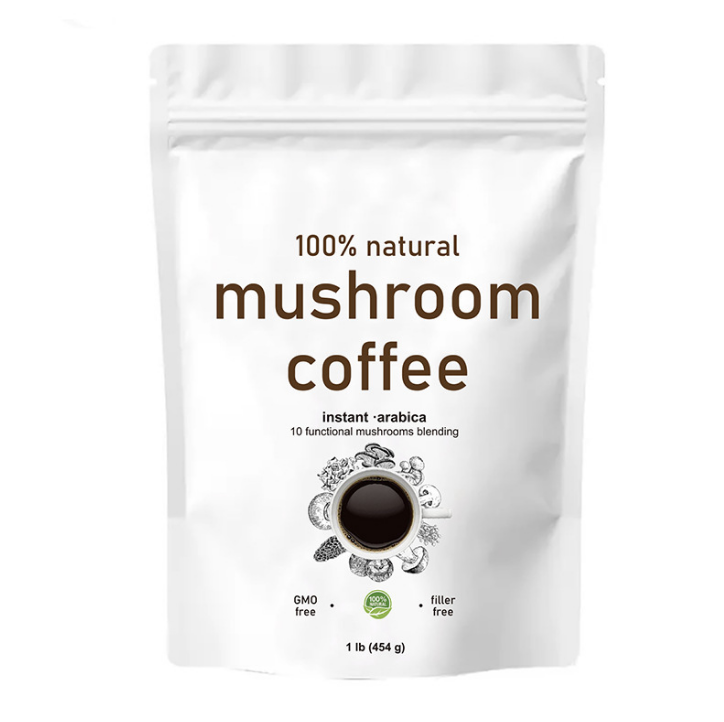
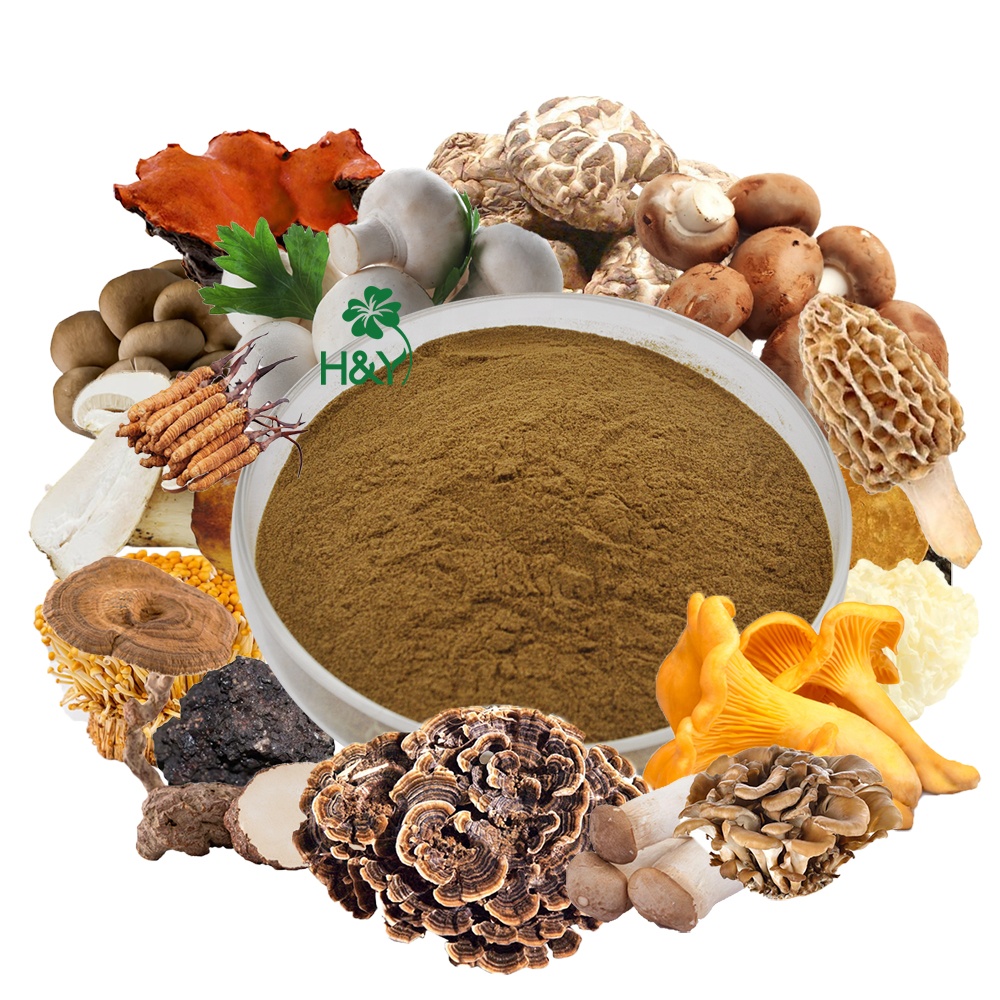
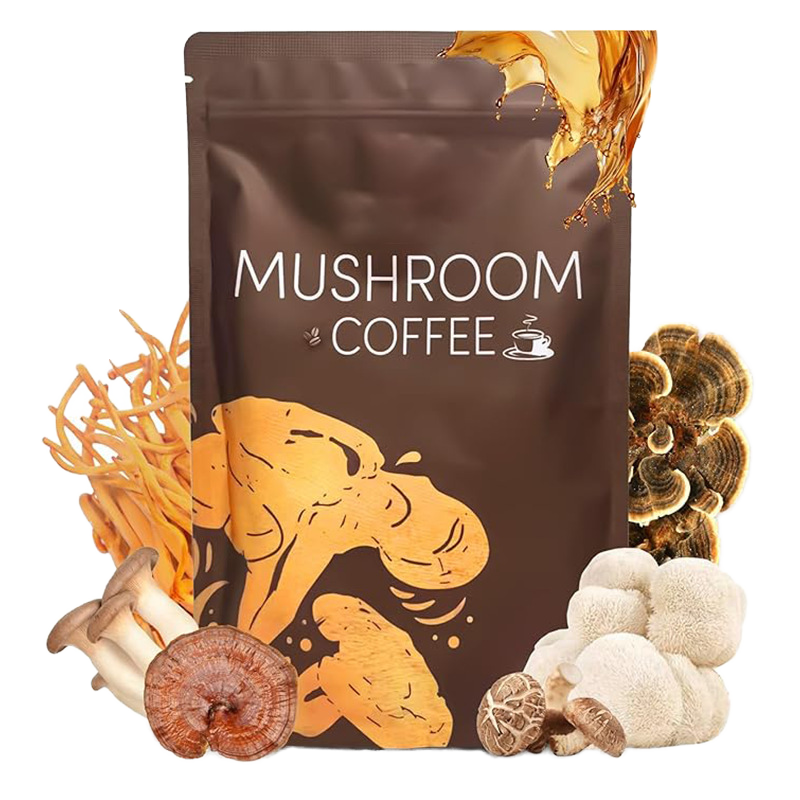
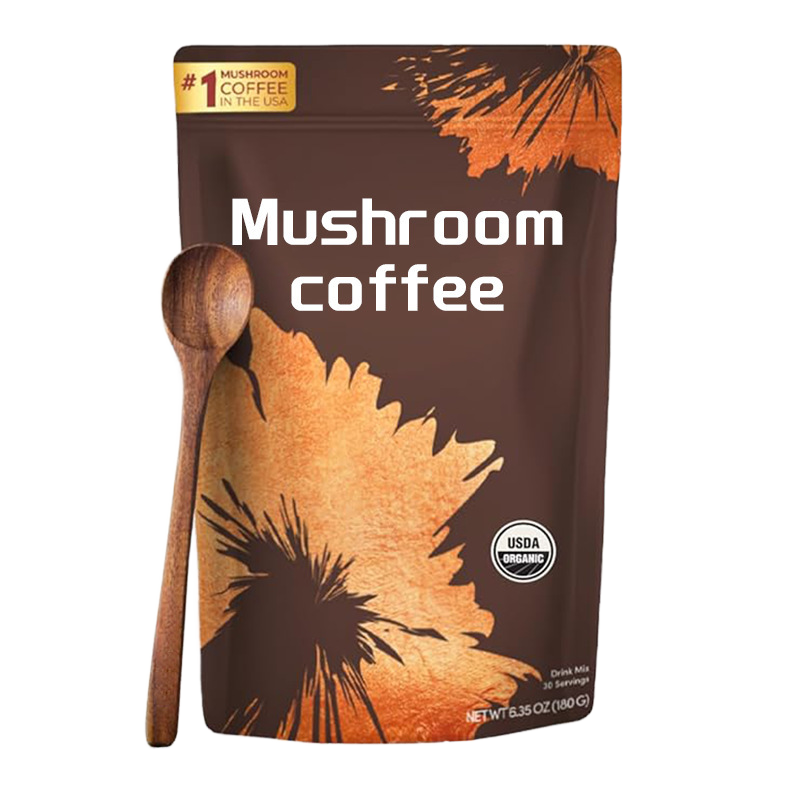
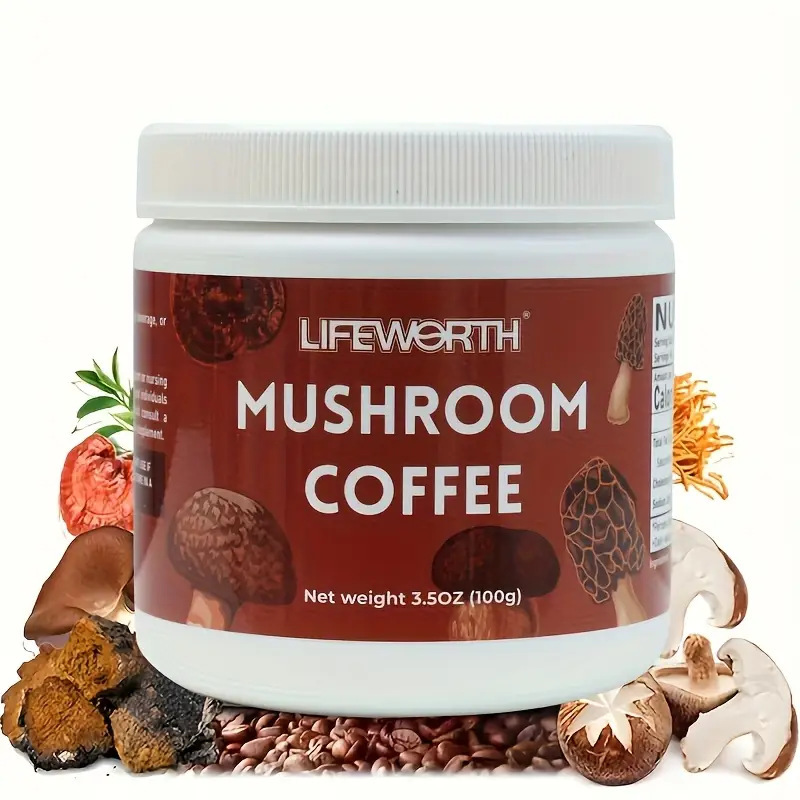
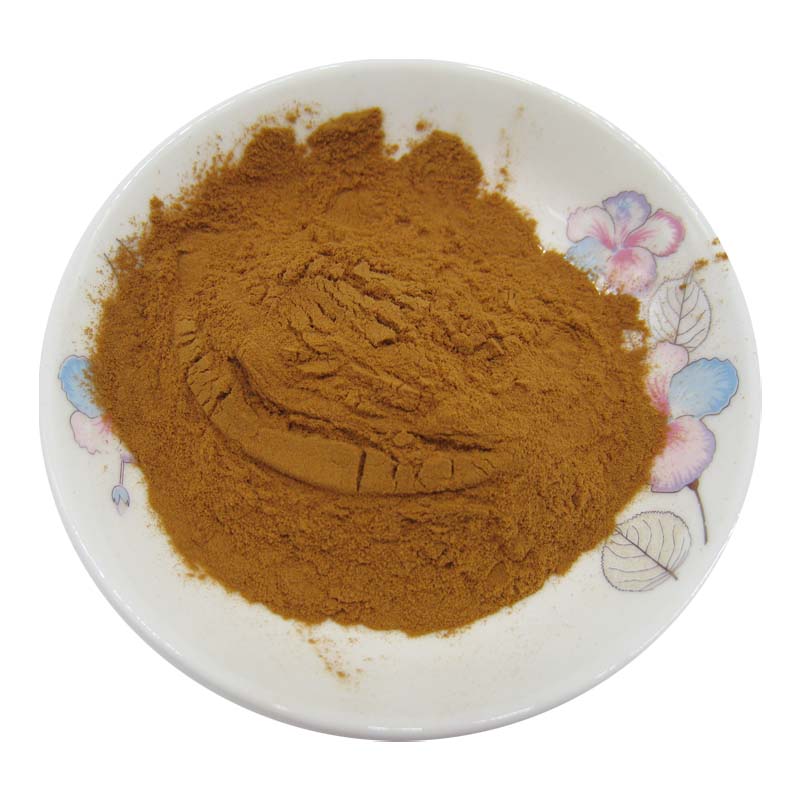
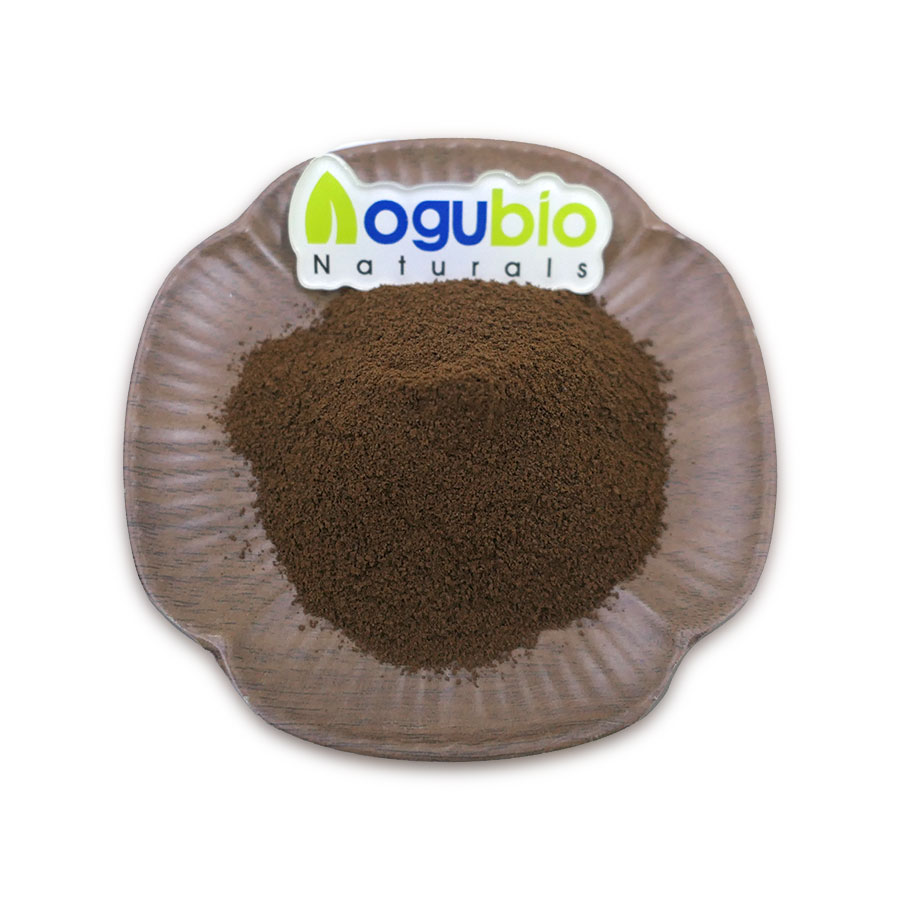
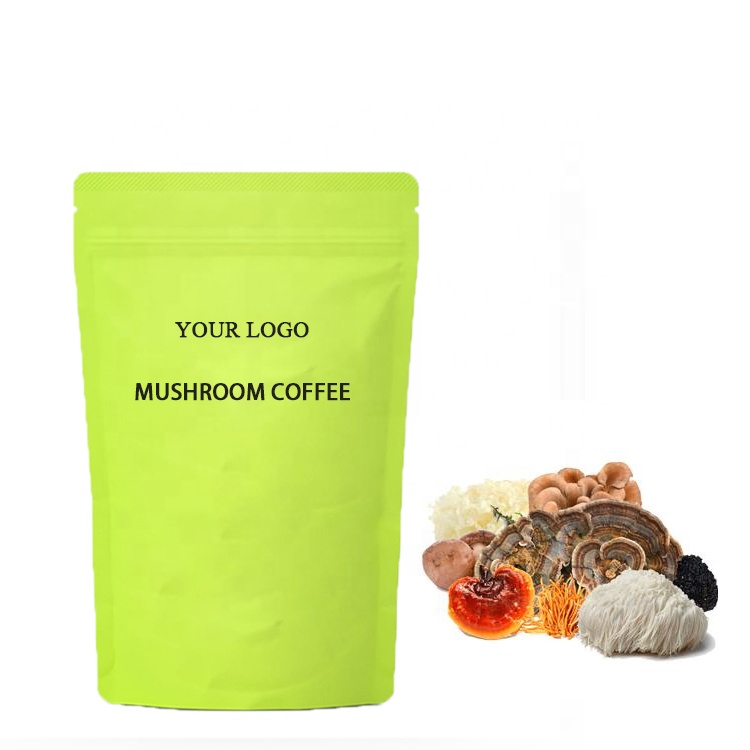
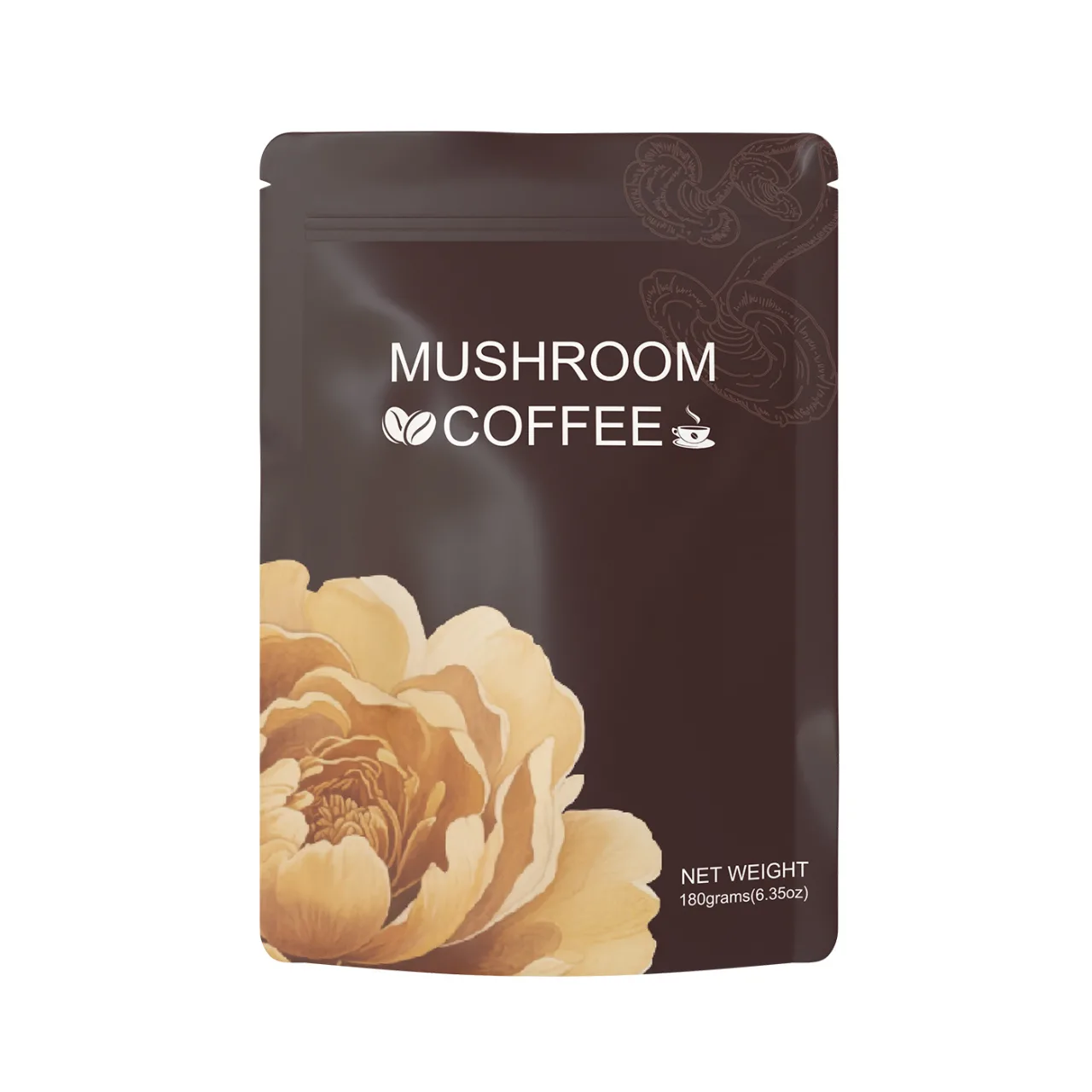
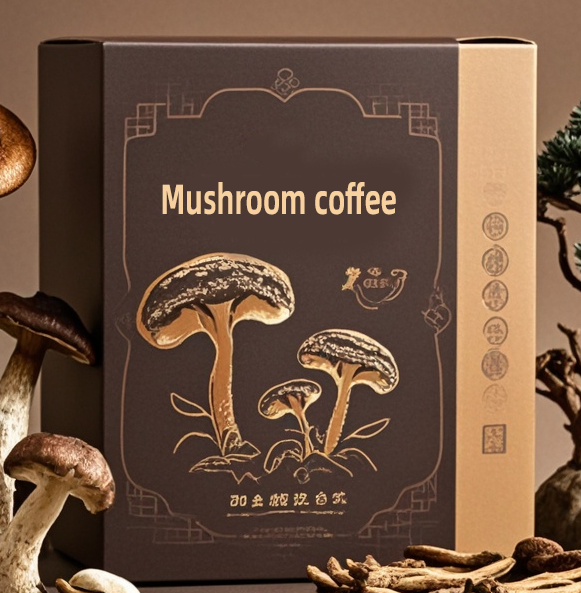
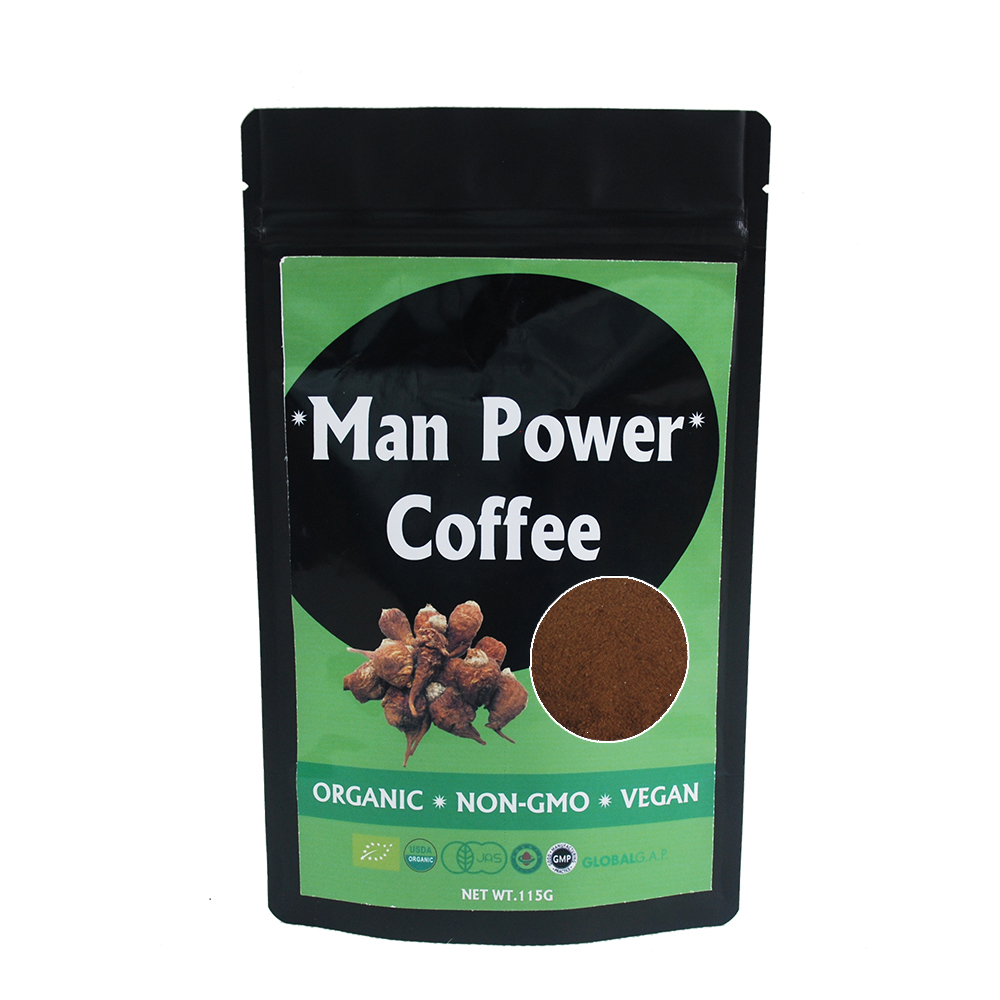
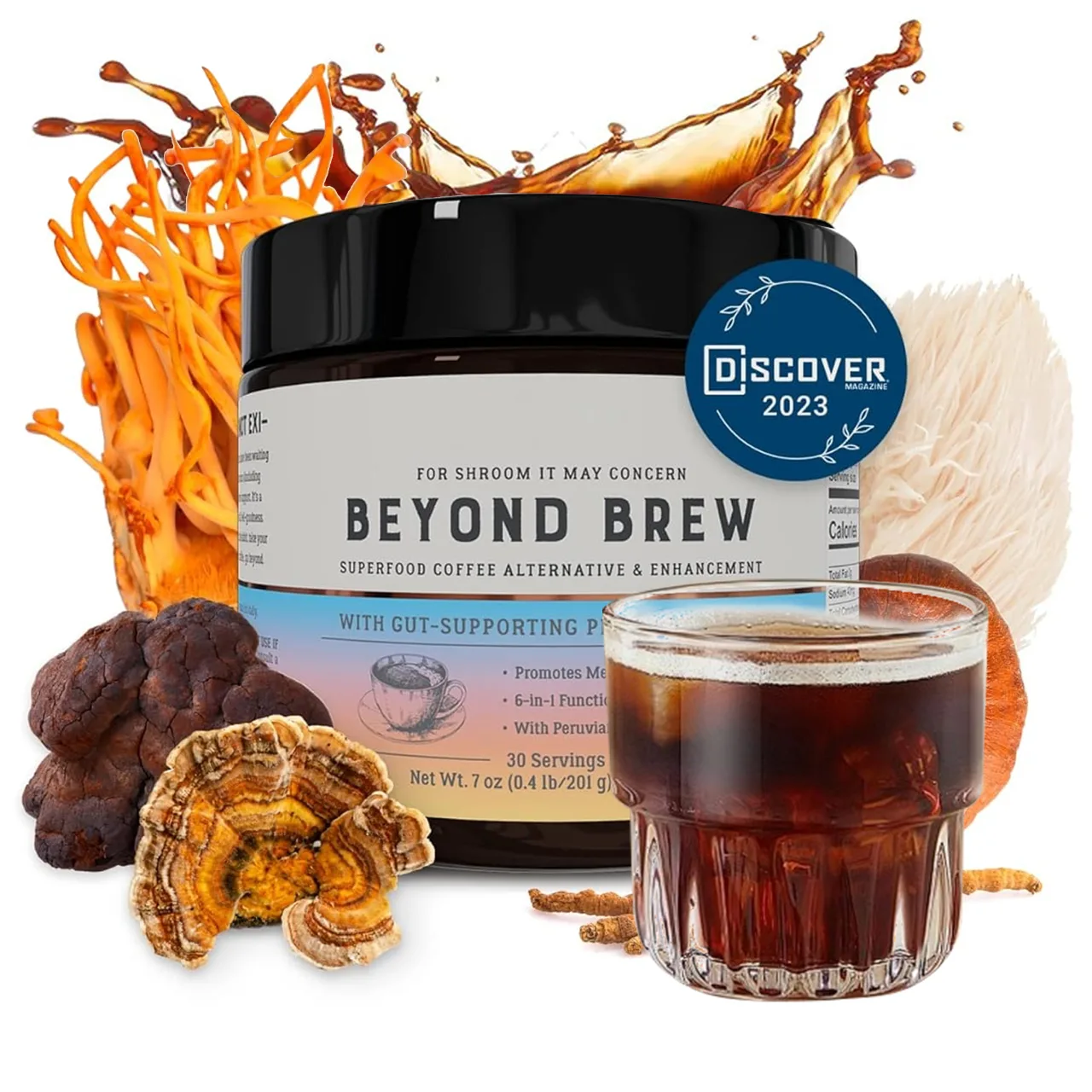
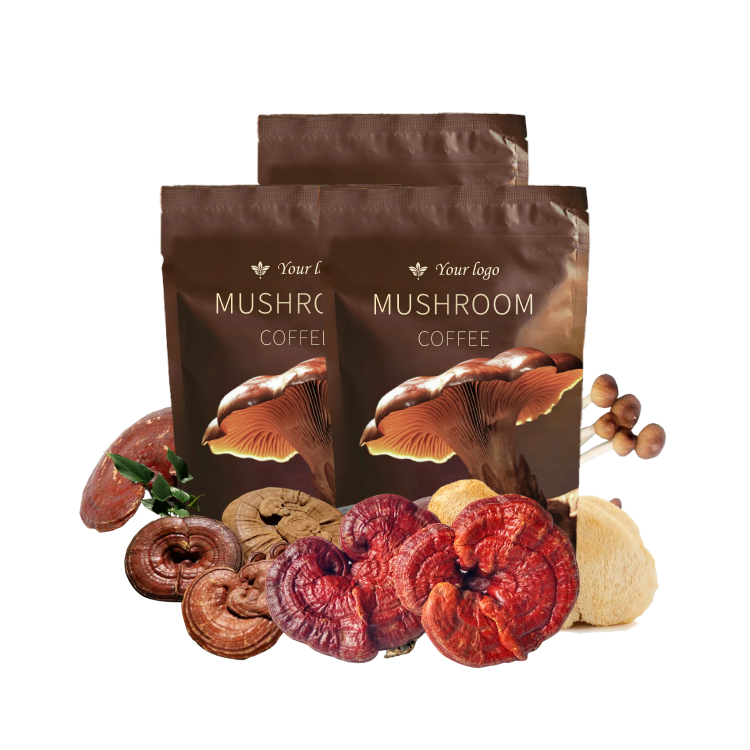
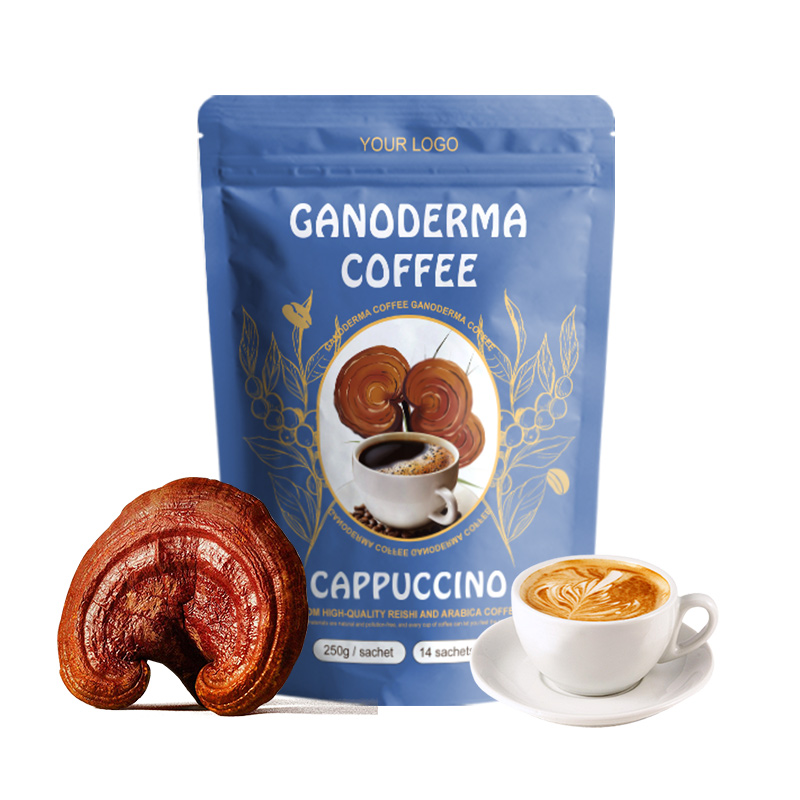
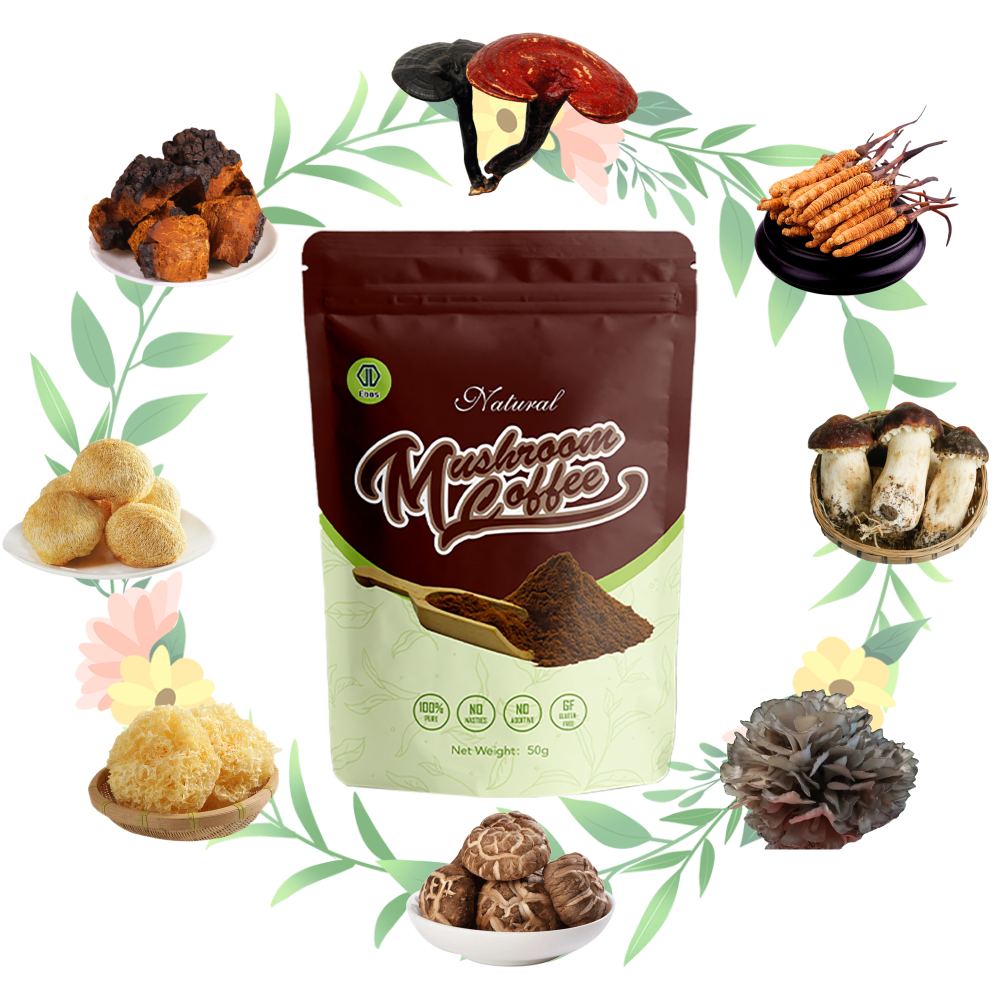
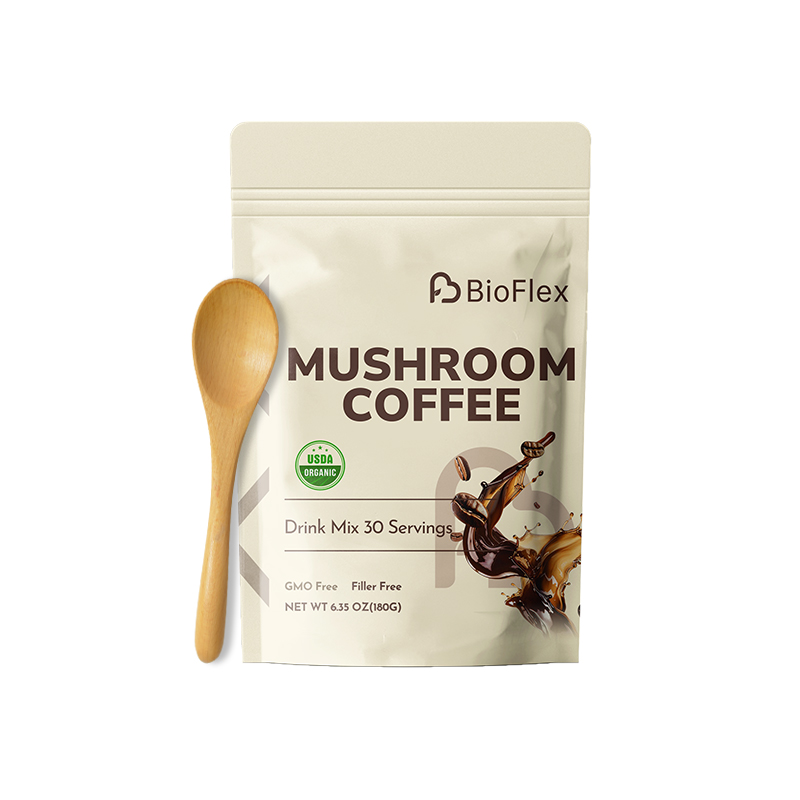
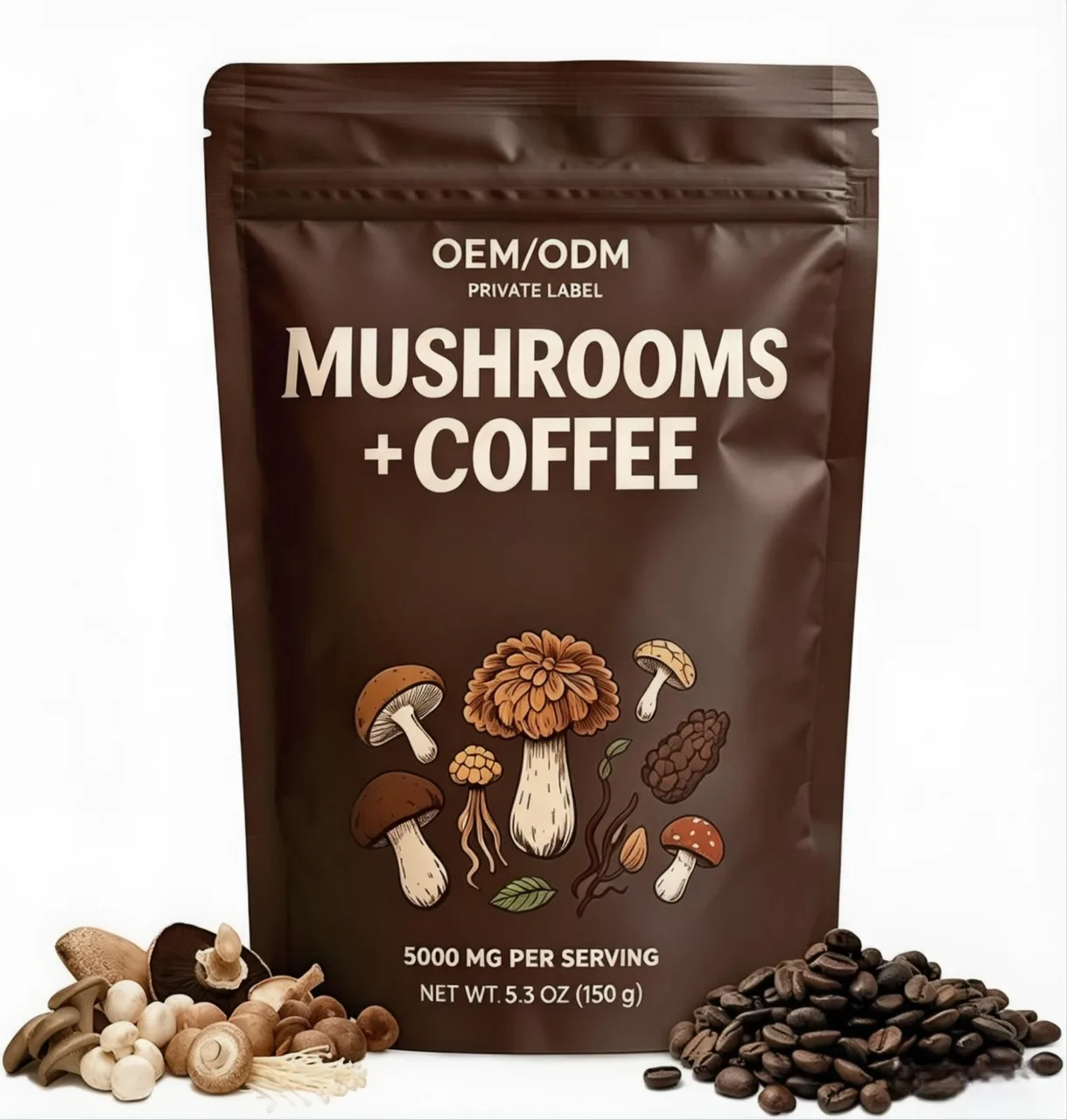
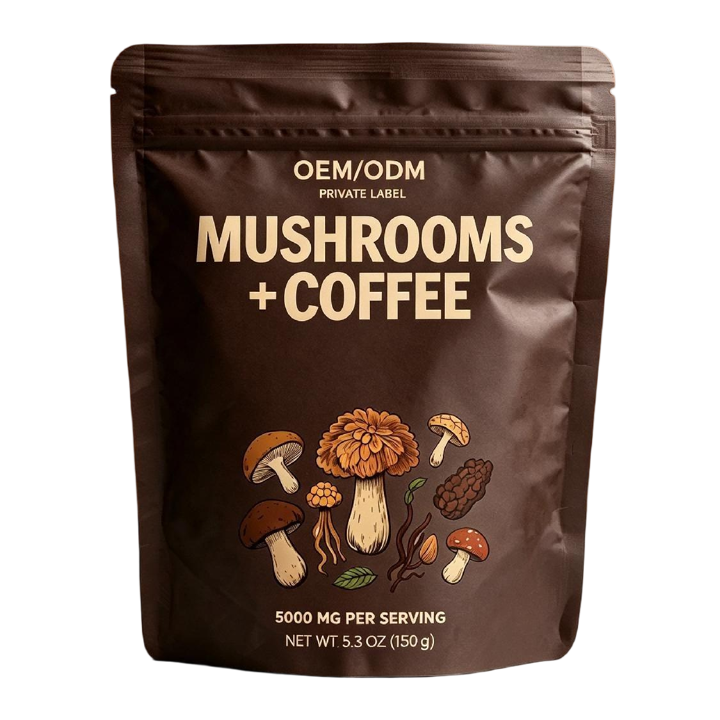
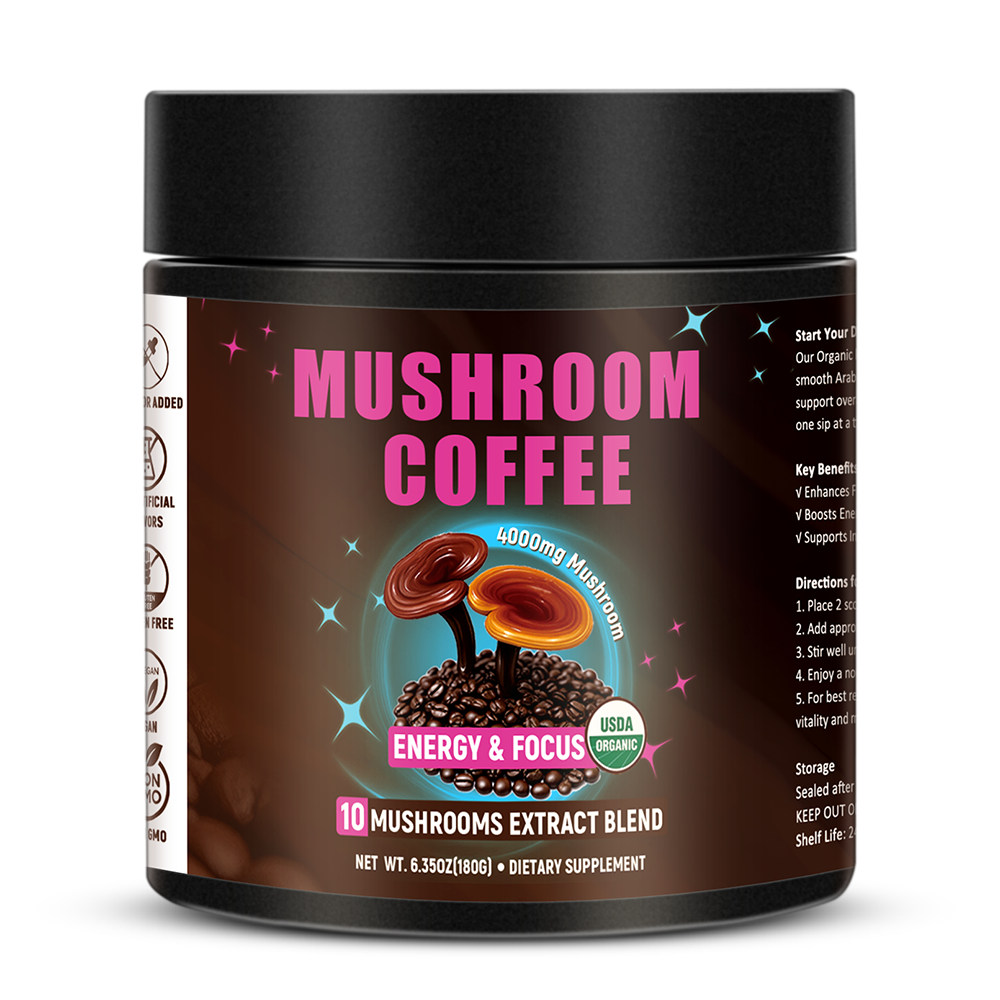
OEM Private Label Coffee Instant Mushroom Coffee Organic Mushroom Coffee Powder
$25.98 - $31.18
MOQ: 1 kilograms
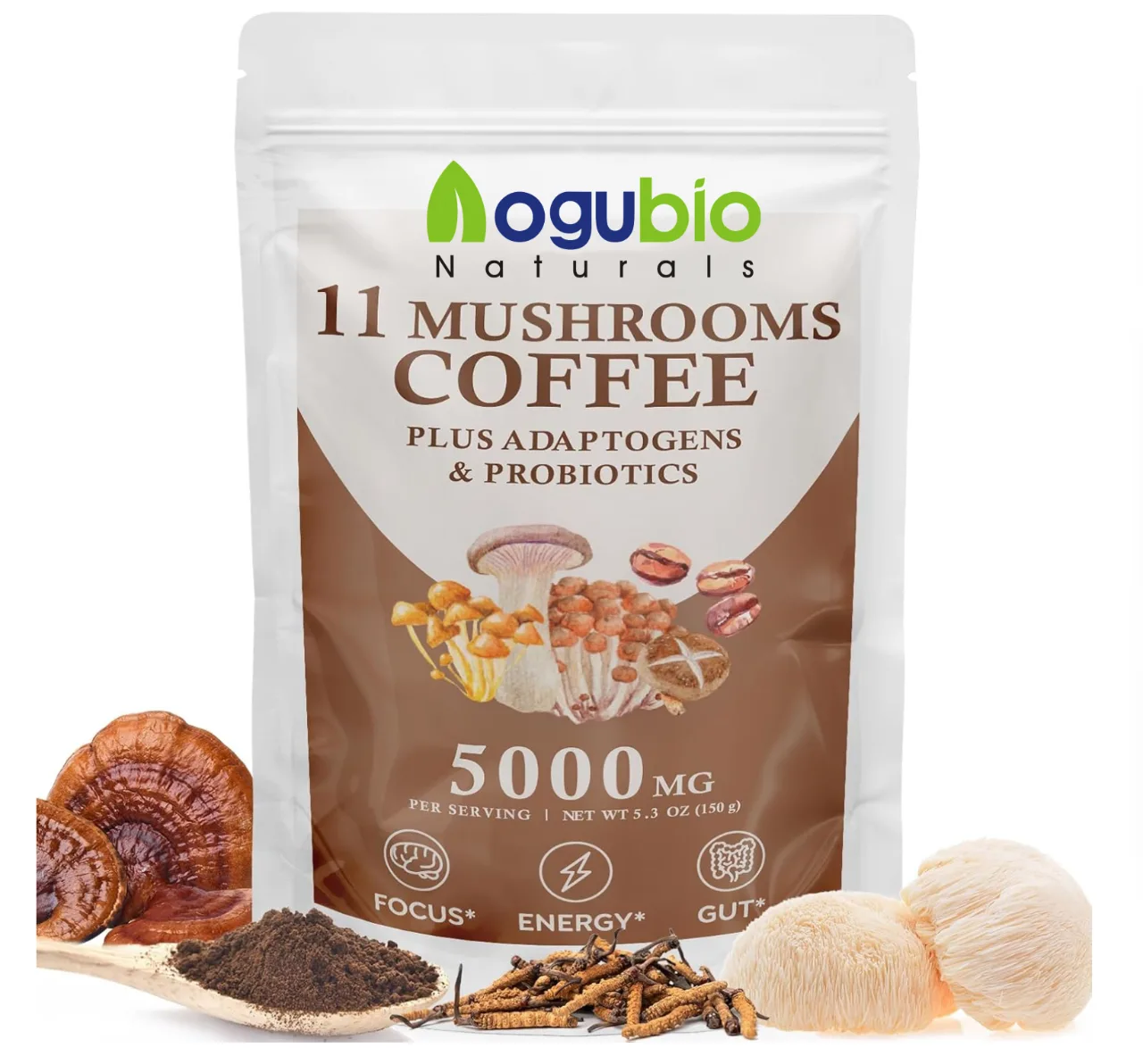


Comprehensive Sourcing Guide
Strategic Sourcing Guide for Organic Mushroom Coffee Powder
The global demand for functional beverages has driven significant interest in Organic Mushroom Coffee Powder, a hybrid product combining traditional coffee extracts with medicinal mushroom compounds. For B2B procurement professionals, navigating this category requires a rigorous understanding of technical specifications, supply chain logistics, and compliance frameworks. This guide synthesizes observed market data and standard industry practices to provide a structured approach to sourcing this specialized ingredient. Buyers must distinguish between generic coffee blends and true herbal extracts, ensuring that the final product aligns with specific health claims and regulatory requirements in their target markets.
Technical Specifications and Product Composition
Understanding the precise technical definition of the product is the first step in any procurement process. The market presents a variety of formulations, ranging from simple blends to complex solvent-extracted powders. Based on observed product attributes, the core ingredient is often described as "coffee mushroom," which implies a combination of coffee powder and mushroom extracts. The physical form is consistently listed as a powder, typically appearing as a brown or yellow powder depending on the specific extraction ratio and source materials.
A critical technical variable is the extraction ratio, which dictates the potency and concentration of the active ingredients. Suppliers frequently offer specifications such as 10:1, 20:1, and 30:1. These ratios indicate the amount of raw material required to produce one unit of extract. A higher ratio generally suggests a more concentrated product, which can influence the dosage and the final cost per unit. The active ingredient profile often includes vitamins, though the specific vitamin content varies by brand and formulation.
Packaging specifications are equally vital for logistics planning. Observed data indicates a wide range of single package sizes, from small retail-ready units like 180g bottles to bulk industrial drums. The single gross weight for smaller packages can be as low as 0.200 kg, while bulk drums may weigh up to 1.500 kg. The packaging materials themselves vary significantly, including plastic containers, glass jars, foil bags, and drums. Buyers must verify that the packaging material is compatible with the product's shelf life requirements, particularly for moisture-sensitive powders. The storage conditions are universally cited as requiring a cool, dry place to maintain stability and prevent clumping or degradation of the active compounds.
Compliance, Certification, and Regulatory Verification
In the health food and supplement sector, compliance is not merely a formality but a prerequisite for market access. When sourcing Organic Mushroom Coffee Powder, buyers must rigorously verify the certification status of potential suppliers. The observed market data highlights several common certifications, including COA (Certificate of Analysis), MSDS (Material Safety Data Sheet), and TDS (Technical Data Sheet). These documents are essential for validating the purity, safety, and composition of the product.
Furthermore, international standards such as ISO and GMP (Good Manufacturing Practices) are frequently referenced in the industry. While specific ISO standards like ISO 17025 may be relevant for testing laboratories, the primary focus for product certification often includes ISO 9001 for quality management and ISO 22000 for food safety. Buyers should not assume that a supplier holds these certifications based on marketing materials alone; they must request current, valid certificates from the specific manufacturing facility. The presence of an "OEM" brand designation suggests that the supplier is capable of private labeling, which often requires adherence to stricter quality control protocols to meet the branding partner's standards.
Regulatory compliance also extends to the origin of the raw materials. The place of origin for these products is frequently listed as regions in China, such as Shaanxi or Guangdong. While these regions have established agricultural and processing infrastructures, buyers must ensure that the cultivation method—often noted as "artificial planting"—meets the organic standards required by their target market. Artificial planting does not inherently preclude organic certification, but it requires specific verification of soil quality, pesticide usage, and processing methods to ensure the final product meets organic regulatory definitions.
Cost Drivers and Pricing Dynamics
The pricing structure for Organic Mushroom Coffee Powder is influenced by a complex interplay of factors, including extraction ratios, packaging formats, and order volumes. The observed price range in the market spans from $0.02 to $61.24 USD. This wide variance is not indicative of a single product but rather reflects the diversity of formulations and order sizes. The lower end of the spectrum likely corresponds to bulk raw materials or lower-concentration blends, while the higher end may represent premium, highly concentrated extracts or small-batch retail packaging.
The Minimum Order Quantity (MOQ) is a significant driver of unit cost. Data shows an MOQ range from 1 unit to 100,000 units, with a common baseline of 1 kg for trial orders. Suppliers often offer free samples, such as 20g free samples, to allow buyers to evaluate quality before committing to larger orders. However, the transition from sample to bulk production involves a shift in pricing logic. Larger orders typically benefit from economies of scale, reducing the cost per kilogram. Conversely, specialized packaging, such as glass containers or custom-branded drums, can increase the overall cost.
Buyers should also consider the "Selling Units" and "Single Package Size" when calculating total landed costs. A product sold as a single item in a 180g bottle will have a different cost structure than a product sold in 25kg drums. The single gross weight and package dimensions (e.g., 30x20x30 cm vs. 12x14x20 cm) directly impact shipping costs, which can be substantial for heavy, dense powders. Therefore, a comprehensive cost analysis must include freight, insurance, and customs duties, not just the ex-works price.
Typical Applications and Market Segmentation
The application of Organic Mushroom Coffee Powder is primarily centered in the health food sector. The product is marketed as a functional beverage ingredient that provides energy and supports overall wellness. The "Effectiveness" of the product is often described as "providing energy," leveraging the synergistic effects of caffeine from coffee and adaptogens from mushrooms. This positioning appeals to consumers seeking a healthier alternative to traditional coffee, particularly those concerned about jitters or digestive issues.
The target demographic is broad, with specifications often noting "Applicable People: All." This inclusivity allows for marketing to a wide range of consumers, from athletes seeking sustained energy to office workers looking for a focus aid. The dosage recommendations, such as "1-2 bags per day," provide clear usage guidelines for end consumers, which is a critical component of product labeling and marketing materials.
Beyond direct-to-consumer sales, this ingredient is highly versatile for B2B applications. Manufacturers of ready-to-drink beverages, dietary supplements, and functional snacks can incorporate mushroom coffee powder into their formulations. The "Type" of product is often classified as a "Herbal Extract," which opens doors for use in various supplement formats, including capsules, tablets, and liquid concentrates. The "Season" availability is listed as "All Seasons," ensuring a consistent supply chain regardless of seasonal fluctuations in demand.
Supplier Evaluation and Sourcing Strategy
Selecting the right supplier requires a multi-faceted evaluation process that goes beyond price comparisons. Buyers should prioritize suppliers who demonstrate transparency in their cultivation methods and processing techniques. The "Cultivation method" being "artificial planting" is a positive indicator of controlled growing conditions, but it must be verified against organic certification standards. Additionally, the "Brand Name" of the supplier, whether it is a specific brand like "Eherb" or "H&Y" or an OEM provider, offers insight into their market positioning and quality consistency.
A robust supplier evaluation should include a review of their quality control infrastructure. The availability of a COA, MSDS, and TDS is a baseline requirement. Buyers should also inquire about the supplier's capacity to handle large volumes, given the observed MOQ range up to 100,000 units. The "Shelf Life" of the product, typically cited as 2 years or 24 months, is another critical factor. Suppliers with a longer shelf life offer more flexibility in inventory management and distribution, reducing the risk of product expiration.
When evaluating potential partners, buyers should also assess their logistical capabilities. The "Place of Origin" in China presents specific logistical considerations, including lead times and shipping routes. The "Single package size" and "Single gross weight" data provided by suppliers can help buyers estimate shipping volumes and container utilization. A supplier who can provide consistent packaging dimensions and weights will facilitate smoother logistics planning and reduce the risk of shipping errors.
Quality Control and Long-Term Procurement Considerations
Maintaining product quality over the long term requires a proactive approach to quality control. Buyers should establish clear acceptance criteria based on the product's physical and chemical properties. The "Color" of the powder, typically brown or yellow, should be consistent across batches. Deviations in color can indicate issues with the extraction process or storage conditions. The "Assay" results, such as the 454g/1lb specification, must be verified to ensure the product meets the declared potency.
Long-term procurement strategies should also account for the "Extraction Type," which is often "Solvent Extraction." While this method is effective for isolating active compounds, it requires strict control over residual solvents to ensure safety. Buyers must verify that the supplier adheres to strict limits on solvent residues, as outlined in the MSDS and COA. Regular third-party testing is recommended to validate these claims and ensure ongoing compliance.
Finally, buyers should consider the scalability of their supply chain. As demand for Organic Mushroom Coffee Powder grows, the ability of the supplier to scale production without compromising quality is paramount. The "Sample" availability, including free 20g samples, is a useful tool for initial testing, but the transition to bulk production must be managed carefully. Establishing a long-term partnership with a supplier who demonstrates reliability, transparency, and a commitment to quality will ensure a stable supply of high-quality Organic Mushroom Coffee Powder for years to come. By focusing on these key areas, buyers can mitigate risks and build a resilient supply chain in this dynamic market.
FAQs
What certifications are available for Organic Mushroom Coffee Powder?
Products typically include COA, MSDS, and TDS documents to verify safety and composition. Some suppliers also provide ISO certifications for quality management. Buyers must request current certificates from the specific manufacturing facility to ensure compliance with target market regulations.
How is the extraction ratio defined for this product?
The extraction ratio indicates the amount of raw material needed to produce one unit of extract, with common options being 10:1, 20:1, and 30:1. A higher ratio suggests a more concentrated product that influences dosage and final cost per unit for the buyer.
Which packaging formats are available for bulk orders?
Packaging options include foil bags, drums, cartons, plastic containers, and glass jars depending on the order size. Bulk shipments often use 25kg drums while smaller units may come in 1kg foil bags or retail-ready bottles with varying gross weights.
Can buyers obtain samples before placing a large order?
Yes, many suppliers offer free samples such as 20g portions for quality evaluation before committing to bulk production. This allows buyers to verify the brown or yellow powder color and potency before transitioning to larger quantities like 1kg minimums.
What is the typical shelf life of Organic Mushroom Coffee Powder?
The standard shelf life for this product is typically 2 years or 24 months when stored correctly. Buyers should ensure storage occurs in a cool, dry place to maintain stability and prevent clumping or degradation of the active vitamin ingredients.
How does the minimum order quantity affect pricing?
The minimum order quantity ranges from 1kg for trials up to 100,000 units for large industrial orders. Larger volumes generally benefit from economies of scale, reducing the cost per kilogram compared to small batch retail packaging or single item sales.
Which regions are the primary sources for this ingredient?
Products are primarily sourced from regions in China, specifically Shaanxi and Guangdong provinces. These areas have established agricultural infrastructures, though buyers must verify that artificial planting methods meet the specific organic standards required for their target markets.