Source Organic Moisturizing Bubble Bath for body, home, and spa
Compare 30 listings for Organic Moisturizing Bubble Bath featuring herbal ingredients and customizable scents. Buyers can evaluate specifications, MOQs, and certifications like BSCI and GMPC for body, home, and spa applications.
Key considerations
Products List
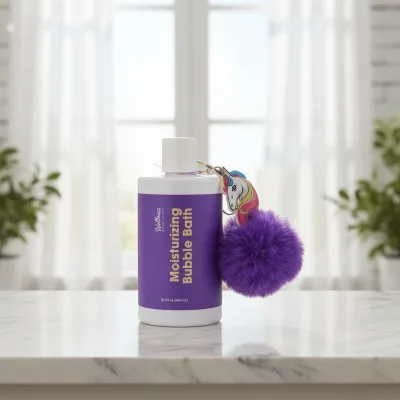
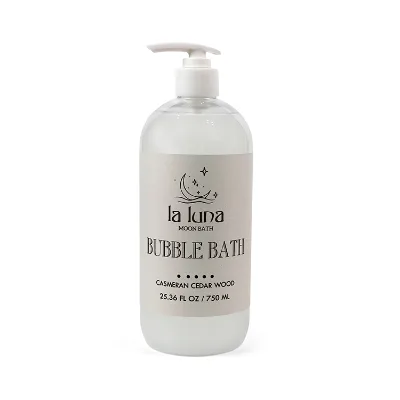
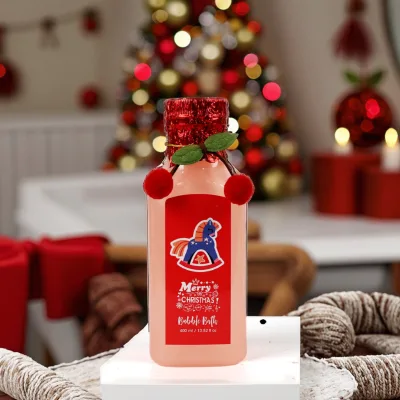
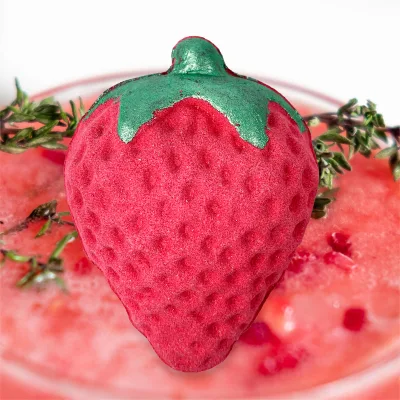
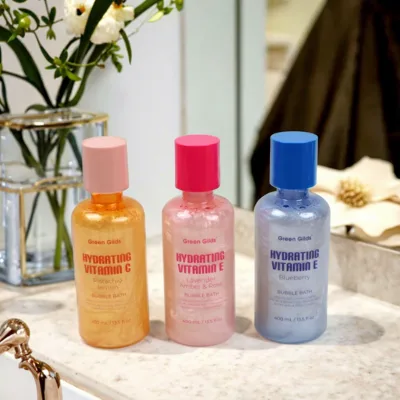
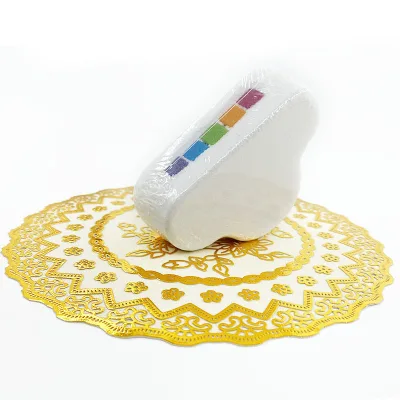
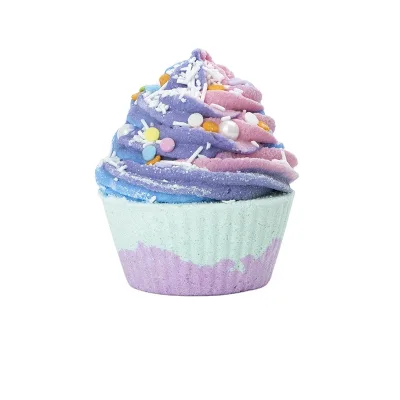
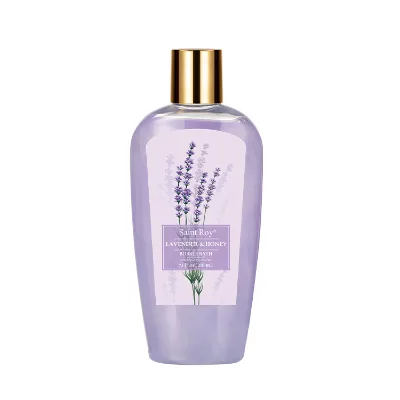
Saint Roy Bubble Bath Skin Moisturizing Bubble Bath with Soothing Gentle Bath
$0.91 - $0.94
MOQ: 500 sets
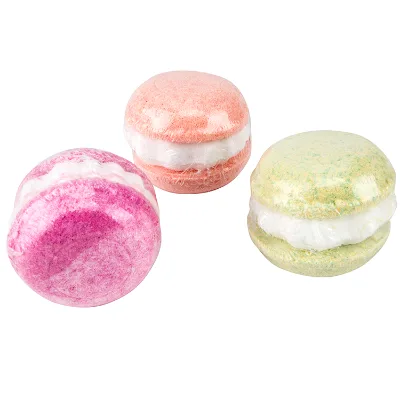
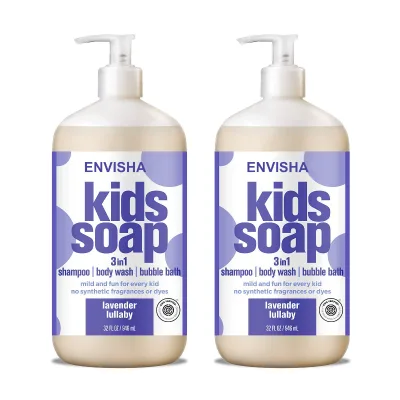
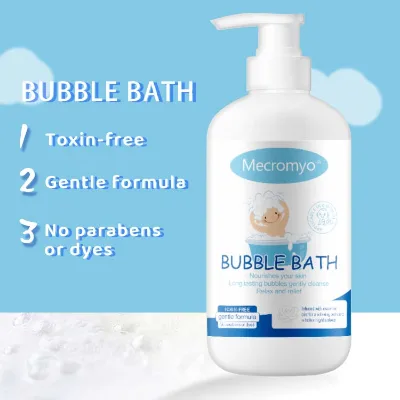
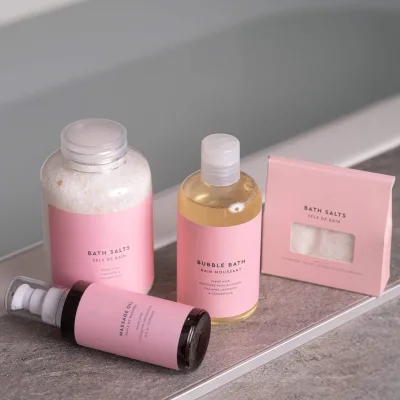
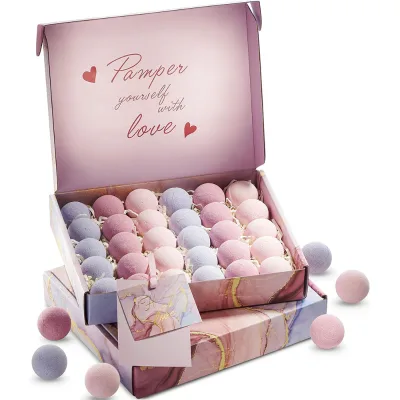
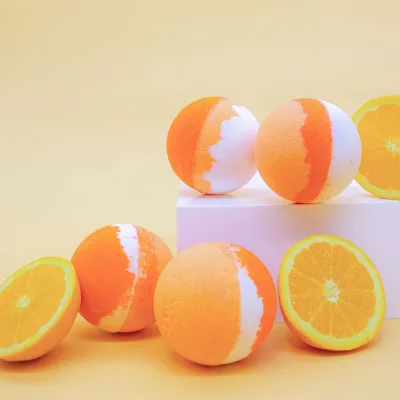
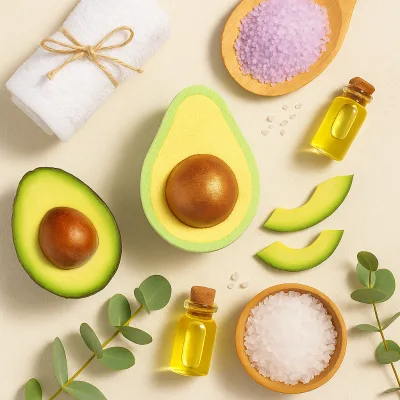
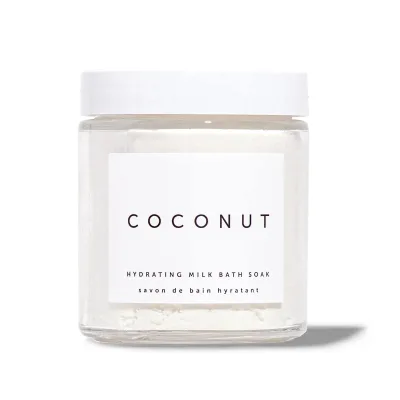
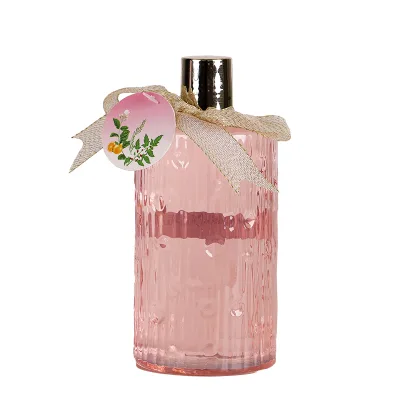
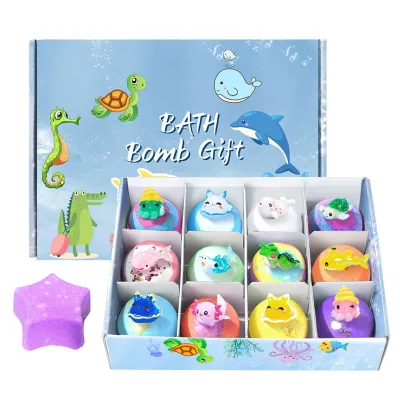


Wholesale Private Label Gentle & Tear-Free Nighttime Bubble Bath for Babies
$1.50 - $7.50
MOQ: 3000 Pieces
Comprehensive Sourcing Guide
Strategic Sourcing Guide for Organic Moisturizing Bubble Bath
Understanding Product Specifications and Formulation Variability
When sourcing Organic Moisturizing Bubble Bath, buyers must first navigate a landscape of diverse technical specifications that define the final product's performance and market positioning. The core keyword implies a specific intersection of ingredients and function, yet the actual market offerings vary significantly in their physical attributes and chemical compositions. Based on observed market data, a typical Organic Moisturizing Bubble Bath is formulated with a focus on skin compatibility, often targeting normal skin types with features described as refreshing, moisturizing, and nourishing. The physical form is predominantly foam, designed to generate a rich lather that cleanses the body while maintaining hydration.
Volume and packaging dimensions are critical variables that influence logistics and shelf appeal. Market observations indicate that standard units range from 300 mL to 750 mL, with some specialized offerings reaching 500 mL. The physical footprint of these products varies accordingly; for instance, a 500 mL unit might have a single package size of approximately 7.7 x 11.5 x 16.3 cm with a gross weight of 1.0 kg, while a 750 mL variant could measure 8 x 8 x 21.4 cm with a weight of 0.75 kg. These discrepancies highlight the importance of verifying the "single package size" and "single gross weight" for every specific SKU before finalizing shipping calculations.
The fragrance profile is another defining characteristic. While the core requirement is "organic," the scent profiles can range from specific botanical notes like lavender, honey, strawberry, and verbena to broader categories such as herbal, rose, aloe, milk, coconut, shea butter, seaweed, and lemon. Some suppliers offer fully customized fragrances, allowing brands to create unique olfactory identities. The ingredient list often highlights "organic" and "herbal" components, which aligns with the moisturizing function. However, buyers must distinguish between products that merely claim these attributes and those that substantiate them through specific formulation data. The application is generally broad, covering body cleansing for home use, hotel spas, and personal spa routines, necessitating a product that balances cleaning efficacy with skin safety.
Compliance Framework and Certification Verification
In the personal care sector, particularly for products marketed as organic and moisturizing, compliance and certification are not merely marketing tools but essential prerequisites for market access and consumer trust. The supply chain for organic bubble baths is heavily regulated, requiring suppliers to demonstrate adherence to international standards. Observed data points to a cluster of certifications that buyers should prioritize during the vetting process. These include BSCI (Business Social Compliance Initiative), GMPC (Good Manufacturing Practice for Cosmetics), ISO 22716, and MSDS (Material Safety Data Sheet).
ISO 22716 is a critical standard for cosmetic manufacturing, outlining the Good Manufacturing Practice guidelines for cosmetic products. While background knowledge suggests its relevance, buyers must verify that the specific supplier holds a valid, current certificate for this standard, as it ensures the facility maintains rigorous hygiene and quality control protocols. Similarly, GMPC certification confirms that the manufacturing environment meets the stringent requirements for cosmetic production, reducing the risk of contamination. The presence of an MSDS is non-negotiable for shipping and safety; it details the chemical composition, hazards, and handling procedures for the product, ensuring that the "organic" claims do not mask unsafe chemical interactions.
The BSCI certification addresses the social responsibility aspect of the supply chain, verifying that the manufacturing facility adheres to ethical labor practices. For brands committed to a holistic "organic" ethos, this social dimension is often as important as the chemical formulation. Buyers should request copies of these certificates and verify their validity dates directly with the issuing bodies. It is crucial to understand that the presence of a certification on a product page does not automatically guarantee that every batch produced meets the standard. The certification applies to the facility and the management system, but the specific product batch must be manufactured under these protocols. Therefore, the procurement strategy must include a clause in the contract that mandates adherence to these certified standards for all production runs.
Cost Drivers and Pricing Structure Analysis
The pricing of organic moisturizing bubble baths is influenced by a complex matrix of factors, including raw material costs, certification overheads, order volume, and customization requirements. The observed market price range is extensive, spanning from $0.15 to $666 per unit, a variance that reflects differences in brand positioning, ingredient quality, and order scale. This wide range indicates that the unit price is not a fixed market rate but a dynamic figure dependent on the specific configuration of the order.
The Minimum Order Quantity (MOQ) is a primary driver of cost efficiency. Market data shows MOQs ranging from 1 unit to 5,000 units, with specific product lines often requiring 2,000 to 5,000 pieces to achieve the lower end of the price spectrum. For example, a 500ml moisturizing bubble bath with a 5,000-piece MOQ will likely carry a different unit cost structure compared to a 750ml variant with a 2,000-piece MOQ. Buyers seeking lower unit prices must be prepared to commit to higher volumes, which increases inventory carrying costs but reduces the per-unit manufacturing expense.
Customization is another significant cost factor. Products offering "Customized" branding, private logos, and bespoke packaging often command a premium. The ability to apply a private logo via silk screen printing, heat-transfer printing, or laser printing adds a layer of complexity to the production process. Furthermore, the choice of fragrance and ingredient profile impacts cost; organic and herbal ingredients typically cost more than synthetic alternatives. The "Customized" brand name option allows for white-labeling, but the buyer must factor in the cost of developing the unique formulation and packaging design.
Payment terms also play a role in the financial planning of the procurement. Standard terms observed include a 30% TT (Telegraphic Transfer) deposit, which is common in B2B transactions to secure production slots. Buyers should negotiate these terms based on their relationship with the supplier and the total order value. The delivery time, typically around 30 days, must be factored into the cash flow cycle. A longer lead time requires earlier financial commitment and potentially higher working capital reserves.
Supplier Evaluation and Operational Capabilities
Selecting the right supplier for organic moisturizing bubble baths requires a rigorous evaluation of their operational capabilities, particularly regarding OEM (Original Equipment Manufacturer) and ODM (Original Design Manufacturer) services. The market data indicates that most suppliers in this niche accept OEM/ODM requests, offering services that include private labeling, custom packaging, and logo application. This flexibility is essential for brands looking to differentiate themselves in a crowded market.
When evaluating a potential supplier, buyers should assess their capacity to handle the specific volume requirements. The observed MOQs of 2,000 to 5,000 pieces suggest that suppliers are geared towards medium-to-large scale production. A supplier with a capacity to handle 5,000 pieces efficiently may offer better economies of scale than one with a lower ceiling. Additionally, the "place of origin" is a key factor; many suppliers are located in Fujian, China, a region known for its manufacturing infrastructure in the personal care sector. Buyers should verify the logistics capabilities of these suppliers to ensure they can handle the specific shipping requirements for fragile glass or plastic bottles, which are common for bubble bath products.
The service model offered by the supplier is equally important. Suppliers that provide "OEM ODM Private Label" services often have dedicated teams for design and quality control. This is crucial for ensuring that the "Customized Private Logo" and "Customized Packing" meet the brand's aesthetic and functional standards. Buyers should also inquire about the supplier's experience with specific certifications like BSCI and GMPC, as this indicates a mature quality management system. The ability to provide a "Single gross weight" and "Single package size" accurately is a sign of operational precision, which reduces the risk of shipping errors and cost overruns.
Quality Control Protocols and Testing Standards
Quality control (QC) is the backbone of a successful procurement strategy for organic moisturizing bubble baths. Given the direct contact of the product with human skin, the margin for error is minimal. Buyers must establish a robust QC framework that covers raw material inspection, in-process monitoring, and final product testing. The "Organic" and "Herbal" claims require verification through third-party testing to ensure that the ingredient list matches the product formulation.
The "Feature" of the product, such as "Moisturizer," "Nourishing," and "Cleaning," must be validated through performance testing. This includes checking the foam stability, pH balance, and skin irritation potential. The "Form" of the product, specifically "Foam," should be tested for consistency and volume generation. A product that fails to produce adequate foam or causes skin irritation will result in high return rates and brand damage.
Certification documents like MSDS and GMPC provide a baseline for safety, but they do not replace batch-specific testing. Buyers should require a Certificate of Analysis (CoA) for every production batch. This document should detail the results of tests for microbial contamination, heavy metals, and specific active ingredients. The "Color" of the product, often listed as "White" or "as the picture," should also be verified against a physical standard to ensure consistency across batches.
For products with "Customized" fragrances, the stability of the scent over time is a critical quality metric. Buyers should request stability testing data to ensure that the fragrance does not degrade or change odor during the product's shelf life. The "Single package size" and "Single gross weight" should also be verified to ensure that the packaging meets the specifications agreed upon in the contract. Any deviation in weight or dimensions can lead to logistical issues and customer dissatisfaction.
Long-Term Procurement and Supply Chain Resilience
Sourcing organic moisturizing bubble baths is not a one-time transaction but a long-term partnership that requires strategic planning for supply chain resilience. The "Delivery Time" of 30 days is a standard benchmark, but buyers should plan for potential delays due to raw material shortages, regulatory changes, or logistical disruptions. Building a buffer stock is essential to maintain continuity, especially for products with high demand.
The "Selling Units" being listed as "Single item" suggests that the product is often sold individually, but the procurement strategy should consider bulk packaging for retail distribution. The "Package" being "Customized Packing" offers an opportunity to optimize the supply chain by designing packaging that is easy to stack and ship, reducing damage rates and shipping costs.
As the market evolves, buyers must stay informed about changes in organic certification standards and consumer preferences. The "Fragrance" trends, such as the shift towards natural scents like lavender and herbal notes, can influence future product development. Suppliers who are agile and responsive to these trends will be better partners in the long run. Additionally, the "Brand name" being "Customized" or "OEM" means that the buyer has control over the brand identity, but this also places the responsibility on the buyer to manage the brand's reputation.
Finally, the financial aspect of long-term procurement involves negotiating favorable payment terms and pricing structures. As the order volume increases, buyers should leverage their purchasing power to secure better rates and more flexible payment terms. The "Payment Term" of 30% TT is a starting point, but long-term contracts may allow for more favorable conditions. By focusing on these strategic elements, buyers can build a resilient supply chain that supports the growth of their Organic Moisturizing Bubble Bath business.
FAQs
What certifications do Organic Moisturizing Bubble Bath suppliers typically hold?
Suppliers typically hold BSCI, GMPC, ISO22716, and MSDS certifications. These documents verify ethical labor practices, good manufacturing practices, and safety data for the organic and herbal ingredients used in the foam formulation.
Can I customize the logo and packaging for this bubble bath?
Yes, you can customize the logo and packaging with private labels. Suppliers accept OEM and ODM services using silk screen, heat-transfer, or laser printing for branding on the 500ml or 750ml bottles.
What is the minimum order quantity for these bubble baths?
The minimum order quantity ranges from 1 to 5000 pieces depending on the specific product. Standard listings often require 2000 or 5000 pieces to secure the unit price and production slot.
How long does it take to receive the order after payment?
The delivery time is typically 30 days from the date of payment. This lead time applies to the production and shipping of the foam-form bubble baths from the Fujian, China facility.
Which fragrance options are available for the organic bubble bath?
Available fragrances include lavender, honey, strawberry, verbena, herbal, rose, aloe, milk, coconut, shea butter, seaweed, and lemon. You can also request a fully customized scent profile for your brand.
What payment terms are required for bulk orders?
The standard payment term is a 30% TT deposit before production begins. This telegraphic transfer arrangement secures the manufacturing slot for the specified volume of moisturizing bubble bath units.