Source Organic Rosemary Hair Growth Oil for scalp care, damaged repair, and loss prevention
Compare 30 listings of Organic Rosemary Hair Growth Oil featuring ingredients like rosemary essential oil, argan oil, and castor oil. Buyers can evaluate options for dry, oily, or damaged hair types with certifications such as FDA and MSDS available from suppliers in Guangdong, China.
Key considerations
Products List




Comprehensive Sourcing Guide
Strategic Sourcing Guide for Organic Rosemary Hair Growth Oil
Understanding Product Specifications and Variants
When sourcing Organic Rosemary Hair Growth Oil, buyers must first navigate the diverse technical specifications that define the product category. The market presents a spectrum of formulations, ranging from pure essential oils to complex blends designed for specific hair types. Based on available market data, the core product is frequently categorized as a hair growth oil, often utilizing rosemary essential oil as a primary active ingredient. The physical form is consistently an oil, typically appearing as a yellow liquid, which aligns with the natural coloration of many plant-based extracts.
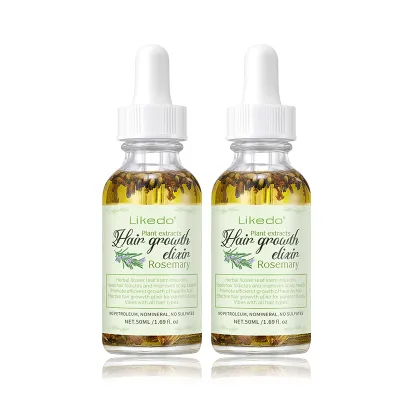
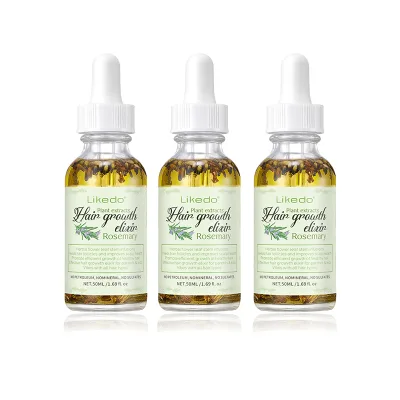
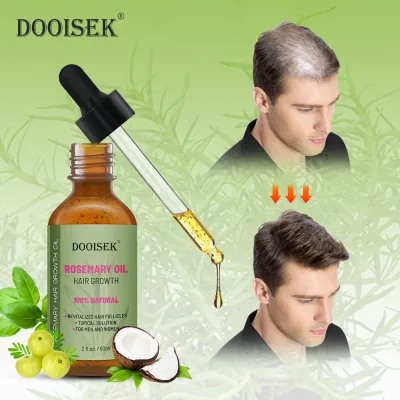
Volume and packaging are critical variables in this procurement category. Listings indicate standard volumes such as 60ml (2 fl. oz.), 30ml, 50ml (1.7 fl. oz.), and 100ml, suggesting that buyers should verify the exact capacity required for their target market. The single package dimensions often measure approximately 4.6 cm by 4.6 cm by 15 cm, a standard size for retail bottles. Packaging materials vary, with some units supplied in boxes, while others may be sold as single items without additional outer cartons. The model numbers associated with these products, such as HG-001, HG-00, SH, or Rosemary Essential Oil, serve as identifiers but do not necessarily guarantee a specific formulation across different suppliers.
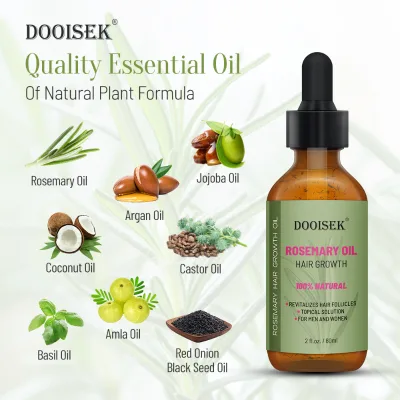
The raw material composition is a defining feature. While the core keyword specifies "organic," the actual ingredient lists found in the market include a mix of oils such as Argan Oil, Castor Oil, and Olive Oil alongside Rosemary. Some products are marketed as pure essential oils, while others are blends. The extraction method is frequently cited as cold press or general extraction, and the grade is often described as Pure Essential Oil Grade A or Pure Grade. Buyers must distinguish between products that are single-ingredient essential oils and those that are multi-ingredient cosmetic blends, as this distinction significantly impacts the end-user experience and regulatory classification.
Compliance, Certification, and Regulatory Standards
Navigating the regulatory landscape is paramount when importing cosmetic raw materials and finished hair care products. The supply chain for rosemary oil involves multiple jurisdictions, and compliance verification is not optional. Available data points to a range of certifications that suppliers may claim, including MSDS (Material Safety Data Sheet), FDA, CE, GMP (Good Manufacturing Practice), and EU compliance. It is essential for buyers to understand that the presence of a certification claim requires verification of the specific certificate against the issuing body's database, as these standards vary by region.
The product's intended application dictates the necessary regulatory framework. These oils are used in cosmetic and food-grade applications, as well as for hair care chemicals and oral care chemicals. This dual potential usage means that the purity and safety standards must be rigorous. For instance, if the product is intended for cosmetic use in the European Union, CE certification and adherence to EU regulations are critical. If the destination is the United States, FDA compliance becomes a focal point, though it is important to note that FDA registration for cosmetics differs from drug approval.
Buyers should verify the specific standards listed on the product documentation. While some listings mention a standard of 50ml or 100ml, these refer to volume standards rather than chemical purity standards. The actual chemical purity should be verified through the MSDS and GMP certificates. The storage requirements, typically specified as a cool, dry place, and a shelf life of two years, are also part of the compliance picture, ensuring the product remains stable and safe throughout the supply chain. Without these verified documents, the risk of customs delays or market rejection increases significantly.
Cost Drivers and Pricing Dynamics
The pricing structure for Organic Rosemary Hair Growth Oil is influenced by several interconnected factors, including raw material quality, extraction methods, and packaging complexity. The observed price range in the market spans from 0.7 to 42 USD per unit, a wide variance that reflects differences in product concentration, brand positioning, and volume discounts. A unit priced at the lower end of this spectrum is likely a bulk raw material or a simple blend, whereas the higher end may represent a finished, branded cosmetic product with premium packaging and organic certifications.
The Minimum Order Quantity (MOQ) is a significant driver of the effective unit cost. Data indicates an MOQ range from 1 unit to 5000 units, with specific listings showing an MOQ of 1 Liter for raw materials. This suggests a tiered pricing model where buyers purchasing in bulk (e.g., 1L or larger) will achieve a lower cost per milliliter compared to those ordering single retail units. The supply type, often listed as OEM (Original Equipment Manufacturer) or ODM (Original Design Manufacturer), also impacts cost. OEM services allow for customization, which may incur additional setup fees but offer long-term savings through brand exclusivity.
Other cost drivers include the specific ingredients used. Products containing Argan Oil, Castor Oil, or Olive Oil in addition to Rosemary may command a higher price due to the cost of these supplementary oils. Furthermore, the "Pure Grade" designation and the extraction method (cold press vs. standard extraction) influence the final price. Buyers must balance the desire for high-purity, organic ingredients against the budget constraints, understanding that the lowest price often correlates with lower concentrations of active ingredients or less rigorous extraction processes.
Typical Applications and Market Segmentation
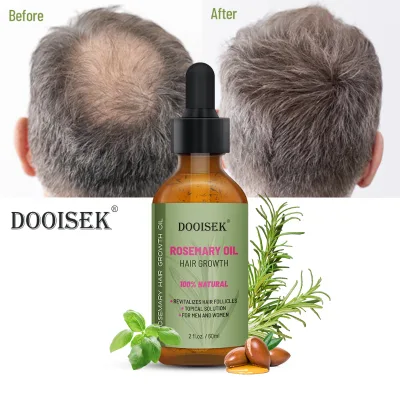
The versatility of Organic Rosemary Hair Growth Oil allows it to serve multiple market segments, from professional salons to direct-to-consumer retail. The primary application is hair care, specifically targeting issues such as hair loss, dry hair, damaged hair, and oily hair. The product is marketed as a solution for hair growth, hair repair, and nourishment, making it suitable for a wide demographic including adults and unisex consumers. The specific scent profile, typically rosemary, adds a sensory element that is often a key selling point in the beauty and wellness sector.
Beyond direct consumer hair care, the oil serves as a raw material for other industries. It is utilized in the formulation of cosmetic raw materials, detergent raw materials, and even oral care chemicals. This broad applicability means that buyers can target different channels: selling finished products to beauty retailers, supplying raw materials to other manufacturers, or creating private-label products for their own brand. The "Available" customization option allows suppliers to tailor the product for specific applications, such as adjusting the concentration of rosemary oil for professional salon use versus over-the-counter retail.
The target hair types listed include curly hair, normal hair, oily hair, and damaged hair. This indicates that the product is not limited to a single niche but is designed to be a universal hair treatment. The "Organic" and "Vegan" attributes further expand the market to eco-conscious consumers who prioritize ethical sourcing and natural ingredients. Understanding these segmentation details helps buyers align their procurement strategy with the specific needs of their target customer base, ensuring the product features match the market demand.
Supplier Evaluation and Selection Criteria
Selecting the right supplier requires a rigorous evaluation process that goes beyond simple price comparison. Buyers should prioritize suppliers who offer OEM/ODM services, as this indicates a capacity for customization and scalability. The location of the supplier is another critical factor; many listings indicate origins in Guangdong, China, a major manufacturing hub for cosmetics and essential oils. While this location offers logistical advantages, buyers must verify the supplier's ability to meet international shipping standards and provide reliable lead times.
Key evaluation criteria include the supplier's ability to provide comprehensive documentation. This includes MSDS, GMP, FDA, and CE certificates, as well as proof of the "Pure Grade" status of the raw materials. The availability of samples is a crucial step in the evaluation process, allowing buyers to test the product's quality, scent, and viscosity before committing to a large order. The "Door to Door" service option mentioned in some listings can simplify logistics, but buyers must confirm the terms of this service to avoid hidden costs.
Buyers should also assess the supplier's track record regarding product consistency. With model numbers like HG-001 and HG-00, it is important to ensure that the supplier maintains consistent quality across different batches. The "Single item" selling unit and "Box" packing options suggest flexibility in fulfillment, but the supplier must demonstrate the ability to handle both small and large order volumes efficiently. A supplier that offers customization and has a clear supply chain for raw materials like rosemary leaves and other oils is better positioned to meet long-term procurement needs.
Quality Control and Long-Term Procurement Strategy
Implementing a robust quality control (QC) protocol is essential for maintaining product integrity and brand reputation. Given the natural origin of the ingredients, variability in the rosemary oil's chemical profile is possible. Buyers should establish clear acceptance criteria based on the "Pure Essential Oil Grade A" standard and verify that the extraction method (cold press or extraction) is consistently applied. Regular testing for purity and the absence of contaminants is necessary, especially since the product is used in cosmetic and food-grade applications.
Long-term procurement considerations involve building a sustainable relationship with suppliers who can guarantee consistent supply and quality. The shelf life of two years provides a window for inventory management, but buyers must ensure proper storage conditions (cool, dry place) are maintained throughout the supply chain to prevent degradation. The ability to customize the product allows for long-term adaptation to market trends, such as shifting consumer preferences toward vegan or alcohol-free formulations.
Buyers should also plan for the scalability of their orders. With an MOQ range of 1 to 5000 units, the procurement strategy should evolve from small sample orders to bulk purchasing as demand grows. The availability of customization and OEM/ODM services supports this growth, allowing buyers to expand their product lines without changing suppliers. By focusing on suppliers with verified certifications and a track record of quality, buyers can mitigate risks and ensure a steady supply of high-quality Organic Rosemary Hair Growth Oil for their business.
Comparative Analysis of Product Attributes
To assist in decision-making, the following table summarizes key product attributes observed in the market, highlighting the variations buyers must navigate.
| Attribute | Observed Variations | Procurement Consideration |
|---|---|---|
| Volume | 30ml, 50ml, 60ml, 100ml, 1L | Verify exact capacity required for target market. |
| Ingredients | Rosemary, Argan, Castor, Olive, Organic | Confirm specific blend ratios and organic certification. |
| Certifications | MSDS, FDA, CE, GMP, EU | Request valid certificates for the specific batch. |
| MOQ | 1 unit to 5000 units | Align order size with budget and storage capacity. |
| Packaging | Box, Single Item, 4.6x4.6x15 cm | Check if packaging meets retail or wholesale standards. |
| Grade | Pure Essential Oil Grade A, Pure Grade | Ensure grade matches intended application (cosmetic vs. raw). |
| Origin | Guangdong, China | Verify logistics capabilities and export compliance. |
This comparison underscores the importance of detailed specification checks. Buyers should not assume that all products labeled "Organic Rosemary Hair Growth Oil" are identical. The variations in volume, ingredient composition, and certification status require a tailored approach to sourcing. By carefully evaluating these attributes against specific business needs, buyers can secure a supply chain that delivers consistent quality and meets regulatory requirements.
FAQs
What certifications do Organic Rosemary Hair Growth Oil suppliers provide?
Suppliers typically provide MSDS, FDA, CE, and GMP certifications for these products. Buyers must verify these documents against issuing bodies to ensure compliance with regional regulations before placing orders.
Which volume options are available for Organic Rosemary Hair Growth Oil?
Standard volume options include 30ml, 50ml, 60ml, and 100ml sizes. The specific capacity depends on the model number and packaging configuration selected by the buyer for their target market.
Can buyers customize the formulation of Organic Rosemary Hair Growth Oil?
Yes, customization is available through OEM and ODM supply types. Suppliers can adjust ingredients like Argan or Castor oil to meet specific brand requirements while maintaining the core rosemary base.
How is the price of Organic Rosemary Hair Growth Oil determined?
Prices range from 0.7 to 42 USD per unit based on volume and formulation. Lower prices often reflect bulk raw material orders, while higher prices indicate finished branded cosmetic products with premium packaging.
What is the minimum order quantity for Organic Rosemary Hair Growth Oil?
The minimum order quantity ranges from 1 unit to 5000 units depending on the supplier. Specific listings may require a 1 Liter minimum for raw material grades compared to single retail items.
Where are Organic Rosemary Hair Growth Oil products typically manufactured?
Products are primarily manufactured in Guangdong, China. This location serves as a major hub for cosmetic and essential oil production, offering logistical advantages for international shipping.
Which hair types can Organic Rosemary Hair Growth Oil treat effectively?
This oil is suitable for dry, oily, damaged, normal, and curly hair types. It is designed to prevent hair loss and nourish the scalp for unisex adult consumers seeking hair repair.