Source Original Front Door Skirt Panel for Repair, Replacement, and Restoration
Find and compare 30 listings for the Original Front Door Skirt Panel across various vehicle makes. Evaluate options based on model compatibility, material grade, and delivery timelines to select the right part for your repair needs.
Key considerations
Products List

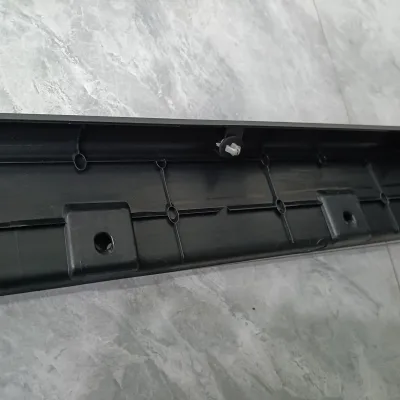
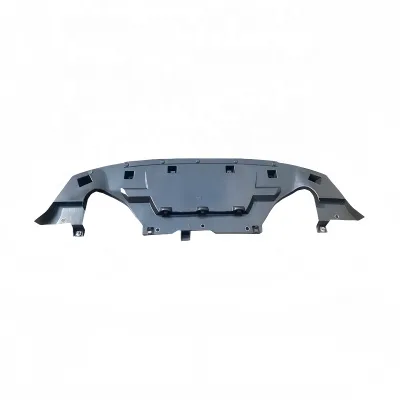
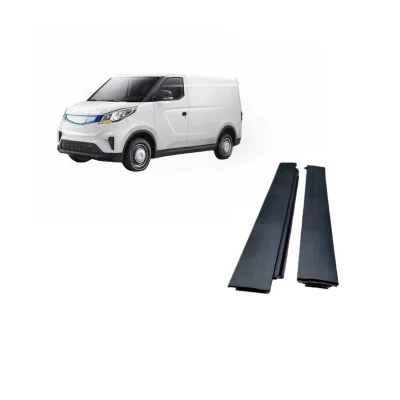
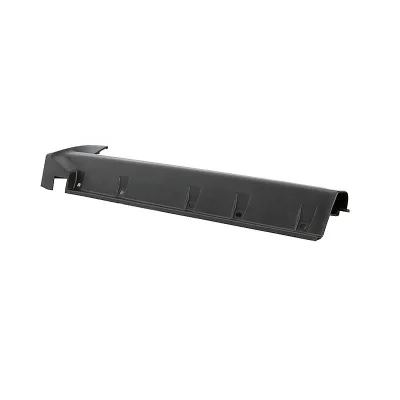
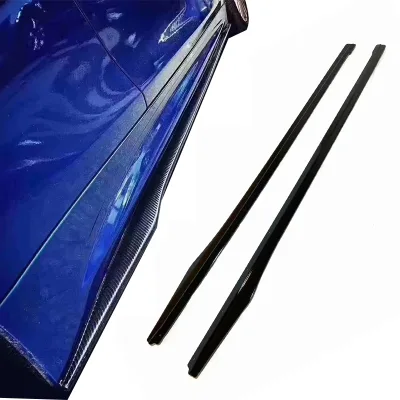
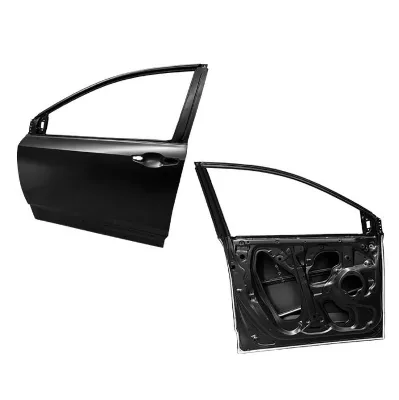
Original Front Door Skirt Panel for Maxus Car Accessories Wholesale C00136460
$10.59 - $11.47
MOQ: 5 Pieces

Original Front Door Skirt Panel for Maxus Car Accessories Wholesale C00136459
$10.59 - $11.47
MOQ: 5 Pieces




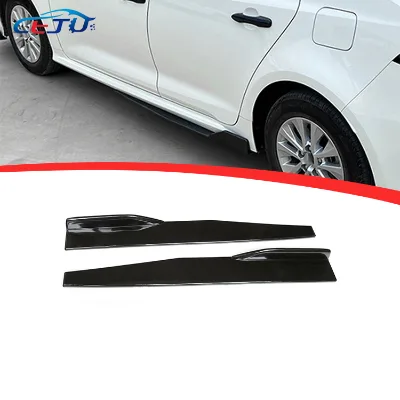
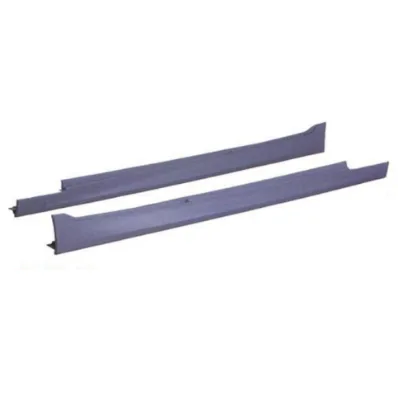
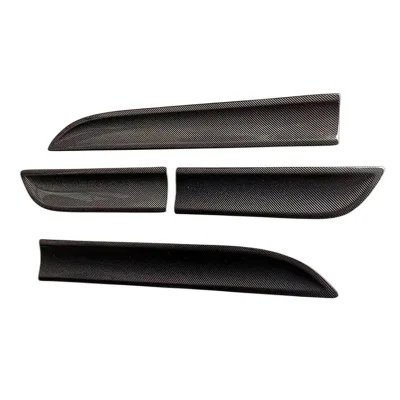
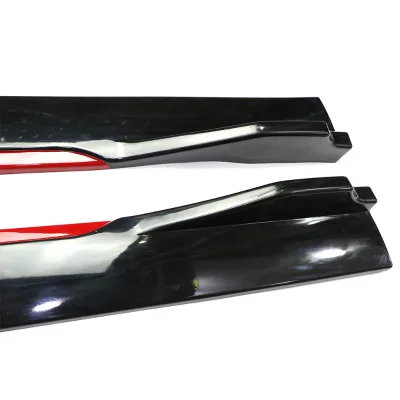




Comprehensive Sourcing Guide
Original Front Door Skirt Panel Sourcing Guide
Sourcing original front door skirt panels requires a disciplined approach to verifying part authenticity, fitment accuracy, and material integrity. These components serve as critical exterior trim elements that protect the lower door structure from road debris, moisture, and minor impacts while contributing to the vehicle’s aerodynamic profile and aesthetic finish. Buyers must distinguish between genuine OEM replacements and aftermarket alternatives, as the latter may vary significantly in fit, finish, and durability. The procurement process begins with a clear understanding of the specific vehicle application, ensuring that the selected panel aligns with the make, model, and year of the target vehicle.
The market for these parts is characterized by a wide range of suppliers, primarily concentrated in manufacturing hubs such as Jiangsu, China, offering varying degrees of customization and quality assurance. Procurement teams must navigate this landscape by focusing on verifiable attributes such as material grade, weight specifications, and packaging standards. By establishing strict criteria for what constitutes an "original" or high-quality replacement, buyers can mitigate the risk of receiving substandard components that fail to meet installation requirements or long-term performance expectations. This guide outlines the essential steps for evaluating suppliers, verifying technical specifications, and ensuring commercial terms that protect the buyer’s interests.
Product Scope and Observed Listing Signals
The observed market for front door skirt panels reveals a diverse range of product listings, with prices varying significantly based on material quality, brand, and included services. Listings indicate a price range from approximately $3 to over $1,100 USD, reflecting the disparity between basic plastic trim pieces and more complex, high-end components. The minimum order quantity (MOQ) typically ranges from 1 to 50 pieces, offering flexibility for both individual repair shops and larger fleet maintenance operations. Buyers should note that some suppliers offer customization options, allowing for specific color matching or branding, which can be crucial for maintaining the original aesthetic of the vehicle.
Key attributes observed in current listings include specific model numbers such as C00136460, C00136459, and C00170164-4100, which serve as critical identifiers for part compatibility. Weight specifications vary widely, from 0.05 kg to 1.69 kg, indicating differences in material density and structural design. Packaging is generally described as carton-based, which is standard for protecting trim components during transit. Additionally, some listings specify the product condition as "New" and the purpose as "Repair or replace," providing clarity on the intended use case. Buyers must carefully cross-reference these model numbers and specifications with their vehicle’s requirements to ensure a precise fit.
Technical Specifications to Verify
Verifying technical specifications is paramount to ensuring that the procured skirt panels fit correctly and perform as expected. Buyers should prioritize parts that are explicitly labeled as "Original" grade, as this designation often correlates with higher material quality and better fitment. The presence of a "100% Tested" quality attribute is a strong indicator that the supplier has implemented rigorous quality control measures before dispatch. Additionally, the material composition should be confirmed, with many listings specifying plastic or composite materials suitable for exterior automotive use. Buyers must also verify the color options, as some suppliers offer custom-made colors to match specific vehicle paint codes.
Model number verification is a critical step in the technical evaluation process. Specific identifiers such as TK48-500S0, TK48500S0, and 05182572AA/05182573AA are associated with specific vehicle applications, such as the Mazda CX-9 and Jeep Compass. Buyers must ensure that the part number matches the exact year and trim level of their vehicle, as even minor variations can lead to installation issues. Furthermore, the single package size and gross weight should be checked to facilitate accurate logistics planning and cost estimation. Confirming these details helps prevent returns and ensures that the procurement process remains efficient and cost-effective.
Compliance and Safety Documentation
While specific safety certifications for trim panels are less stringent than those for structural components, buyers should still request documentation that confirms compliance with relevant automotive standards. Suppliers should provide evidence that their products meet industry-standard requirements for durability, weather resistance, and material safety. This may include test reports or declarations of conformity that verify the part’s ability to withstand environmental stressors such as UV exposure, temperature fluctuations, and moisture. Buyers should also inquire about the supplier’s adherence to international quality management standards, which can serve as a proxy for overall product reliability.
In addition to product-specific documentation, buyers should ensure that the supplier provides clear warranty terms and after-sales support. A warranty period of 3 months to 1 year is commonly observed, offering some protection against manufacturing defects. Buyers should carefully review the warranty conditions to understand what is covered and the process for claiming replacements or refunds. Furthermore, suppliers should provide detailed installation guides or technical support resources to assist with the fitting process. This documentation is essential for ensuring that the parts are installed correctly, which can impact both the vehicle’s appearance and the longevity of the component.
Cost Drivers and Commercial Terms
The cost of front door skirt panels is influenced by several factors, including material quality, customization options, and order volume. Higher-priced items often correspond to parts with more complex designs, premium materials, or additional services such as color matching. Buyers should also consider the impact of MOQ on pricing, as larger orders may qualify for discounts or more favorable terms. Payment methods such as TT, PayPal, Western Union, and Trade Assurance are commonly available, providing flexibility and security for transactions. Buyers should choose payment methods that offer the best balance of convenience and protection, such as Trade Assurance, which can safeguard against non-delivery or quality issues.
Delivery time is another critical commercial term that affects procurement planning. Lead times typically range from 7 to 35 days, depending on the supplier’s production capacity and the complexity of the order. Buyers should factor in these lead times when scheduling repairs or inventory replenishment to avoid delays. Additionally, shipping costs and logistics arrangements should be clearly defined in the contract to prevent unexpected expenses. Buyers should also consider the supplier’s location, as parts originating from Jiangsu, China, may have different shipping dynamics compared to domestic suppliers. Clear communication regarding these terms helps ensure a smooth procurement process and minimizes the risk of disruptions.
Supplier Qualification and Quality Control
Evaluating supplier qualification is essential for ensuring that the procured parts meet the required quality standards. Buyers should prioritize suppliers who demonstrate a commitment to quality through attributes such as "100% Tested" products and "Original" grade materials. It is also important to verify the supplier’s production capabilities and experience in manufacturing automotive trim components. Suppliers with a proven track record of delivering high-quality parts are more likely to meet the buyer’s expectations and provide consistent performance. Buyers should also inquire about the supplier’s quality control processes, including inspection protocols and defect management procedures.
Brand reputation and customer feedback can provide valuable insights into a supplier’s reliability and product quality. While specific supplier names should not be recommended, buyers can look for indicators of a strong market presence, such as positive reviews or long-standing relationships with automotive manufacturers. Additionally, buyers should verify the supplier’s ability to provide customization services, such as custom colors or specific packaging requirements. This flexibility can be crucial for meeting unique procurement needs. By conducting thorough due diligence on supplier qualifications, buyers can mitigate the risk of receiving substandard parts and ensure a successful procurement outcome.
Long-Term Procurement Checks
Establishing long-term procurement checks is vital for maintaining consistent quality and supply chain stability. Buyers should implement regular audits of supplier performance, focusing on metrics such as delivery times, product quality, and customer service responsiveness. These audits help identify potential issues early and allow for corrective actions to be taken before they impact operations. Additionally, buyers should maintain open communication with suppliers to stay informed about any changes in product specifications, pricing, or availability. This proactive approach ensures that the procurement process remains aligned with the buyer’s evolving needs and market conditions.
Continuous improvement in the procurement process can be achieved by analyzing historical data and identifying trends in part performance and supplier reliability. Buyers should use this data to refine their selection criteria and negotiate better terms with high-performing suppliers. Furthermore, buyers should stay updated on industry developments and technological advancements that may impact the design and manufacturing of front door skirt panels. By staying informed and adaptable, buyers can ensure that their procurement strategy remains effective and competitive in the long term. This ongoing evaluation helps build a resilient supply chain that can withstand market fluctuations and meet the demands of automotive maintenance and repair operations.
FAQs
What is the typical delivery time for original front door skirt panels?
The typical delivery time ranges from 7 to 35 days depending on the specific supplier and order volume. Some manufacturers offer expedited shipping with a 7-15 day window for standard orders. Buyers should confirm the exact lead time with the vendor before finalizing payment to ensure timely project completion.
Can I customize the color of the Original Front Door Skirt Panel?
Yes, customization is available for many original front door skirt panels. Suppliers often offer custom-made color options to match specific vehicle aesthetics or fleet requirements. Buyers should specify their desired color code during the inquiry process to ensure the manufacturer can accommodate the request within their production capabilities.
What is the minimum order quantity for original front door skirt panels?
The minimum order quantity varies, with some suppliers accepting just one piece for testing or replacement purposes. Other vendors may require a minimum of ten pieces for bulk orders. Buyers should check the specific MOQ listed for each product to determine the best option for their inventory needs.
How is the quality of original front door skirt panels ensured?
Quality is typically ensured through 100% testing before shipment. Many suppliers guarantee that the parts are original grade and meet standard specifications. Buyers can expect high-quality replacements that are designed for repair or direct installation, often backed by a warranty period of one year or three months.
Which car models are compatible with these original front door skirt panels?
Compatibility depends on the specific model number and OEM reference. For example, certain panels are designed for the Mazda CX-9 from 2016 to 2023, while others fit Jeep Compass models. Buyers must verify the application details and OEM numbers provided in the product specification to ensure proper fitment.
What packaging is used for original front door skirt panels?
Standard packaging typically involves sturdy cartons to protect the parts during transit. The single gross weight and volume vary by model, with some items weighing as little as 0.05 kg and others up to 1.69 kg. Proper packaging ensures the panels arrive without damage, ready for immediate installation.