Source Orthodox Icon for Church Gifts, Home Decoration, and Art Collectibles
Compare 30 available Orthodox Icon listings from verified suppliers. Buyers can evaluate metal and wood options, religious styles, and promotional applications with MOQs ranging from 1 to 1000 units.
Key considerations
Products List
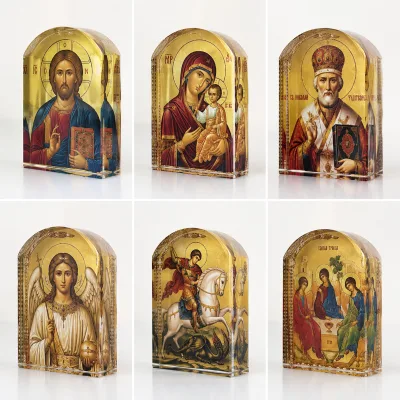
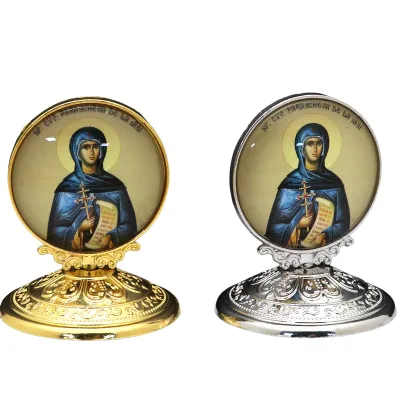
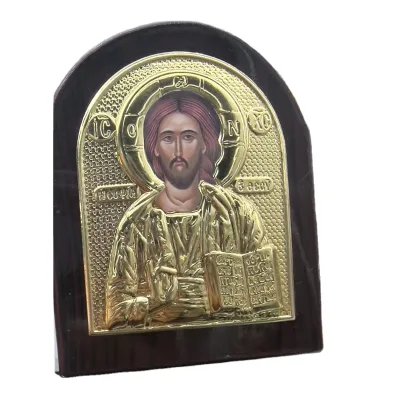
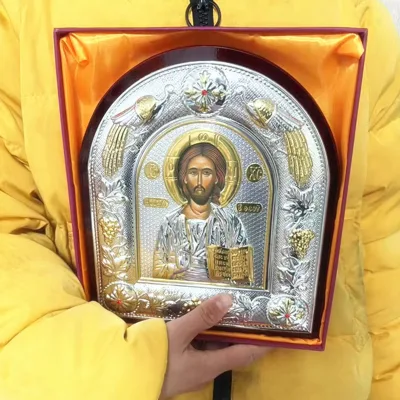
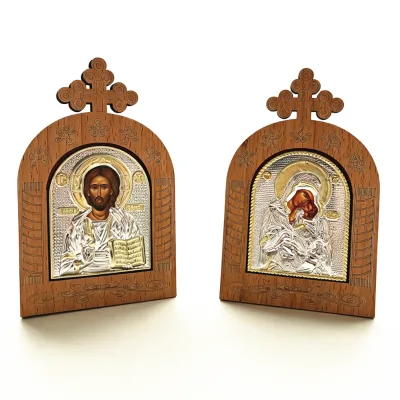
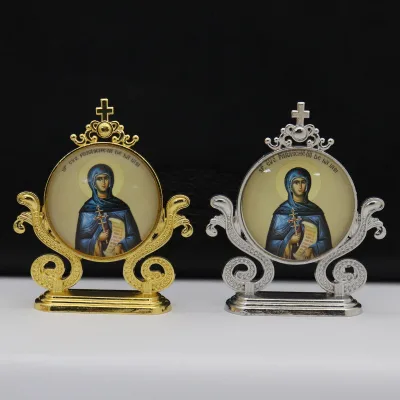
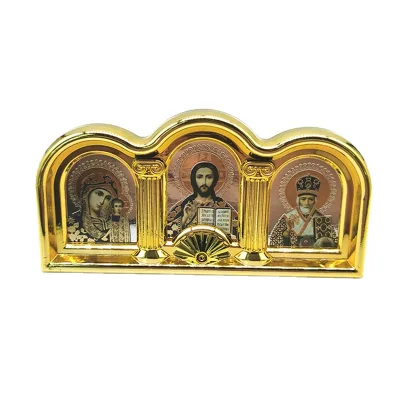
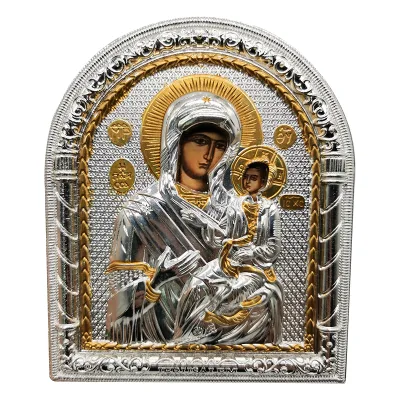
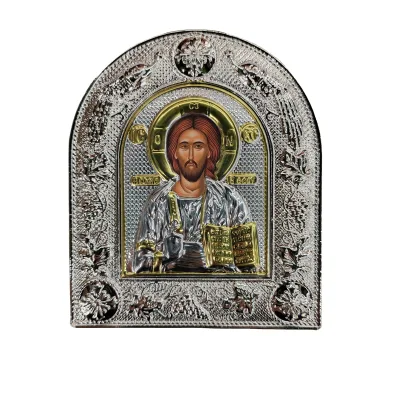
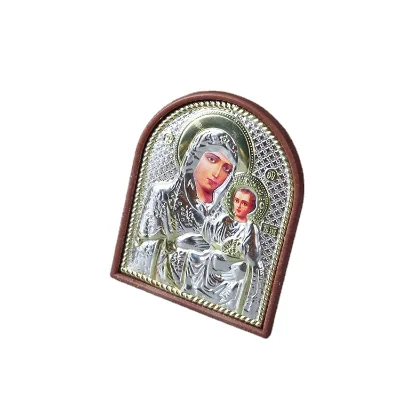
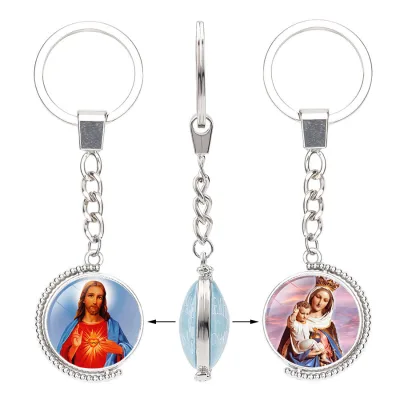
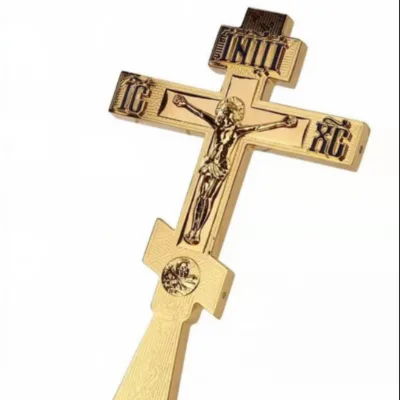


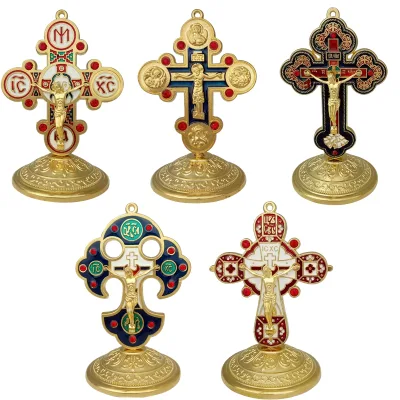
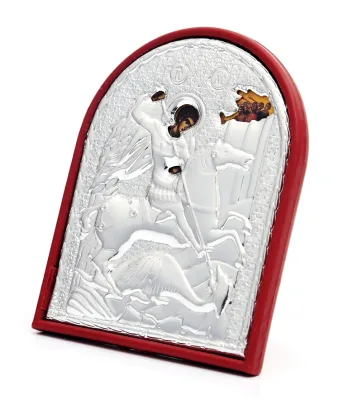
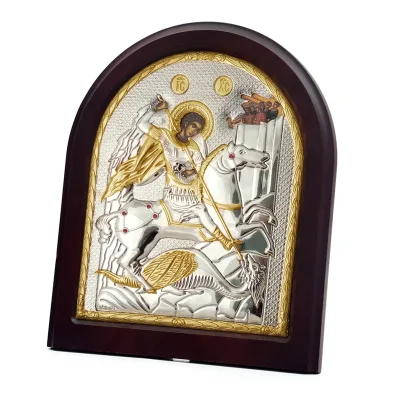
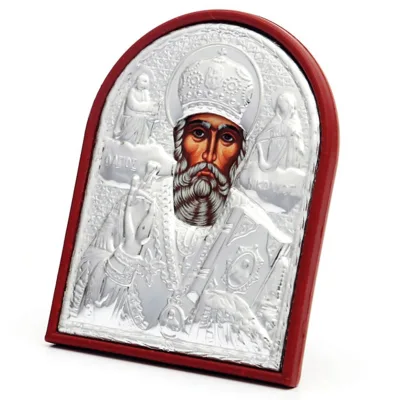
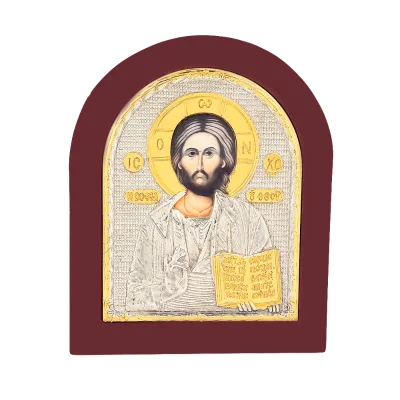


Comprehensive Sourcing Guide
Sourcing Guide for Orthodox Icons in the B2B Market
Understanding Product Specifications and Variants
When sourcing orthodox icons for B2B procurement, buyers must first navigate a complex landscape of technical specifications that define the physical and aesthetic nature of the product. The core keyword "Orthodox Icon" encompasses a diverse range of items, from traditional religious figurines to modern promotional coins and decorative plaques. Based on available market data, these products exhibit significant variation in dimensions, materials, and manufacturing techniques.
A primary observation in the current supply chain is the existence of multiple size specifications. Some items are compact, with dimensions recorded as 6.7x5.7cm, suitable for personal devotion or small gift sets. Others are larger, with specifications reaching 10x8x2cm or even 22x26cm for display purposes. The packaging dimensions further complicate logistics planning; single package sizes have been observed ranging from 5.0x5.0x5.0 cm for coin-style items to 18x12x1 cm for flat figurines. Buyers must verify the exact dimensions of the specific SKU they intend to purchase, as "One Size" or "22*26cm Style 1/2/3" are common descriptors that do not guarantee uniformity across all listings.
Material composition is another critical differentiator. The market offers orthodox icons primarily in metal and wood. Metal variants often feature specific plating options, described generally as "other" in some listings, while others utilize hard enamel techniques to achieve vibrant, durable colors. Wooden items are frequently cited for their traditional appeal, often associated with applications in home furnishing and church gifts. The weight of these items also varies significantly, ranging from a light 55g for smaller metal figurines to 0.850 kg for heavier, more substantial pieces. This variance impacts shipping costs and handling requirements, necessitating a precise calculation of the single gross weight, which has been observed at 0.060 kg, 0.080 kg, and 0.850 kg for different product types.
The manufacturing techniques employed also define the product's quality and aesthetic. Buyers may encounter items described as "Painted," "Carved," or featuring "Gravure Printing" and "Letterpress Printing." The choice of technique influences the visual depth and durability of the icon. For instance, hard enamel is a premium technique often associated with higher perceived value, while painted or carved methods may offer a more rustic, traditional look. The shape of the product is equally diverse, ranging from standard "Round" shapes to "3D" sculptural forms. Color palettes are extensive, spanning from traditional religious hues like Army Green, Brown, and Ivory to modern options such as Mint, Lavender, and Champagne. Understanding these specific attributes is essential for aligning the product with the intended application, whether for Art & Collectible markets, Holiday Decoration, or PR (Public Relations) gifts.
Compliance, Certification, and Safety Standards
In the B2B sector, the procurement of religious and decorative items requires a rigorous approach to compliance and safety, even when specific certification data is not explicitly listed in product descriptions. While the provided data does not confirm specific third-party certifications for the orthodox icons, buyers must treat the "Eco-friendly" attribute as a claim that requires verification rather than a guaranteed standard.
Buyers should prioritize verifying that all materials used, particularly metals and paints, comply with the safety regulations of the destination market. For products originating from China, specifically Zhejiang, or other manufacturing hubs, compliance with international standards regarding heavy metals (such as lead and cadmium) in paints and plating is critical. The "Plating" attribute, often listed as "other," necessitates a request for a Material Safety Data Sheet (MSDS) or a RoHS (Restriction of Hazardous Substances) compliance report to ensure the product does not contain prohibited substances. Similarly, for wooden items, buyers should confirm that the wood has been treated according to phytosanitary standards to prevent the spread of pests, which is a common requirement for agricultural and wood-based imports.
The "Eco-friendly" claim observed in some listings should be scrutinized. Buyers must ask suppliers for documentation proving the eco-friendly nature of the materials, such as the use of non-toxic inks for gravure or letterpress printing, or the sourcing of sustainably harvested wood. Without explicit certification data, this attribute remains an observation that requires validation through a supplier audit or third-party testing.
Furthermore, the application of these icons in various contexts, including "Church Gift" and "Home Decoration," implies that the products must meet general consumer safety standards. For items intended for children or as holiday decorations, buyers should ensure the products do not present choking hazards, especially if they contain small detachable parts. The "3D" shape and "Coin" product types may have specific size thresholds that trigger safety warnings. It is the buyer's responsibility to verify that the product design and manufacturing process adhere to the safety regulations of the target country, such as the Consumer Product Safety Improvement Act (CPSIA) in the United States or the General Product Safety Regulations (GPSR) in the European Union.
Cost Drivers and Pricing Dynamics
The pricing of orthodox icons in the B2B market is influenced by a complex interplay of material costs, manufacturing techniques, and order volume. The observed price range in the market spans from $0.05 to $59.90 USD, indicating a vast disparity in value propositions based on product complexity and material quality.
Material cost is a primary driver. Metal icons, particularly those featuring hard enamel or specific plating, generally command higher prices than simple painted or wooden items. The weight of the product also correlates with material usage; items weighing 0.850 kg will inherently cost more in raw materials than those weighing 55g. Additionally, the manufacturing technique plays a significant role. "Carved" and "Hard Enamel" processes are labor-intensive and often result in higher unit costs compared to "Painted" or "Gravure Printing" methods.
Order volume is another critical factor. The Minimum Order Quantity (MOQ) varies significantly across listings, ranging from 10 pieces to 1000 pieces. Some suppliers offer an MOQ of 10 pcs, which may be suitable for small businesses or sampling, while others require 50 pcs or more. The MOQ directly impacts the unit price; higher volumes typically result in lower per-unit costs due to economies of scale in production and shipping. Buyers should be aware that the "Selling Units" are often listed as "Single item," but the actual transaction is usually bound by the supplier's MOQ policy.
Logistics and packaging also contribute to the final cost. The "Single package size" and "Single gross weight" are essential for calculating freight charges. Smaller, lighter items like the 5.0x5.0x5.0 cm coins are more cost-effective to ship in bulk compared to larger, heavier items. The "opp bag" packaging mentioned in some listings is a standard, low-cost option, but buyers may need to upgrade to custom packaging for promotional gifts, which would increase the overall cost.
Typical Applications and Market Segments
Orthodox icons serve a wide array of applications, extending beyond their traditional religious roots into broader commercial and promotional sectors. Understanding these applications is vital for targeting the right market segment and selecting the appropriate product variant.
The primary application remains within the religious sector, specifically for "PRAYER," "Church Gift," and "Home Decoration." These items are often used in liturgical settings or as personal devotional aids. The "Virgin Mary Icon" and "Angel" style items are particularly popular in this segment. The "Style: Religious" and "Item: Orthodox Icon" attributes confirm their suitability for these sacred contexts.
However, the market has expanded into the realm of "Promotional Gifts" and "Business Gift." The "Usage: Promotional Gifts" and "Application: Art & Collectible" categories indicate that these items are increasingly used for corporate gifting, trade shows, and brand awareness campaigns. The versatility of the product, with options like "Metal" and "Wood," allows for customization to match corporate branding. For example, a metal coin with a specific logo or a wooden icon with a custom engraving can serve as a memorable corporate souvenir.
Seasonal and holiday markets represent another significant application area. The "Application" data explicitly lists "Christmas," "Easter," "New Year," "Thanksgiving," and "Birthday Party." This suggests that orthodox icons are marketed as festive decorations or gifts during these periods. The "Holiday Decoration & Gift" category highlights their role in seasonal retail.
Additionally, the "Art & Collectible" segment targets enthusiasts and collectors. Items with unique shapes, such as "3D" forms or specific "Model Numbers" like BD212 and BD233, appeal to collectors looking for specific designs or limited editions. The "Feature: Eco-friendly" attribute may also attract a niche market of environmentally conscious consumers who value sustainable art pieces.
Supplier Evaluation and Sourcing Strategy
Evaluating suppliers for orthodox icons requires a focus on reliability, capability, and transparency. The "Place of Origin" is predominantly China, with specific mentions of Zhejiang, a region known for its manufacturing prowess. Buyers should verify the supplier's location and ensure they have the capacity to meet the required "Delivery time," which is observed as 1-7 days in some listings. However, this lead time may vary based on order volume and customization requirements.
When evaluating suppliers, buyers should request samples to verify the "Technique" and "Color" accuracy. The "Color" attribute lists a vast array of options, from "Army Green" to "Lavender," and the actual product must match the requested shade. Similarly, the "Plating" and "Enamel type" must be confirmed to ensure the product meets quality expectations.
Buyers should also assess the supplier's ability to handle different "MOQ" requirements. Some suppliers offer low MOQs of 10 pcs, which is beneficial for testing the market, while others require higher volumes. The "Selling Units" being listed as "Single item" suggests flexibility, but the actual transaction terms must be clarified.
Transparency regarding the "Brand Name" is another consideration. Some listings feature specific brands like "BIDA," while others use "OEM," indicating the supplier's willingness to produce private-label goods. Buyers seeking to build their own brand should prioritize OEM suppliers who can provide custom branding services.
Quality Control and Inspection Protocols
Implementing a robust quality control (QC) protocol is essential for ensuring that orthodox icons meet the required standards. Given the diversity in materials and techniques, QC checks should be tailored to the specific product type.
For metal items, inspection should focus on the "Plating" quality, ensuring there are no scratches, bubbles, or peeling. The "Hard Enamel" finish should be checked for smoothness and color consistency. For wooden items, the "Carved" details should be inspected for sharp edges or rough surfaces that could pose a safety hazard. The "Painted" finish should be checked for uniformity and durability.
Dimensional accuracy is crucial, especially for items with specific "Single package size" requirements. Buyers should verify that the "Size" matches the specification, whether it is 6.7x5.7cm or 22x26cm. The "Weight" should also be verified to ensure it aligns with the "Single gross weight" provided, as discrepancies can indicate material substitution or quality issues.
Packaging inspection is another critical step. The "Packing: opp bag" should be secure and free from tears. For promotional items, custom packaging should be checked for print quality and structural integrity. The "Single package size" must be accurate to ensure efficient shipping and storage.
Long-Term Procurement Considerations
Sourcing orthodox icons for long-term business success requires a strategic approach that goes beyond immediate transactional needs. Buyers should consider the scalability of the supply chain, the potential for product customization, and the sustainability of the materials used.
Scalability is a key factor. As demand grows, the supplier must be able to increase production capacity without compromising quality. The "Delivery time" of 1-7 days is impressive, but buyers should verify if this lead time can be maintained during peak seasons or for large orders. The "MOQ" flexibility is also important; suppliers who can accommodate both small and large orders provide greater flexibility for the buyer.
Customization is another long-term consideration. The "OEM" capability allows buyers to create unique products that align with their brand identity. Whether it is custom "Printing" methods like "Letterpress" or specific "Color" options, the ability to customize enhances the product's market appeal.
Sustainability is increasingly important in the B2B market. The "Feature: Eco-friendly" attribute suggests a growing demand for sustainable products. Buyers should prioritize suppliers who can provide evidence of sustainable sourcing and manufacturing practices. This not only aligns with corporate social responsibility goals but also appeals to environmentally conscious consumers.
Finally, building a strong relationship with the supplier is essential for long-term success. Regular communication, feedback, and collaboration can lead to continuous improvement in product quality and service. By focusing on these long-term considerations, buyers can ensure a stable and profitable supply chain for orthodox icons.
FAQs
What materials are used for orthodox icons?
Orthodox icons are primarily made from metal and wood. Metal variants often feature plating or hard enamel techniques, while wooden items are common for traditional church gifts and home decoration applications.
How large are the available Orthodox Icon sizes?
Sizes vary significantly, ranging from compact 6.7x5.7cm pieces to larger 22x26cm display items. Some products are listed as one size, while others have specific dimensions like 10x8x2cm or 8x13.5cm for different styles.
Can I find orthodox icons with low minimum order quantities?
Yes, some suppliers offer minimum order quantities as low as 10 pieces. Other listings may require 50 pieces or up to 1000 pieces depending on the specific product type and customization needs.
What manufacturing techniques are used for these icons?
Common techniques include painting, carving, hard enamel, gravure printing, and letterpress printing. The choice of technique affects the visual depth and durability of the final product for art or promotional use.
Where are orthodox icons typically manufactured?
Most orthodox icons originate from China, with specific manufacturing hubs noted in Zhejiang. Buyers should verify the exact place of origin to ensure compliance with regional shipping and safety standards.
What is the delivery time for Orthodox Icon orders?
Delivery times can range from 1 to 7 days for some suppliers. This lead time may vary based on order volume, customization requirements, and the specific product specifications selected.