Source Outdoor Football Speed Training Cones for Drills
Find 30 options for Outdoor Football Speed Training Cones designed for agility drills, warm-ups, and field marking. Compare specifications like material, size, and customization to select the right equipment for your team's training needs.
Key considerations
Products List

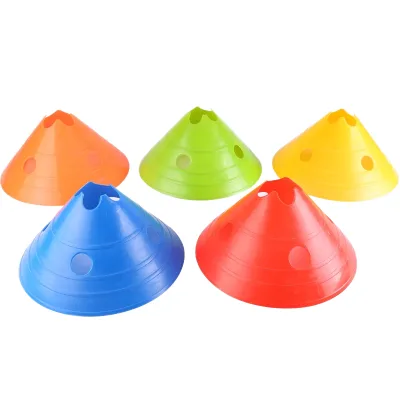
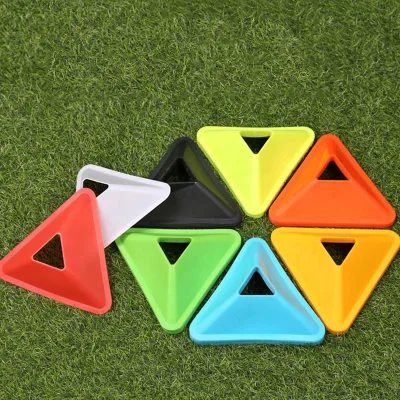
Certificated Plastic Football Practice Equipment Soccer Training Cones
$1.75 - $1.95
MOQ: 60000 Pieces

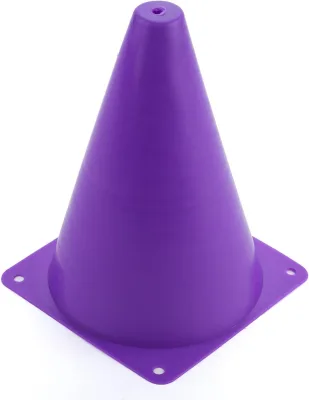
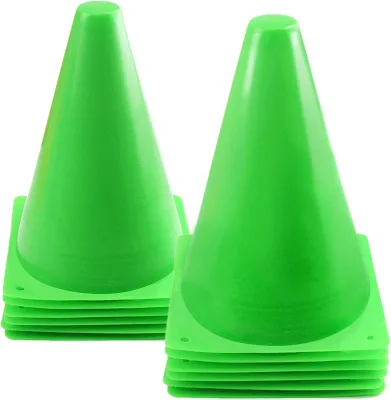
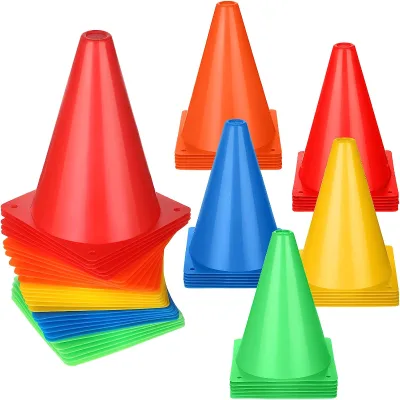
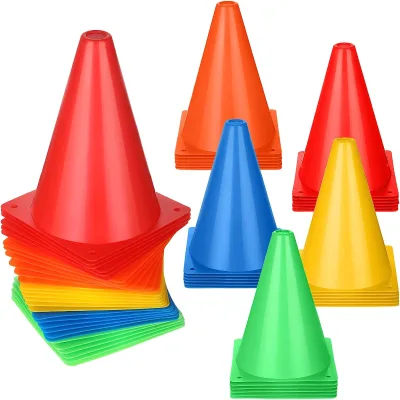




Comprehensive Sourcing Guide
Outdoor Football Speed Training Cones Sourcing Guide
Procuring Outdoor Football Speed Training Cones requires a strategic approach that balances durability with the specific agility demands of modern athletic drills. These devices are essential for developing player footwork, reaction time, and spatial awareness, serving as critical markers in both individual skill sessions and team tactical exercises. Buyers must recognize that the outdoor environment introduces unique challenges, including exposure to UV radiation, moisture, and abrasive surfaces, which directly influence the selection of materials and construction methods. The primary objective is to source equipment that maintains its structural integrity and visibility over extended periods of rigorous use without degrading or becoming a safety hazard.
The market for these training aids is characterized by a wide variance in product configurations, ranging from simple, single-color cones to complex, multi-functional barriers designed for comprehensive training scenarios. Sourcing decisions should be driven by the specific training targets, such as outward bound programs or general football agility drills, rather than generic specifications. Buyers need to evaluate whether the product is designed for single-item use or as part of a larger set, considering factors like packaging density and portability. Understanding the distinction between basic training markers and specialized road barriers or comprehensive equipment is vital for aligning procurement with the intended application, whether it is for professional academies or community sports programs.
Product Scope and Observed Listing Signals
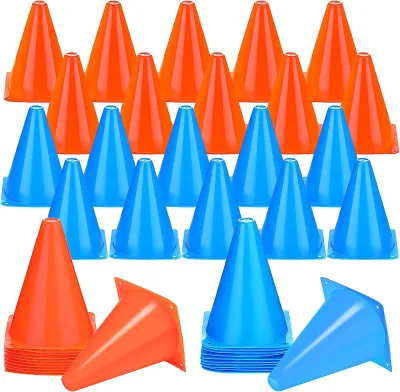
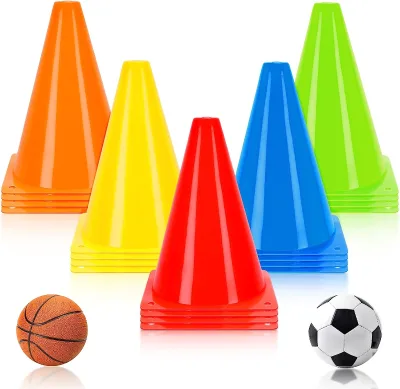
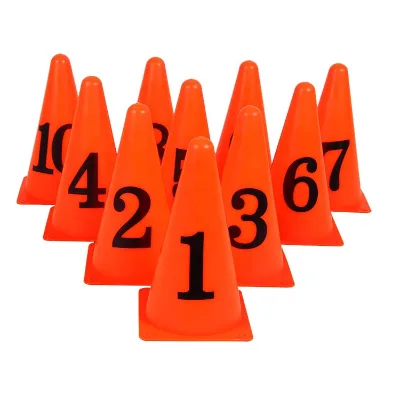
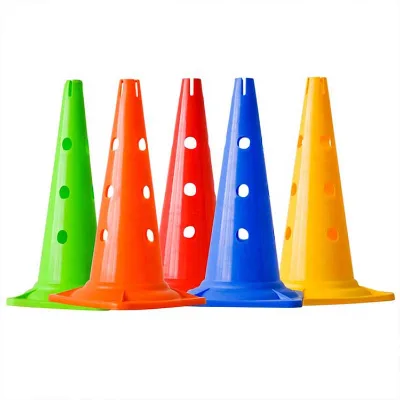
The observed product landscape for Outdoor Football Speed Training Cones reveals a diverse range of specifications, including models with base sizes of 500*500mm and overall dimensions varying from 48cm to larger configurations. Listings indicate that materials are predominantly polyethylene (PE) or rubber, selected for their flexibility and resistance to impact. The color profiles observed include standard red and black combinations as well as mixed color options, which are often utilized to differentiate drill zones or signal specific instructions to athletes. Buyers should note that some products are marketed specifically as "Football Training Equipment" while others carry broader classifications like "National Traditional Sports" or "Road Barrier," necessitating a careful review of the product name and intended function to ensure alignment with football-specific needs.
Commercial signals in the market suggest a high degree of customization availability, allowing buyers to tailor products to specific branding or functional requirements. The observed price range spans from $0.09 to $5.87 per unit, reflecting differences in material quality, base stability, and order volume. Minimum Order Quantities (MOQ) vary significantly, ranging from single items to 60,000 units, which impacts the feasibility of small-scale trials versus large institutional deployments. Packaging methods also differ, with options including woven bags, cartons, and bulk cartons containing 50 pieces, influencing logistics planning and storage efficiency. Buyers must weigh these variables against their budget constraints and logistical capabilities to determine the most cost-effective sourcing strategy.
Technical Specifications to Verify
When evaluating technical specifications, the base material and dimensions are the most critical factors for stability during high-intensity drills. Products with rubber bases or specific base sizes like 500*500mm offer superior resistance to being knocked over by players compared to those with minimal or no base. The height of the cone, often observed in ranges such as 900mm or specific measurements like 300mm for reflectors, must be verified to ensure it meets the visibility requirements of the training field. Buyers should confirm that the material, typically PE, is rated for outdoor durability and possesses waterproof features to prevent water absorption, which can lead to mold growth or material degradation in wet conditions.
Weight and portability are equally important technical considerations, with observed unit weights ranging from 2.000 kg for smaller packages to 5.000 kg for larger units. The single package size, often around 15x14x5 cm, dictates how efficiently the product can be shipped and stored, particularly for teams that travel frequently. Buyers should verify the loading port, typically Shanghai or Ningbo, and the delivery lead time, which can range from 3 to 7 days for standard orders, to ensure timely arrival for scheduled training seasons. Additionally, the presence of reflectors or specific height customization options should be confirmed if the training environment requires enhanced visibility during low-light conditions or specific drill setups.
Compliance and Safety Documentation
Safety compliance is a non-negotiable aspect of sourcing outdoor training equipment, particularly when the products are used by children and adults in uncontrolled environments. The CE certification is a frequently observed standard in the market, indicating that the product meets European health, safety, and environmental protection requirements. Buyers must request valid certification documents to verify that the materials used, such as PE and rubber, are free from harmful substances and that the manufacturing process adheres to safety standards. It is essential to ensure that the certification is current and applies specifically to the model number being purchased, as certifications can vary between product lines and manufacturing batches.
Beyond formal certifications, buyers should verify that the product design minimizes injury risks, such as sharp edges or unstable bases that could cause tripping. The "Unisex" and "Children, Adult" age group classifications suggest that the equipment is designed for a broad demographic, but safety features must be robust enough to withstand the physical demands of all user groups. Documentation regarding the product's origin, specifically from regions like Zhejiang, China, should be cross-referenced with the supplier's quality control records to ensure consistency. Buyers should also check for any specific safety warnings or usage instructions provided by the manufacturer to ensure that the equipment is used correctly and safely in the field.
Cost Drivers and Commercial Terms
The cost of Outdoor Football Speed Training Cones is influenced by several key drivers, including material quality, customization levels, and order volume. The observed price range of $0.09 to $5.87 highlights the significant impact of these factors, where higher prices often correlate with enhanced durability, larger base sizes, or custom branding. Buyers should analyze the trade-off between unit cost and longevity, as cheaper options may require more frequent replacement, ultimately increasing the total cost of ownership. Customization options, such as specific colors or logos, can add to the unit price but may be necessary for team identity or sponsorship requirements.
Commercial terms play a crucial role in the overall procurement strategy, with payment methods like Trade Assurance offering a layer of security for buyers. The delivery lead time, typically 3 to 7 days, and sample time of 5 to 7 days are critical for planning production schedules and ensuring that equipment arrives before the start of the training season. Buyers should negotiate clear terms regarding the loading port and shipping costs, as these can vary based on the destination and the volume of the order. Understanding the MOQ requirements, which can range from 1 to 60,000 units, is essential for managing cash flow and inventory levels, especially for smaller organizations that may not have the capacity to absorb large initial stock.
Supplier Qualification and Quality Control
Selecting a qualified supplier involves verifying their production capabilities and quality control processes to ensure consistent product performance. Suppliers originating from Zhejiang, China, are common in this sector, but buyers must assess their specific track record in manufacturing sports equipment. It is important to confirm that the supplier has the capacity to meet the required MOQs and lead times without compromising on quality. Buyers should request samples to physically inspect the product for defects, such as uneven coloring, weak bases, or material inconsistencies, before committing to a large order.
Quality control should extend beyond the initial sample to include ongoing monitoring of production batches. Buyers should inquire about the supplier's testing procedures for durability, UV resistance, and structural integrity, ensuring that the products will withstand the rigors of outdoor use. The availability of customization services, such as OEM branding or specific model numbers like TR2018050701, indicates a supplier's flexibility and ability to meet unique buyer requirements. Establishing a clear communication channel for addressing quality issues and ensuring that the supplier adheres to the agreed-upon standards is vital for maintaining a reliable supply chain and preventing disruptions in training schedules.
Long-Term Procurement Checks
Sustaining a successful procurement relationship requires regular long-term checks on product performance and supplier reliability. Buyers should establish a schedule for reviewing the durability of the cones after extended use, noting any signs of wear, fading, or structural failure that may indicate a need for design improvements or material changes. Monitoring the consistency of the product specifications, such as base size and weight, across different batches ensures that the equipment remains reliable for training purposes. This proactive approach helps in identifying potential issues early and allows for timely adjustments to the procurement strategy.
Additionally, buyers should periodically reassess the commercial terms and market conditions to ensure that the pricing and delivery terms remain competitive. Changes in raw material costs or shipping rates can impact the overall cost structure, and maintaining open dialogue with the supplier can help in negotiating favorable terms. Evaluating the supplier's responsiveness to feedback and their ability to adapt to changing requirements is also crucial for long-term success. By maintaining a rigorous review process, buyers can ensure that their Outdoor Football Speed Training Cones continue to meet the high standards required for effective and safe athletic training.
FAQs
What customization options are available for these cones?
Customization is available for these Outdoor Football Speed Training Cones. Buyers can request specific dimensions or branding, such as the 50x30x30cm standard or customized reflector heights, to meet unique training requirements.
Which certifications do these training cones hold?
These cones hold CE certification, ensuring they meet specific safety and quality standards for international markets. This certification applies to the comprehensive training equipment used for outward bound and football agility training.
How long is the delivery time for orders?
The standard delivery time is 3 to 7 days for most orders. This lead time applies to the Zhejiang, China origin products, though specific timelines may vary based on order volume and packaging requirements.
Can I order these cones with a low minimum quantity?
Yes, you can order with a minimum quantity as low as 1 unit. The observed MOQ range spans from 1 to 60,000 units, allowing flexibility for both small trials and large bulk procurement needs.
What material are the base and body made of?
The base material is rubber, while the body is constructed from PE. This combination ensures durability and stability, making the cones suitable for outdoor applications and various weather conditions during training sessions.
Where are these products manufactured and shipped from?
These products originate from Zhejiang, China, and are shipped from Shanghai or Ningbo ports. The manufacturing location ensures access to established supply chains for efficient global distribution of the training equipment.